Arkada онлайн казино акции розыгрыши и программа лояльности.109

Arkada онлайн казино – акции, розыгрыши и программа лояльности

▶️ ИГРАТЬ

Содержимое

Если вы ищете новый способ провести свободное время, то Arkada онлайн казино – это идеальное решение. Сайт arkada casino официальный, и на нем вы сможете найти множество игр, акций и розыгрышей, которые будут радовать вас и приносить вам радость.

Но что такое Arkada онлайн казино? Это онлайн-казино, которое предлагает игрокам широкий спектр игр, включая слоты, карточные игры и рулетку. Игроки могут играть на деньги или на бесплатные кредиты, что делает его доступным для игроков с любым уровнем опыта.

Arkada онлайн казино также предлагает программу лояльности, которая позволяет игрокам получать бонусы и преимущества за их игру. Это может включать в себя дополнительные бонусы, бесплатные spins и другие преимущества.

Если вы ищете новый способ провести свободное время, то Arkada онлайн казино – это идеальное решение. Сайт arkada casino официальный, и на нем вы сможете найти множество игр, акций и розыгрышей, которые будут радовать вас и приносить вам радость.

Также, на сайте arkada аркада казино casino можно найти информацию о различных акциях и розыгрышах, которые проводятся регулярно. Это может включать в себя розыгрыши призов, акции на бесплатные spins и другие преимущества.

В целом, Arkada онлайн казино – это отличный способ провести свободное время и получить радость от игры. Сайт arkada casino официальный, и на нем вы сможете найти множество игр, акций и розыгрышей, которые будут радовать вас и приносить вам радость.

Также, на сайте arkada casino можно найти информацию о программе лояльности и о различных акциях и розыгрышах, которые проводятся регулярно. Это может включать в себя розыгрыши призов, акции на бесплатные spins и другие преимущества.

Если вы ищете новый способ провести свободное время, то Arkada онлайн казино – это идеальное решение. Сайт arkada casino официальный, и на нем вы сможете найти множество игр, акций и розыгрышей, которые будут радовать вас и приносить вам радость.

Arkada Онлайн Казино: Акции, Розыгрыши и Программа Лояльности

Если вы ищете онлайн-казино, которое предлагает вам не только играть, но и получать реальные выгоды, то вам стоит обратить внимание на Arkada Casino. Это официальный сайт, который предлагает вам широкий спектр игр, а также программу лояльности, которая может принести вам дополнительные выгоды.

Одной из ключевых особенностей Arkada Casino является его программа лояльности. Она позволяет игрокам получать бонусы и выгоды за их игру, а также за приглашение друзей. Это отличный способ для игроков получать дополнительные выгоды, играя в онлайн-казино.

Arkada Casino также предлагает различные акции и розыгрыши, которые могут принести вам дополнительные выгоды. Например, они могут предложить вам бесплатные спины или дополнительные бонусы для новых игроков. Это отличный способ для игроков начать играть в онлайн-казино и получить дополнительные выгоды.

В Arkada Casino также есть раздел, где вы можете найти информацию о различных играх, которые они предлагают. Это отличный способ для игроков узнать о различных играх, которые они предлагают, и начать играть.

Если вы ищете онлайн-казино, которое предлагает вам не только играть, но и получать реальные выгоды, то вам стоит обратить внимание на Arkada Casino. Это официальный сайт, который предлагает вам широкий спектр игр, а также программу лояльности, которая может принести вам дополнительные выгоды.

Также, Arkada Casino предлагает вам возможность входа на сайт, где вы можете начать играть и получать выгоды. Вход на сайт доступен для игроков из многих стран, включая Россию.

В целом, Arkada Casino – это отличный выбор для игроков, которые ищут онлайн-казино, которое предлагает им не только играть, но и получать реальные выгоды. Сайт официальный, и он предлагает вам широкий спектр игр, а также программу лояльности, которая может принести вам дополнительные выгоды.

Акции и Спецпредложения

Кроме того, на сайте Arkada Casino регулярно проводятся розыгрыши, которые могут принести игрокам значительные выигрыши. Например, в прошлом году на сайте был розыгрыш “Миллионер”, который дался игрокам возможность выиграть 1 000 000 рублей.

Кроме того, на сайте Arkada Casino есть программа лояльности, которая позволяет игрокам получать бонусы и выигрыши за их постоянство и лояльность к сайту. Например, игроки, которые играют на сайте более 100 раз, могут получать бонусы в размере 10% от суммы их депозита.

Также, на сайте Arkada Casino есть специальные предложения для новых игроков, которые могут принести им дополнительные преимущества и выигрыши. Например, новые игроки могут получать бонусы в размере 100% от суммы их депозита.

Кроме того, на сайте Arkada Casino есть акции и спецпредложения для игроков, которые играют на сайте с мобильного устройства. Например, игроки, которые играют на сайте с мобильного устройства, могут получать бонусы в размере 20% от суммы их депозита.

В целом, на официальном сайте Arkada Casino регулярно появляются новые акции и спецпредложения, которые могут принести игрокам дополнительные преимущества и выигрыши. Мы рекомендуем игрокам регулярно проверять сайт, чтобы не пропустить новые акции и спецпредложения.

a16z generative ai

Hippocratic AI raises $141M to staff hospitals with clinical AI agents

Story Partners with Stability AI to Empower Open-Source Innovation for Creators and Developers

a16z generative ai

Meanwhile, Kristina Dulaney, RN, PMH-C, the founder of Cherished Mom, an organization dedicated to solving maternal mental health challenges, helped to create an AI agent that’s focused on helping new mothers navigate such problems with postpartum mental health assessments and depression screening. The startup was initially focused on creating generative AI chatbots to support clinicians and other healthcare professionals, but has since switched its focus to patients themselves. Its most advanced models take advantage of the latest developments in AI agents, which are a form of AI that can perform more complex tasks while working unsupervised. Despite rapid advancements in AI, creators in open-source ecosystems face significant challenges in monetizing derivative works and securing proper attribution.

Story, the global intellectual property blockchain, has announced its integration with Stability AI’s state-of-the-art models to revolutionize open-source AI development. This collaboration enables creators, developers, and artists to capture the value they contribute to the AI ecosystem by leveraging blockchain technology to ensure proper attribution, tracking, and monetization of creative works generated through AI. Andreessen Horowitz, or a16z, is investing in AI and biotech to lead the way in innovation.

Your vote of support is important to us and it helps us keep the content FREE.

In a statement, Raspberry AI said the funding would be used to accelerate its product development and add top engineering, sales and marketing talent to its team. But with U.S. companies raising and/or spending record sums on new AI infrastructure that many experts have noted depreciate rapidly (due to hardware/chip and software advancements), the question remains which vision of the future will win out in the end to become the dominant AI provider for the world. Or maybe it will always be a multiplicity of models each with a smaller market share? That’s followed by more extensive evaluations and safety assessments by an extensive network of more than 6,000 nurses and 300 doctors, who will confirm that it passes all required safety tests.

a16z generative ai

Once the AI agent is up and running, the clinicians who created it will be able to claim a share of the revenue it generates from the startup’s customers. Currently the technology is being used by Under Armour, MCM Worldwide, Gruppo Teddy and Li & Fung to create and iterate apparel, footwear and accessories styles. The company’s existing investors Greycroft, Correlation Ventures and MVP Ventures also joined in the round, along with notable angel investors, including Gokul Rajaram and Ken Pilot. Clearly, even as he espouses a commitment to open source AI, Zuck is not convinced that DeepSeek’s approach of optimizing for efficiency while leveraging far fewer GPUs than major labs is the right one for Meta, or for the future of AI.

Raspberry AI secures 24 million US dollars in funding round

Story is the world’s intellectual property blockchain, transforming IP into networks that transcend mediums and platforms, unleashing global creativity and liquidity. By integrating Stability AI’s advanced models, Story is taking a significant step toward building a fair and sustainable internet for creators and developers in the age of generative AI. Hippocratic AI said it’s necessary to have clinicians onboard because they have, over the course of their careers, developed deep expertise in their respective fields, as well as the practical insights to help cure specific medical conditions and the clinical workflows involved.

Investing in Raspberry AI – Andreessen Horowitz

Investing in Raspberry AI.

Posted: Mon, 13 Jan 2025 08:00:00 GMT [source]

Story aims to bridge this gap by combining Stability AI’s cutting-edge technology with blockchain’s ability to secure digital property rights. For example, creators could register unique styles or voices as intellectual property on Story with transparent usage terms. This would enable others to train and fine-tune AI models using this IP, ensuring that all contributors in the creative chain benefit when outputs are monetized.

One click below supports our mission to provide free, deep, and relevant content.

Holger Mueller of Constellation Research Inc. said Hippocratic AI is bringing two of the leading technology trends to the healthcare industry, namely no-code or low-code software development and AI agents. The launch is a bold step forward in healthcare innovation, giving clinicians the opportunity to participate in the design of AI agents that can address various aspects of patient care. It says clinicians can create an AI agent prototype that specializes in their area of focus in less than 30 minutes, and around three to four hours to develop one that can be tested. Shah said the last nine months since the company’s previous $50 million funding round have seen it make tremendous progress. During that time, it has received its first U.S. patents, fully evaluated and verified the safety of its first AI healthcare agents, and signed contracts with 23 health systems, payers and pharma clients.

a16z generative ai

For instance, one of its AI agents is specialized in chronic care management, medication checks and post-discharge follow-up regarding specific conditions such as kidney failure and congestive heart failure. The healthcare-focused artificial intelligence startup Hippocratic AI Inc. said today it has closed on a $141 million Series B funding round that brings its total amount raised to more than $278 million. “This round of financing will accelerate the development and deployment of the Hippocratic generative AI-driven super staffing and continue our quest to make healthcare abundance a reality,” he promised. Raspberry AI, the generative AI platform for fashion creatives, has secured 24 million US dollars in Series A funding led by Andreessen Horowitz (a16z). Today, we’re going in-depth on blockchain innovation with Robert Roose, an entrepreneur who’s on a mission to fix today’s broken monetary system. Hippocratic AI’s early customers include Arkos Health Inc., Belong Health Inc., Cincinnati Children’s, Fraser Health Authority (Canada), GuideHealth, Honor Health, Deca Dental Management, LLC, OhioHealth, WellSpan Health and other well-known healthcare systems and hospitals.

By incorporating this wisdom into its AI agents, it’s making them safer and improving patient outcomes, it said. Crucially, any agent created using its platform will undergo extensive safety training by both the creator and Hippocratic AI’s own staff. Every clinician will have access to a dashboard to track their AI agent’s performance and use and receive feedback for further development.

a16z generative ai

All these indicate the commitment a16z has in shaping the future of technology and healthcare through strategic investments. Both platforms use Stability AI’s models to bring creators’ visions to life and Story’s blockchain technology to enable provenance and attribution throughout the creative process. These real-world applications highlight how creators can safeguard their intellectual property while thriving in a shared creative economy. Raspberry AI offers brands and manufacturing creative teams technology solutions, which can help accelerate each stage of the fashion product development cycle to increase speed to market and profitability while reducing costs. Andreessen Horowitz, or a16z, is one of the leading AI investors and targets only innovative startups. They participated in the round that funded Anysphere on January 14, 2025, with a total sum of $105 million for an AI coding tool known as Cursor, whose valuation has reached $2.5 billion.

Onyxcoin (XCN) Market Trends and Ozak AI’s Contribution to AI-Driven Blockchain

In order to ensure its AI agents can do their jobs safely, Hippocratic AI says it only works with licensed clinicians to develop them, taking steps to verify their qualifications and experience first. Once clinicians have built their agents, they’ll be submitted to the startup for an initial round of testing. Through the Hippocratic AI Agent App Store, healthcare organizations and hospitals will be able to access a range of specialized AI agents for different aspects of medical care.

a16z generative ai

The startup was co-founded by Chief Executive Officer and serial entrepreneur Munjal Shah and a group of physicians, hospital administrators, healthcare professionals and AI researchers from organizations including El Camino Health LLC, Johns Hopkins University, Stanford University, Microsoft Corp., Google and Nvidia Corp. PIP Labs, an initial core contributor to the Story Network, is backed by investors including a16z crypto, Endeavor, and Polychain. Co-founded by a serial entrepreneur with a $440M exit and DeepMind’s youngest PM, PIP Labs boasts a veteran founding executive team with expertise in consumer tech, generative AI, and Web3 infrastructure. The startup has also created other AI agents for tasks like pre- and post-surgery wound care, extreme heat wave preparation, home health checks, diabetes screening and education, and many more besides. The startup said its AI Agent creators include Dr. Vanessa Dorismond MD, MA, MAS, a distinguished obstetrician and gynecologist at El Camino Women’s Medical Group and Teal Health, who helped to create an AI agent that’s focused on cervical cancer check-ins and enhancing patient education. According to the startup, the objective of these AI agents is to try and solve the massive shortage of trained nurses, social workers and nutritionists in the healthcare industry, both in the U.S. and globally.

TechBullion

The same day, a16z also led a Series A investment in Slingshot AI, which has raised a total of $40 million to create a foundation model for psychology. Those investments highlight the commitment of the group to using AI to address important issues and are also focusing on how AI can improve different industries, including healthcare and consumer services. In general, a16z is committed to supporting AI innovations that could have a profound impact on society. We are thrilled to see our models used in Story’s blockchain technology to ensure proper attribution and reward contributors,” said Scott Trowbridge, Vice President of Stability AI. Others include Kacie Spencer, DNP, RN, the chief nursing officer at Adtalem Global Education Inc., who has more than 20 years of experience in emergency nursing and clinical education. Her AI agent is focused on patient education for the proper installation of child car seats.

It participated in an Anysphere round that had the company raising $105 million on January 14, 2025, when it pushed the valuation up to $2.5 billion. Beyond this, it has also released a $500 million Biotech Ecosystem Venture Fund with Eli Lilly to place a focus on health technologies, but with the aspect of innovative applications. On the same day, they led a Series A investment in Slingshot AI, a company that’s developing advanced generative AI technology for mental health. Additionally, a16z invested in Raspberry AI to bring generative AI to the front of fashion design and production. In December 2024, they envisioned a future in which AI was used aggressively in nearly all sectors.

  • The startup said its AI Agent creators include Dr. Vanessa Dorismond MD, MA, MAS, a distinguished obstetrician and gynecologist at El Camino Women’s Medical Group and Teal Health, who helped to create an AI agent that’s focused on cervical cancer check-ins and enhancing patient education.
  • Andreessen Horowitz, or a16z, is one of the leading AI investors and targets only innovative startups.
  • Hippocratic AI said it’s necessary to have clinicians onboard because they have, over the course of their careers, developed deep expertise in their respective fields, as well as the practical insights to help cure specific medical conditions and the clinical workflows involved.
  • It says clinicians can create an AI agent prototype that specializes in their area of focus in less than 30 minutes, and around three to four hours to develop one that can be tested.

Strategie vincenti per l’interfaccia mobile dei casinò online: come i live dealer e la sicurezza dei pagamenti ridefiniscono l’esperienza di gioco

Il mercato del mobile gaming nel settore dei casinò online ha superato la soglia dei 30 % di tutti i volumi di gioco nel 2025, e la tendenza è in crescita costante. I giocatori richiedono ora più di un semplice accesso a slot e roulette: desiderano la sensazione di un tavolo reale, con croupier in diretta, ma senza sacrificare la rapidità di caricamento né la sicurezza delle proprie finanze. Questa evoluzione è alimentata dall’adozione capillare del 5G, dalla diffusione di wallet digitali e dalla crescente consapevolezza normativa europea, che impone standard più severi per la protezione dei dati e delle transazioni.

Nel panorama attuale, le piattaforme che riescono a coniugare un’interfaccia intuitiva, streaming a bassa latenza e processi di pagamento “one‑click” ottengono tassi di retention superiori al 45 %, rispetto a una media del 30 % dei competitor più tradizionali. Il presente articolo analizza, passo dopo passo, le leve strategiche da considerare per progettare, lanciare e mantenere un’offerta mobile competitiva nel 2026. Verranno approfonditi i principi di UX/UI, le tecnologie di edge computing per i tavoli live, le integrazioni di pagamento mobile, le misure di sicurezza avanzata, le dinamiche di gamification, l’analisi dei dati, la responsabilità sociale, le partnership tecnologiche e la roadmap di lancio. L’obiettivo è fornire una guida operativa per i responsabili di prodotto, i CTO e i manager di marketing che vogliono trasformare la propria app in un hub di gioco live sicuro, veloce e coinvolgente.

Progettare un’interfaccia mobile centrata sul giocatore

Una buona UX per il mobile deve partire da un layout responsive che si adatti a schermi da 4,7 in fino a tablet da 12,9 in, mantenendo la leggibilità dei pulsanti di scommessa e dei feed live. I tempi di caricamento sono critici: ogni secondo in più aumenta la probabilità di abbandono del 12 %. L’uso di tecniche di lazy‑loading per le anteprime dei tavoli, combinato con una compressione WebP delle immagini, riduce il tempo medio di prima interazione a 1,8 secondi.

Principi chiave

  • Touch‑first navigation: gesti swipe per cambiare tavolo, tap‑and‑hold per visualizzare le statistiche del dealer.
  • Personalizzazione basata sui dati: algoritmi che propongono tavoli live in base al livello di puntata medio e alle preferenze di gioco (es. blackjack a 21 punteggi vs. baccarat).
  • Feedback visivo immediato: animazioni leggere per confermare la scommessa, evitando blocchi dell’interfaccia.

Un esempio concreto è l’app “LiveSpin” lanciata a gennaio 2026, che ha introdotto una barra laterale “Preferiti” dove gli utenti possono salvare i dealer più apprezzati. Dopo tre mesi, il tempo medio di permanenza è aumentato del 22 % e il tasso di rigioco settimanale è passato dal 18 % al 27 %.

Elemento Tempo medio di risposta Tasso di abbandono
Caricamento tavolo live 1,6 s 8 %
Accesso al wallet 0,9 s 5 %
Visualizzazione bonus 1,2 s 7 %

Le metriche mostrano come la riduzione dei tempi di risposta influisca direttamente sul comportamento dell’utente.

L’importanza della latenza minima per i tavoli live dealer

La percezione di realismo nei giochi con dealer dal vivo dipende quasi esclusivamente dalla latenza. Un ritardo superiore a 150 ms può generare dubbi sulla genuinità del messe, soprattutto in giochi ad alta velocità come il roulette lightning. Le soluzioni più efficaci nel 2026 combinano edge computing con la rete 5G, consentendo streaming a 60 fps e sincronizzazione audio‑video entro 80 ms.

Le piattaforme più avanzate posizionano server di rendering a pochi chilometri dall’utente finale, sfruttando nodi CDN specializzati per il video live. Inoltre, la compressione H.265 riduce il bitrate senza sacrificare la qualità visiva, mantenendo la fluidità anche su connessioni 4G marginali.

Metriche di monitoraggio consigliate:

  • Round‑trip latency (media < 80 ms)
  • Packet loss (meno del 0,2 %)
  • Jitter (sotto 30 ms)

Implementare un dashboard in tempo reale permette al team di operations di intervenire immediatamente in caso di picchi, evitando l’insoddisfazione del giocatore.

Integrazione fluida dei metodi di pagamento mobile

Le opzioni di pagamento mobile si sono evolute da semplici carte di credito a ecosistemi composti da wallet digitali, carte virtuali e criptovalute. Le API di pagamento più diffuse, come Stripe, Adyen e le soluzioni blockchain di BitPay, supportano transazioni “one‑click” grazie alla tokenizzazione dei dati sensibili. La tokenizzazione sostituisce il numero della carta con un token univoco, riducendo il rischio di frode del 70 % rispetto al metodo tradizionale.

Nel contesto di una ricerca condotta su piattaforme di gioco, si scoprì che i giocatori che avevano provato le migliori app poker tendevano a scegliere casinò con checkout ottimizzato e protezione avanzata, confermando l’impatto diretto della semplicità di pagamento sulla decisione di gioco.

Altri punti chiave:

  • Wallet integrati: Google Pay, Apple Pay e Samsung Pay consentono il pagamento con un solo tap, mantenendo la conformità PSD2.
  • Criptovalute: Bitcoin e Ethereum sono accettate per depositi superiori a €200, con tempi di conferma inferiori a 10 minuti grazie a soluzioni di Lightning Network.
  • Strategie di riduzione commissioni: negoziare tariffe flat con i provider, utilizzare aggregatori di pagamento per consolidare le transazioni e offrire bonus “zero commissione” per i primi tre depositi.

Checklist per l’integrazione

  • Verificare la compatibilità con i principali SDK iOS e Android.
  • Implementare il flusso di fallback per utenti senza wallet digitale.
  • Testare la resilienza dell’API con simulazioni di picchi di traffico (es. 10 000 transazioni simultanee).

Sicurezza dei dati: crittografia end‑to‑end e autenticazione biometrica

La protezione dei dati personali e finanziari è divenuta un requisito non negoziabile. TLS 1.3, con handshake a 1‑RTT, garantisce la cifratura di tutti i pacchetti scambiati tra l’app e i server di gioco. Per le transazioni, le chiavi pubbliche/privati RSA‑4096 o le curve elliptiche (ECDSA) offrono un livello di sicurezza superiore rispetto ai tradizionali RSA‑2048.

L’autenticazione biometrica, ormai supportata nativamente da iOS (Face ID) e Android (fingerprint), riduce i casi di accesso non autorizzato del 85 % rispetto a password statiche. Le best practice includono:

  • Richiesta di biometria al primo login, con fallback a PIN a 6 cifre.
  • Sessioni con token JWT a vita breve (15 min), rinnovabili solo dopo verifica biometrica.
  • Audit continuo mediante log di accesso crittografati, conservati per 12 mesi per soddisfare le normative GDPR.

Le direttive UE, in particolare PSD2, impongono l’autenticazione forte del cliente (SCA) per tutte le operazioni di pagamento sopra i €30. Integrare SCA con biometria semplifica il flusso per l’utente, mantenendo la conformità.

Gamification e incentivi personalizzati in ambiente mobile

Le dinamiche di gamification trasformano il semplice atto di scommettere in un percorso di crescita. Missioni giornaliere – ad esempio “Gioca 3 mani di blackjack live e sblocca il badge ‘Dealer Rookie’” – aumentano il tempo medio di sessione del 18 %. I badge, le leaderboard e le ricompense progressive creano un senso di competizione tra gli utenti.

Modelli di reward

  • Reward basati su spesa: 1 % di cashback su tutti i depositi effettuati tramite wallet digitale, con bonus extra per le criptovalute.
  • Reward basati su frequenza: accesso a tavoli VIP con dealer dedicati per i giocatori che partecipano a 5 tornei poker entro una settimana.
  • Push notification mirate: messaggi contestuali (“Il tuo dealer preferito è online con un bonus del 20 %”) generano un tasso di click‑through del 12 % rispetto al 4 % medio.

Un caso di studio: “CasinoPulse” ha introdotto una campagna “Live Quest” a marzo 2026, dove i giocatori guadagnavano punti per ogni minuto di visione di un dealer. I punti potevano essere convertiti in giri gratuiti su slot a tema casinò. Dopo due mesi, il valore medio del giocatore (ARPU) è aumentato del 14 %.

Analisi dei dati di utilizzo per ottimizzare l’esperienza live

Raccogliere dati di interazione è fondamentale per identificare colli di bottiglia. I log click‑stream, le heatmap di tocco e le session replay mostrano dove gli utenti esitano o abbandonano. Un’analisi tipica rivela che il 27 % dei giocatori interrompe la sessione durante il caricamento del video live, mentre il 15 % abbandona dopo il primo errore di sincronizzazione audio.

L’introduzione di algoritmi di AI predittiva consente di anticipare i picchi di traffico, ad esempio prevedendo un aumento del 30 % delle richieste di streaming durante i tornei di poker del weekend. Il sistema può quindi allocare dinamicamente banda extra ai nodi edge, mantenendo la latenza sotto i 80 ms.

Flusso di ottimizzazione

  1. Raccolta: invio anonimizzato dei dati a un data lake sicuro.
  2. Elaborazione: utilizzo di Spark per aggregare metriche per regione e dispositivo.
  3. Azioni: trigger automatici per scaling dei server video e per notificare il team di UX.

Responsabilità sociale e gioco sicuro su mobile

La tutela del giocatore è un pilastro strategico per la reputazione del brand. Le app devono integrare funzioni di auto‑esclusione accessibili con un solo tap, limitare i depositi giornalieri e inviare avvisi di tempo di gioco. Quando il giocatore supera 2 ore consecutive, un messaggio push ricorda le opzioni di pausa e fornisce un link diretto al centro di supporto.

La trasparenza dei pagamenti è cruciale: visualizzare in tempo reale le commissioni applicate e offrire la possibilità di annullare un deposito entro 5 minuti riduce il rischio di dispute. Inoltre, l’uso di blockchain per le transazioni in criptovaluta permette al giocatore di verificare l’intero percorso del denaro, aumentando la fiducia.

Un approccio integrato combina:

  • Limiti configurabili dall’utente (depositi, scommesse, tempo).
  • Dashboard di monitoraggio per i genitori, con accesso protetto da PIN.
  • Report mensili inviati via email con riepilogo delle attività di gioco.

Partnership strategiche con fornitori di tecnologia live

Scegliere il provider di streaming giusto influisce su qualità, costi e brand perception. I criteri di valutazione includono: latenza media, capacità di scaling, supporto per multi‑camera, certificazioni di sicurezza (ISO 27001) e flessibilità contrattuale.

Un caso recente è la partnership tra “BetStream” e “LiveEdge” (lanciata a giugno 2026). L’integrazione ha permesso di offrire tavoli live in 4K a 60 fps su dispositivi Android con supporto HDR. Il modello di revenue share, basato su una percentuale del 12 % dei guadagni da tavolo, ha ridotto i costi fissi del 30 % rispetto a una licenza perpetua.

Nei mercati emergenti dell’Europa dell’Est, la combinazione di un provider locale con server edge in Polonia ha migliorato la latenza di 45 ms, aumentando la quota di mercato del 8 % in un trimestre.

Pianificazione del lancio e roadmap di aggiornamento

Un rollout efficace si articola in fasi:

  1. Beta interno: test su dipendenti e utenti selezionati, con focus su crash report e latenza.
  2. Test A/B: confronto di due versioni dell’interfaccia (es. layout a griglia vs. lista) su gruppi di 5 000 utenti iOS e Android.
  3. Lancio graduale: 20 % degli utenti Android, 15 % iOS, monitorando KPI di installazione, tasso di conversione e NPS.

Post‑lancio, è fondamentale stabilire un ciclo di rilascio mensile:

  • Settimana 1: raccolta feedback e analisi dei log.
  • Settimana 2: sviluppo di correzioni critiche e ottimizzazioni UI.
  • Settimana 3: test interno delle nuove funzionalità.
  • Settimana 4: rilascio in produzione con note di aggiornamento dettagliate.

Questa metodologia garantisce che le modifiche vengano validate rapidamente, riducendo il rischio di regressioni e mantenendo alta la soddisfazione dell’utente.

Conclusione

L’interfaccia mobile dei casinò online deve unire un’esperienza live coinvolgente a una sicurezza dei pagamenti invulnerabile. Progettare con una mentalità “player‑first”, adottare infrastrutture a bassa latenza, integrare wallet e criptovalute con tokenizzazione, e implementare controlli biometrici e crittografia avanzata sono le chiavi per distinguersi in un mercato sempre più competitivo. Guardando al futuro, le tecnologie emergenti – 5G, AI per l’ottimizzazione dinamica e blockchain per la trasparenza – promettono ulteriori miglioramenti, ma il successo rimarrà legato alla capacità di mettere il giocatore al centro dell’esperienza, garantendo al contempo responsabilità sociale e protezione dei dati.

Vavada online casino w Polsce bezpieczestwo.2376

Vavada online casino w Polsce – bezpieczeństwo

▶️ GRAĆ

Содержимое

Jeśli szukasz bezpiecznego i zaufanego kasyna online, które oferuje szeroki wybór gier, to vavada jest idealnym wyborem. W Polsce, Vavada jest jednym z najpopularniejszych kasyn online, które cieszą się zaufaniem graczy z całego świata.

W Vavada online casino, bezpieczeństwo jest priorytetem. Aby zapewnić bezpieczeństwo swoim klientom, Vavada stosuje najnowsze technologie i procedury bezpieczeństwa, aby chronić Twoje dane i transakcje.

Wśród najważniejszych aspektów bezpieczeństwa, które Vavada oferuje, są:

Bezpieczeństwo danych: Vavada korzysta z najnowszych protokołów szyfrowania, aby chronić Twoje dane przed nieuprawnionym dostępem.

Bezpieczeństwo transakcji: Vavada korzysta z najnowszych protokołów szyfrowania, aby chronić Twoje transakcje przed nieuprawnionym dostępem.

Bezpieczeństwo gier: Vavada oferuje szeroki wybór gier, które są regularnie testowane i sprawdzane, aby zapewnić ich sprawność i bezpieczeństwo.

Jeśli szukasz bezpiecznego i zaufanego kasyna online, które oferuje szeroki wybór gier, to Vavada jest idealnym wyborem. Zarejestruj się już dziś i zacznij korzystać z oferty Vavada online casino!

Bezpieczeństwo danych w Vavada online casino

W Vavada online casino, bezpieczeństwo danych jest priorytetem. Aby zapewnić bezpieczeństwo Twoich danych, Vavada stosuje najnowsze technologie i procedury bezpieczeństwa.

Zabezpieczenie danych

W Vavada online casino, dane są zabezpieczone za pomocą najnowszych protokołów szyfrowania, takich jak SSL/TLS. Te technologie zapewniają, że Twoje dane są chronione przed nieuprawnionym dostępem.

W Vavada online casino, dane są również chronione przed atakami hakerskimi. Nasze systemy są monitorowane 24/7, aby zapewnić, że Twoje dane są bezpieczne.

W Vavada online casino, Twoje dane są również chronione przed utratą. Nasze systemy są zaprogramowane, aby zapewnić, że Twoje dane są bezpieczne i niezagubione.

Zapewnienie bezpieczeństwa

W Vavada online casino, zapewnienie bezpieczeństwa jest priorytetem. Aby zapewnić bezpieczeństwo Twoich danych, Vavada stosuje najnowsze technologie i procedury bezpieczeństwa.

W Vavada online casino, Twoje dane są również chronione przed atakami hakerskimi. Nasze systemy są monitorowane 24/7, aby zapewnić, że Twoje dane są bezpieczne.

Zapewnienie bezpieczeństwa jest kluczem do sukcesu

W Vavada online casino, zapewnienie bezpieczeństwa jest kluczem do sukcesu. Aby zapewnić bezpieczeństwo Twoich danych, Vavada stosuje najnowsze technologie i procedury bezpieczeństwa.

Bezpieczeństwo transakcji w Vavada online casino

W Vavada online casino, bezpieczeństwo transakcji jest jednym z najważniejszych aspektów, które powinny być brane pod uwagę przez każdego gracza. Aby zapewnić bezpieczeństwo swoich transakcji, Vavada online casino stosuje najnowsze technologie i procedury bezpieczeństwa, aby chronić Twoje dane i pieniądze.

W Vavada online casino, korzystamy z najnowszych protokołów szyfrowania, aby chronić Twoje dane i transakcje. Nasze serwery są również zabezpieczone za pomocą najnowszych systemów ochrony przed atakami, aby zapewnić, że Twoje dane są bezpieczne.

W Vavada online casino, korzystamy również z systemu płatności, który jest zabezpieczony za pomocą najnowszych protokołów szyfrowania. To oznacza, że Twoje transakcje są chronione przed atakami i są bezpieczne.

Jeśli chcesz zapewnić bezpieczeństwo swoich transakcji w Vavada online casino, zalecamy, aby korzystać z naszego systemu płatności, który jest zabezpieczony za pomocą najnowszych protokołów szyfrowania. To oznacza, że Twoje transakcje są chronione przed atakami i są bezpieczne.

W Vavada online casino, naszym celem jest zapewnienie bezpieczeństwa i pewności Twoim transakcjom. Dlatego korzystamy z najnowszych technologi i procedur bezpieczeństwa, aby chronić Twoje dane i pieniądze.

Zapewnienie bezpieczeństwa transakcji w Vavada online casino jest naszym priorytetem.

W Vavada online casino, korzystamy z najnowszych protokołów szyfrowania, aby chronić Twoje dane i transakcje. Nasze serwery są również zabezpieczone za pomocą najnowszych systemów ochrony przed atakami, aby zapewnić, że Twoje dane są bezpieczne.

Bezpieczeństwo gry w Vavada online casino

W Vavada online casino, bezpieczeństwo gry jest priorytetem. Aby zapewnić bezpieczeństwo swoich graczy, Vavada Casino stosuje najnowsze technologie i procedury bezpieczeństwa.

Wśród tych procedur jest wymagane hasło, które musi być zmienione co 90 dni. Dodatkowo, Vavada Casino oferuje możliwość ustawienia ograniczeń na swoje konto, aby zapewnić, że nie wydawasz zbyt wiele pieniędzy.

  • Wymagane hasło
  • Ograniczenia na konto
  • Wielowarstwowe hasło
  • Autoryzacja dwufazowa

W Vavada Casino, bezpieczeństwo gry jest również zapewnione przez systemy ochrony przed oszustwami. Systemy te są stale monitorowane i aktualizowane, aby zapewnić, że są one skuteczne.

Wśród tych systemów jest system ochrony przed oszustwami, który monitoruje i analizuje transakcje, aby wykryć i zatrzymać oszustwa.

  • System ochrony przed oszustwami
  • System monitorowania transakcji
  • System analizy transakcji
  • W Vavada Casino, bezpieczeństwo gry jest również zapewnione przez współpracę z licencjonowanymi operatorami gier online.

    Wśród tych operatorów jest Vavada Casino, które jest licencjonowane przez Malta Gaming Authority.

    W Vavada Casino, bezpieczeństwo gry jest priorytetem. Aby zapewnić bezpieczeństwo swoich graczy, Vavada Casino stosuje najnowsze technologie i procedury bezpieczeństwa.

    The Real Test of a Multi-Platform Crypto Wallet Is Not Convenience

    You are standing in an airport security line, moving between an iPhone and a Windows laptop, when a Bitcoin payment request arrives. The wallet is installed on both devices, but that does not automatically mean they share the same security model. One device may be compromised, a recovery phrase may have been backed up carelessly, or a network connection may expose a misleading transaction prompt. A multi-platform crypto wallet solves a coordination problem: how to use the same assets and signing authority across different environments. It does not remove the underlying responsibility of controlling private keys.

    That distinction matters in the United States, where many users approach wallets through a familiar software-app lens. A wallet is not a bank account, and it is not usually where coins “sit.” It is an interface for managing cryptographic keys and communicating with blockchains. The best multi-platform non-custodial wallet is therefore not simply the one with the most features. It is the one whose security assumptions, recovery process, supported networks, and daily workflow a user can actually understand and maintain.
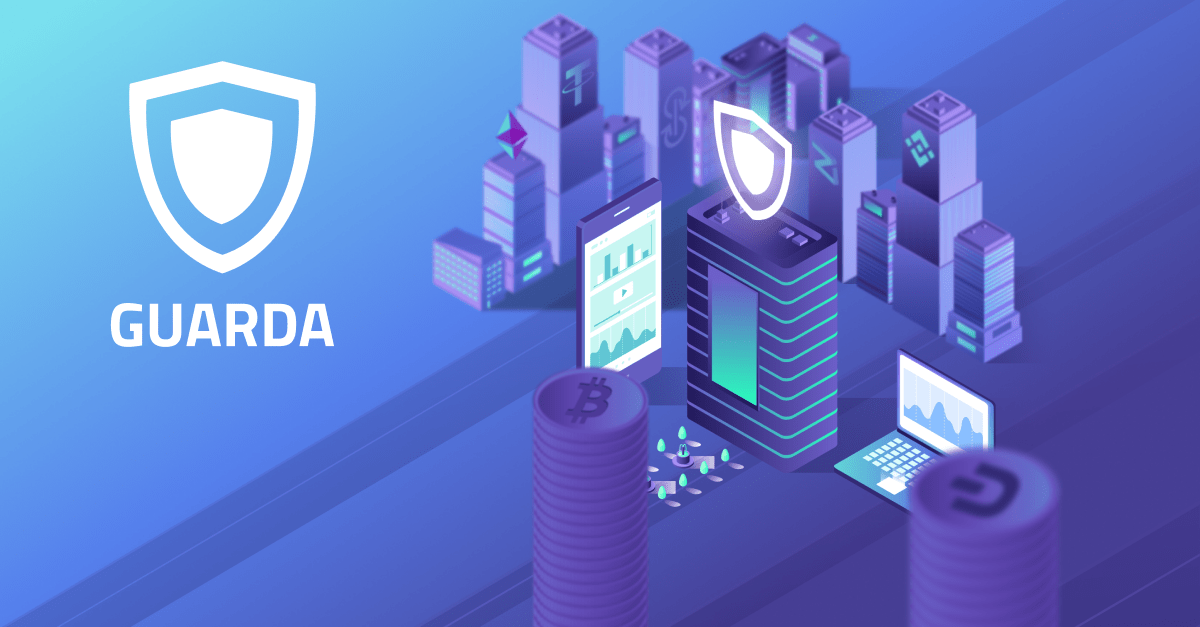
    Multi-platform wallet interface illustrating cross-device access to non-custodial crypto assets

    How wallet design evolved from single-device tools

    Early crypto wallets were often tied to one computer and one narrow function. A Bitcoin wallet might be installed on a desktop, used to generate addresses, and protected by a local password. That arrangement could be technically robust, but it was inconvenient for ordinary users. As smartphones became central to payments and laptops remained useful for detailed account management, wallet developers moved toward multi-platform access.

    The change was more significant than a new interface. Supporting several platforms means handling different operating systems, screen sizes, input methods, update cycles, and threat environments. A mobile phone is commonly used on public networks and may be lost. A desktop may support more complex review but can be exposed to malware. A browser extension is convenient while interacting with decentralized applications, yet it also sits close to potentially dangerous web content.

    Multi-platform access can be implemented in different ways. Some wallets synchronize encrypted information between devices. Others let the user restore the same wallet separately on each device using a recovery phrase. Some combine local key storage with optional services for swaps, staking, or portfolio display. These details are easy to overlook because the visible experience is simply “the wallet is available everywhere.” Mechanically, however, the security model may differ sharply from one product to another.

    Non-custodial does not mean risk-free

    Non-custodial means that the service provider is not intended to hold the user’s private keys on the user’s behalf. Control remains with the person who possesses the recovery credentials. This is a meaningful advantage: an exchange failure or account freeze need not automatically prevent access to assets. But self-custody transfers the recovery burden to the user. If the phrase is lost, exposed, photographed, or stored in a cloud account without adequate protection, the central benefit can become a serious liability.

    A useful mental model is to separate three layers. The first is ownership control: who can authorize a transaction? The second is interface access: which devices and applications can request or display that transaction? The third is transaction interpretation: can the user tell what is actually being approved? A wallet may perform well at the first layer while still presenting weaknesses at the second or third. For example, a user can control the keys and yet approve a malicious smart-contract transaction because the request was misunderstood.

    This is why “secure wallet” is too broad a phrase to be useful by itself. Security depends on the recovery process, device hygiene, software authenticity, address verification, and the user’s behavior under pressure. A wallet that supports Bitcoin, Ethereum-style networks, tokens, and decentralized applications may be more versatile than a Bitcoin-only wallet, but each additional function can introduce more interfaces and more opportunities for confusion.

    Why cross-device convenience creates a trade-off

    Installing the same wallet on a phone and a computer can improve resilience. If one device is lost, the user may still be able to recover access on another. A larger screen can make it easier to inspect addresses and amounts, while a phone can be practical for QR-code payments. For people who move between work, home, and travel, this flexibility is not cosmetic; it determines whether the wallet is usable in real life.

    Yet every additional device expands the attack surface. A recovery phrase imported into a second device creates another place where malware, screenshots, clipboard history, or unauthorized access might matter. A compromised computer can display a familiar wallet interface while changing the destination address. A phone with an unlocked screen can expose balances even when the blockchain keys remain protected by a password.

    The practical rule is simple but often ignored: use multiple devices for access, not for casually duplicating sensitive secrets. Before installing a wallet on another platform, understand whether it creates a new key instance, restores the same wallet, or synchronizes data through an encrypted mechanism. Never assume that a password used to unlock an application is the same thing as the recovery phrase that controls the wallet. They serve different purposes.

    For readers evaluating a wallet for the first time, the official product information and installation path should be checked carefully rather than found through a random advertisement or search result. A starting point for reviewing a multi-platform wallet is https://sites.google.com/cryptowalletextensionus.com/guarda-wallet-download/, but installation is only the beginning. Users should verify the application source, inspect permissions, and test recovery with a small amount before making the wallet part of a larger financial routine.

    What matters more than a long asset list

    Asset support receives much of the attention in wallet marketing, but it is a poor standalone decision criterion. A wallet may display many cryptocurrencies while offering uneven support for network fees, token standards, transaction history, or address formats. The important question is not merely whether an asset appears in the interface. It is whether the wallet handles the complete transaction path clearly and correctly.

    For Bitcoin, that includes understanding network fees, confirmation timing, address formats, and the difference between a pending transaction and a failed one. For tokens and smart-contract networks, the user must also consider contract permissions, network selection, and the possibility that a displayed asset is not the asset they intended to receive. Multi-chain convenience can conceal a basic operational hazard: sending funds on one network to an address or service that expects another.

    Integrated exchanges and swaps create a similar boundary. They may reduce friction by avoiding a separate exchange account, but the service can involve pricing spreads, liquidity limits, identity requirements, or third-party execution. A non-custodial wallet does not make every integrated service non-custodial, nor does it guarantee the same fee structure as a centralized exchange. The wallet and the financial service inside it should be evaluated separately.

    A reusable framework for choosing a wallet

    Instead of asking which wallet is “best,” assess five questions. First, can you explain where the recovery credentials are generated and how they are backed up? Second, can you restore the wallet on another supported platform without depending on the original device? Third, does the interface make addresses, networks, fees, and transaction details understandable before signing? Fourth, does the wallet support the assets and services you actually use, rather than a theoretical list? Fifth, can you maintain safe habits when traveling, upgrading a phone, or dealing with an unexpected message?

    The fifth question is the most revealing. A technically capable wallet can still be a poor choice if its workflow encourages rushed approvals or if the user cannot distinguish a genuine recovery prompt from a phishing page. Conversely, a simpler wallet may be safer for someone who only needs to hold and send Bitcoin. Complexity should be earned by a real use case.

    A sensible onboarding process is deliberately conservative. Install from a trusted source, create or restore the wallet in a private setting, write the recovery phrase on a durable offline medium, and never share it with support staff or websites. Begin with a small transaction. Confirm the receiving address on the actual destination device. Only then consider adding more assets, connecting decentralized applications, or using automated services.

    What to watch as wallets become more portable

    The likely direction of wallet development is greater portability: more operating systems, more embedded services, and more seamless movement between devices. If that trend continues, the central design challenge will not be simply adding features. It will be making complex authorization understandable at the moment a user is most vulnerable to error.

    One conditional scenario is especially important. If wallets improve cross-device verification—so that a user can independently confirm a transaction’s destination, amount, network, and permissions—multi-platform access could become materially safer rather than merely more convenient. If interfaces instead hide complexity behind one-tap approvals, adoption may grow while the consequences of misunderstanding become harder to detect.

    The recent project news supplied for this week concerns Guarda, the Swiss village described as a small settlement on a sunny terrace above the Inn Valley and a base for walking in the surrounding landscape. That geographic note is unrelated to wallet security, but it offers an accidental metaphor for the category: a clear vantage point matters. Users need enough visibility into what a wallet is doing to distinguish a helpful path from a dangerous shortcut. The technology can provide access, but judgment still belongs to the person holding the keys.

    Frequently asked questions

    What is a multi-platform non-custodial crypto wallet?

    It is a wallet designed to operate across devices or operating systems while leaving control of the private keys with the user rather than a custodian. The exact recovery and synchronization method varies, so users should examine how keys are generated, stored, and restored.

    Is a multi-platform wallet safer than a single-device wallet?

    Not automatically. Multiple platforms can improve availability and recovery options, but they also add devices and software environments that may be attacked or misused. Safety depends on the wallet’s architecture and the user’s operational habits.

    Should I store my recovery phrase in a password manager or cloud service?

    Users should be cautious. A digital copy may be exposed through account compromise, malware, screenshots, or synchronization. An offline backup kept securely and recoverably is generally easier to isolate, though it must still be protected from loss, theft, and physical damage.

    What is the most important feature for a Bitcoin wallet?

    Clear, verifiable transaction signing is more important than a long feature list. The wallet should help you confirm the destination, amount, fee, and network before authorization, while giving you a recovery process you can test and understand.

    The Real Test of a Multi-Platform Crypto Wallet Is Not Convenience

    You are standing in an airport security line, moving between an iPhone and a Windows laptop, when a Bitcoin payment request arrives. The wallet is installed on both devices, but that does not automatically mean they share the same security model. One device may be compromised, a recovery phrase may have been backed up carelessly, or a network connection may expose a misleading transaction prompt. A multi-platform crypto wallet solves a coordination problem: how to use the same assets and signing authority across different environments. It does not remove the underlying responsibility of controlling private keys.

    That distinction matters in the United States, where many users approach wallets through a familiar software-app lens. A wallet is not a bank account, and it is not usually where coins “sit.” It is an interface for managing cryptographic keys and communicating with blockchains. The best multi-platform non-custodial wallet is therefore not simply the one with the most features. It is the one whose security assumptions, recovery process, supported networks, and daily workflow a user can actually understand and maintain.

    Multi-platform wallet interface illustrating cross-device access to non-custodial crypto assets

    How wallet design evolved from single-device tools

    Early crypto wallets were often tied to one computer and one narrow function. A Bitcoin wallet might be installed on a desktop, used to generate addresses, and protected by a local password. That arrangement could be technically robust, but it was inconvenient for ordinary users. As smartphones became central to payments and laptops remained useful for detailed account management, wallet developers moved toward multi-platform access.

    The change was more significant than a new interface. Supporting several platforms means handling different operating systems, screen sizes, input methods, update cycles, and threat environments. A mobile phone is commonly used on public networks and may be lost. A desktop may support more complex review but can be exposed to malware. A browser extension is convenient while interacting with decentralized applications, yet it also sits close to potentially dangerous web content.

    Multi-platform access can be implemented in different ways. Some wallets synchronize encrypted information between devices. Others let the user restore the same wallet separately on each device using a recovery phrase. Some combine local key storage with optional services for swaps, staking, or portfolio display. These details are easy to overlook because the visible experience is simply “the wallet is available everywhere.” Mechanically, however, the security model may differ sharply from one product to another.

    Non-custodial does not mean risk-free

    Non-custodial means that the service provider is not intended to hold the user’s private keys on the user’s behalf. Control remains with the person who possesses the recovery credentials. This is a meaningful advantage: an exchange failure or account freeze need not automatically prevent access to assets. But self-custody transfers the recovery burden to the user. If the phrase is lost, exposed, photographed, or stored in a cloud account without adequate protection, the central benefit can become a serious liability.

    A useful mental model is to separate three layers. The first is ownership control: who can authorize a transaction? The second is interface access: which devices and applications can request or display that transaction? The third is transaction interpretation: can the user tell what is actually being approved? A wallet may perform well at the first layer while still presenting weaknesses at the second or third. For example, a user can control the keys and yet approve a malicious smart-contract transaction because the request was misunderstood.

    This is why “secure wallet” is too broad a phrase to be useful by itself. Security depends on the recovery process, device hygiene, software authenticity, address verification, and the user’s behavior under pressure. A wallet that supports Bitcoin, Ethereum-style networks, tokens, and decentralized applications may be more versatile than a Bitcoin-only wallet, but each additional function can introduce more interfaces and more opportunities for confusion.

    Why cross-device convenience creates a trade-off

    Installing the same wallet on a phone and a computer can improve resilience. If one device is lost, the user may still be able to recover access on another. A larger screen can make it easier to inspect addresses and amounts, while a phone can be practical for QR-code payments. For people who move between work, home, and travel, this flexibility is not cosmetic; it determines whether the wallet is usable in real life.

    Yet every additional device expands the attack surface. A recovery phrase imported into a second device creates another place where malware, screenshots, clipboard history, or unauthorized access might matter. A compromised computer can display a familiar wallet interface while changing the destination address. A phone with an unlocked screen can expose balances even when the blockchain keys remain protected by a password.

    The practical rule is simple but often ignored: use multiple devices for access, not for casually duplicating sensitive secrets. Before installing a wallet on another platform, understand whether it creates a new key instance, restores the same wallet, or synchronizes data through an encrypted mechanism. Never assume that a password used to unlock an application is the same thing as the recovery phrase that controls the wallet. They serve different purposes.

    For readers evaluating a wallet for the first time, the official product information and installation path should be checked carefully rather than found through a random advertisement or search result. A starting point for reviewing a multi-platform wallet is https://sites.google.com/cryptowalletextensionus.com/guarda-wallet-download/, but installation is only the beginning. Users should verify the application source, inspect permissions, and test recovery with a small amount before making the wallet part of a larger financial routine.

    What matters more than a long asset list

    Asset support receives much of the attention in wallet marketing, but it is a poor standalone decision criterion. A wallet may display many cryptocurrencies while offering uneven support for network fees, token standards, transaction history, or address formats. The important question is not merely whether an asset appears in the interface. It is whether the wallet handles the complete transaction path clearly and correctly.

    For Bitcoin, that includes understanding network fees, confirmation timing, address formats, and the difference between a pending transaction and a failed one. For tokens and smart-contract networks, the user must also consider contract permissions, network selection, and the possibility that a displayed asset is not the asset they intended to receive. Multi-chain convenience can conceal a basic operational hazard: sending funds on one network to an address or service that expects another.

    Integrated exchanges and swaps create a similar boundary. They may reduce friction by avoiding a separate exchange account, but the service can involve pricing spreads, liquidity limits, identity requirements, or third-party execution. A non-custodial wallet does not make every integrated service non-custodial, nor does it guarantee the same fee structure as a centralized exchange. The wallet and the financial service inside it should be evaluated separately.

    A reusable framework for choosing a wallet

    Instead of asking which wallet is “best,” assess five questions. First, can you explain where the recovery credentials are generated and how they are backed up? Second, can you restore the wallet on another supported platform without depending on the original device? Third, does the interface make addresses, networks, fees, and transaction details understandable before signing? Fourth, does the wallet support the assets and services you actually use, rather than a theoretical list? Fifth, can you maintain safe habits when traveling, upgrading a phone, or dealing with an unexpected message?

    The fifth question is the most revealing. A technically capable wallet can still be a poor choice if its workflow encourages rushed approvals or if the user cannot distinguish a genuine recovery prompt from a phishing page. Conversely, a simpler wallet may be safer for someone who only needs to hold and send Bitcoin. Complexity should be earned by a real use case.

    A sensible onboarding process is deliberately conservative. Install from a trusted source, create or restore the wallet in a private setting, write the recovery phrase on a durable offline medium, and never share it with support staff or websites. Begin with a small transaction. Confirm the receiving address on the actual destination device. Only then consider adding more assets, connecting decentralized applications, or using automated services.

    What to watch as wallets become more portable

    The likely direction of wallet development is greater portability: more operating systems, more embedded services, and more seamless movement between devices. If that trend continues, the central design challenge will not be simply adding features. It will be making complex authorization understandable at the moment a user is most vulnerable to error.

    One conditional scenario is especially important. If wallets improve cross-device verification—so that a user can independently confirm a transaction’s destination, amount, network, and permissions—multi-platform access could become materially safer rather than merely more convenient. If interfaces instead hide complexity behind one-tap approvals, adoption may grow while the consequences of misunderstanding become harder to detect.

    The recent project news supplied for this week concerns Guarda, the Swiss village described as a small settlement on a sunny terrace above the Inn Valley and a base for walking in the surrounding landscape. That geographic note is unrelated to wallet security, but it offers an accidental metaphor for the category: a clear vantage point matters. Users need enough visibility into what a wallet is doing to distinguish a helpful path from a dangerous shortcut. The technology can provide access, but judgment still belongs to the person holding the keys.

    Frequently asked questions

    What is a multi-platform non-custodial crypto wallet?

    It is a wallet designed to operate across devices or operating systems while leaving control of the private keys with the user rather than a custodian. The exact recovery and synchronization method varies, so users should examine how keys are generated, stored, and restored.

    Is a multi-platform wallet safer than a single-device wallet?

    Not automatically. Multiple platforms can improve availability and recovery options, but they also add devices and software environments that may be attacked or misused. Safety depends on the wallet’s architecture and the user’s operational habits.

    Should I store my recovery phrase in a password manager or cloud service?

    Users should be cautious. A digital copy may be exposed through account compromise, malware, screenshots, or synchronization. An offline backup kept securely and recoverably is generally easier to isolate, though it must still be protected from loss, theft, and physical damage.

    What is the most important feature for a Bitcoin wallet?

    Clear, verifiable transaction signing is more important than a long feature list. The wallet should help you confirm the destination, amount, fee, and network before authorization, while giving you a recovery process you can test and understand.