Are UK Licensed Casinos Ever Not on GamStop?

When it comes to gambling in the UK, one of the most common questions that players ask is whether UK licensed casinos are ever not on GamStop. GamStop is a self-exclusion scheme designed to help problem gamblers restrict their access to online gambling sites. It is mandatory for all UKGC-licensed casinos to be part of the GamStop program. However, there are still ways for players to access non-GamStop casinos even if they are licensed by the UK Gambling Commission.

Understanding the UK Gambling Laws

To understand how UK licensed casinos can operate outside of GamStop, it’s important to first understand the UK gambling laws. The UK Gambling Commission (UKGC) is the regulatory body responsible for overseeing all gambling activities in the country. Any online casino wishing to offer its services to UK players must obtain a license from the UKGC and adhere to strict regulations.

Non-GamStop Licensed Casinos

While UKGC-licensed casinos are required to participate in the GamStop scheme, not all online casinos are regulated by the UKGC. There are many reputable offshore gambling jurisdictions, such as Malta, Curacao, and Gibraltar, that also issue gambling licenses. These casinos are not bound by the rules of the UKGC and therefore do not have to be part of the GamStop program.

Advantages of Non-GamStop Casinos

Non-GamStop casinos offer some advantages to players who have self-excluded themselves from UKGC-licensed sites. These casinos often have a wider range of games, higher bonuses, and more lenient regulations. Additionally, players who are not on GamStop can avoid the restrictions that come with self-exclusion.

RTP and Volatility Analysis

When it comes to choosing between UK licensed casinos and non-GamStop casinos, players should consider factors such as the RTP (Return to Player) and volatility of the games. RTP refers to the percentage of all money wagered on a game that is paid back to the players over time. Games with higher RTPs are generally more favorable to players. Volatility, on the other hand, refers to the risk associated with a particular game. Low volatility games offer more frequent but smaller wins, while high volatility games offer larger but less frequent wins.

Bankroll Management

Regardless of whether you choose to play at a UK licensed casino or a non-GamStop casino, bankroll management is crucial. Setting a budget for your gambling activities and sticking to it will help you avoid overspending and chasing losses. It’s important to only gamble with money that you can afford to lose and to never borrow money to fund your gambling.

Bonus Mechanics

One of starburst not on gamstop the key attractions of online casinos is the bonuses and promotions they offer. Bonuses come in various forms, such as welcome bonuses, free spins, and loyalty rewards. However, it’s essential to read the terms and conditions of the bonuses before claiming them. Wagering requirements, game restrictions, and withdrawal limits can all affect the value of a bonus.

Licensing and Regulation Differences

UK licensed casinos operate under the strict regulations set by the UK Gambling Commission. These regulations are designed to protect players and ensure fair play. On the other hand, non-GamStop casinos licensed by offshore jurisdictions may have different rules and standards. Players should research the licensing and regulation of a casino before signing up to ensure their safety and security.

KYC vs. No-KYC Systems

KYC (Know Your Customer) is a process that online casinos use to verify the identity of their players and prevent money laundering. UK licensed casinos are required to follow strict KYC procedures, which can include providing identification documents and proof of address. Non-GamStop casinos may offer a more relaxed KYC process or even operate on a no-KYC basis.

Payment Methods

When playing at online casinos, it’s essential to choose a reliable and secure payment method for deposits and withdrawals. UK licensed casinos typically offer a wide range of payment options, including credit/debit cards, e-wallets, and bank transfers. Non-GamStop casinos may also accept cryptocurrencies such as Bitcoin for added anonymity.

Common Player Mistakes

Finally, it’s crucial for players to be aware of common mistakes that can lead to problem gambling. Some of the most common mistakes include chasing losses, playing under the influence of alcohol or drugs, and not setting limits on time and money spent. By being mindful of these pitfalls, players can enjoy a safe and responsible gambling experience.

In conclusion, while UK licensed casinos are required to be part of the GamStop program, there are still ways for players to access non-GamStop casinos that are licensed by offshore jurisdictions. Both types of casinos have their own advantages and disadvantages, so players should carefully consider their options before choosing where to play. Regardless of where you choose to gamble, always prioritize responsible gaming practices and prioritize your safety and security.

Are UK Licensed Casinos Ever Not on GamStop?

When it comes to gambling in the UK, one of the most common questions that players ask is whether UK licensed casinos are ever not on GamStop. GamStop is a self-exclusion scheme designed to help problem gamblers restrict their access to online gambling sites. It is mandatory for all UKGC-licensed casinos to be part of the GamStop program. However, there are still ways for players to access non-GamStop casinos even if they are licensed by the UK Gambling Commission.

Understanding the UK Gambling Laws

To understand how UK licensed casinos can operate outside of GamStop, it’s important to first understand the UK gambling laws. The UK Gambling Commission (UKGC) is the regulatory body responsible for overseeing all gambling activities in the country. Any online casino wishing to offer its services to UK players must obtain a license from the UKGC and adhere to strict regulations.

Non-GamStop Licensed Casinos

While UKGC-licensed casinos are required to participate in the GamStop scheme, not all online casinos are regulated by the UKGC. There are many reputable offshore gambling jurisdictions, such as Malta, Curacao, and Gibraltar, that also issue gambling licenses. These casinos are not bound by the rules of the UKGC and therefore do not have to be part of the GamStop program.

Advantages of Non-GamStop Casinos

Non-GamStop casinos offer some advantages to players who have self-excluded themselves from UKGC-licensed sites. These casinos often have a wider range of games, higher bonuses, and more lenient regulations. Additionally, players who are not on GamStop can avoid the restrictions that come with self-exclusion.

RTP and Volatility Analysis

When it comes to choosing between UK licensed casinos and non-GamStop casinos, players should consider factors such as the RTP (Return to Player) and volatility of the games. RTP refers to the percentage of all money wagered on a game that is paid back to the players over time. Games with higher RTPs are generally more favorable to players. Volatility, on the other hand, refers to the risk associated with a particular game. Low volatility games offer more frequent but smaller wins, while high volatility games offer larger but less frequent wins.

Bankroll Management

Regardless of whether you choose to play at a UK licensed casino or a non-GamStop casino, bankroll management is crucial. Setting a budget for your gambling activities and sticking to it will help you avoid overspending and chasing losses. It’s important to only gamble with money that you can afford to lose and to never borrow money to fund your gambling.

Bonus Mechanics

One of starburst not on gamstop the key attractions of online casinos is the bonuses and promotions they offer. Bonuses come in various forms, such as welcome bonuses, free spins, and loyalty rewards. However, it’s essential to read the terms and conditions of the bonuses before claiming them. Wagering requirements, game restrictions, and withdrawal limits can all affect the value of a bonus.

Licensing and Regulation Differences

UK licensed casinos operate under the strict regulations set by the UK Gambling Commission. These regulations are designed to protect players and ensure fair play. On the other hand, non-GamStop casinos licensed by offshore jurisdictions may have different rules and standards. Players should research the licensing and regulation of a casino before signing up to ensure their safety and security.

KYC vs. No-KYC Systems

KYC (Know Your Customer) is a process that online casinos use to verify the identity of their players and prevent money laundering. UK licensed casinos are required to follow strict KYC procedures, which can include providing identification documents and proof of address. Non-GamStop casinos may offer a more relaxed KYC process or even operate on a no-KYC basis.

Payment Methods

When playing at online casinos, it’s essential to choose a reliable and secure payment method for deposits and withdrawals. UK licensed casinos typically offer a wide range of payment options, including credit/debit cards, e-wallets, and bank transfers. Non-GamStop casinos may also accept cryptocurrencies such as Bitcoin for added anonymity.

Common Player Mistakes

Finally, it’s crucial for players to be aware of common mistakes that can lead to problem gambling. Some of the most common mistakes include chasing losses, playing under the influence of alcohol or drugs, and not setting limits on time and money spent. By being mindful of these pitfalls, players can enjoy a safe and responsible gambling experience.

In conclusion, while UK licensed casinos are required to be part of the GamStop program, there are still ways for players to access non-GamStop casinos that are licensed by offshore jurisdictions. Both types of casinos have their own advantages and disadvantages, so players should carefully consider their options before choosing where to play. Regardless of where you choose to gamble, always prioritize responsible gaming practices and prioritize your safety and security.

Are UK Licensed Casinos Ever Not on GamStop?

When it comes to gambling in the UK, one of the most common questions that players ask is whether UK licensed casinos are ever not on GamStop. GamStop is a self-exclusion scheme designed to help problem gamblers restrict their access to online gambling sites. It is mandatory for all UKGC-licensed casinos to be part of the GamStop program. However, there are still ways for players to access non-GamStop casinos even if they are licensed by the UK Gambling Commission.

Understanding the UK Gambling Laws

To understand how UK licensed casinos can operate outside of GamStop, it’s important to first understand the UK gambling laws. The UK Gambling Commission (UKGC) is the regulatory body responsible for overseeing all gambling activities in the country. Any online casino wishing to offer its services to UK players must obtain a license from the UKGC and adhere to strict regulations.

Non-GamStop Licensed Casinos

While UKGC-licensed casinos are required to participate in the GamStop scheme, not all online casinos are regulated by the UKGC. There are many reputable offshore gambling jurisdictions, such as Malta, Curacao, and Gibraltar, that also issue gambling licenses. These casinos are not bound by the rules of the UKGC and therefore do not have to be part of the GamStop program.

Advantages of Non-GamStop Casinos

Non-GamStop casinos offer some advantages to players who have self-excluded themselves from UKGC-licensed sites. These casinos often have a wider range of games, higher bonuses, and more lenient regulations. Additionally, players who are not on GamStop can avoid the restrictions that come with self-exclusion.

RTP and Volatility Analysis

When it comes to choosing between UK licensed casinos and non-GamStop casinos, players should consider factors such as the RTP (Return to Player) and volatility of the games. RTP refers to the percentage of all money wagered on a game that is paid back to the players over time. Games with higher RTPs are generally more favorable to players. Volatility, on the other hand, refers to the risk associated with a particular game. Low volatility games offer more frequent but smaller wins, while high volatility games offer larger but less frequent wins.

Bankroll Management

Regardless of whether you choose to play at a UK licensed casino or a non-GamStop casino, bankroll management is crucial. Setting a budget for your gambling activities and sticking to it will help you avoid overspending and chasing losses. It’s important to only gamble with money that you can afford to lose and to never borrow money to fund your gambling.

Bonus Mechanics

One of starburst not on gamstop the key attractions of online casinos is the bonuses and promotions they offer. Bonuses come in various forms, such as welcome bonuses, free spins, and loyalty rewards. However, it’s essential to read the terms and conditions of the bonuses before claiming them. Wagering requirements, game restrictions, and withdrawal limits can all affect the value of a bonus.

Licensing and Regulation Differences

UK licensed casinos operate under the strict regulations set by the UK Gambling Commission. These regulations are designed to protect players and ensure fair play. On the other hand, non-GamStop casinos licensed by offshore jurisdictions may have different rules and standards. Players should research the licensing and regulation of a casino before signing up to ensure their safety and security.

KYC vs. No-KYC Systems

KYC (Know Your Customer) is a process that online casinos use to verify the identity of their players and prevent money laundering. UK licensed casinos are required to follow strict KYC procedures, which can include providing identification documents and proof of address. Non-GamStop casinos may offer a more relaxed KYC process or even operate on a no-KYC basis.

Payment Methods

When playing at online casinos, it’s essential to choose a reliable and secure payment method for deposits and withdrawals. UK licensed casinos typically offer a wide range of payment options, including credit/debit cards, e-wallets, and bank transfers. Non-GamStop casinos may also accept cryptocurrencies such as Bitcoin for added anonymity.

Common Player Mistakes

Finally, it’s crucial for players to be aware of common mistakes that can lead to problem gambling. Some of the most common mistakes include chasing losses, playing under the influence of alcohol or drugs, and not setting limits on time and money spent. By being mindful of these pitfalls, players can enjoy a safe and responsible gambling experience.

In conclusion, while UK licensed casinos are required to be part of the GamStop program, there are still ways for players to access non-GamStop casinos that are licensed by offshore jurisdictions. Both types of casinos have their own advantages and disadvantages, so players should carefully consider their options before choosing where to play. Regardless of where you choose to gamble, always prioritize responsible gaming practices and prioritize your safety and security.

Online Casino Testbericht in Deutschland.202

Online Casino Testbericht in Deutschland

▶️ SPIELEN

Содержимое

Die Welt der Online Casinos ist in Deutschland immer populärer. Viele Deutsche suchen nach den besten Anbietern, um ihre Glücksspiel-Neigungen zu befriedigen. Doch wie kann man sicherstellen, dass man bei einem Online Casino die richtigen Entscheidungen trifft? Eine gute Antwort darauf bietet ein Online Casino Testbericht.

Ein Online Casino Testbericht ist eine umfassende Bewertung eines Online Casinos, die alle wichtigen Aspekte abdeckt. Dies umfasst nicht nur die Spieleauswahl, sondern auch die Sicherheit, die Boni und die mobile Spielbarkeit. Ein guter Testbericht hilft Ihnen, die beste Wahl für Ihre Glücksspiel-Neigungen zu treffen.

Die Top Online Casinos in Deutschland bieten Ihnen eine Vielzahl an Möglichkeiten, um Ihre Freizeit zu gestalten. Von klassischen Tischspielen wie Blackjack und Roulette bis hin zu modernen Slots gibt es für jeden Geschmack etwas. Aber wie kann man sicherstellen, dass man bei einem Online Casino die richtigen Entscheidungen trifft?

Ein Online Casino Testbericht ist die Antwort darauf. Er hilft Ihnen, die beste Wahl für Ihre Glücksspiel-Neigungen zu treffen. Wir haben uns die besten Online Casinos in Deutschland angeschaut und haben unsere eigenen Erfahrungen gemacht. Wir haben uns die Spieleauswahl, die Sicherheit, die Boni und die mobile Spielbarkeit angeschaut und haben unsere eigenen Bewertungen erstellt.

Die besten Online Casinos in Deutschland sind diejenigen, die sich durch ihre Vielzahl an Spielen, ihre sicheren Zahlungsmethoden und ihre guten Bonusangebote auszeichnen. Wir haben uns die Top Online Casinos in Deutschland angeschaut und haben unsere eigenen Erfahrungen gemacht. Wir haben uns die Spieleauswahl, die Sicherheit, die Boni und die mobile Spielbarkeit angeschaut und haben unsere eigenen Bewertungen erstellt.

Wenn Sie nach den besten Online Casinos in Deutschland suchen, sind Sie bei uns genau richtig. Wir bieten Ihnen eine umfassende Bewertung der Top Online Casinos in Deutschland, die Ihnen helfen, die beste Wahl für Ihre Glücksspiel-Neigungen zu treffen.

Wir haben uns die besten Online Casinos in Deutschland angeschaut und haben unsere eigenen Erfahrungen gemacht. Wir haben uns die Spieleauswahl, die Sicherheit, die Boni und die mobile Spielbarkeit angeschaut und haben unsere eigenen Bewertungen erstellt. Wir bieten Ihnen eine umfassende Bewertung der Top Online Casinos in Deutschland, die Ihnen helfen, die beste Wahl für Ihre Glücksspiel-Neigungen zu treffen.

Die beste online casino Erfahrung wartet auf Sie. Wir bieten Ihnen eine umfassende Bewertung der Top Online Casinos in Deutschland, die Ihnen helfen, die beste Wahl für Ihre Glücksspiel-Neigungen zu treffen.

Wir wünschen Ihnen eine gute Zeit bei unseren Online Casino Tests!

Die besten Online Casinos für deutsche Spieler

Wenn Sie sich für ein Online-Casino entscheiden, möchten Sie sicherstellen, dass Sie sich an einem vertrauenswürdigen und seriösen Anbieter beteiligen. In Deutschland gibt es viele Online-Casinos, die sich an die Bedürfnisse deutscher Spieler anpassen. In diesem Artikel werden wir Ihnen die besten Online-Casinos für deutsche Spieler vorstellen.

Die Auswahl der besten Online-Casinos für deutsche Spieler ist nicht leicht, da es viele Faktoren gibt, die bei der Auswahl eines Online-Casinos zu berücksichtigen sind. Einige dieser Faktoren sind die Lizenz, die Software, die Zahlungsmethoden, die Spieleauswahl und die Bonusangebote.

Mobile Online Casinos

Einige Online-Casinos bieten eine mobile Version an, die es ermöglicht, auf dem Smartphone oder Tablet zu spielen. Diese mobile Versionen sind oft sehr benutzerfreundlich und bieten eine gute Spielbarkeit. Einige der besten Online-Casinos für deutsche Spieler, die eine mobile Version anbieten, sind:

Mr. Green, NetEnt und Microgaming.

Mr. Green bietet eine breite Palette an Spielen, darunter auch viele Slots, Tischspiele und Live-Casino-Spiele. Die mobile Version von Mr. Green ist sehr benutzerfreundlich und ermöglicht es, auf dem Smartphone oder Tablet zu spielen.

NetEnt ist ein bekannter Anbieter von Online-Casino-Software und bietet eine breite Palette an Spielen, darunter auch viele Slots und Tischspiele. Die mobile Version von NetEnt ist sehr benutzerfreundlich und ermöglicht es, auf dem Smartphone oder Tablet zu spielen.

Microgaming ist ein weiterer bekannter Anbieter von Online-Casino-Software und bietet eine breite Palette an Spielen, darunter auch viele Slots und Tischspiele. Die mobile Version von Microgaming ist sehr benutzerfreundlich und ermöglicht es, auf dem Smartphone oder Tablet zu spielen.

Beste Online Casinos

Einige Online-Casinos bieten eine bessere Auswahl an Spielen und Bonusangeboten als andere. Einige der besten Online-Casinos für deutsche Spieler sind:

Casino.com, 888 Casino und Betway Casino.

Casino.com bietet eine breite Palette an Spielen, darunter auch viele Slots, Tischspiele und Live-Casino-Spiele. Das Casino.com bietet auch ein großes Bonusangebot und ermöglicht es, auf dem Smartphone oder Tablet zu spielen.

888 Casino ist ein weiterer bekannter Anbieter von Online-Casino-Software und bietet eine breite Palette an Spielen, darunter auch viele Slots und Tischspiele. Das 888 Casino bietet auch ein großes Bonusangebot und ermöglicht es, auf dem Smartphone oder Tablet zu spielen.

Betway Casino ist ein weiterer bekannter Anbieter von Online-Casino-Software und bietet eine breite Palette an Spielen, darunter auch viele Slots und Tischspiele. Das Betway Casino bietet auch ein großes Bonusangebot und ermöglicht es, auf dem Smartphone oder Tablet zu spielen.

Die Auswahl des besten Online-Casinos für deutsche Spieler hängt von vielen Faktoren ab, darunter auch von der Lizenz, der Software, den Zahlungsmethoden, der Spieleauswahl und den Bonusangeboten. Wir empfehlen Ihnen, sich vor der Auswahl eines Online-Casinos sorgfältig zu informieren und die verschiedenen Angebote zu vergleichen.

Wir hoffen, dass dieser Artikel Ihnen geholfen hat, die besten Online-Casinos für deutsche Spieler zu finden. Wir wünschen Ihnen viel Glück und Spaß bei Ihrem Online-Casino-Erlebnis!

Wie funktioniert ein Online Casino?

Ein Online Casino ist eine virtuelle Spielbank, die über das Internet zugänglich ist. Die Spieler können von überall auf der Welt einloggen und ihre Lieblings-Spiele spielen, wie zum Beispiel Roulette, Blackjack oder Slots. Aber wie funktioniert ein Online Casino genau?

Die Grundlage eines Online Casinos ist eine Lizenz, die von einer regulierenden Behörde erteilt wird. Diese Lizenz garantiert, dass das Online Casino fair und transparent ist. Ein Online Casino muss auch sicherstellen, dass die Spieler ihre persönlichen Daten und Geldtransaktionen sicher und vertraulich durchführen können.

Das Online Casino bietet eine Vielzahl an Spielen, die von verschiedenen Anbietern stammen. Diese Spiele werden von Programmen entwickelt, die sogenannten “RTP” (Return to Player) haben, das bedeutet, dass das Casino einen bestimmten Prozentsatz des Gewinns an die Spieler zurückgibt. Dies garantiert, dass das Online Casino fair ist und die Spieler eine faire Chance haben, zu gewinnen.

Ein Online Casino muss auch sicherstellen, dass die Spieler ihre Gewinne sicher und pünktlich ausbezahlen. Dazu gibt es verschiedene Zahlungsmethoden, wie zum Beispiel Kreditkarte, Banküberweisung oder E-Wallets. Die Spieler können auch ihre persönlichen Daten und Einstellungen ändern, um sicherzustellen, dass ihre Spielerfahrung optimal ist.

Ein Online Casino muss auch sicherstellen, dass die Spieler ihre persönlichen Daten und Geldtransaktionen sicher und vertraulich durchführen können. Dazu gibt es verschiedene Sicherheitsmaßnahmen, wie zum Beispiel SSL-Verschlüsselung und Firewalls.

Ein Online Casino muss auch sicherstellen, dass die Spieler ihre Gewinne sicher und pünktlich ausbezahlen. Dazu gibt es verschiedene Zahlungsmethoden, wie zum Beispiel Kreditkarte, Banküberweisung oder E-Wallets.

Die Top Online Casinos bieten auch mobile Online Casinos an, die auf verschiedenen Geräten, wie zum Beispiel Smartphones oder Tablets, gespielt werden können. Diese mobile Online Casinos bieten die gleichen Spiele und Funktionen wie die Desktop-Version, aber in einer verkleinerten Version.

Insgesamt bietet ein Online Casino eine Vielzahl an Möglichkeiten, um zu spielen und zu gewinnen. Aber es ist wichtig, dass die Spieler sich sicherstellen, dass das Online Casino lizenziert und sicher ist, bevor sie anfangen zu spielen.

Die besten Online Casinos sind diejenigen, die von regulierenden Behörden lizenziert sind und eine gute Reputation haben. Einige der besten Online Casinos sind zum Beispiel https://www.photospuren.de/ Testbericht.

Die wichtigsten Merkmale eines guten Online Casinos

Ein gutes Online Casino zeichnet sich durch eine Vielzahl von Merkmalen aus, die für eine sichere und unterhaltsame Spiel-Experience sorgen. Im Folgenden werden die wichtigsten Merkmale eines guten Online Casinos vorgestellt.

Ein erstes wichtiges Merkmal eines guten Online Casinos ist die Lizenzierung. Ein Online Casino, das eine gültige Lizenz von einer anerkannten Spielbehörde wie der Malta Gaming Authority oder der Schleswig-Holsteinischen Spielordnung hat, kann sich als seriös und vertrauenswürdig präsentieren.

Ein weiteres wichtiges Merkmal ist die Auswahl an Spielen. Ein gutes Online Casino bietet eine breite Palette an Spielen, darunter auch die beliebten Slots, Tischspiele und Live-Casino-Spiele. Dies sorgt für eine hohe Spielvielfalt und ermöglicht es den Spielern, ihre Vorlieben zu erfüllen.

Die Bedeutung von Sicherheit und Datenschutz

Sicherheit und Datenschutz sind weitere wichtige Merkmale eines guten Online Casinos. Ein gutes Online Casino muss sicherstellen, dass die Daten seiner Spieler sicher und vertraulich behandelt werden. Dies kann durch die Verwendung von SSL-Verschlüsselung und die Implementierung von Sicherheitsmaßnahmen wie 2-Faktor-Authentifizierung erreicht werden.

Ein weiteres wichtes Merkmal ist die Zahlungsmethoden-Anbieter. Ein gutes Online Casino sollte eine Vielzahl an Zahlungsmethoden anbieten, darunter auch die beliebten Kreditkarten, Banküberweisungen und E-Wallets. Dies sorgt für eine hohe Flexibilität und ermöglicht es den Spielern, ihre bevorzugten Zahlungsmethoden zu verwenden.

Ein gutes Online Casino sollte auch eine transparente und faire Spiel-Regelung haben. Dies sorgt für eine hohe Transparenz und ermöglicht es den Spielern, ihre Chancen auf Gewinn zu verstehen.

Letztendlich ist die Verfügbarkeit von Support-Optionen ein weiteres wichtiges Merkmal eines guten Online Casinos. Ein gutes Online Casino sollte eine Vielzahl an Support-Optionen anbieten, darunter auch Live-Chat, E-Mail und Telefon. Dies sorgt für eine hohe Erreichbarkeit und ermöglicht es den Spielern, schnell und effizient Hilfe zu erhalten.

Die oben genannten Merkmale sind die wichtigsten Merkmale eines guten Online Casinos. Ein Online Casino, das diese Merkmale aufweist, kann sich als seriös und vertrauenswürdig präsentieren und bietet eine sichere und unterhaltsame Spiel-Experience für seine Spieler.

Wenn Sie nach den besten Online Casinos in Deutschland suchen, sollten Sie sich an die oben genannten Merkmale halten. Einige der besten Online Casinos in Deutschland sind zum Beispiel die Top Online Casinos wie https://www.photospuren.de/ , https://www.photospuren.de/ und https://www.photospuren.de/ . Diese Online Casinos bieten eine Vielzahl an Spielen, eine hohe Flexibilität bei der Zahlung und eine transparente und faire Spiel-Regelung.
Chicken Road – Slot di casin online con galline che attraversano la strada per grandi vincite.1421 (2)

Chicken Road – Slot di casinò online con galline che attraversano la strada per grandi vincite

▶️ GIOCARE

Содержимое

Se siete appassionati di giochi di slot e di casino online, è probabile che abbiate già sentito parlare del nuovo gioco di slot chiamato chicken road . Questo gioco di slot è stato creato da un team di sviluppatori di gioco di slot esperti e offre una esperienza di gioco unica e divertente per tutti i giocatori.

Il gioco del pollo, come viene anche chiamato, è un gioco di slot tradizionale con 5 rulli e 20 linee di pagamento. Tuttavia, il gioco presenta alcune caratteristiche uniche che lo distinguono dagli altri giochi di slot tradizionali. Ad esempio, il gioco presenta un tema di strada, dove le galline attraversano la strada per grandi vincite.

Il gioco è stato progettato per offrire una grande varietà di opzioni di gioco per i giocatori, compresi bonus gratuiti, multipli e wilds. Inoltre, il gioco presenta un sistema di progressione che consente ai giocatori di accumulare punti e di raggiungere nuovi livelli di gioco.

Se siete pronti a provare il nuovo gioco di slot Chicken Road, potete farlo in uno dei nostri casino online preferiti. Il gioco è disponibile per tutti i dispositivi, compresi computer, tablet e smartphone, e può essere giocato in modalità demo o reale.

Non perdere l’opportunità di giocare al gioco del pollo e di vincere grandi somme di denaro!

Il gioco del pollo è un gioco di slot tradizionale, ma presenta alcune caratteristiche uniche che lo distinguono dagli altri giochi di slot tradizionali. Il gioco è stato progettato per offrire una grande varietà di opzioni di gioco per i giocatori e per essere giocato in modalità demo o reale.

Slot di casinò online con galline che attraversano la strada per grandi vincite

Il gioco dei polli, noto anche come Chicken Road, è un gioco di slot online che ha conquistato il cuore di molti giocatori di casinò. Questo gioco è caratterizzato da galline che attraversano la strada, creando un’atmosfera unica e divertente. Ma cosa rende questo gioco così speciale?

La prima cosa che colpisce è la grafica di alta qualità. I disegni delle galline sono dettagliati e colorati, creando un’atmosfera unica e coinvolgente. Inoltre, il suono è stato curato in modo da creare un’atmosfera di gioco che ti fa sentire come se fossi realmente in un casinò.

Ma non è solo la grafica e il suono a rendere questo gioco speciale. Il gioco dei polli è anche caratterizzato da una vasta gamma di funzionalità e bonus. Puoi giocare con diverse combinazioni di galline, ognuna con le sue caratteristiche e possibilità di vincita. Inoltre, ci sono anche bonus come la “Free Spin” e la “Wild” che possono aumentare le tue possibilità di vincita.

Ulteriormente, il gioco dei polli è disponibile in diverse versioni, tra cui la versione “Classic” e la versione “Deluxe”. La versione “Classic” è la versione originale del gioco, mentre la versione “Deluxe” è una versione più avanzata con funzionalità aggiuntive.

  • La versione “Classic” è disponibile in diverse lingue, tra cui l’italiano.
  • La versione “Deluxe” è disponibile solo in inglese e francese.

Se sei un giocatore di casinò che cerca un gioco divertente e con possibilità di vincita, il gioco dei polli è sicuramente il gioco giusto per te. Non solo è un gioco divertente, ma anche con possibilità di vincita elevate.

  • Il gioco dei polli è disponibile in diversi casinò online.
  • Il gioco dei polli è disponibile solo per giocatori di età superiore a 18 anni.
  • In sintesi, il gioco dei polli è un gioco di slot online che offre una vasta gamma di funzionalità e bonus, una grafica di alta qualità e un’atmosfera unica e divertente. Se sei un giocatore di casinò che cerca un gioco divertente e con possibilità di vincita, il gioco dei polli è sicuramente il gioco giusto per te.

    La magia delle galline che attraversano la strada

    Il gioco dei polli, noto anche come Chicken Road, è un gioco di slot online che ha conquistato il cuore di molti giocatori. E non è difficile capire il motivo: le galline che attraversano la strada sono infatti la chiave per vincere grandi somme di denaro.

    Ma cosa c’è dietro la magia delle galline che attraversano la strada? Per comprendere, è necessario esplorare il mondo del gioco dei polli e scoprire i segreti che lo rendono così popolare.

    La strategia per vincere

    La strategia per vincere nel gioco dei polli è quella di capire come funzionano le galline che attraversano la strada. Queste galline, infatti, sono le protagoniste del gioco e sono in grado di generare grandi vincite. Per esempio, se una gallina attraversa la strada in un determinato momento, è possibile ottenere un premio.

    La chiave per vincere è quella di capire come funzionano le galline

    Ma come funzionano esattamente queste galline? In realtà, le galline che attraversano la strada sono in grado di generare vincite grazie a un sistema di slot che è stato progettato per creare un’esperienza di gioco unica e emozionante. Il sistema di slot è in grado di generare vincite casuale, ma anche di creare opportunità di vincita più elevate se si giocano in modo strategico.

    La strategia è quella di capire come funzionano le galline e di giocare in modo intelligente

    In sintesi, la magia delle galline che attraversano la strada è quella di creare un’esperienza di gioco unica e emozionante. Il gioco dei polli è un gioco di slot online che ha conquistato il cuore di molti giocatori e che è in grado di generare grandi vincite. Per vincere, è necessario capire come funzionano le galline e giocare in modo strategico.

    Le caratteristiche chiave di Chicken Road

    Il gioco del pollo casino Chicken Road è un titolo di gioco dei polli che offre un’esperienza di gioco unica e divertente ai giocatori di casinò online. Tra le caratteristiche chiave di questo gioco, ci sono:

    Simulazione realistica

    Il gioco Chicken Road è progettato per simulare l’esperienza di un gioco di casinò tradizionale, con un’atmosfera da casinò online che si avvicina alla realtà. I giocatori possono immergersi in un ambiente immersivo e giocare con una squadra di galline che attraversano la strada per grandi vincite.

    La grafica di alta qualità e gli effetti speciali creano un’atmosfera coinvolgente e coinvolgente, facendo sentire i giocatori come se stessero realmente nel cuore del casinò.

    Rischi e premi

    Il gioco Chicken Road offre una varietà di opzioni di scommessa e di puntata, consentendo ai giocatori di scegliere il livello di rischio che preferiscono. I premi possono essere molto alti, ma anche i rischi sono elevati. I giocatori devono essere pronti a correre il rischio di perdere le loro scommesse, ma anche a vincere grandi somme di denaro.

    I premi più alti sono offerti dai simboli speciali, come le galline d’oro e le uova d’oro, che possono essere sostituite con simboli di alta valenza per aumentare le possibilità di vincita.

    La strategia è fondamentale

    Per vincere nel gioco Chicken Road, è importante avere una strategia precisa e essere in grado di gestire i propri soldi. I giocatori devono essere in grado di calcolare i propri rischi e di prendere decisioni informate per aumentare le loro possibilità di vincita.

    La varietà di opzioni di gioco

    Il gioco Chicken Road offre una varietà di opzioni di gioco, tra cui la possibilità di giocare con una squadra di galline o di giocare con un singolo simbolo. I giocatori possono anche scegliere tra diverse opzioni di puntata e di scommessa per adattare il loro gioco alle loro esigenze.

    In sintesi, il gioco Chicken Road è un titolo di gioco dei polli che offre un’esperienza di gioco unica e divertente ai giocatori di casinò online. Con la sua simulazione realistica, i suoi rischi e premi, la strategia è fondamentale e la varietà di opzioni di gioco, è un gioco che non dovrebbe essere mancato da nessun giocatore di casinò online.

    Perché giocare a Chicken Road è un’esperienza unica

    Giocare a Chicken Road è un’esperienza unica che ti farà sentire come se fossi dentro un film d’azione. Questo gioco del pollo, noto anche come gioco dei polli, è un’opportunità unica per immergersi in un mondo di azione e avventura. In questo gioco del pollo casino, i polli attraversano la strada per grandi vincite, e tu sarai il protagonista della storia.

    Il gioco è facile da giocare, ma difficile da vincere. La strategia è fondamentale per ottenere grandi vincite e superare gli altri giocatori. Il gioco del pollo casino è un’opportunità unica per provare la tua abilità e la tua fortuna.

    Il gioco è disponibile in diversi casinò online, tra cui il casino online, dove puoi giocare con altri giocatori da tutto il mondo. Il gioco del pollo casino è un’opportunità unica per provare la tua abilità e la tua fortuna.

    Perché Chicken Road è un gioco unico

    Chicken Road è un gioco unico per molte ragioni. In primo luogo, il gioco è facile da giocare, ma difficile da vincere. Ciò significa che tutti possono giocare, ma solo i migliori possono vincere. In secondo luogo, il gioco è disponibile in diversi casinò online, il che significa che puoi giocare con altri giocatori da tutto il mondo. In terzo luogo, il gioco del pollo casino è un’opportunità unica per provare la tua abilità e la tua fortuna.

    In sintesi, giocare a Chicken Road è un’esperienza unica che ti farà sentire come se fossi dentro un film d’azione. Il gioco è facile da giocare, ma difficile da vincere, e il gioco del pollo casino è un’opportunità unica per provare la tua abilità e la tua fortuna.

    DeFi dApp Integration Is Not a Connection Problem—It Is a Risk-Interpretation Problem

    A common misconception in decentralized finance is that a wallet is safe once it connects to the right website. In practice, the connection is only the beginning. A decentralized application, or dApp, can request a signature, create token approvals, route a swap through several contracts, or submit a transaction whose final economic effect is difficult to see from a short prompt. The important question is not simply, “Can this wallet connect?” It is, “Can the user understand what the connection and transaction will permit?”

    That distinction matters because DeFi risk sits at the boundary between software and judgment. Smart contracts may execute exactly as written, yet the user may misunderstand what was authorized. A wallet can improve visibility, simulation, and warning signals, but it cannot make an unaudited protocol trustworthy or eliminate every unfamiliar risk. For US-based users managing assets across Ethereum and other EVM-compatible networks, the practical comparison is therefore between different layers of control: basic browser-wallet integration, advanced transaction-aware wallets, and more deliberate operational setups that combine wallet safeguards with independent verification.

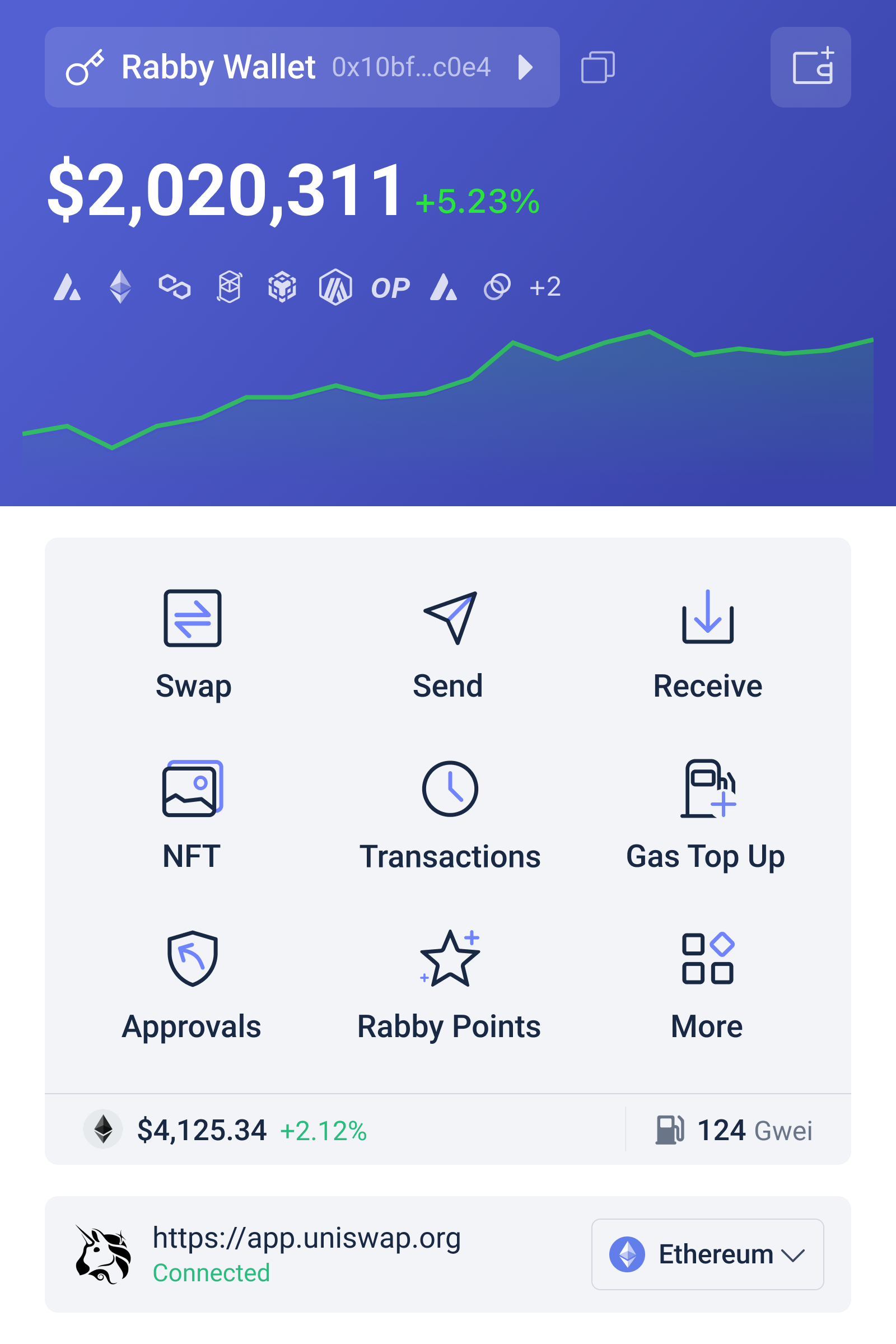
    Wallet interface illustrating how transaction details and DeFi contract interactions can be evaluated before signing

    Three approaches to connecting with DeFi protocols

    The simplest approach is a conventional browser wallet that exposes a dApp’s connection request and asks the user to approve signatures. This is convenient and often sufficient for familiar applications, especially when the user understands the network, contract, and asset involved. Its weakness is that convenience can compress a complicated transaction into a generic “confirm” action. The wallet may show a contract address and estimated gas, but those fields do not necessarily explain whether a user is granting spending authority, trading one asset for another, or interacting with a contract that has unexpected logic.

    A second approach is a transaction-aware wallet that adds simulation and contextual risk signals before signing. Simulation attempts to model the likely state changes: which tokens leave the wallet, which assets arrive, whether an approval is created, and whether the transaction is likely to fail. This changes the user’s task from reading raw calldata—a technical encoding of contract instructions—to reviewing an estimated outcome. Tools such as here can be useful in this layer because the wallet becomes an interpretation interface rather than merely a key-management tool.

    The third approach is a high-discipline setup: a separate signing device or hardware wallet for material balances, a smaller active wallet for experimentation, explicit approval management, and manual checks of domains and contract addresses. This offers stronger compartmentalization, but it also introduces friction. A hardware wallet can protect private keys from many malware scenarios while still allowing a user to approve a malicious transaction. Security improves only if the transaction details are understandable on the signing path and the user is willing to stop when the information is unclear.

    These approaches are not mutually exclusive. A user might use a transaction-aware browser wallet for routine DeFi activity, a hardware signer for long-term holdings, and a dedicated test wallet for new protocols. The best design depends on exposure. A small liquidity experiment and a six-figure treasury should not share the same assumptions, even if both use the same blockchain and dApp interface.

    Why simulation helps—and where it can mislead

    Transaction simulation is valuable because it addresses a fundamental asymmetry in DeFi: contracts are deterministic at execution, but the user interface may be ambiguous before execution. If a proposed transaction predicts that a wallet will lose a large amount of a token while receiving nothing meaningful, that is a powerful reason to stop. Likewise, a warning about an unlimited approval can reveal a risk that is easy to miss when a user is focused on a swap or yield opportunity.

    Yet simulation is not a guarantee. It is a forecast under particular assumptions about blockchain state, pricing, block timing, and contract behavior. A transaction may be simulated against one state and executed against another. Market prices can move, liquidity can change, and a contract can depend on information that evolves between signing and inclusion. Some protocols also use upgradeable contracts, external price feeds, callbacks, or complex routing logic that makes the economic outcome harder to summarize completely.

    The boundary condition is especially important for approvals. An approval is not the same as a transfer, but it can give a contract permission to transfer tokens later, subject to the allowance. Revoking unused approvals reduces one attack surface, yet it does not repair a compromised protocol, reverse a completed transaction, or protect a user who signs a new malicious approval. Approval hygiene is risk reduction, not risk elimination.

    There is a related distinction between wallet-level and protocol-level security. A wallet can identify suspicious patterns, flag a risky contract, and make the expected result clearer. It cannot prove that a lending market’s collateral model will remain solvent, that an oracle will remain accurate, or that a bridge’s validators will behave honestly. The wallet helps with authorization risk; it does not fully underwrite economic, governance, liquidity, or smart-contract risk.

    A practical framework for assessing a new dApp

    Before connecting, verify the domain through a trusted route rather than a search advertisement or unsolicited message. Check the intended network and confirm that the dApp’s purpose matches the action being requested. A site that claims to offer a token claim but requests permission to move unrelated assets deserves immediate suspicion.

    Before signing, classify the request. Is it a read-only connection, a message signature, an approval, a swap, a deposit, a withdrawal, or an administrative action? These categories carry different consequences. A message signature may not move funds immediately, but it can still be dangerous when used in phishing systems or off-chain authorization schemes. A token approval may appear routine while creating a future pathway for asset movement.

    Then compare the intended economic result with the simulated result. Look for the assets leaving the wallet, the assets arriving, the spender address, the approval amount, and any unexpected contract calls. If the result is unavailable, contradictory, or too vague to interpret, uncertainty itself is a risk signal. Do not treat a missing simulation as evidence that the transaction is harmless; it may simply mean the action is too complex or unsupported to model confidently.

    Finally, size the position according to the uncertainty that remains. A new protocol with limited history, unaudited code, concentrated liquidity, or upgradeable administration may warrant only an amount the user can afford to lose. This is not pessimism. It is a way to keep a single contract failure from becoming a total custody failure. Separating wallets can also reduce blast radius, although it cannot prevent mistakes if the same seed phrase, browser session, or signing habit links them operationally.

    What to watch as wallet integration evolves

    Recent project messaging dated August 24, 2026, emphasizes Rabby Wallet’s support for Ethereum and EVM chains, along with extension access through browsers such as Chrome and Brave. The meaningful development is less the number of supported networks than the challenge it creates: as users move across chains, the wallet must help them distinguish network context, contract identity, token representation, and transaction consequences. Multichain convenience can reduce friction, but it can also increase the chance of sending assets on the wrong network or trusting a familiar-looking dApp in an unfamiliar environment.

    A plausible next phase of wallet design is more useful transaction explanation, not simply more warnings. The strongest systems would help users compare intended action with predicted state change, identify unusual permissions, and make uncertainty visible. That remains conditional on reliable simulation infrastructure and clear protocol metadata. If those inputs are incomplete, a polished warning system could create false confidence—the dangerous belief that everything not flagged has been verified.

    The durable lesson is simple but easy to overlook: the wallet is part of the security boundary, not the whole boundary. Use simulation as a decision aid, approvals as permissions to review, and dApp integration as an ongoing trust relationship rather than a one-click event. The safest DeFi workflow is not the one with the fewest prompts. It is the one in which every important prompt can be understood before a key is used.

    Frequently asked questions

    Does transaction simulation make a DeFi transaction safe?

    No. It can reveal likely balance changes, approvals, and failures before signing, which improves decision quality. But it is based on assumptions about current blockchain state and contract behavior. It cannot guarantee future execution, protocol solvency, honest governance, or protection from every phishing and key-compromise scenario.

    Should I use one wallet for all DeFi activity?

    Using one wallet is convenient but increases concentration risk. A more resilient setup separates long-term holdings from experimental or frequent activity, potentially adding a hardware signer for higher-value assets. The right arrangement depends on the amount at risk, the user’s operational discipline, and how much complexity they can manage without introducing new mistakes.

    What is the most important detail to check before approving a dApp transaction?

    Check the expected state change: what leaves the wallet, what arrives, which contract receives permission, and whether the approval amount is appropriate. If those details do not match the action you intended, stop. A familiar interface or popular protocol name is not a substitute for verifying the actual transaction.

    DeFi dApp Integration Is Not a Connection Problem—It Is a Risk-Interpretation Problem

    A common misconception in decentralized finance is that a wallet is safe once it connects to the right website. In practice, the connection is only the beginning. A decentralized application, or dApp, can request a signature, create token approvals, route a swap through several contracts, or submit a transaction whose final economic effect is difficult to see from a short prompt. The important question is not simply, “Can this wallet connect?” It is, “Can the user understand what the connection and transaction will permit?”

    That distinction matters because DeFi risk sits at the boundary between software and judgment. Smart contracts may execute exactly as written, yet the user may misunderstand what was authorized. A wallet can improve visibility, simulation, and warning signals, but it cannot make an unaudited protocol trustworthy or eliminate every unfamiliar risk. For US-based users managing assets across Ethereum and other EVM-compatible networks, the practical comparison is therefore between different layers of control: basic browser-wallet integration, advanced transaction-aware wallets, and more deliberate operational setups that combine wallet safeguards with independent verification.

    Wallet interface illustrating how transaction details and DeFi contract interactions can be evaluated before signing

    Three approaches to connecting with DeFi protocols

    The simplest approach is a conventional browser wallet that exposes a dApp’s connection request and asks the user to approve signatures. This is convenient and often sufficient for familiar applications, especially when the user understands the network, contract, and asset involved. Its weakness is that convenience can compress a complicated transaction into a generic “confirm” action. The wallet may show a contract address and estimated gas, but those fields do not necessarily explain whether a user is granting spending authority, trading one asset for another, or interacting with a contract that has unexpected logic.

    A second approach is a transaction-aware wallet that adds simulation and contextual risk signals before signing. Simulation attempts to model the likely state changes: which tokens leave the wallet, which assets arrive, whether an approval is created, and whether the transaction is likely to fail. This changes the user’s task from reading raw calldata—a technical encoding of contract instructions—to reviewing an estimated outcome. Tools such as here can be useful in this layer because the wallet becomes an interpretation interface rather than merely a key-management tool.

    The third approach is a high-discipline setup: a separate signing device or hardware wallet for material balances, a smaller active wallet for experimentation, explicit approval management, and manual checks of domains and contract addresses. This offers stronger compartmentalization, but it also introduces friction. A hardware wallet can protect private keys from many malware scenarios while still allowing a user to approve a malicious transaction. Security improves only if the transaction details are understandable on the signing path and the user is willing to stop when the information is unclear.

    These approaches are not mutually exclusive. A user might use a transaction-aware browser wallet for routine DeFi activity, a hardware signer for long-term holdings, and a dedicated test wallet for new protocols. The best design depends on exposure. A small liquidity experiment and a six-figure treasury should not share the same assumptions, even if both use the same blockchain and dApp interface.

    Why simulation helps—and where it can mislead

    Transaction simulation is valuable because it addresses a fundamental asymmetry in DeFi: contracts are deterministic at execution, but the user interface may be ambiguous before execution. If a proposed transaction predicts that a wallet will lose a large amount of a token while receiving nothing meaningful, that is a powerful reason to stop. Likewise, a warning about an unlimited approval can reveal a risk that is easy to miss when a user is focused on a swap or yield opportunity.

    Yet simulation is not a guarantee. It is a forecast under particular assumptions about blockchain state, pricing, block timing, and contract behavior. A transaction may be simulated against one state and executed against another. Market prices can move, liquidity can change, and a contract can depend on information that evolves between signing and inclusion. Some protocols also use upgradeable contracts, external price feeds, callbacks, or complex routing logic that makes the economic outcome harder to summarize completely.

    The boundary condition is especially important for approvals. An approval is not the same as a transfer, but it can give a contract permission to transfer tokens later, subject to the allowance. Revoking unused approvals reduces one attack surface, yet it does not repair a compromised protocol, reverse a completed transaction, or protect a user who signs a new malicious approval. Approval hygiene is risk reduction, not risk elimination.

    There is a related distinction between wallet-level and protocol-level security. A wallet can identify suspicious patterns, flag a risky contract, and make the expected result clearer. It cannot prove that a lending market’s collateral model will remain solvent, that an oracle will remain accurate, or that a bridge’s validators will behave honestly. The wallet helps with authorization risk; it does not fully underwrite economic, governance, liquidity, or smart-contract risk.

    A practical framework for assessing a new dApp

    Before connecting, verify the domain through a trusted route rather than a search advertisement or unsolicited message. Check the intended network and confirm that the dApp’s purpose matches the action being requested. A site that claims to offer a token claim but requests permission to move unrelated assets deserves immediate suspicion.

    Before signing, classify the request. Is it a read-only connection, a message signature, an approval, a swap, a deposit, a withdrawal, or an administrative action? These categories carry different consequences. A message signature may not move funds immediately, but it can still be dangerous when used in phishing systems or off-chain authorization schemes. A token approval may appear routine while creating a future pathway for asset movement.

    Then compare the intended economic result with the simulated result. Look for the assets leaving the wallet, the assets arriving, the spender address, the approval amount, and any unexpected contract calls. If the result is unavailable, contradictory, or too vague to interpret, uncertainty itself is a risk signal. Do not treat a missing simulation as evidence that the transaction is harmless; it may simply mean the action is too complex or unsupported to model confidently.

    Finally, size the position according to the uncertainty that remains. A new protocol with limited history, unaudited code, concentrated liquidity, or upgradeable administration may warrant only an amount the user can afford to lose. This is not pessimism. It is a way to keep a single contract failure from becoming a total custody failure. Separating wallets can also reduce blast radius, although it cannot prevent mistakes if the same seed phrase, browser session, or signing habit links them operationally.

    What to watch as wallet integration evolves

    Recent project messaging dated August 24, 2026, emphasizes Rabby Wallet’s support for Ethereum and EVM chains, along with extension access through browsers such as Chrome and Brave. The meaningful development is less the number of supported networks than the challenge it creates: as users move across chains, the wallet must help them distinguish network context, contract identity, token representation, and transaction consequences. Multichain convenience can reduce friction, but it can also increase the chance of sending assets on the wrong network or trusting a familiar-looking dApp in an unfamiliar environment.

    A plausible next phase of wallet design is more useful transaction explanation, not simply more warnings. The strongest systems would help users compare intended action with predicted state change, identify unusual permissions, and make uncertainty visible. That remains conditional on reliable simulation infrastructure and clear protocol metadata. If those inputs are incomplete, a polished warning system could create false confidence—the dangerous belief that everything not flagged has been verified.

    The durable lesson is simple but easy to overlook: the wallet is part of the security boundary, not the whole boundary. Use simulation as a decision aid, approvals as permissions to review, and dApp integration as an ongoing trust relationship rather than a one-click event. The safest DeFi workflow is not the one with the fewest prompts. It is the one in which every important prompt can be understood before a key is used.

    Frequently asked questions

    Does transaction simulation make a DeFi transaction safe?

    No. It can reveal likely balance changes, approvals, and failures before signing, which improves decision quality. But it is based on assumptions about current blockchain state and contract behavior. It cannot guarantee future execution, protocol solvency, honest governance, or protection from every phishing and key-compromise scenario.

    Should I use one wallet for all DeFi activity?

    Using one wallet is convenient but increases concentration risk. A more resilient setup separates long-term holdings from experimental or frequent activity, potentially adding a hardware signer for higher-value assets. The right arrangement depends on the amount at risk, the user’s operational discipline, and how much complexity they can manage without introducing new mistakes.

    What is the most important detail to check before approving a dApp transaction?

    Check the expected state change: what leaves the wallet, what arrives, which contract receives permission, and whether the approval amount is appropriate. If those details do not match the action you intended, stop. A familiar interface or popular protocol name is not a substitute for verifying the actual transaction.

    DeFi dApp Integration Is Not a Connection Problem—It Is a Risk-Interpretation Problem

    A common misconception in decentralized finance is that a wallet is safe once it connects to the right website. In practice, the connection is only the beginning. A decentralized application, or dApp, can request a signature, create token approvals, route a swap through several contracts, or submit a transaction whose final economic effect is difficult to see from a short prompt. The important question is not simply, “Can this wallet connect?” It is, “Can the user understand what the connection and transaction will permit?”

    That distinction matters because DeFi risk sits at the boundary between software and judgment. Smart contracts may execute exactly as written, yet the user may misunderstand what was authorized. A wallet can improve visibility, simulation, and warning signals, but it cannot make an unaudited protocol trustworthy or eliminate every unfamiliar risk. For US-based users managing assets across Ethereum and other EVM-compatible networks, the practical comparison is therefore between different layers of control: basic browser-wallet integration, advanced transaction-aware wallets, and more deliberate operational setups that combine wallet safeguards with independent verification.

    Wallet interface illustrating how transaction details and DeFi contract interactions can be evaluated before signing

    Three approaches to connecting with DeFi protocols

    The simplest approach is a conventional browser wallet that exposes a dApp’s connection request and asks the user to approve signatures. This is convenient and often sufficient for familiar applications, especially when the user understands the network, contract, and asset involved. Its weakness is that convenience can compress a complicated transaction into a generic “confirm” action. The wallet may show a contract address and estimated gas, but those fields do not necessarily explain whether a user is granting spending authority, trading one asset for another, or interacting with a contract that has unexpected logic.

    A second approach is a transaction-aware wallet that adds simulation and contextual risk signals before signing. Simulation attempts to model the likely state changes: which tokens leave the wallet, which assets arrive, whether an approval is created, and whether the transaction is likely to fail. This changes the user’s task from reading raw calldata—a technical encoding of contract instructions—to reviewing an estimated outcome. Tools such as here can be useful in this layer because the wallet becomes an interpretation interface rather than merely a key-management tool.

    The third approach is a high-discipline setup: a separate signing device or hardware wallet for material balances, a smaller active wallet for experimentation, explicit approval management, and manual checks of domains and contract addresses. This offers stronger compartmentalization, but it also introduces friction. A hardware wallet can protect private keys from many malware scenarios while still allowing a user to approve a malicious transaction. Security improves only if the transaction details are understandable on the signing path and the user is willing to stop when the information is unclear.

    These approaches are not mutually exclusive. A user might use a transaction-aware browser wallet for routine DeFi activity, a hardware signer for long-term holdings, and a dedicated test wallet for new protocols. The best design depends on exposure. A small liquidity experiment and a six-figure treasury should not share the same assumptions, even if both use the same blockchain and dApp interface.

    Why simulation helps—and where it can mislead

    Transaction simulation is valuable because it addresses a fundamental asymmetry in DeFi: contracts are deterministic at execution, but the user interface may be ambiguous before execution. If a proposed transaction predicts that a wallet will lose a large amount of a token while receiving nothing meaningful, that is a powerful reason to stop. Likewise, a warning about an unlimited approval can reveal a risk that is easy to miss when a user is focused on a swap or yield opportunity.

    Yet simulation is not a guarantee. It is a forecast under particular assumptions about blockchain state, pricing, block timing, and contract behavior. A transaction may be simulated against one state and executed against another. Market prices can move, liquidity can change, and a contract can depend on information that evolves between signing and inclusion. Some protocols also use upgradeable contracts, external price feeds, callbacks, or complex routing logic that makes the economic outcome harder to summarize completely.

    The boundary condition is especially important for approvals. An approval is not the same as a transfer, but it can give a contract permission to transfer tokens later, subject to the allowance. Revoking unused approvals reduces one attack surface, yet it does not repair a compromised protocol, reverse a completed transaction, or protect a user who signs a new malicious approval. Approval hygiene is risk reduction, not risk elimination.

    There is a related distinction between wallet-level and protocol-level security. A wallet can identify suspicious patterns, flag a risky contract, and make the expected result clearer. It cannot prove that a lending market’s collateral model will remain solvent, that an oracle will remain accurate, or that a bridge’s validators will behave honestly. The wallet helps with authorization risk; it does not fully underwrite economic, governance, liquidity, or smart-contract risk.

    A practical framework for assessing a new dApp

    Before connecting, verify the domain through a trusted route rather than a search advertisement or unsolicited message. Check the intended network and confirm that the dApp’s purpose matches the action being requested. A site that claims to offer a token claim but requests permission to move unrelated assets deserves immediate suspicion.

    Before signing, classify the request. Is it a read-only connection, a message signature, an approval, a swap, a deposit, a withdrawal, or an administrative action? These categories carry different consequences. A message signature may not move funds immediately, but it can still be dangerous when used in phishing systems or off-chain authorization schemes. A token approval may appear routine while creating a future pathway for asset movement.

    Then compare the intended economic result with the simulated result. Look for the assets leaving the wallet, the assets arriving, the spender address, the approval amount, and any unexpected contract calls. If the result is unavailable, contradictory, or too vague to interpret, uncertainty itself is a risk signal. Do not treat a missing simulation as evidence that the transaction is harmless; it may simply mean the action is too complex or unsupported to model confidently.

    Finally, size the position according to the uncertainty that remains. A new protocol with limited history, unaudited code, concentrated liquidity, or upgradeable administration may warrant only an amount the user can afford to lose. This is not pessimism. It is a way to keep a single contract failure from becoming a total custody failure. Separating wallets can also reduce blast radius, although it cannot prevent mistakes if the same seed phrase, browser session, or signing habit links them operationally.

    What to watch as wallet integration evolves

    Recent project messaging dated August 24, 2026, emphasizes Rabby Wallet’s support for Ethereum and EVM chains, along with extension access through browsers such as Chrome and Brave. The meaningful development is less the number of supported networks than the challenge it creates: as users move across chains, the wallet must help them distinguish network context, contract identity, token representation, and transaction consequences. Multichain convenience can reduce friction, but it can also increase the chance of sending assets on the wrong network or trusting a familiar-looking dApp in an unfamiliar environment.

    A plausible next phase of wallet design is more useful transaction explanation, not simply more warnings. The strongest systems would help users compare intended action with predicted state change, identify unusual permissions, and make uncertainty visible. That remains conditional on reliable simulation infrastructure and clear protocol metadata. If those inputs are incomplete, a polished warning system could create false confidence—the dangerous belief that everything not flagged has been verified.

    The durable lesson is simple but easy to overlook: the wallet is part of the security boundary, not the whole boundary. Use simulation as a decision aid, approvals as permissions to review, and dApp integration as an ongoing trust relationship rather than a one-click event. The safest DeFi workflow is not the one with the fewest prompts. It is the one in which every important prompt can be understood before a key is used.

    Frequently asked questions

    Does transaction simulation make a DeFi transaction safe?

    No. It can reveal likely balance changes, approvals, and failures before signing, which improves decision quality. But it is based on assumptions about current blockchain state and contract behavior. It cannot guarantee future execution, protocol solvency, honest governance, or protection from every phishing and key-compromise scenario.

    Should I use one wallet for all DeFi activity?

    Using one wallet is convenient but increases concentration risk. A more resilient setup separates long-term holdings from experimental or frequent activity, potentially adding a hardware signer for higher-value assets. The right arrangement depends on the amount at risk, the user’s operational discipline, and how much complexity they can manage without introducing new mistakes.

    What is the most important detail to check before approving a dApp transaction?

    Check the expected state change: what leaves the wallet, what arrives, which contract receives permission, and whether the approval amount is appropriate. If those details do not match the action you intended, stop. A familiar interface or popular protocol name is not a substitute for verifying the actual transaction.

    DeFi dApp Integration Is Not a Connection Problem—It Is a Risk-Interpretation Problem

    A common misconception in decentralized finance is that a wallet is safe once it connects to the right website. In practice, the connection is only the beginning. A decentralized application, or dApp, can request a signature, create token approvals, route a swap through several contracts, or submit a transaction whose final economic effect is difficult to see from a short prompt. The important question is not simply, “Can this wallet connect?” It is, “Can the user understand what the connection and transaction will permit?”

    That distinction matters because DeFi risk sits at the boundary between software and judgment. Smart contracts may execute exactly as written, yet the user may misunderstand what was authorized. A wallet can improve visibility, simulation, and warning signals, but it cannot make an unaudited protocol trustworthy or eliminate every unfamiliar risk. For US-based users managing assets across Ethereum and other EVM-compatible networks, the practical comparison is therefore between different layers of control: basic browser-wallet integration, advanced transaction-aware wallets, and more deliberate operational setups that combine wallet safeguards with independent verification.

    Wallet interface illustrating how transaction details and DeFi contract interactions can be evaluated before signing

    Three approaches to connecting with DeFi protocols

    The simplest approach is a conventional browser wallet that exposes a dApp’s connection request and asks the user to approve signatures. This is convenient and often sufficient for familiar applications, especially when the user understands the network, contract, and asset involved. Its weakness is that convenience can compress a complicated transaction into a generic “confirm” action. The wallet may show a contract address and estimated gas, but those fields do not necessarily explain whether a user is granting spending authority, trading one asset for another, or interacting with a contract that has unexpected logic.

    A second approach is a transaction-aware wallet that adds simulation and contextual risk signals before signing. Simulation attempts to model the likely state changes: which tokens leave the wallet, which assets arrive, whether an approval is created, and whether the transaction is likely to fail. This changes the user’s task from reading raw calldata—a technical encoding of contract instructions—to reviewing an estimated outcome. Tools such as here can be useful in this layer because the wallet becomes an interpretation interface rather than merely a key-management tool.

    The third approach is a high-discipline setup: a separate signing device or hardware wallet for material balances, a smaller active wallet for experimentation, explicit approval management, and manual checks of domains and contract addresses. This offers stronger compartmentalization, but it also introduces friction. A hardware wallet can protect private keys from many malware scenarios while still allowing a user to approve a malicious transaction. Security improves only if the transaction details are understandable on the signing path and the user is willing to stop when the information is unclear.

    These approaches are not mutually exclusive. A user might use a transaction-aware browser wallet for routine DeFi activity, a hardware signer for long-term holdings, and a dedicated test wallet for new protocols. The best design depends on exposure. A small liquidity experiment and a six-figure treasury should not share the same assumptions, even if both use the same blockchain and dApp interface.

    Why simulation helps—and where it can mislead

    Transaction simulation is valuable because it addresses a fundamental asymmetry in DeFi: contracts are deterministic at execution, but the user interface may be ambiguous before execution. If a proposed transaction predicts that a wallet will lose a large amount of a token while receiving nothing meaningful, that is a powerful reason to stop. Likewise, a warning about an unlimited approval can reveal a risk that is easy to miss when a user is focused on a swap or yield opportunity.

    Yet simulation is not a guarantee. It is a forecast under particular assumptions about blockchain state, pricing, block timing, and contract behavior. A transaction may be simulated against one state and executed against another. Market prices can move, liquidity can change, and a contract can depend on information that evolves between signing and inclusion. Some protocols also use upgradeable contracts, external price feeds, callbacks, or complex routing logic that makes the economic outcome harder to summarize completely.

    The boundary condition is especially important for approvals. An approval is not the same as a transfer, but it can give a contract permission to transfer tokens later, subject to the allowance. Revoking unused approvals reduces one attack surface, yet it does not repair a compromised protocol, reverse a completed transaction, or protect a user who signs a new malicious approval. Approval hygiene is risk reduction, not risk elimination.

    There is a related distinction between wallet-level and protocol-level security. A wallet can identify suspicious patterns, flag a risky contract, and make the expected result clearer. It cannot prove that a lending market’s collateral model will remain solvent, that an oracle will remain accurate, or that a bridge’s validators will behave honestly. The wallet helps with authorization risk; it does not fully underwrite economic, governance, liquidity, or smart-contract risk.

    A practical framework for assessing a new dApp

    Before connecting, verify the domain through a trusted route rather than a search advertisement or unsolicited message. Check the intended network and confirm that the dApp’s purpose matches the action being requested. A site that claims to offer a token claim but requests permission to move unrelated assets deserves immediate suspicion.

    Before signing, classify the request. Is it a read-only connection, a message signature, an approval, a swap, a deposit, a withdrawal, or an administrative action? These categories carry different consequences. A message signature may not move funds immediately, but it can still be dangerous when used in phishing systems or off-chain authorization schemes. A token approval may appear routine while creating a future pathway for asset movement.

    Then compare the intended economic result with the simulated result. Look for the assets leaving the wallet, the assets arriving, the spender address, the approval amount, and any unexpected contract calls. If the result is unavailable, contradictory, or too vague to interpret, uncertainty itself is a risk signal. Do not treat a missing simulation as evidence that the transaction is harmless; it may simply mean the action is too complex or unsupported to model confidently.

    Finally, size the position according to the uncertainty that remains. A new protocol with limited history, unaudited code, concentrated liquidity, or upgradeable administration may warrant only an amount the user can afford to lose. This is not pessimism. It is a way to keep a single contract failure from becoming a total custody failure. Separating wallets can also reduce blast radius, although it cannot prevent mistakes if the same seed phrase, browser session, or signing habit links them operationally.

    What to watch as wallet integration evolves

    Recent project messaging dated August 24, 2026, emphasizes Rabby Wallet’s support for Ethereum and EVM chains, along with extension access through browsers such as Chrome and Brave. The meaningful development is less the number of supported networks than the challenge it creates: as users move across chains, the wallet must help them distinguish network context, contract identity, token representation, and transaction consequences. Multichain convenience can reduce friction, but it can also increase the chance of sending assets on the wrong network or trusting a familiar-looking dApp in an unfamiliar environment.

    A plausible next phase of wallet design is more useful transaction explanation, not simply more warnings. The strongest systems would help users compare intended action with predicted state change, identify unusual permissions, and make uncertainty visible. That remains conditional on reliable simulation infrastructure and clear protocol metadata. If those inputs are incomplete, a polished warning system could create false confidence—the dangerous belief that everything not flagged has been verified.

    The durable lesson is simple but easy to overlook: the wallet is part of the security boundary, not the whole boundary. Use simulation as a decision aid, approvals as permissions to review, and dApp integration as an ongoing trust relationship rather than a one-click event. The safest DeFi workflow is not the one with the fewest prompts. It is the one in which every important prompt can be understood before a key is used.

    Frequently asked questions

    Does transaction simulation make a DeFi transaction safe?

    No. It can reveal likely balance changes, approvals, and failures before signing, which improves decision quality. But it is based on assumptions about current blockchain state and contract behavior. It cannot guarantee future execution, protocol solvency, honest governance, or protection from every phishing and key-compromise scenario.

    Should I use one wallet for all DeFi activity?

    Using one wallet is convenient but increases concentration risk. A more resilient setup separates long-term holdings from experimental or frequent activity, potentially adding a hardware signer for higher-value assets. The right arrangement depends on the amount at risk, the user’s operational discipline, and how much complexity they can manage without introducing new mistakes.

    What is the most important detail to check before approving a dApp transaction?

    Check the expected state change: what leaves the wallet, what arrives, which contract receives permission, and whether the approval amount is appropriate. If those details do not match the action you intended, stop. A familiar interface or popular protocol name is not a substitute for verifying the actual transaction.

    DeFi dApp Integration Is Not a Connection Problem—It Is a Risk-Interpretation Problem

    A common misconception in decentralized finance is that a wallet is safe once it connects to the right website. In practice, the connection is only the beginning. A decentralized application, or dApp, can request a signature, create token approvals, route a swap through several contracts, or submit a transaction whose final economic effect is difficult to see from a short prompt. The important question is not simply, “Can this wallet connect?” It is, “Can the user understand what the connection and transaction will permit?”

    That distinction matters because DeFi risk sits at the boundary between software and judgment. Smart contracts may execute exactly as written, yet the user may misunderstand what was authorized. A wallet can improve visibility, simulation, and warning signals, but it cannot make an unaudited protocol trustworthy or eliminate every unfamiliar risk. For US-based users managing assets across Ethereum and other EVM-compatible networks, the practical comparison is therefore between different layers of control: basic browser-wallet integration, advanced transaction-aware wallets, and more deliberate operational setups that combine wallet safeguards with independent verification.

    Wallet interface illustrating how transaction details and DeFi contract interactions can be evaluated before signing

    Three approaches to connecting with DeFi protocols

    The simplest approach is a conventional browser wallet that exposes a dApp’s connection request and asks the user to approve signatures. This is convenient and often sufficient for familiar applications, especially when the user understands the network, contract, and asset involved. Its weakness is that convenience can compress a complicated transaction into a generic “confirm” action. The wallet may show a contract address and estimated gas, but those fields do not necessarily explain whether a user is granting spending authority, trading one asset for another, or interacting with a contract that has unexpected logic.

    A second approach is a transaction-aware wallet that adds simulation and contextual risk signals before signing. Simulation attempts to model the likely state changes: which tokens leave the wallet, which assets arrive, whether an approval is created, and whether the transaction is likely to fail. This changes the user’s task from reading raw calldata—a technical encoding of contract instructions—to reviewing an estimated outcome. Tools such as here can be useful in this layer because the wallet becomes an interpretation interface rather than merely a key-management tool.

    The third approach is a high-discipline setup: a separate signing device or hardware wallet for material balances, a smaller active wallet for experimentation, explicit approval management, and manual checks of domains and contract addresses. This offers stronger compartmentalization, but it also introduces friction. A hardware wallet can protect private keys from many malware scenarios while still allowing a user to approve a malicious transaction. Security improves only if the transaction details are understandable on the signing path and the user is willing to stop when the information is unclear.

    These approaches are not mutually exclusive. A user might use a transaction-aware browser wallet for routine DeFi activity, a hardware signer for long-term holdings, and a dedicated test wallet for new protocols. The best design depends on exposure. A small liquidity experiment and a six-figure treasury should not share the same assumptions, even if both use the same blockchain and dApp interface.

    Why simulation helps—and where it can mislead

    Transaction simulation is valuable because it addresses a fundamental asymmetry in DeFi: contracts are deterministic at execution, but the user interface may be ambiguous before execution. If a proposed transaction predicts that a wallet will lose a large amount of a token while receiving nothing meaningful, that is a powerful reason to stop. Likewise, a warning about an unlimited approval can reveal a risk that is easy to miss when a user is focused on a swap or yield opportunity.

    Yet simulation is not a guarantee. It is a forecast under particular assumptions about blockchain state, pricing, block timing, and contract behavior. A transaction may be simulated against one state and executed against another. Market prices can move, liquidity can change, and a contract can depend on information that evolves between signing and inclusion. Some protocols also use upgradeable contracts, external price feeds, callbacks, or complex routing logic that makes the economic outcome harder to summarize completely.

    The boundary condition is especially important for approvals. An approval is not the same as a transfer, but it can give a contract permission to transfer tokens later, subject to the allowance. Revoking unused approvals reduces one attack surface, yet it does not repair a compromised protocol, reverse a completed transaction, or protect a user who signs a new malicious approval. Approval hygiene is risk reduction, not risk elimination.

    There is a related distinction between wallet-level and protocol-level security. A wallet can identify suspicious patterns, flag a risky contract, and make the expected result clearer. It cannot prove that a lending market’s collateral model will remain solvent, that an oracle will remain accurate, or that a bridge’s validators will behave honestly. The wallet helps with authorization risk; it does not fully underwrite economic, governance, liquidity, or smart-contract risk.

    A practical framework for assessing a new dApp

    Before connecting, verify the domain through a trusted route rather than a search advertisement or unsolicited message. Check the intended network and confirm that the dApp’s purpose matches the action being requested. A site that claims to offer a token claim but requests permission to move unrelated assets deserves immediate suspicion.

    Before signing, classify the request. Is it a read-only connection, a message signature, an approval, a swap, a deposit, a withdrawal, or an administrative action? These categories carry different consequences. A message signature may not move funds immediately, but it can still be dangerous when used in phishing systems or off-chain authorization schemes. A token approval may appear routine while creating a future pathway for asset movement.

    Then compare the intended economic result with the simulated result. Look for the assets leaving the wallet, the assets arriving, the spender address, the approval amount, and any unexpected contract calls. If the result is unavailable, contradictory, or too vague to interpret, uncertainty itself is a risk signal. Do not treat a missing simulation as evidence that the transaction is harmless; it may simply mean the action is too complex or unsupported to model confidently.

    Finally, size the position according to the uncertainty that remains. A new protocol with limited history, unaudited code, concentrated liquidity, or upgradeable administration may warrant only an amount the user can afford to lose. This is not pessimism. It is a way to keep a single contract failure from becoming a total custody failure. Separating wallets can also reduce blast radius, although it cannot prevent mistakes if the same seed phrase, browser session, or signing habit links them operationally.

    What to watch as wallet integration evolves

    Recent project messaging dated August 24, 2026, emphasizes Rabby Wallet’s support for Ethereum and EVM chains, along with extension access through browsers such as Chrome and Brave. The meaningful development is less the number of supported networks than the challenge it creates: as users move across chains, the wallet must help them distinguish network context, contract identity, token representation, and transaction consequences. Multichain convenience can reduce friction, but it can also increase the chance of sending assets on the wrong network or trusting a familiar-looking dApp in an unfamiliar environment.

    A plausible next phase of wallet design is more useful transaction explanation, not simply more warnings. The strongest systems would help users compare intended action with predicted state change, identify unusual permissions, and make uncertainty visible. That remains conditional on reliable simulation infrastructure and clear protocol metadata. If those inputs are incomplete, a polished warning system could create false confidence—the dangerous belief that everything not flagged has been verified.

    The durable lesson is simple but easy to overlook: the wallet is part of the security boundary, not the whole boundary. Use simulation as a decision aid, approvals as permissions to review, and dApp integration as an ongoing trust relationship rather than a one-click event. The safest DeFi workflow is not the one with the fewest prompts. It is the one in which every important prompt can be understood before a key is used.

    Frequently asked questions

    Does transaction simulation make a DeFi transaction safe?

    No. It can reveal likely balance changes, approvals, and failures before signing, which improves decision quality. But it is based on assumptions about current blockchain state and contract behavior. It cannot guarantee future execution, protocol solvency, honest governance, or protection from every phishing and key-compromise scenario.

    Should I use one wallet for all DeFi activity?

    Using one wallet is convenient but increases concentration risk. A more resilient setup separates long-term holdings from experimental or frequent activity, potentially adding a hardware signer for higher-value assets. The right arrangement depends on the amount at risk, the user’s operational discipline, and how much complexity they can manage without introducing new mistakes.

    What is the most important detail to check before approving a dApp transaction?

    Check the expected state change: what leaves the wallet, what arrives, which contract receives permission, and whether the approval amount is appropriate. If those details do not match the action you intended, stop. A familiar interface or popular protocol name is not a substitute for verifying the actual transaction.