DeFi dApp Integration Is Not a Connection Problem—It Is a Risk-Interpretation Problem

A common misconception in decentralized finance is that a wallet is safe once it connects to the right website. In practice, the connection is only the beginning. A decentralized application, or dApp, can request a signature, create token approvals, route a swap through several contracts, or submit a transaction whose final economic effect is difficult to see from a short prompt. The important question is not simply, “Can this wallet connect?” It is, “Can the user understand what the connection and transaction will permit?”

That distinction matters because DeFi risk sits at the boundary between software and judgment. Smart contracts may execute exactly as written, yet the user may misunderstand what was authorized. A wallet can improve visibility, simulation, and warning signals, but it cannot make an unaudited protocol trustworthy or eliminate every unfamiliar risk. For US-based users managing assets across Ethereum and other EVM-compatible networks, the practical comparison is therefore between different layers of control: basic browser-wallet integration, advanced transaction-aware wallets, and more deliberate operational setups that combine wallet safeguards with independent verification.
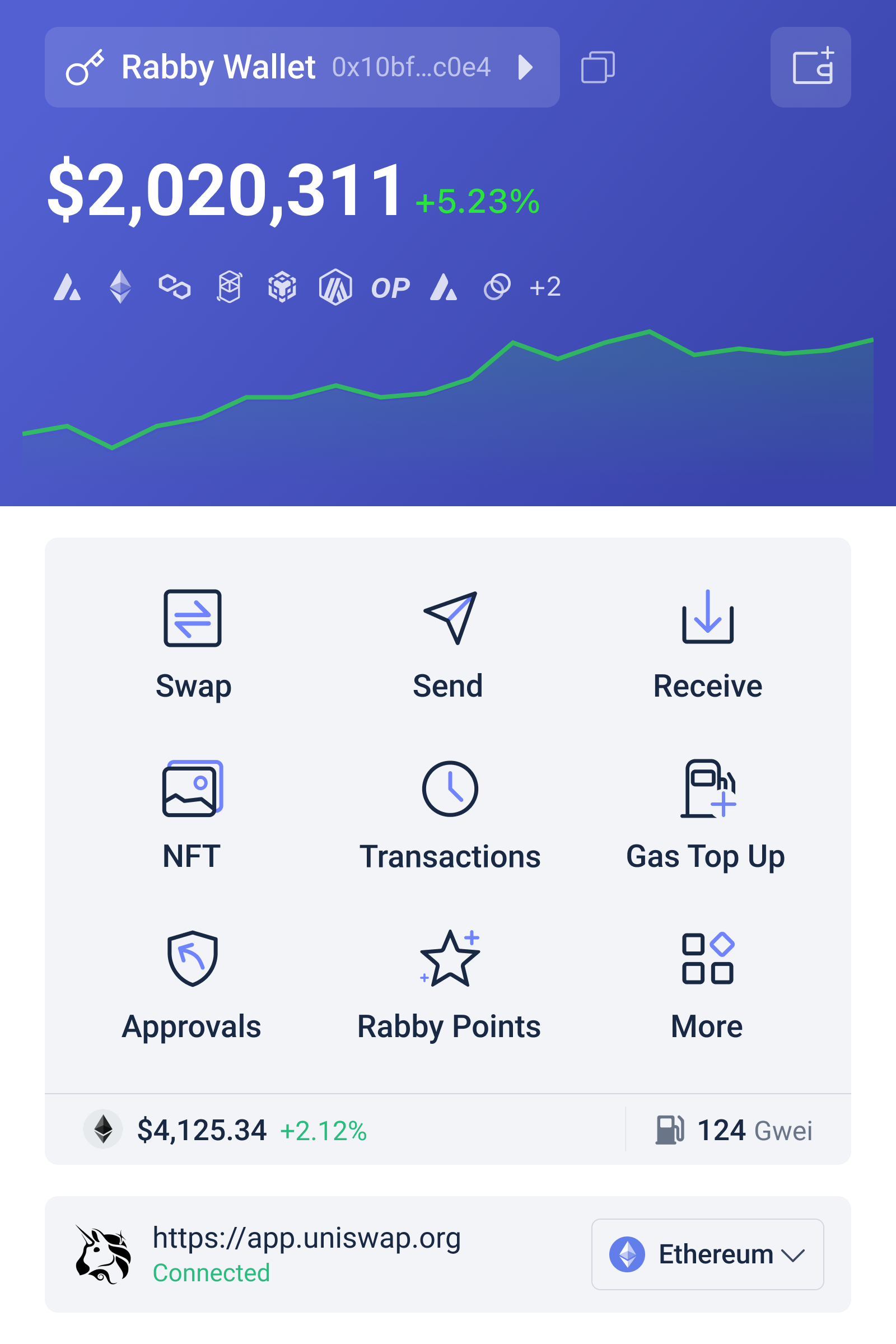
Wallet interface illustrating how transaction details and DeFi contract interactions can be evaluated before signing

Three approaches to connecting with DeFi protocols

The simplest approach is a conventional browser wallet that exposes a dApp’s connection request and asks the user to approve signatures. This is convenient and often sufficient for familiar applications, especially when the user understands the network, contract, and asset involved. Its weakness is that convenience can compress a complicated transaction into a generic “confirm” action. The wallet may show a contract address and estimated gas, but those fields do not necessarily explain whether a user is granting spending authority, trading one asset for another, or interacting with a contract that has unexpected logic.

A second approach is a transaction-aware wallet that adds simulation and contextual risk signals before signing. Simulation attempts to model the likely state changes: which tokens leave the wallet, which assets arrive, whether an approval is created, and whether the transaction is likely to fail. This changes the user’s task from reading raw calldata—a technical encoding of contract instructions—to reviewing an estimated outcome. Tools such as here can be useful in this layer because the wallet becomes an interpretation interface rather than merely a key-management tool.

The third approach is a high-discipline setup: a separate signing device or hardware wallet for material balances, a smaller active wallet for experimentation, explicit approval management, and manual checks of domains and contract addresses. This offers stronger compartmentalization, but it also introduces friction. A hardware wallet can protect private keys from many malware scenarios while still allowing a user to approve a malicious transaction. Security improves only if the transaction details are understandable on the signing path and the user is willing to stop when the information is unclear.

These approaches are not mutually exclusive. A user might use a transaction-aware browser wallet for routine DeFi activity, a hardware signer for long-term holdings, and a dedicated test wallet for new protocols. The best design depends on exposure. A small liquidity experiment and a six-figure treasury should not share the same assumptions, even if both use the same blockchain and dApp interface.

Why simulation helps—and where it can mislead

Transaction simulation is valuable because it addresses a fundamental asymmetry in DeFi: contracts are deterministic at execution, but the user interface may be ambiguous before execution. If a proposed transaction predicts that a wallet will lose a large amount of a token while receiving nothing meaningful, that is a powerful reason to stop. Likewise, a warning about an unlimited approval can reveal a risk that is easy to miss when a user is focused on a swap or yield opportunity.

Yet simulation is not a guarantee. It is a forecast under particular assumptions about blockchain state, pricing, block timing, and contract behavior. A transaction may be simulated against one state and executed against another. Market prices can move, liquidity can change, and a contract can depend on information that evolves between signing and inclusion. Some protocols also use upgradeable contracts, external price feeds, callbacks, or complex routing logic that makes the economic outcome harder to summarize completely.

The boundary condition is especially important for approvals. An approval is not the same as a transfer, but it can give a contract permission to transfer tokens later, subject to the allowance. Revoking unused approvals reduces one attack surface, yet it does not repair a compromised protocol, reverse a completed transaction, or protect a user who signs a new malicious approval. Approval hygiene is risk reduction, not risk elimination.

There is a related distinction between wallet-level and protocol-level security. A wallet can identify suspicious patterns, flag a risky contract, and make the expected result clearer. It cannot prove that a lending market’s collateral model will remain solvent, that an oracle will remain accurate, or that a bridge’s validators will behave honestly. The wallet helps with authorization risk; it does not fully underwrite economic, governance, liquidity, or smart-contract risk.

A practical framework for assessing a new dApp

Before connecting, verify the domain through a trusted route rather than a search advertisement or unsolicited message. Check the intended network and confirm that the dApp’s purpose matches the action being requested. A site that claims to offer a token claim but requests permission to move unrelated assets deserves immediate suspicion.

Before signing, classify the request. Is it a read-only connection, a message signature, an approval, a swap, a deposit, a withdrawal, or an administrative action? These categories carry different consequences. A message signature may not move funds immediately, but it can still be dangerous when used in phishing systems or off-chain authorization schemes. A token approval may appear routine while creating a future pathway for asset movement.

Then compare the intended economic result with the simulated result. Look for the assets leaving the wallet, the assets arriving, the spender address, the approval amount, and any unexpected contract calls. If the result is unavailable, contradictory, or too vague to interpret, uncertainty itself is a risk signal. Do not treat a missing simulation as evidence that the transaction is harmless; it may simply mean the action is too complex or unsupported to model confidently.

Finally, size the position according to the uncertainty that remains. A new protocol with limited history, unaudited code, concentrated liquidity, or upgradeable administration may warrant only an amount the user can afford to lose. This is not pessimism. It is a way to keep a single contract failure from becoming a total custody failure. Separating wallets can also reduce blast radius, although it cannot prevent mistakes if the same seed phrase, browser session, or signing habit links them operationally.

What to watch as wallet integration evolves

Recent project messaging dated August 24, 2026, emphasizes Rabby Wallet’s support for Ethereum and EVM chains, along with extension access through browsers such as Chrome and Brave. The meaningful development is less the number of supported networks than the challenge it creates: as users move across chains, the wallet must help them distinguish network context, contract identity, token representation, and transaction consequences. Multichain convenience can reduce friction, but it can also increase the chance of sending assets on the wrong network or trusting a familiar-looking dApp in an unfamiliar environment.

A plausible next phase of wallet design is more useful transaction explanation, not simply more warnings. The strongest systems would help users compare intended action with predicted state change, identify unusual permissions, and make uncertainty visible. That remains conditional on reliable simulation infrastructure and clear protocol metadata. If those inputs are incomplete, a polished warning system could create false confidence—the dangerous belief that everything not flagged has been verified.

The durable lesson is simple but easy to overlook: the wallet is part of the security boundary, not the whole boundary. Use simulation as a decision aid, approvals as permissions to review, and dApp integration as an ongoing trust relationship rather than a one-click event. The safest DeFi workflow is not the one with the fewest prompts. It is the one in which every important prompt can be understood before a key is used.

Frequently asked questions

Does transaction simulation make a DeFi transaction safe?

No. It can reveal likely balance changes, approvals, and failures before signing, which improves decision quality. But it is based on assumptions about current blockchain state and contract behavior. It cannot guarantee future execution, protocol solvency, honest governance, or protection from every phishing and key-compromise scenario.

Should I use one wallet for all DeFi activity?

Using one wallet is convenient but increases concentration risk. A more resilient setup separates long-term holdings from experimental or frequent activity, potentially adding a hardware signer for higher-value assets. The right arrangement depends on the amount at risk, the user’s operational discipline, and how much complexity they can manage without introducing new mistakes.

What is the most important detail to check before approving a dApp transaction?

Check the expected state change: what leaves the wallet, what arrives, which contract receives permission, and whether the approval amount is appropriate. If those details do not match the action you intended, stop. A familiar interface or popular protocol name is not a substitute for verifying the actual transaction.

DeFi dApp Integration Is Not a Connection Problem—It Is a Risk-Interpretation Problem

A common misconception in decentralized finance is that a wallet is safe once it connects to the right website. In practice, the connection is only the beginning. A decentralized application, or dApp, can request a signature, create token approvals, route a swap through several contracts, or submit a transaction whose final economic effect is difficult to see from a short prompt. The important question is not simply, “Can this wallet connect?” It is, “Can the user understand what the connection and transaction will permit?”

That distinction matters because DeFi risk sits at the boundary between software and judgment. Smart contracts may execute exactly as written, yet the user may misunderstand what was authorized. A wallet can improve visibility, simulation, and warning signals, but it cannot make an unaudited protocol trustworthy or eliminate every unfamiliar risk. For US-based users managing assets across Ethereum and other EVM-compatible networks, the practical comparison is therefore between different layers of control: basic browser-wallet integration, advanced transaction-aware wallets, and more deliberate operational setups that combine wallet safeguards with independent verification.

Wallet interface illustrating how transaction details and DeFi contract interactions can be evaluated before signing

Three approaches to connecting with DeFi protocols

The simplest approach is a conventional browser wallet that exposes a dApp’s connection request and asks the user to approve signatures. This is convenient and often sufficient for familiar applications, especially when the user understands the network, contract, and asset involved. Its weakness is that convenience can compress a complicated transaction into a generic “confirm” action. The wallet may show a contract address and estimated gas, but those fields do not necessarily explain whether a user is granting spending authority, trading one asset for another, or interacting with a contract that has unexpected logic.

A second approach is a transaction-aware wallet that adds simulation and contextual risk signals before signing. Simulation attempts to model the likely state changes: which tokens leave the wallet, which assets arrive, whether an approval is created, and whether the transaction is likely to fail. This changes the user’s task from reading raw calldata—a technical encoding of contract instructions—to reviewing an estimated outcome. Tools such as here can be useful in this layer because the wallet becomes an interpretation interface rather than merely a key-management tool.

The third approach is a high-discipline setup: a separate signing device or hardware wallet for material balances, a smaller active wallet for experimentation, explicit approval management, and manual checks of domains and contract addresses. This offers stronger compartmentalization, but it also introduces friction. A hardware wallet can protect private keys from many malware scenarios while still allowing a user to approve a malicious transaction. Security improves only if the transaction details are understandable on the signing path and the user is willing to stop when the information is unclear.

These approaches are not mutually exclusive. A user might use a transaction-aware browser wallet for routine DeFi activity, a hardware signer for long-term holdings, and a dedicated test wallet for new protocols. The best design depends on exposure. A small liquidity experiment and a six-figure treasury should not share the same assumptions, even if both use the same blockchain and dApp interface.

Why simulation helps—and where it can mislead

Transaction simulation is valuable because it addresses a fundamental asymmetry in DeFi: contracts are deterministic at execution, but the user interface may be ambiguous before execution. If a proposed transaction predicts that a wallet will lose a large amount of a token while receiving nothing meaningful, that is a powerful reason to stop. Likewise, a warning about an unlimited approval can reveal a risk that is easy to miss when a user is focused on a swap or yield opportunity.

Yet simulation is not a guarantee. It is a forecast under particular assumptions about blockchain state, pricing, block timing, and contract behavior. A transaction may be simulated against one state and executed against another. Market prices can move, liquidity can change, and a contract can depend on information that evolves between signing and inclusion. Some protocols also use upgradeable contracts, external price feeds, callbacks, or complex routing logic that makes the economic outcome harder to summarize completely.

The boundary condition is especially important for approvals. An approval is not the same as a transfer, but it can give a contract permission to transfer tokens later, subject to the allowance. Revoking unused approvals reduces one attack surface, yet it does not repair a compromised protocol, reverse a completed transaction, or protect a user who signs a new malicious approval. Approval hygiene is risk reduction, not risk elimination.

There is a related distinction between wallet-level and protocol-level security. A wallet can identify suspicious patterns, flag a risky contract, and make the expected result clearer. It cannot prove that a lending market’s collateral model will remain solvent, that an oracle will remain accurate, or that a bridge’s validators will behave honestly. The wallet helps with authorization risk; it does not fully underwrite economic, governance, liquidity, or smart-contract risk.

A practical framework for assessing a new dApp

Before connecting, verify the domain through a trusted route rather than a search advertisement or unsolicited message. Check the intended network and confirm that the dApp’s purpose matches the action being requested. A site that claims to offer a token claim but requests permission to move unrelated assets deserves immediate suspicion.

Before signing, classify the request. Is it a read-only connection, a message signature, an approval, a swap, a deposit, a withdrawal, or an administrative action? These categories carry different consequences. A message signature may not move funds immediately, but it can still be dangerous when used in phishing systems or off-chain authorization schemes. A token approval may appear routine while creating a future pathway for asset movement.

Then compare the intended economic result with the simulated result. Look for the assets leaving the wallet, the assets arriving, the spender address, the approval amount, and any unexpected contract calls. If the result is unavailable, contradictory, or too vague to interpret, uncertainty itself is a risk signal. Do not treat a missing simulation as evidence that the transaction is harmless; it may simply mean the action is too complex or unsupported to model confidently.

Finally, size the position according to the uncertainty that remains. A new protocol with limited history, unaudited code, concentrated liquidity, or upgradeable administration may warrant only an amount the user can afford to lose. This is not pessimism. It is a way to keep a single contract failure from becoming a total custody failure. Separating wallets can also reduce blast radius, although it cannot prevent mistakes if the same seed phrase, browser session, or signing habit links them operationally.

What to watch as wallet integration evolves

Recent project messaging dated August 24, 2026, emphasizes Rabby Wallet’s support for Ethereum and EVM chains, along with extension access through browsers such as Chrome and Brave. The meaningful development is less the number of supported networks than the challenge it creates: as users move across chains, the wallet must help them distinguish network context, contract identity, token representation, and transaction consequences. Multichain convenience can reduce friction, but it can also increase the chance of sending assets on the wrong network or trusting a familiar-looking dApp in an unfamiliar environment.

A plausible next phase of wallet design is more useful transaction explanation, not simply more warnings. The strongest systems would help users compare intended action with predicted state change, identify unusual permissions, and make uncertainty visible. That remains conditional on reliable simulation infrastructure and clear protocol metadata. If those inputs are incomplete, a polished warning system could create false confidence—the dangerous belief that everything not flagged has been verified.

The durable lesson is simple but easy to overlook: the wallet is part of the security boundary, not the whole boundary. Use simulation as a decision aid, approvals as permissions to review, and dApp integration as an ongoing trust relationship rather than a one-click event. The safest DeFi workflow is not the one with the fewest prompts. It is the one in which every important prompt can be understood before a key is used.

Frequently asked questions

Does transaction simulation make a DeFi transaction safe?

No. It can reveal likely balance changes, approvals, and failures before signing, which improves decision quality. But it is based on assumptions about current blockchain state and contract behavior. It cannot guarantee future execution, protocol solvency, honest governance, or protection from every phishing and key-compromise scenario.

Should I use one wallet for all DeFi activity?

Using one wallet is convenient but increases concentration risk. A more resilient setup separates long-term holdings from experimental or frequent activity, potentially adding a hardware signer for higher-value assets. The right arrangement depends on the amount at risk, the user’s operational discipline, and how much complexity they can manage without introducing new mistakes.

What is the most important detail to check before approving a dApp transaction?

Check the expected state change: what leaves the wallet, what arrives, which contract receives permission, and whether the approval amount is appropriate. If those details do not match the action you intended, stop. A familiar interface or popular protocol name is not a substitute for verifying the actual transaction.

Jackpot Progressivi 2024: Storie di Vincitori e Lezioni per i Giocatori di Slot Online

I jackpot progressivi continuano a rappresentare il sogno più grande per chi ama le slot online, trasformando un semplice spin in una potenziale vita da milionario. Nel 2024 il fascino di questi premi è ancora più intenso, grazie all’espansione delle reti di gioco e alle nuove funzionalità offerte dalle piattaforme più moderne. Se vuoi approfondire i meccanismi alla base dei jackpot, puoi consultare il sito di riferimento: https://www.progettoasco.it/. Qui troverai spiegazioni chiare e collegamenti utili per orientarti nel mondo delle slot progressive, senza alcun conflitto di interesse.

Nel corso di questo articolo esamineremo come funzionano i jackpot, presenteremo le statistiche più recenti, racconteremo le storie di chi li ha vinti e forniremo consigli pratici per giocare in modo responsabile. L’obiettivo è offrire una panoramica completa che aiuti sia i giocatori esperti sia i nuovi arrivati a capire quando e come puntare su questi premi eccezionali, tenendo sempre presente la necessità di una gestione oculata del bankroll.

1. Come funzionano i jackpot progressivi nelle slot online

Il jackpot progressivo nasce da un meccanismo di accumulo continuo: una piccola percentuale di ogni puntata viene destinata a un fondo comune, che cresce finché non viene attivato da un giocatore fortunato. Esistono due tipologie principali. I jackpot “stand‑alone” sono legati a una singola slot e il loro valore dipende solo dalle scommesse effettuate su quel gioco. Al contrario, i jackpot “networked” (o collegati) aggregano le puntate di più giochi, spesso distribuiti su diversi casinò, creando premi che possono superare i 10 milioni di euro.

La velocità di crescita del premio è influenzata da diversi fattori. Prima di tutto, il valore della puntata minima: più alto è il requisito di scommessa, più rapidamente si accumula il jackpot. In secondo luogo, la popolarità del gioco: slot con temi popolari o con funzioni bonus accattivanti attirano più giocatori, accelerando la progressione. Infine, le promozioni temporanee (come bonus senza deposito o tornei a tema) possono spingere un gran numero di spin in un breve periodo, facendo balzare il jackpot in poche ore.

1.1. Il ruolo dei provider di software

I principali provider – NetEnt, Microgaming, Play’n GO e Pragmatic Play – progettano le strutture progressive con regole precise, definendo la percentuale di contribuzione al jackpot e le condizioni di attivazione. Alcuni provider offrono anche “mega‑jackpot” che si collegano a più giochi all’interno del loro catalogo, garantendo premi più consistenti.

1.2. Il contributo dei giocatori alla progressione

Ogni spin conta: anche le puntate più piccole, se effettuate in grande volume, alimentano il fondo. I giocatori, inconsapevolmente, diventano co‑finanziatori del premio, creando una dinamica collettiva in cui tutti sperano di essere il prossimo fortunato. Questo aspetto rende le slot progressive particolarmente attraenti per chi gioca su piattaforme con un alto traffico, come quelle disponibili su android casino app o casino app per dispositivi mobili.

2. Analisi statistica dei premi più alti del 2023‑2024

Nel periodo compreso tra gennaio 2023 e dicembre 2024 i cinque jackpot più elevati registrati sono stati:

Posizione Gioco Jackpot (EUR) Data Provider
1 Mega Moolah  12 874 321 15/12/2023 Microgaming
2 Hall of Gods  9 432 108 02/01/2024 NetEnt
3 Divine Fortune  8 019 754 22/11/2023 NetEnt
4 Jackpot Raiders  6 785 210 09/12/2023 Pragmatic Play
5 Age of the Gods  5 642 987 18/01/2024 Playtech

Questi premi rappresentano meno dell’1 % del totale degli spin effettuati su ciascuna piattaforma, ma la loro presenza influisce significativamente sulla percezione del valore delle slot. In media, la probabilità di vincere un jackpot networked è di circa 1 su 5 000 000 di spin, mentre per i jackpot stand‑alone la probabilità scende a 1 su 15 000 000.

I mesi di dicembre e gennaio mostrano un picco di vincite, dovuto a due fattori: le promozioni festive (bonus senza deposito, giri gratuiti) e l’aumento del tempo di gioco durante le vacanze. Le statistiche indicano che il 27 % dei jackpot più alti è stato assegnato in questo periodo, confermando l’importanza di pianificare le proprie sessioni di gioco in corrispondenza di eventi speciali.

3. Storie di vincitori: profili e strategie vincenti

Il “giocatore discreto”

Marco, 38 anni, impiegato amministrativo, ha scoperto Mega Moolah durante una pausa pranzo. Giocava con una puntata minima di €0,10, ma limitava le sessioni a 30 minuti per non compromettere il budget. Dopo 4 200 spin, ha attivato il jackpot da 3 200 000 €, trasformando la sua routine in una storia di libertà finanziaria. La sua strategia era semplice: costanza, gestione del tempo e uso di un bonus di benvenuto per aumentare il capitale iniziale.

La coppia di appassionati

Lara e Gianni, una coppia di trentenni, hanno sfruttato le promozioni natalizie di un casinò online che offriva 200 giri gratuiti su Hall of Gods. Hanno giocato insieme, alternando le sessioni su una app casino soldi veri, e hanno vinto un jackpot di 5 600 000 €. La chiave del loro successo è stata la sincronizzazione delle puntate: hanno impostato una scommessa di €0,20 per giro, massimizzando il valore dei giri gratuiti senza superare il loro bankroll.

Il neofita fortunato

Alessio, 22 anni, ha provato per la prima volta una slot progressiva su un android casino app. Con un deposito di €20, ha ricevuto un bonus senza deposito di €10 e ha deciso di puntare €0,05 per giro. Al suo primo spin ha attivato il jackpot di €1 200 000 su Divine Fortune, dimostrando quanto il fattore casuale possa giocare un ruolo decisivo.

3.1. Le abitudini di gioco comuni

  • Giocare con una puntata fissa per evitare fluttuazioni improvvise.
  • Utilizzare i bonus di benvenuto per aumentare il capitale di gioco.
  • Limitare le sessioni a 60‑90 minuti per mantenere la lucidità.

3.2. Come gestiscono il denaro dopo la vincita

I vincitori più esperti trasferiscono immediatamente una parte del premio in investimenti a basso rischio, mantengono una riserva per le spese quotidiane e destinano il resto a un “fondo divertimento” per continuare a giocare in modo responsabile. Alcuni, come Marco, hanno scelto di donare una piccola percentuale a cause benefiche, riducendo l’impatto psicologico del guadagno improvviso.

4. Impatto psicologico del jackpot progressivo sui giocatori

Il fenomeno del “near‑miss”, ovvero quando un giocatore si avvicina al jackpot ma non lo raggiunge, attiva le stesse aree cerebrali della ricompensa associate al successo reale. Questo rafforza la percezione di controllo, spingendo il giocatore a continuare a scommettere nella speranza di colmare il divario.

Durante le festività, la “caccia al jackpot” diventa ancora più intensa: le campagne di marketing enfatizzano premi milionari, creando un’aura di urgenza. I giocatori tendono a ignorare il rischio di perdita, concentrandosi solo sulla possibilità di una vincita enorme.

Per giocare in modo responsabile, è consigliabile:
1. Stabilire un budget mensile e rispettarlo, anche se il jackpot sembra vicino.
2. Prendere pause regolari, soprattutto dopo una serie di spin non vincenti.
3. Utilizzare gli strumenti di auto‑esclusione offerti dalle piattaforme, soprattutto se si avverte una dipendenza dal “near‑miss”.

5. Le migliori slot progressivi da tenere d’occhio nel 2024

Slot RTP Volatilità Jackpot attuale (EUR) Tema
Mega Moolah 88,12 % Alta 13 200 000 Safari africano
Hall of Gods 96,30 % Media 9 800 000 Mitologia norrena
Divine Fortune 96,59 % Media 8 500 000 Leggende classiche
Jackpot Raiders 95,85 % Alta 7 300 000 Avventura pirata
Age of the Gods 96,02 % Media 6 200 000 Mitologia greca

Mega Moolah resta la regina dei jackpot grazie alla sua rete globale e al continuo supporto dei provider. Hall of Gods, con un RTP elevato, offre un equilibrio tra frequenza di vincita e potenziale premio. Divine Fortune si distingue per le sue funzioni bonus “Wild” e “Free Spins”, che aumentano le possibilità di attivare il jackpot.

Per ottimizzare le probabilità di attivazione, è consigliabile puntare la massima moneta consentita dalla slot, poiché la maggior parte dei jackpot richiede la puntata massima per entrare nella “pool”. Inoltre, giocare durante le promozioni festive può incrementare la velocità di crescita del premio, offrendo più opportunità di colpire il jackpot.

5.1. Slot emergenti con jackpot in rapida crescita

  • Mystic Moon (Play’n GO): tema fantasy, jackpot attuale 2 300 000 €, volatilità alta.
  • Treasure Quest (NetEnt): ambientazione pirata, jackpot di 1 900 000 €, RTP 95,70 %.
  • Crypto Riches (Pragmatic Play): primo slot con integrazione blockchain per trasparenza del jackpot, premio corrente 1 500 000 €.

6. Promozioni, bonus e programmi fedeltà legati ai jackpot

I casinò online utilizzano una serie di incentivi per spingere i giocatori verso le slot progressive. Le offerte di benvenuto spesso includono un “match bonus” sul primo deposito più un pacchetto di giri gratuiti su una slot progressiva selezionata. Alcuni operatori propongono anche “reload bonus” settimanali, dove il 50 % del deposito è restituito in crediti da utilizzare esclusivamente su giochi con jackpot.

I programmi fedeltà premiano la frequenza di gioco con punti convertibili in crediti o in scommesse gratuite. Quando un giocatore accumula un certo livello, può accedere a “jackpot booster”, un moltiplicatore temporaneo della percentuale di contribuzione al jackpot.

Dal punto di vista del valore reale, è fondamentale calcolare il “wagering requirement” (esigenza di scommessa) associato al bonus. Un bonus senza deposito con 30x di wagering su slot progressive può richiedere un volume di gioco elevato prima di poter prelevare le vincite, riducendo l’efficacia dell’offerta. Pertanto, i giocatori più esperti valutano se il bonus aumenta effettivamente le probabilità di colpire il jackpot o se introduce un rischio finanziario aggiuntivo.

7. Prospettive future: evoluzione dei jackpot progressivi nel 2025 e oltre

Le tecnologie emergenti stanno rivoluzionando il concetto di jackpot. La blockchain, ad esempio, permette la creazione di jackpot decentralizzati, dove ogni transazione è verificabile pubblicamente e il fondo è gestito da smart contract. Questo aumenta la trasparenza e riduce la percezione di manipolazione da parte dei casinò.

In Europa, le autorità di regolamentazione stanno valutando nuove direttive per garantire che i jackpot progressivi non incentivino comportamenti di gioco problematici. Si prevede l’introduzione di limiti massimi di contributo per sessione e obblighi di informazione più dettagliati sui rischi associati.

Le previsioni indicano che i premi massimi potranno superare i 20 milioni di euro entro il 2026, grazie alla crescita delle reti di slot e all’integrazione di sistemi di intelligenza artificiale che ottimizzano la distribuzione dei premi in base al comportamento dei giocatori. Inoltre, le slot con temi basati su realtà aumentata (AR) e realtà virtuale (VR) offriranno esperienze immersive, aumentando il tempo di gioco e, di conseguenza, la velocità di crescita dei jackpot.

Conclusione

I jackpot progressivi rappresentano una delle attrattive più potenti del mondo delle slot online, combinando la possibilità di vincite astronomiche con un’esperienza di gioco coinvolgente. Abbiamo analizzato i meccanismi di accumulo, le statistiche recenti, le storie di vincitori e le implicazioni psicologiche, fornendo al contempo una panoramica delle migliori slot da tenere d’occhio nel 2024.

Per massimizzare le proprie chance, è fondamentale scegliere slot con RTP elevato, puntare la massima moneta consentita e sfruttare le promozioni festive in modo responsabile. Consultare risorse come Progettoasco può aiutare a rimanere aggiornati sulle novità del settore senza farsi influenzare da offerte ingannevoli. Con una strategia informata e una gestione oculata del bankroll, i giocatori possono affrontare i jackpot progressivi del 2024 con fiducia e, chissà, forse anche con la fortuna dalla propria parte.

– Официальный сайт Pinco играть онлайн Зеркало и вход.3962 (2)

Пинко казино – Официальный сайт Pinco играть онлайн | Зеркало и вход

▶️ ИГРАТЬ

Содержимое

Если вы ищете официальный сайт Pinco, где можно играть онлайн, то вы на правом пути. В этом руководстве мы рассмотрим, как найти официальный сайт Pinco, а также как играть на нем.

Pinco – это популярное онлайн-казино, которое предлагает игрокам широкий спектр игр, включая слоты, карточные игры и рулетку. Казино Pinco имеет официальный сайт, где можно играть онлайн, а также зеркало, которое позволяет игрокам доступ к играм, если официальный сайт заблокирован.

Чтобы начать играть на официальном сайте Pinco, вам нужно зарегистрироваться и открыть счет. Затем вы сможете выбрать игру, которая вам понравилась, и начать играть.

Важно помнить, что официальный сайт Pinco имеет свои правила и условия, которые нужно соблюдать. Вам нужно прочитать и согласиться с условиями использования, чтобы начать играть.

Если вы не можете найти официальный сайт Pinco, вы можете использовать зеркало, которое позволяет игрокам доступ к играм, если официальный сайт заблокирован. Зеркало Pinco – это зеркало официального сайта, которое позволяет игрокам играть на сайте, даже если он заблокирован.

В целом, официальный сайт Pinco – это отличный выбор для игроков, которые ищут онлайн-казино, где можно играть в различных играх. Мы рекомендуем вам зарегистрироваться и начать играть, если вы не сделали этого еще.

Обратите внимание, что официальный сайт Pinco имеет свои правила и условия, которые нужно соблюдать. Вам нужно прочитать и согласиться с условиями использования, чтобы начать играть.

Если у вас возникли вопросы или проблемы, вы можете обратиться к поддержке Pinco, которая работает круглосуточно, чтобы помочь вам решить любые вопросы.

В целом, официальный сайт Pinco – это отличный выбор для игроков, которые ищут онлайн-казино, где можно играть в различных играх. Мы рекомендуем вам зарегистрироваться и начать играть, если вы не сделали этого еще.

Пинко казино – Официальный сайт Pinco играть онлайн

Официальный сайт Pinco – это лучшее место для игроков, которые ищут безопасное и надежное онлайн-казино. Здесь вы можете играть в любое время и из любой точки мира, получая доступ к широкому спектру игр и функций.

Pinco – это также и зеркало, которое позволяет игрокам играть в онлайн-казино, не оставляя им возможности для доступа к официальному сайту. Это особенно полезно для игроков, которые ищут альтернативный способ играть в онлайн-казино.

Вход на официальный сайт Pinco – это просто и быстро. Вам нужно только зарегистрироваться, выбрать игру, которая вам понравилась, и начать играть. Вам не нужно беспокоиться о безопасности, потому что Pinco – это официальный сайт, который обеспечивает безопасность и конфиденциальность игроков.

  • Большой выбор игр
  • Безопасность и конфиденциальность
  • Простой и быстрый вход
  • Многофункциональный интерфейс

Если вы ищете официальный сайт Pinco, где можно играть в онлайн-казино, то вы на правом пути. Pinco – это лучшее место для игроков, которые ищут безопасное и надежное онлайн-казино.

Зеркало Pinco казино

Зеркало Pinco казино – это безопасный и надежный способ играть в казино, не рискуя своей безопасностью. Оно обеспечивает анонимность и защищает вашу личную информацию, чтобы вы могли насладиться игрой в казино, не беспокоясь о безопасности.

Зеркало Pinco казино – это также отличный способ доступа к играм и функциям казино, если официальный сайт Pinco казино недоступен. Вам не нужно беспокоиться о том, что официальный сайт Pinco казино может быть недоступен, потому что зеркало Pinco казино всегда доступно.

Зеркало Pinco казино – это также отличный способ доступа к бонусам и акциям, которые предлагает Pinco казино. Вы можете насладиться бонусами и акциями, не выходя из своей comfort zone.

Зеркало Pinco пинко казино официальный сайт казино – это также отличный способ доступа к поддержке и услугам, которые предлагает Pinco казино. Вы можете насладиться поддержкой и услугами, не выходя из своей comfort zone.

Зеркало Pinco казино – это также отличный способ доступа к информации о казино, включая правила и условия игры. Вы можете насладиться информацией о казино, не выходя из своей comfort zone.

Зеркало Pinco казино – это также отличный способ доступа к играм и функциям казино, не выходя из своей comfort zone. Вы можете насладиться играми и функциями казино, не беспокоясь о безопасности.

Вход на официальный сайт Pinco казино

Для начала, вам нужно открыть браузер и ввести адрес официального сайта Pinco казино. Вы можете использовать зеркало Pinco, чтобы доступиться к сайту, если официальный сайт заблокирован в вашей стране.

После открытия сайта, вам нужно кликнуть на кнопку “Вход” в верхнем правом углу экрана. Это откроет вам форму входа, где вы можете ввести ваш логин и пароль.

Важно! Вам нужно использовать корректные логин и пароль, чтобы успешно войти на сайт. Если вы забыли свой пароль, вы можете запросить новый.

После успешного входа, вы сможете играть в игры, получать бонусы и участвовать в турнирах. Вам также доступны функции поиска и фильтрации игр, чтобы найти игру, которая вам понравится.

Вам также рекомендуется прочитать условия использования и правила игры, чтобы понимать, как функционирует сайт и как вы можете использовать его.

В целом, вход на официальный сайт Pinco казино – это простой и быстрый процесс, который позволит вам начать играть в игры и получать бонусы.

Pin Up Casino Azrbaycan.1508

Pin Up Casino Azərbaycan

▶️ OYNA

Содержимое

Pin Up Casino Azərbaycan üçün ideal qızıl kəsib. Bu qızıl kəs, Azərbaycan oyunçuları üçün məhsuludur və onlar üçün ən yaxşı və ən təhlükəsiz oyunlar tərəfindən təqdim olunur. Pin Up Casino Azərbaycan kimi tanınan bu qızıl kəs, oyunçuların məqsədlərini rahatlıqla təqdim edir.

Pin Up Casino Azərbaycan üçün ən yaxşı giriş yeri pinup . Bu qızıl kəs, Azərbaycan dilindən istifadə edən oyunçular üçün ən yaxşı və ən güvenilən platformadır. Pin Up Casino Azərbaycan, oyunçuların məqsədlərini rahatlıqla təqdim edən və onları ən yaxşı şanslarla qarşılaşdırır.

Pin Up Casino Azərbaycan, oyunçuların məqsədlərini rahatlıqla təqdim edən və onları ən yaxşı şanslarla qarşılaşdırır. Bu qızıl kəs, Azərbaycan dilindən istifadə edən oyunçular üçün ən yaxşı və ən güvenilən platformadır. Pin Up Casino Azərbaycan, oyunçuların məqsədlərini rahatlıqla təqdim edən və onları ən yaxşı şanslarla qarşılaşdırır.

Quruluş və Xidmətlər

Pin Up Casino Azərbaycan 2014-ci ilin baharında qurulub və Azərbaycanın qazanları üçün məşhur olan Pin Up Casino markasının bir parçasıdır. Quruluşun hədəfçiləri Azərbaycanın qazanları və oyun oynamaca məntiqi ilə tanınan qazanlar idi.

Pin Up Casino Azərbaycan xidməti, Azərbaycanın qazanları üçün öz xüsusi xidmətlər və təlimatlar ilə təmin edilir. Qazanlar üçün 24 saat davam etməyən xidmət, əsaslı və tələbəsini dəstəkləyən təlimatlar, və ən yaxşı oyunlar haqqında məlumatlar sunulur.

Pin Up Casino Azərbaycan xidməti ilə bağlı məlumatlar:

  • Pin Up Casino Azərbaycanın qazanları üçün 24 saat davam etməyən xidməti və təlimatları
  • Qazanlar üçün öz xüsusi oyunlar və təlimatlar
  • Ən yaxşı və məşhur oyunlar haqqında məlumatlar
  • Qazanlar üçün tələbəsini dəstəkləyən xidmətlər

Pin Up Casino Azərbaycan xidməti, Azərbaycanın qazanları üçün məşhur və müraciətçilərə əsaslı olan bir xidmətidir. Pin Up Casino Azərbaycan xidməti, qazanlar üçün ən yaxşı oyunlar haqqında məlumatlar, 24 saat davam etməyən xidmət və təlimatlar sunar. Pin Up Casino Azərbaycan xidməti, Azərbaycanın qazanları üçün məşhur və müraciətçilərə əsaslı olan bir xidmətidir.

Pin Up Casino Azərbaycan xidməti, Azərbaycanın qazanları üçün məşhur və müraciətçilərə əsaslı olan bir xidmətidir. Pin Up Casino Azərbaycan xidməti, qazanlar üçün ən yaxşı oyunlar haqqında məlumatlar, 24 saat davam etməyən xidmət və təlimatlar sunar. Pin Up Casino Azərbaycan xidməti, Azərbaycanın qazanları üçün məşhur və müraciətçilərə əsaslı olan bir xidmətidir.

Qazancı Qazandırmaq Üçün Növli Qaydalar

Pin Up Casino Azərbaycan-da qazancı qazandırmaq üçün növbəli qaydalar var. Bu qaydalar, oyunların düzgün funksiyalı olmasına, qazancı qazandırmaqda təhlükəsizliklərə baxımından təminat verir. Pin Up Casino Azərbaycan-da oynayarkən, aşağıdakı qaydaları dəstəkləyin:

1. Qazancı Qazandırmaq Üçün Tələblər

Pin Up Casino Azərbaycan-da qazancı qazandırmaq üçün bir neçə tələb var. İlk tələb, oyunları funksiyalı oynamaq üçün minimal dəyərli qazancın qazandırılmasıdır. Bu minimal dəyər, oyun tərəfindən təyin edilir və oyunların tərəfindən dəyişdirilə bilər. Qazancı qazandırmaq üçün bu minimal dəyəri dəstəkləyin.

2. Qazancı Qazandırmaq Üçün Qaydalar

Pin Up Casino Azərbaycan-da qazancı qazandırmaq üçün aşağıdakı qaydaları dəstəkləyin:

  • Qazancı qazandırmaq üçün oyunları funksiyalı oynayın.
  • Minimal dəyərli qazancın qazandırılması tələb edilir.
  • Qazancı qazandırmaqda təhlükəsizliklərə baxımından təminat verin.
  • Qazancı qazandırmaq üçün tələb edilən dəyərləri dəstəkləyin.

Pin Up Casino Azərbaycan-da qazancı qazandırmaq üçün bu növbəli qaydaları dəstəkləyin. Bu qaydalar, oyunların düzgün funksiyalı olmasına və qazancı qazandırmaqda təhlükəsizliklərə baxımından təminat verir. Pin Up Casino Azərbaycan-da oynayarkən, bu qaydaları dəstəkləyin və qazancı qazandırmaqda təminatlı olun.

Əməliyyatçılar üçün Müraciət Səhifəsi

Pin Up Casino Azərbaycan-da əməliyyatçılar üçün müəyyən edilmiş müraciət səhifəsi var. Bu səhifə, əməliyyatçılar üçün kolay və sürətli müraciət imkanı verir. Pin Up Casino Azərbaycan-də giriş yapan əməliyyatçılar, pin up giriş sayfadan daxil olunub və buradan müəyyən məlumatları daxil edərək müraciət etmək mümkün. Bu səhifə, əməliyyatçılar üçün müraciət etmək üçün lazımi məlumatları təqdim etmək, müraciət növünü seçmək və müraciət etmək üçün tələb olunan prosesləri izləmək üçün yaradılmışdır. Müəyyən müraciətlər üçün Pin Up Casino Azərbaycan-da əməliyyatçılar üçün ayrı tələblər və proseslər var. Bu səhifə, əməliyyatçılar üçün bu tələbləri yerinə yetirə biləcəklərini və müraciət etmək üçün daha sürətli olmaqlarını təmin edir.

Казино Официальный Сайт Играть в Онлайн Казино Pin Up.4729

Пин Ап Казино Официальный Сайт – Играть в Онлайн Казино Pin Up

▶️ ИГРАТЬ

Содержимое

Если вы ищете официальный сайт Pin Up Casino, то вы на правом пути. В этом обзоре мы рассмотрим все преимущества и функции этого популярного онлайн-казино, чтобы помочь вам начать играть в игры, которые вам нравятся.

Pin Up Casino – это международный оператор, который предлагает игрокам из многих стран мира возможность играть в онлайн-казино. Официальный сайт Pin Up Casino доступен на русском языке, что делает его доступным для игроков из России и других стран, где русский язык является официальным.

Официальный сайт Pin Up Casino предлагает широкий выбор игр, включая слоты, карточные игры, рулетку и другие. Все игры на сайте Pin Up Casino разработаны ведущими разработчиками программного обеспечения, такими как NetEnt, Microgaming и Pragmatic Play.

Один из главных преимуществ Pin Up Casino – это его безопасность. Сайт использует современные технологии безопасности, чтобы защитить вашу личную информацию и финансовые данные. Это означает, что вы можете играть в онлайн-казино с уверенностью, что ваша безопасность обеспечена.

Pin Up Casino также предлагает различные бонусы и акции, чтобы помочь вам начать играть в онлайн-казино. Вам доступны бонусы для новых игроков, а также регулярные бонусы для постоянных игроков. Это означает, что вы можете получать дополнительные деньги для игры, просто за регистрацию на сайте.

Если вы ищете официальный сайт Pin Up Casino, то вы на правом пути. Официальный сайт Pin Up Casino доступен на русском языке, и он предлагает широкий выбор игр, безопасность и бонусы для игроков. Начните играть в онлайн-казино Pin Up сегодня!

Обратите внимание, что Pin Up Casino доступен только для игроков, которые достигли 18-летнего возраста. Если вы не достигли 18 лет, то вам не рекомендуется играть в онлайн-казино.

Pin Up Casino – это международный оператор, который предлагает игрокам из многих стран мира возможность играть в онлайн-казино. Официальный сайт Pin Up Casino доступен на русском языке, что делает его доступным для игроков из России и других стран, где русский язык является официальным.

Официальный сайт Pin Up Casino предлагает широкий выбор игр, включая слоты, карточные игры, рулетку и другие. Все игры на сайте Pin Up Casino разработаны ведущими разработчиками программного обеспечения, такими как NetEnt, Microgaming и Pragmatic Play.

Один из главных преимуществ Pin Up Casino – это его безопасность. Сайт использует современные технологии безопасности, чтобы защитить вашу личную информацию и финансовые данные. Это означает, что вы можете играть в онлайн-казино с уверенностью, что ваша безопасность обеспечена.

Pin Up Casino также предлагает различные бонусы и акции, чтобы помочь вам начать играть в онлайн-казино. Вам доступны бонусы для новых игроков, а также регулярные бонусы для постоянных игроков. Это означает, что вы можете получать дополнительные деньги для игры, просто за регистрацию на сайте.

Если вы ищете официальный сайт Pin Up Casino, то вы на правом пути. Официальный сайт Pin Up Casino доступен на русском языке, и он предлагает широкий выбор игр, безопасность и бонусы для игроков. Начните играть в онлайн-казино Pin Up сегодня!

Преимущества Игры в Онлайн Казино Pin Up

Один из главных преимуществ игры в Pin Up Casino – это доступность игр на любом устройстве. Вы можете играть в любое время и из любой точки мира, где есть интернет. Это особенно удобно для тех, кто имеет ограниченное время или предпочитает играть в утренние или вечерние часы.

Еще одним преимуществом является широкий выбор игр. Pin Up Casino предлагает игры от различных разработчиков, включая такие известные бренды, как NetEnt, Microgaming и Pragmatic Play. Это обеспечивает игрокам доступ к лучшим играм и возможность выбора в зависимости от их предпочтений.

Pin Up Casino пинап также предлагает различные бонусы и акции, которые могут помочь игрокам увеличить свои выигрыши. Например, новый игрок может получить бонус на депозит в размере 125% до 10 000 рублей. Это особенно полезно для начинающих игроков, которые хотят начать играть с минимальными вложениями.

Кроме того, Pin Up Casino обеспечивает безопасность и конфиденциальность игроков. Он использует современные технологии безопасности, чтобы защитить личные данные и финансовые операции игроков. Это особенно важно для тех, кто играет в онлайн-казино.

В целом, Pin Up Casino – это лучшее место для игроков, которые ищут развлекательный опыт и реальные выигрыши. С его доступностью игр, широким выбором игр, бонусами и акциями, а также обеспечением безопасности и конфиденциальности, это казино является идеальным выбором для игроков.

Начните играть сейчас и получите бонус на депозит!

Как Зарегистрироваться и Начать Играть в Pin Up Казино

Для начала, вам нужно зарегистрироваться на официальном сайте Pin Up Казино. Перейдите на сайт, кликнув на кнопку “Зарегистрироваться” в верхнем правом углу экрана.

Затем, вам нужно выбрать тип аккаунта: игрок или дилер. Если вы хотите играть в игры, выберите “Игрок”. Если вы хотите стать дилером, выберите “Дилер”.

Далее, вам нужно ввести свои личные данные: имя, фамилия, email и пароль. Введите корректные данные, чтобы успешно зарегистрироваться.

После регистрации, вам будет отправлено письмо с подтверждением email. Откройте это письмо и кликните на ссылку, чтобы подтвердить свой email.

После подтверждения email, вы сможете войти в свой аккаунт, используя ваш email и пароль. Вы можете начать играть в игры, выбрать игру, которая вам нравится, и начать играть.

Важно: перед началом игры, убедитесь, что вы понимаете правила игры и условия игры. Pin Up Казино предлагает различные игры, включая слоты, карточные игры, рулетку и другие. Вы можете выбрать игру, которая вам нравится, и начать играть.

Также, вам нужно помнить, что Pin Up Казино предлагает различные бонусы и акции для новых игроков. Вы можете получать бонусы, если вы сделаете депозит, или если вы пригласите друга играть в Pin Up Казино.

Наконец, если у вас возникнут вопросы или проблемы, вы можете обратиться к поддержке Pin Up Казино. Они готовы помочь вам в любое время.

Бонусы и Акции для Новых Игроков в Pin Up Казино

Если вы только начали играть в Pin Up Казино, то вам доступны некоторые из лучших бонусов и акций на рынке. Вам предлагается возможность начать играть с дополнительными средствами, чтобы настроить свой игровой процесс.

В Pin Up Казино новый игрок может получить приветственный бонус в размере 125% от суммы первого депозита, но не более 25 000 рублей. Это означает, что если вы сделаете первый депозит в 20 000 рублей, то вам будет предоставлен бонус в 25 000 рублей.

Кроме того, новый игрок может получить 50 бесплатных спин на любые игры, включая слоты и карточные игры. Это отличный способ начать играть и настроить свой игровой процесс.

В Pin Up Казино также предлагается программа лояльности, которая позволяет игрокам получать бонусы и акции за каждую сделанную ставку. Это означает, что чем больше вы играете, тем больше бонусов и акций вы получаете.

  • Приветственный бонус в размере 125% от суммы первого депозита, но не более 25 000 рублей;
  • 50 бесплатных спин на любые игры;
  • Программа лояльности, которая позволяет игрокам получать бонусы и акции за каждую сделанную ставку.

Таким образом, новый игрок в Pin Up Казино может начать играть с дополнительными средствами и получать бонусы и акции за каждую сделанную ставку. Это отличный способ начать играть и настроить свой игровой процесс.

Казино Официальный сайт Pin Up Casino играть онлайн – Вход Зеркало.18025

Пин Ап Казино Официальный сайт | Pin Up Casino играть онлайн – Вход, Зеркало

▶️ ИГРАТЬ

Содержимое

Если вы ищете надежный и безопасный способ играть в онлайн-казино, то pin up Casino – ваш выбор. В этом руководстве мы рассмотрим официальный сайт Pin Up Casino, его преимущества и функции, чтобы помочь вам начать играть в онлайн-казино.

Pin Up Casino – это популярное онлайн-казино, которое предлагает игрокам широкий спектр игр, включая слоты, карточные игры, рулетку и другие. Официальный сайт Pin Up Casino доступен на русском языке, что делает его удобным для игроков из России и других стран, где русский язык является официальным.

Один из главных преимуществ Pin Up Casino – это его безопасность. Казино использует современные технологии для защиты данных и обеспечивает безопасность транзакций. Это означает, что вы можете играть в онлайн-казино с уверенностью, knowing that your personal and financial information is safe.

Pin Up Casino также предлагает широкий спектр бонусов и акций, которые могут помочь вам начать играть в онлайн-казино. Вам доступны бонусы для новых игроков, а также регулярные акции для постоянных игроков.

Если вы ищете надежный и безопасный способ играть в онлайн-казино, то Pin Up Casino – ваш выбор. Официальный сайт Pin Up Casino доступен на русском языке, и он предлагает широкий спектр игр, бонусов и акций для игроков.

Начните играть в Pin Up Casino сегодня и насладитесь игрой в онлайн-казино!

Важно: перед началом игры в Pin Up Casino, убедитесь, что вы достигли возраста 18 лет и что игра в онлайн-казино является легальной в вашей стране.

Pin Up Casino – Официальный Сайт для Игроков

Если вы ищете надежный и безопасный способ играть в онлайн-казино, то Pin Up Casino – ваш выбор. Официальный сайт Pin Up Casino предлагает игрокам широкий спектр игр, включая слоты, карточные игры, рулетку и другие азартные игры.

Для начала, вам нужно зарегистрироваться на сайте, чтобы начать играть. Регистрация на сайте Pin Up Casino – простой и быстрый процесс, который займет не более 5 минут. Вам нужно только ввести свои контактные данные, выбрать пароль и подтвердить регистрацию.

После регистрации, вы сможете начать играть в любые игры, которые вам понравились. Pin Up Casino предлагает игрокам широкий спектр бонусов и акций, чтобы помочь им начать играть и улучшить свои шансы на выигрыш.

Кроме того, на сайте Pin Up Casino есть раздел “Техподдержка”, где вы можете получить помощь в любое время, если у вас возникнут вопросы или проблемы. Техподдержка работает круглосуточно, чтобы помочь вам в любое время.

Pin Up Casino – это официальный сайт, который предлагает игрокам безопасный и надежный способ играть в онлайн-казино. Мы рекомендуем вам зарегистрироваться на сайте и начать играть, чтобы испытать все преимущества, которые предлагает Pin Up Casino.

Вход в Казино: Как Зарегистрироваться и Начать Играть

Для регистрации на Pin Up Casino вам нужно выполнить несколько простых шагов. Вам нужно выбрать тип аккаунта (обычный или VIP), ввести свои личные данные, выбрать валюту и подтвердить регистрацию.

Важно! Вам нужно выбрать правильный тип аккаунта, потому что это может повлиять на доступность некоторых функций и игр. Если вы не уверены, какой тип аккаунта выбрать, то вам стоит обратиться к поддержке Pin Up Casino.

После регистрации вы получите доступ к играм и сможете начать играть. Вам нужно только выбрать игру, которая вам понравилась, и начать играть.

Pin Up Casino предлагает широкий выбор игр, включая слоты, карточные игры, рулетку и другие. Вам можно играть на деньги или на бесплатные деньги, если вы хотите попробовать игру перед игрой на деньги.

Важно! Вам нужно помнить, что играть на деньги – это риск, и вам нужно быть готовым к потере денег. Если вы не уверены, как играть на деньги, то вам стоит обратиться к поддержке Pin Up Casino.

В любом случае, мы рекомендуем вам начать играть на бесплатные деньги, чтобы попробовать игру и понять, как она работает. Это поможет вам лучше понять, как играть на деньги, если вы решите это сделать.

Наконец, если у вас возникнут вопросы или проблемы, то вам можно обратиться к поддержке Pin Up Casino. Они готовы помочь вам в любое время и ответить на все ваши вопросы.

Начните играть сегодня!

Зеркало Pin Up Casino: Как Использовать и Какие Вantages

Чтобы начать использовать зеркало Pin Up Casino, вам нужно просто перейти по ссылке на зеркало и авторизоваться, используя свои логин и пароль.

Преимущества использования зеркала Pin Up Casino

  • Безопасность: Зеркало Pin Up Casino обеспечивает безопасность вашего игрового процесса, так как все данные передаются через защищенный канал.
  • Быстрый доступ: Зеркало позволяет вам быстро и легко доступаться к игровому процессу, не зависящему от официального сайта.
  • Удобство: Зеркало Pin Up Casino предлагает вам удобный доступ к играм, а также возможность управления вашими аккаунтами и балансом.
  • Мобильность: Зеркало доступно на всех устройствах, включая смартфоны и планшеты, что позволяет вам играть в любое время и в любом месте.

В целом, зеркало Pin Up Casino – это отличный способ обеспечить себе безопасный и удобный доступ к игровому процессу, не зависящему от официального сайта.

Также, вам стоит помнить, что зеркало Pin Up Casino может быть полезно в случае, если официальный сайт временно недоступен или работает нестабильно.

В любом случае, зеркало Pin Up Casino – это дополнительный ресурс, который может помочь вам в игровом процессе и обеспечить вам безопасный доступ к играм.

Играть Онлайн: Какие Игры и Какие Payouts

Если вы ищете играть в Pin Up Casino, то вам нужно знать, какие игры доступны и какие payout они предлагают. Pin Up Casino – это официальный сайт, где вы можете играть в онлайн-казино и получать реальные выигрыши.

Pin Up Casino предлагает широкий спектр игр, включая слоты, карточные игры, рулетку и другие. Вам доступны игры от известных разработчиков, таких как NetEnt, Microgaming и Pragmatic Play. Это означает, что вы можете играть в игры, которые вам знакомы и которые вы любите.

Кроме того, Pin Up Casino предлагает различные payout, которые могут быть интересны вам. Например, в слоте “Book of Dead” вы можете выиграть до 5 000 000 рублей, а в слоте “Wolf Gold” – до 1 000 000 рублей. Это означает, что вы можете выиграть реальные деньги, играя в Pin Up Casino.

Самые Популярные Игры

Pin Up Casino предлагает несколько популярных игр, которые вам могут понравиться. Некоторые из них – это:

“Book of Dead” – это слот, который предлагает payout до 5 000 000 рублей.

“Wolf Gold” – это слот, который предлагает payout до 1 000 000 рублей.

“Rome and Glory” – это слот, который предлагает payout до 500 000 рублей.

“Twin Spin” – это слот, который предлагает payout до 200 000 рублей.

Кроме того, Pin Up Casino предлагает другие игры, такие как карточные игры, рулетку и другие. Это означает, что вы можете найти игру, которая вам понравится.

Пayout и Промокоды

Pin Up Casino предлагает различные payout и промокоды, которые могут быть интересны вам. Например, в Pin Up Casino есть программа лояльности, которая позволяет вам получать реальные выигрыши, играя в игры. Кроме того, Pin Up Casino предлагает различные промокоды, которые могут помочь вам получить дополнительные выигрыши.

Кроме того, Pin Up Casino предлагает различные payout, которые могут быть интересны вам. Например, в слоте “Book of Dead” вы можете выиграть до 5 000 000 рублей, а в слоте “Wolf Gold” – до 1 000 000 рублей. Это означает, что вы можете выиграть реальные деньги, играя в Pin Up Casino.