Зеркало darknet сайта Кракен Маркет — onion и безопасный вход

kraken

Как совершать безопасные и анонимные покупки на Kraken

Амфетамин — это мощный психостимулятор, который повышает активность, концентрацию и настроение. Официальная медицина иногда использует его для терапии СДВГ (синдрома дефицита внимания и гиперактивности). Тем не менее, из-за огромного риска привыкания и тяжелых побочек его открытый оборот полностью табуирован. В зависимости от страны вещество называют по-разному: в США — «спид», в отечественной среде — «фен». Покупка вещества без официального врачебного рецепта квалифицируется как незаконное деяние.

Kraken

Стабильные Tor-линки

Кликните по onion-адресу для входа (требуется Tor Browser):

kraken2tfqgh5m5jclfv6qngrad4k5pv3lo4tvrjxw7h5otjc22xsfad.onion

kraken3yvdjpiy6hjofdymdlhgp4weak5x7h56t543hx46lajnjsyyad.onion

kraken4qzbp2mb6dtt6ycvhjxpo34okfuta77zpyqhjrfz5tmtljo6yd.onion

kraken5af7gzkr67k75aoarmxgqbktrf6vlodnurncgpia62y7xtdwqd.onion

kraken6gfeyzlzebut46hep4yyva64ay3z4377d4f5fm6ljs4jyqzbqd.onion

kraken7jmustdjr5fhsz3jtaprvym5r2ociy4aq3h6fcpwwuhgzvc3yd.onion

Клирнет-ссылки для входа

Стандартный доступ с рабочего браузера через ВПН:

krab4.id

vk2tor.cc

MyCityChennai.com

kra555.com

Кракен Даркнет маркетплейс и его место в теневой торговле

Поскольку официальный путь к контролируемым продуктам закрыт, даркнет обзавелся профильными торговыми ресурсами. Крупнейшей площадкой здесь является Кракен Даркнет маркетплейс — независимая платформа без индексации, объединяющая продавцов запрещенных товаров.

На таких площадках амфетамин доступен в виде порошка и кристаллов с разной степенью очистки и формами выпуска. Стоимость зависит от чистоты продукта, объема закупа и рейтинга торговой точки.

Kraken

Алгоритм взаимодействия с платформой

Процедура приобретения на таких ресурсах имеет специфические особенности и требует пошагового выполнения:

  1. Применение Tor-браузер: для сохранения конфиденциальности используйте Tor-браузер в связке с VPN во избежание слива реального IP.
  2. Регистрация аккаунта: заведение учетной записи на сайте при минимальном предоставлении личных сведений.
  3. Поиск надежного продавца: просмотр каталога в нужном регионе с учетом системы рейтингов и отзывов для поиска честного продавца.
  4. Обсуждение условий сделки: обсуждение деталей заказа и передача контактных сведений для получения координат тайника.
  5. Финансовый расчет: оплата товаров на таких площадках происходит исключительно через криптовалюту (преимущественно Bitcoin), что требует предварительного пополнения цифрового кошелька.

Основные риски и угрозы

Перед контактом с теневыми площадками нужно четко понимать все сопутствующие угрозы:

  • Угроза здоровью: бесконтрольный прием ведет к мощной зависимости, ментальным расстройствам, болезням сердца и прочим тяжелым последствиям.
  • Угроза обмана: покупка в интернете не гарантирует честность: велик риск потерять деньги или получить кустарную подделку.
  • Правовые последствия: любые действия с наркотиками строго преследуются по уголовному кодексу, а активность на площадках активно мониторится правоохранителями.

В заключение

Даже учитывая внешнюю простоту Кракен Даркнет маркетплейсов, покупка амфетамина через них смертельно опасна для здоровья, свободы и безопасности. При появлении признаков зависимости важно вовремя остановиться и обратиться за помощью к профессиональным наркологам.

Kraken

Kraken

KRAKEN MARKET

как шишки влияют на организм, cocaine аромат описание, почему от кокаина худеют, гашиш трип, незаконный сбыт наркотических средств, почему альфа пвп, самый опасный наркотик в россии, какая статья за продажу наркотиков, мед жаргон, чем опасна соль наркотик, телки под мяу, наркот, альфа ви, сайт мефедрона, попперс и амфетамин

дуть наркотики, кракен ком, сколько грамм в одной дорожке, где берут травку, под хранением наркотических средств, какой эффект дает кокаин, какой отходняк от гашиша, какой наркотик нагревают на ложке, первый это что за вещество, вход в кракен, сколько стоит трава курить, хочу мяу что значит, как выглядят наркотики, наркотик соль антидот, признаки человека употребляющего кокаин

анал под мефедроном, кракен telegraph, мефедрон фармакодинамика, хранение ук рф, kraken clear, мефедроновая зависимость, мефикарт, гарик вещество, наркота с молоком, вызывает ли гашиш зависимость, купить бошки через интернет, логотип кракен, кракен ии, какие ощущения от кокаина, кокейн (w11)

Caribe Stud en vivo: la guía definitiva para principiantes que quieren ganar a lo grande este Black Friday

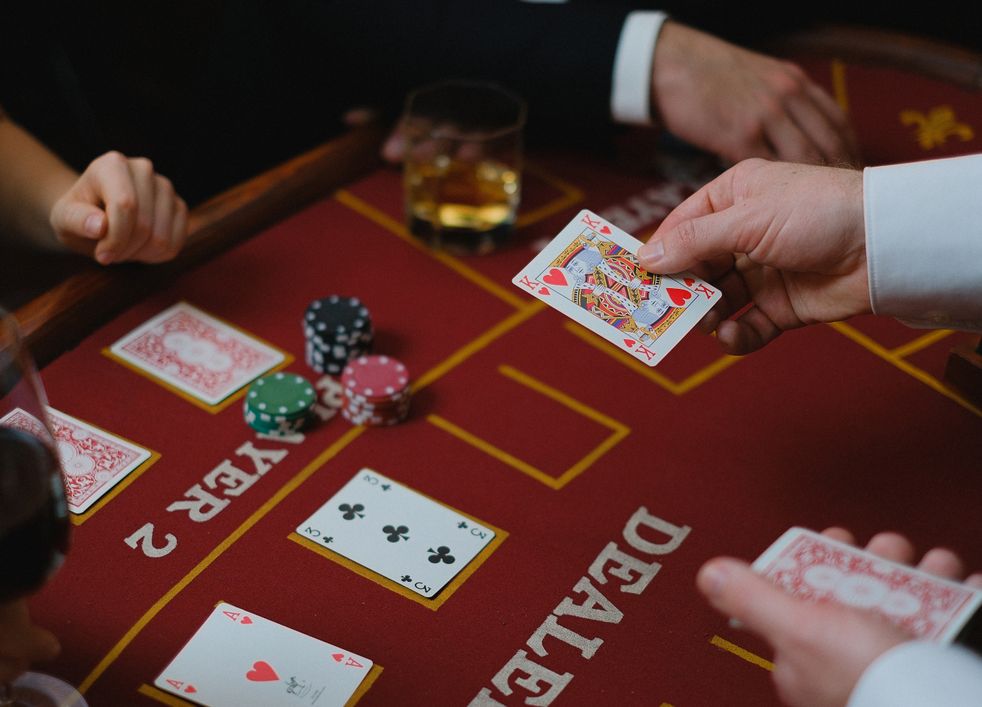
Caribbean Stud Poker ha conquistado los salones virtuales en los últimos años, convirtiéndose en una de las opciones favoritas tanto para jugadores experimentados como para quienes se inician en el mundo del casino online. A diferencia de los slots o la ruleta, este juego combina la estrategia del póker tradicional con la rapidez de una partida de casino, y lo hace sin necesidad de enfrentarse a otros jugadores. La versión en vivo lleva esa experiencia un paso más allá, al permitir que un crupier real reparta las cartas desde un estudio profesional, ofreciendo una sensación auténtica que se acerca mucho a la atmósfera de Las Vegas o Montecarlo.

El Black Friday se ha transformado en la época del año en la que los operadores de casino online despliegan sus mejores ofertas: bonos de bienvenida multiplicados, tiradas gratuitas exclusivas y promociones de cashback que pueden doblar el bankroll inicial de cualquier novato. Aprovechar esas ofertas mientras se aprende a jugar Caribbean Stud en vivo es una combinación que maximiza tanto la diversión como las posibilidades de ganar.

Para encontrar los mejores casinos online españa que participan en estas campañas, puedes consultar la lista de Cocinayvino, un portal que recopila información actualizada sobre licencias, métodos de pago y condiciones de bonos sin promover ningún operador en particular.

En esta guía, diseñada especialmente para principiantes, desglosaremos el juego paso a paso, revisaremos las ventajas de jugar con crupieres en vivo y ofreceremos estrategias simples para que tu primera experiencia en Black Friday sea rentable y sin complicaciones.

¿Qué es Caribbean Stud y cómo funciona?

Caribbean Stud Poker es una variante de póker de casino donde el jugador compite contra la mano del crupier, no contra otros participantes. Cada ronda comienza con una apuesta inicial, conocida como “ante”. Tras colocar el ante, el crupier reparte cinco cartas a cada jugador y cinco a sí mismo, de las cuales una queda descubierta. El jugador revisa sus cartas y decide si sigue jugando (haciendo una apuesta adicional llamada “play”) o se retira, perdiendo solo el ante.

En la versión automática, el proceso está completamente gestionado por el software; el jugador hace clic en “play” o “fold” y el algoritmo determina el resultado. En la versión en vivo, un crupier real muestra las cartas en una mesa transmitida en alta definición. Cada movimiento –desde el reparto hasta la revelación de la mano del crupier– se realiza frente a la cámara, lo que brinda mayor transparencia y la sensación de estar en un salón físico.

El juego incluye dos componentes de pago adicionales. El primero es el pago de bono: si el jugador logra una mano de pareja alta o superior, recibe una bonificación fija que varía según la apuesta (por ejemplo, 1 : 1 por una pareja, 3 : 1 por dos pares, 4 : 1 por una escalera, 7 : 1 por un color, 20 : 1 por una escalera de color y 100 : 1 por una escalera real). El segundo es la apuesta al crupier, una opción paralela que permite al jugador apostar a que la mano del crupier será inferior a la suya. Esta apuesta se paga 1 : 1 si el crupier no supera al jugador y el crupier no tiene una pareja o mejor; de lo contrario, el jugador pierde la apuesta al crupier.

El RTP (retorno al jugador) de Caribbean Stud ronda el 96 % cuando se juega con la apuesta al crupier, mientras que la apuesta principal tiene un RTP ligeramente inferior, alrededor del 94 %. Estas cifras hacen que la decisión de apostar o no al crupier sea crucial para la rentabilidad a largo plazo.

Ventajas de jugar con crupieres en vivo para novatos

  • Interacción humana: Ver a un crupier real hablar, mover las fichas y responder a los chat de los jugadores crea una atmósfera más cercana a la de un casino físico.
  • Transparencia total: Cada carta se muestra en tiempo real, lo que elimina cualquier duda sobre la integridad del reparto.
  • Herramientas de ayuda integradas: La mayoría de las mesas en vivo incluyen paneles informativos que explican la tabla de pagos, muestran la probabilidad aproximada de cada mano y ofrecen sugerencias de apuesta basadas en la mano del jugador.

Además de estos beneficios, jugar en vivo permite a los principiantes observar el ritmo del juego y familiarizarse con la etiqueta del casino, como cuándo es apropiado hacer clic en “play” o cómo manejar los tiempos de decisión. La presencia del crupier también reduce la sensación de aislamiento que a veces acompaña a los juegos automáticos; el chat en vivo permite preguntar dudas rápidas y recibir respuestas instantáneas, lo que acelera el proceso de aprendizaje.

Estrategias simples para maximizar tus ganancias en Black Friday

  1. Aprovecha los bonos de depósito específicos para Caribbean Stud. Durante el Black Friday, varios casinos ofrecen un bono de bienvenida del 150 % hasta €500, pero con una condición especial: el 30 % del bono está reservado exclusivamente para juegos de póker de casino, incluyendo Caribbean Stud. Deposita €100, recibe €150 y juega con €45 de esos fondos en la variante en vivo.

  2. Gestión de bankroll – regla del 5 %. No arriesgues más del 5 % de tu bankroll total en una sola apuesta al ante. Si tu bankroll inicial es €200, la apuesta máxima al ante será €10. Esta disciplina protege tu capital durante rachas perdedoras y te permite jugar más manos sin agotar rápidamente tus fondos.

  3. Cuándo apostar al bono del crupier. La apuesta al crupier es rentable cuando la carta descubierta del crupier es baja (2‑6) y tu mano tiene al menos una pareja o mejor. En esas situaciones, la probabilidad de que el crupier mejore su mano supera el 60 %, lo que justifica la apuesta. Evita la apuesta al crupier si la carta descubierta es un 9 o superior, ya que las probabilidades se vuelven desfavorables.

  4. Utiliza promociones temporales de Black Friday. Algunos operadores lanzan multiplicadores de ganancias del 2 × para el pago de bono durante 48 horas. Si tu mano califica para una bonificación de 4 : 1, el multiplicador la convierte en 8 : 1, duplicando tus ganancias potenciales. Activa estas promociones antes de la sesión y mantén un registro de su duración.

  5. Cashback y seguros de pérdida. Un número creciente de casinos ofrece un 10 % de cashback semanal sobre las pérdidas netas en juegos de póker de casino. Si tu bankroll sufre una caída del 20 % en una semana, recibirás €20 de vuelta, lo que suaviza el golpe y te permite volver a la mesa con menos presión.

Estrategia Cuándo aplicarla Beneficio esperado
Bono de depósito Black Friday Primer depósito del mes Aumento inmediato del bankroll
Regla del 5 % Cada sesión Control de riesgos
Apuesta al crupier con carta baja Carta descubierta 2‑6 Mejora del EV (valor esperado)
Multiplicador de bono Promoción de 48 h Duplicar ganancias de bonos
Cashback semanal Después de rachas perdedoras Recuperar parte de pérdidas

Paso a paso: cómo registrarse y jugar en una mesa en vivo

  1. Elegir un casino recomendado. Visita la página de Cocinayvino para consultar la lista de casinos online fiables que cuentan con licencia española y que ofrecen mesas de Caribbean Stud en vivo durante Black Friday.
  2. Crear la cuenta y verificar la identidad. Completa el formulario de registro con tu correo electrónico, elige una contraseña segura y sigue el proceso KYC (conocer a tu cliente) subiendo una copia de tu DNI y un comprobante de domicilio. La verificación suele tardar entre 5 y 15 minutos.
  3. Realizar el primer depósito y activar el bono. Usa un método de pago rápido como Trustly o tarjeta Visa para depositar al menos €20. Al ingresar el código promocional “BLACKFRI‑CARIB”, el bono de bienvenida del 150 % se acreditará automáticamente, con €30 adicionales destinados a juegos de póker de casino.
  4. Seleccionar la mesa de Caribbean Stud en vivo. En el lobby del casino, filtra por “Juegos de mesa → Poker → Caribbean Stud Live”. Elige una mesa con límites de €0,10‑€5 para principiantes, ajusta tu apuesta al ante y pulsa “Unirse”. La cámara mostrará al crupier en tiempo real y la interfaz te permitirá colocar la apuesta “play” o “fold” con un solo clic.

Errores comunes de los principiantes y cómo evitarlos

  • Subir la apuesta demasiado rápido. Muchos novatos aumentan la apuesta al ante después de una mano ganadora, pensando que la suerte continuará. Esta práctica ignora la varianza del juego y puede agotar el bankroll en pocas manos. Mantén la apuesta constante durante al menos 20 manos antes de considerar un ajuste.
  • Ignorar la tabla de pagos y los requisitos de apuesta del bono. Los bonos de Black Friday a menudo vienen con requisitos de wagering del 30 x. Si no cumples con la tabla de pagos mínima (por ejemplo, una pareja de ases), el bono puede ser revocado. Lee siempre los términos y verifica que tu estrategia incluya manos que cumplan con los criterios de pago.
  • No leer las reglas específicas de la versión en vivo. Algunas mesas imponen un tiempo máximo de decisión de 15 segundos; otras limitan la apuesta mínima al crupier a €0,20. Pasar por alto estos detalles puede resultar en apuestas automáticas o en la pérdida de la oportunidad de retirarse a tiempo.
  • Falta de control emocional durante rachas perdedoras. Es fácil caer en la “caza de pérdidas”, intentando recuperar dinero con apuestas más altas. La mejor respuesta es detenerse, revisar el bankroll y volver a la regla del 5 % antes de reanudar la sesión.

Preguntas frecuentes de los nuevos jugadores (FAQ)

  • ¿Puedo jugar Caribbean Stud en móvil con crupier en vivo? Sí, la mayoría de los casinos ofrecen una app dedicada o una versión responsive que permite ver la transmisión en alta definición y colocar apuestas desde smartphones Android e iOS.
  • ¿Qué pasa con el bono si pierdo la mano del crupier? La apuesta al crupier se pierde, pero el bono de bienvenida sigue activo siempre que cumplas con los requisitos de wagering. Solo la apuesta al crupier se contabiliza como pérdida normal.
  • ¿Cuánto tiempo dura una partida típica? Cada mano de Caribbean Stud en vivo suele durar entre 45 y 60 segundos, incluyendo el reparto, la decisión del jugador y la revelación de la mano del crupier. Una sesión de 30 minutos permite jugar aproximadamente 30‑35 manos.
  • ¿Hay límites de apuesta mínima y máxima en Black Friday? Sí, los límites varían por casino, pero durante la campaña de Black Friday muchos operadores ofrecen mesas con ante mínimo de €0,10 y máximo de €5, y apuestas al crupier entre €0,05 y €2,5. Revisa la tabla de límites en el lobby antes de sentarte.

Conclusión

Caribbean Stud en vivo combina la estrategia del póker con la emoción de un casino real, y el Black Friday brinda la oportunidad perfecta para maximizar esas sensaciones con bonos generosos y promociones exclusivas. Al seguir una estrategia sencilla –aprovechar el bono de depósito, gestionar el bankroll con la regla del 5 %, y elegir cuidadosamente cuándo apostar al crupier– los principiantes pueden convertir una sesión de juego en una experiencia rentable y educativa.

Recuerda visitar los recursos de Cocinayvino para identificar los mejores casinos online España, comparar condiciones de bonos y asegurarte de que juegas en plataformas con licencia y seguridad. Con la información adecuada y un enfoque disciplinado, podrás disfrutar de Caribbean Stud en vivo desde la comodidad de tu hogar y, con un poco de suerte, llevarte a casa ganancias significativas este Black Friday.

Jokery Casino Offiziell: Benutzerfreundlichkeit und Benutzererfahrung

Die Welt des Online-Glücksspiels entwickelt sich ständig weiter, und Spieler haben heute mehr Möglichkeiten denn je, ihre Lieblingscasino-Spiele zu genießen. Eine der wichtigsten Entscheidungen, die Spieler treffen müssen, ist die Wahl zwischen einer Casino App und einer mobilen Website. Ein Blick auf die Nutzungsbedingungen bei Jokery Casino offiziell lohnt sich vor der ersten Einzahlung. Beide Optionen haben ihre Vor- und Nachteile, und die richtige Wahl hängt von den persönlichen Vorlieben und Bedürfnissen jedes Spielers ab. Während einige Spieler die bequeme und direkte Verbindung einer App bevorzugen, ziehen andere die Flexibilität einer mobilen Website vor. In diesem Artikel werden wir die Unterschiede zwischen Casino Apps und mobilen Websites eingehend beleuchten, damit Sie die für Sie am besten geeignete Option finden können. Wenn Sie nach den besten Plattformen suchen, könnten Sie auch einen Blick auf die siti scommesse werfen, um zusätzliche Optionen zu entdecken.

Online Casino: Spielautomaten und Live-Spiele im Überblick

Casino Apps sind speziell für mobile Geräte entwickelte Anwendungen, die Sie herunterladen und auf Ihrem Smartphone oder Tablet installieren können. Diese Apps bieten in der Regel eine optimierte Benutzererfahrung mit schnelleren Ladezeiten und einem nahtlosen Gameplay. Viele der führenden Anbieter im Bereich der siti scommesse online haben ihre eigenen Apps entwickelt, um ihren Spielern den bestmöglichen mobilen Zugang zu ihren Angeboten zu ermöglichen. Ein weiterer Vorteil von Casino Apps ist, dass Sie oft exklusive Boni und Promotionen erhalten, die nur für App-Nutzer verfügbar sind. Wenn Sie also nach besonderen Angeboten suchen, könnte eine Casino App die richtige Wahl für Sie sein.

Auf der anderen Seite bieten mobile Websites eine browserbasierte Lösung, die keine Installation erfordert. Diese responsive Webseiten passen sich automatisch an die Größe Ihres Bildschirms an, sodass Sie von jedem Gerät aus auf das Casino zugreifen können. Für Spieler, die Wert auf Flexibilität legen, sind mobile Websites oft die ideale Wahl. Darüber hinaus bieten viele der migliori siti scommesse sowohl eine App als auch eine mobile Website an, sodass Sie je nach Situation die bequemste Option wählen können. Einige bookmaker online konzentrieren sich eher auf ihre mobile Website, während andere in ihre Apps investieren – es lohnt sich, beide Optionen auszuprobieren.

Vorteile von Casino Apps

Optimiertes Spielerlebnis

Casino Apps bieten in der Regel ein optimiertes Spielerlebnis, das speziell für mobile Geräte entwickelt wurde. Die Benutzeroberfläche ist oft intuitiver und benutzerfreundlicher als bei mobilen Websites, was zu einer nahtlosen Navigation führt. Viele Apps nutzen auch die nativen Funktionen von Smartphones wie vibrationsfeedback oder Kameraintegration, um das Spielerlebnis zu verbessern. Für Spieler, die Wert auf ein hochwertiges Gameplay legen, bieten Apps oft die beste Lösung. Die siti di scommesse sportive erkennen den Wert von Apps und investieren zunehmend in deren Entwicklung, um ihren Spielern die bestmögliche Erfahrung zu bieten.

Exklusive Boni und Promotionen

Einer der größten Vorteile von Casino Apps ist, dass sie oft exklusive Boni und Promotionen anbieten, die nicht auf der mobilen Website verfügbar sind. Diese können spezielle Willkommensangebote, kostenlose Drehungen oder exklusive Turniere umfassen. Viele der siti scommesse bonus nutzen Apps als Marketinginstrument, um neue Spieler anzuziehen und bestehende Spieler zu binden. Wenn Sie also auf der Suche nach besonderen Angeboten sind, sollten Sie definitiv einen Blick auf die Boni werfen, die speziell für App-Nutzer verfügbar sind. Diese exklusiven Aktionen können Ihr Spielerlebnis erheblich verbessern und Ihre Gewinnchancen erhöhen.

Vorteile mobiler Websites

Keine Installation erforderlich

Einer der größten Vorteile mobiler Websites ist, dass keine Installation erforderlich ist. Sie müssen einfach nur den Browser Ihres Geräts öffnen, die Casino-Website aufrufen und können sofort loslegen. Das spart nicht nur Speicherplatz auf Ihrem Gerät, sondern ist auch besonders praktisch, wenn Sie verschiedene Casinos ausprobieren möchten. Darüber hinaus müssen Sie sich keine Gedanken über Updates oder Kompatibilitätsprobleme machen. Für Spieler, die Wert auf Flexibilität und Bequemlichkeit legen, sind mobile Websites oft die ideale Lösung. Viele der besten bookmaker online haben responsive Webseiten entwickelt, die auf allen Geräten einwandfrei funktionieren.

Plattformunabhängigkeit

Mobilen Websites bieten die ideale Plattformunabhängigkeit – Sie können von jedem Gerät mit einem Webbrowser aus darauf zugreifen, unabhängig vom Betriebssystem. Egal, ob Sie ein iPhone, Android-Gerät oder Windows Phone verwenden, eine mobile Website funktioniert auf allen Geräten. Dies macht sie zur perfekten Wahl für Spieler, die häufig zwischen verschiedenen Geräten wechseln oder die Speicherkapazität ihres Geräts schonen möchten. Die siti scommesse online

Technische Unterschiede

Leistung und Geschwindigkeit

Bei der Leistung und Geschwindigkeit gibt es erhebliche Unterschiede zwischen Casino Apps und mobilen Websites. Apps sind in der Regel schneller, da sie speziell für das jeweilige Gerät optimiert sind und direkt auf die Hardware zugreifen können. Mobile Websites hingegen müssen bei jedem Besuch geladen werden, was zu längeren Ladezeiten führen kann. Allerdings haben moderne Mobilgeräte und schnelle Internetverbindungen diese Unterschiede in den letzten Jahren deutlich verringert. Die migliori siti scommesse investieren stark in die Optimierung ihrer mobilen Webseiten, um sicherzustellen, dass sie mit den Leistungen von Apps mithalten können und ein reibungsloses Spielerlebnis bieten.

Sicherheit und Datenschutz

Beim Thema Sicherheit und Datenschutz haben sowohl Casino Apps als auch mobile Websites ihre Vorzüge. Apps müssen über offizielle Stores wie den Apple App Store oder Google Play heruntergeladen werden, was eine zusätzliche Sicherheitsstufe bietet. Mobile Websites hingegen nutzen SSL-Verschlüsselung, um Ihre Daten zu schützen. Beide Methoden sind bei seriösen Anbietern sicher, aber Apps bieten oft eine höhere Vertrauenswürdigkeit, da sie strengeren Überprüfungsprozessen unterliegen. Wenn Sie also besonderen Wert auf Sicherheit legen, sollten Sie nur von vertrauenswürdigen bookmaker online herunterladen, die in diesen Stores vertreten sind.

Kriterium Casino App Mobile Website
Installation Erforderlich Nicht erforderlich
Speicherplatz Bedarf Speicherplatz Kein zusätzlicher Speicherbedarf
Ladezeit In der Regel schneller Kann variieren
Benutzererfahrung Hoch optimiert Gut, aber oft nicht so intensiv
Verfügbarkeit Nur für unterstützte Geräte Universal verfügbar
Bonusangebote Oft exklusive Boni Standardboni

Zugriff auf Casino-Spiele

Der Zugriff auf Casino-Spiele ist bei beiden Optionen unterschiedlich. Apps bieten in der Regel einen direkteren Zugriff auf Ihre Lieblingsspiele, da sie oft einen Download-Modus haben, der Spiele direkt auf Ihr Gerät lädt. Mobile Websites hingegen laden Spiele über den Browser, was bei langsameren Verbindungen zu Verzögerungen führen kann. Allerdings bieten moderne siti di scommesse sportive

Benutzerfreundlichkeit und Benutzererfahrung

Die Benutzerfreundlichkeit ist ein entscheidender Faktor bei der Wahl zwischen Casino App und mobiler Website. Apps bieten in der Regel eine optimierte Benutzeroberfläche, die speziell für Touch-Geräte entwickelt wurde. Die Navigation ist oft intuitiver und die Spiele sind besser an kleine Bildschirme angepasst. Mobile Websites hingegen müssen mit verschiedenen Bildschirmgrößen arbeiten, was manchmal zu kleineren Buttons oder ungenauem Scrollen führen kann. Allerdings bieten viele siti scommesse bonus

Personalisierung und Einstellungen

Casino Apps bieten oft mehr Personalisierungsoptionen als mobile Websites. Sie können Benachrichtigungen einrichten, bevorzugte Spiele speichern und Einst

Häufige Fragen

Was bedeutet die Umsatzbedingung bei einem Bonus?
Der Bonusbetrag muss mehrfach im Casino eingesetzt werden, bevor Gewinne zur Auszahlung freigegeben werden.

Was tun, wenn Spielen zum Problem wird?
Sofortige Einzahlungslimits oder eine Spielsperre über OASIS setzen und Beratungsstellen wie die BZgA nutzen.

Sind Gewinne aus dem Online Casino steuerfrei?
In Deutschland bleiben Glücksspielgewinne für private Spieler grundsätzlich steuerfrei, weil auf Einsätze bereits Abgaben erhoben werden.

Mit über 7.500 Games und bis zu 30% Cashback – gamblezen revolutioniert Ihr Online-Casino-Erlebnis m

Mit über 7.500 Games und bis zu 30% Cashback – gamblezen revolutioniert Ihr Online-Casino-Erlebnis mit Curaçao Lizenz.

Die Welt der Online-Casinos entwickelt sich ständig weiter und bietet Spielern unzählige Möglichkeiten zur Unterhaltung und zum potenziellen Gewinn. In diesem dynamischen Umfeld präsentiert sich gamblezen als eine innovative Plattform, die mit einem umfangreichen Spieleangebot, attraktiven Boni und einem starken Fokus auf Sicherheit und Benutzerfreundlichkeit überzeugt. Mit einer Curaçao Lizenz, über 7.500 Spielen und regelmäßigen Cashback-Aktionen setzt gamblezen neue Maßstäbe im Bereich des Online-Glücksspiels.

Dieses Online-Casino versteht sich darauf, seinen Spielern ein immersives und aufregendes Spielerlebnis zu bieten. Von klassischen Spielautomaten bis hin zu modernen Video-Slots, Roulette, Blackjack und Live-Casino-Spielen – hier findet jeder etwas nach seinem Geschmack. Die benutzerfreundliche Oberfläche und die mobile Kompatibilität sorgen dafür, dass das Spiel jederzeit und überall genossen werden kann.

Ein umfassendes Spielangebot für jeden Geschmack

gamblezen zeichnet sich durch eine unglaubliche Vielfalt an Spielen aus, die von führenden Softwareanbietern der Branche bereitgestellt werden. Die Auswahl umfasst dabei nicht nur klassische Spielautomaten mit verschiedenen Themen und Gewinnlinien, sondern auch innovative Video-Slots mit beeindruckender Grafik und spannenden Bonusfunktionen. Zu den weiteren Highlights gehören Roulette in verschiedenen Varianten, Blackjack, Poker und Baccarat.

Besonders hervorzuheben ist das Live-Casino, in dem Spieler in Echtzeit gegen professionelle Croupiers antreten können. Dies bietet ein authentisches Casino-Erlebnis, das dem in einer traditionellen Spielbank in nichts nachsteht. Die Möglichkeit, mit anderen Spielern zu interagieren, erhöht den Spaßfaktor zusätzlich.

Spielkategorie
Anzahl der Spiele
Softwareanbieter
Spielautomaten Über 6.000 NetEnt, Microgaming, Play’n GO
Tischspiele 500+ Evolution Gaming, Pragmatic Play
Live-Casino 200+ Evolution Gaming

gamblezen legt großen Wert darauf, regelmäßig neue Spiele hinzuzufügen, um sicherzustellen, dass das Angebot immer aktuell und abwechslungsreich bleibt. So können Spieler stets neue Herausforderungen entdecken und ihr Glück an den neuesten Spielautomaten versuchen.

Attraktive Boni und Promotionen für neue und bestehende Spieler

Einer der größten Anreize, bei gamblezen zu spielen, sind die großzügigen Boni und Promotionen, die sowohl für neue als auch für bestehende Spieler angeboten werden. Der Willkommensbonus ist besonders hervorzuheben, da er neuen Spielern einen 100%igen Bonus auf ihre erste Einzahlung bis zu 500 Euro sowie 200 Freispiele gewährt. Dies ermöglicht es, das Casino-Angebot risikofrei kennenzulernen und von Anfang an von attraktiven Vorteilen zu profitieren.

Darüber hinaus bietet gamblezen regelmäßige Aktionen wie Freispiele, Einzahlungsboni und Cashback-Angebote an. Der wöchentliche Cashback-Bonus ermöglicht es Spielern, bis zu 30% ihrer Verluste zurückzubekommen, was das Risiko beim Spielen reduziert und die Chancen auf weitere Gewinne erhöht.

  • Willkommensbonus: 100% bis zu 500 € + 200 Freispiele
  • Wöchentlicher Cashback: Bis zu 30%
  • Tägliche Boni
  • VIP-Programm mit exklusiven Vorteilen

Das VIP-Programm belohnt treue Spieler mit exklusiven Vorteilen wie höheren Bonusbeträgen, schnelleren Auszahlungen und einem persönlichen Account Manager. Je höher der VIP-Level, desto attraktiver die Belohnungen.

Sicherheit und Seriosität – ein hohes Maß an Vertrauen

Sicherheit hat bei gamblezen oberste Priorität. Das Casino verfügt über eine gültige Curaçao Lizenz (OGL/2023/109/0075), die sicherstellt, dass alle Spiele fair und transparent ablaufen. Alle Transaktionen werden mit modernsten Verschlüsselungstechnologien geschützt, um die persönlichen und finanziellen Daten der Spieler zu gewährleisten. gamblezen hält sich streng an die geltenden Datenschutzbestimmungen und sorgt dafür, dass die Privatsphäre der Spieler stets gewahrt bleibt.

Darüber hinaus setzt gamblezen auf verantwortungsvolles Spielen und bietet seinen Spielern verschiedene Möglichkeiten, ihre Spielgewohnheiten zu kontrollieren. Dazu gehören Einzahlungslimits, Verlustlimits und Selbstausschlussoptionen. Spieler, die das Gefühl haben, die Kontrolle über ihr Spielverhalten zu verlieren, können sich jederzeit an den kompetenten Kundenservice wenden, um Unterstützung zu erhalten.

  1. Curaçao Lizenz (OGL/2023/109/0075)
  2. SSL-Verschlüsselung für sichere Transaktionen
  3. Verantwortungsvolles Spielen mit verschiedenen Kontrollmöglichkeiten
  4. Schneller und zuverlässiger Kundenservice

Eine große Auswahl an sicheren und bequemen Ein- und Auszahlungsmethoden, wie Kreditkarten, E-Wallets und Banküberweisungen, steht den Kunden zur Verfügung. Die Auszahlungen werden in der Regel schnell und zuverlässig bearbeitet.

Benutzerfreundlichkeit und mobiler Zugriff

Die Website von gamblezen ist intuitiv und übersichtlich gestaltet, sodass sich Spieler jederzeit leicht zurechtfinden. Das Suchfeld ermöglicht es, Spiele schnell und einfach zu finden, während die Kategorien nach Spieltyp und Softwareanbieter eine gezielte Auswahl ermöglichen. Die Navigation ist einfach und unkompliziert, auch für Anfänger.

Besonders hervorzuheben ist die mobile Kompatibilität von gamblezen. Die Website ist für mobile Geräte optimiert und kann problemlos über Smartphone oder Tablet aufgerufen werden. So können Spieler ihre Lieblingsspiele jederzeit und überall genießen, ohne auf Komfort verzichten zu müssen. Eine separate App ist derzeit nicht erforderlich.

Funktion
Beschreibung
Benutzeroberfläche Intuitiv und übersichtlich gestaltet
Mobile Kompatibilität Optimierte Website für Smartphone und Tablet
Suchfunktion Schnelle und einfache Suche nach Spielen
Ein- und Auszahlungen Vielfältige und sichere Zahlungsmethoden

24/7 Kundensupport für Fragen und Anliegen

gamblezen bietet seinen Spielern einen rund um die Uhr verfügbaren Kundenservice, der bei Fragen und Anliegen immer helfend zur Seite steht. Der Kundenservice ist per Live-Chat und E-Mail erreichbar und wird von freundlichen und kompetenten Mitarbeitern betrieben. Fragen werden in der Regel schnell und professionell beantwortet.

Zusätzlich bietet gamblezen einen umfangreichen FAQ-Bereich, in dem die häufigsten Fragen bereits beantwortet werden. So können Spieler viele Probleme selbstständig lösen, ohne den Kundenservice kontaktieren zu müssen. All dies zeigt das Engagement von gamblezen für eine hohe Kundenzufriedenheit.

Ice Fishing Casino: Woran man ein seriöses Online Casino erkennt

Online Casino: Spielautomaten und Live-Spiele im Überblick

Kryptowährungen wie Bitcoin, Ethereum oder Litecoin bieten im Vergleich zu traditionellen Zahlungsmethoden erhebliche Vorteile. Transaktionen sind in der Regel schneller, Gebühren niedriger und die Privatsphäre wird besser geschützt. Vor allem bei Online-Casinos, die auf Jetzt spielen spezialisiert sind, wird diese Technologie immer beliebter. Ein Blick auf die Nutzungsbedingungen bei Ice Fishing Casino lohnt sich vor der ersten Einzahlung. Spieler müssen keine persönlichen Bankdaten preisgeben, was das Sicherheitsgefühl erheblich steigert. Die dezentrale Natur von Kryptowährungen macht sie zudem anfälliger für Manipulationen, was für Fairness im Spiel sorgt.

Die Akzeptanz von Kryptowährungen in Online-Casinos hat in den letzten Jahren stark zugenommen. Viele Plattformen bieten nun spezielle Boni für Einzahlungen mit Bitcoin und anderen digitalen Währungen. Diese Boni können höher sein als bei herkömmlichen Zahlungsmethoden und machen den Einstieg in die Welt des Krypto-Gamings noch attraktiver. Gleichzeitig ist es wichtig zu verstehen, wie man Kryptowährungen sicher verwaltet und welche Regeln für den Einsatz in Online-Casinos gelten.

Was sind Kryptowährungen und wie funktionieren sie?

Grundlagen der Blockchain-Technologie

Kryptowährungen basieren auf der revolutionären Blockchain-Technologie, einem dezentralen digitalen Register, das Transaktionen sicher und transparent dokumentiert. Jede Transaktion wird kryptografisch verschlüsselt und in einem “Block” gespeichert, der mit vorherigen Blocks verknüpft ist. Diese Kettenstruktur macht Manipulation praktisch unmöglich und schafft ein hohes Maß an Sicherheit. Im Gegensatz zu herkömmlichen Währungen, die von zentralen Institutionen wie Banken kontrolliert werden, funktionieren Kryptowährungen dezentral und sind für jeden zugänglich.

Bitcoin war die erste und bis heute bekannteste Kryptowährung, die 2009 von einem anonymen Entwickler unter dem Pseudonym Satoshi Nakamoto ins Leben gerufen wurde. Mittlerweile gibt es Tausende verschiedene digitale Währungen, die unterschiedliche Anwendungsbereiche und technologische Besonderheiten aufweisen. Für Spieler im Online-Casino sind vor allem Bitcoin, Ethereum, Litecoin und Ripple von Bedeutung, da sie schnelle Transaktionen und niedrige Gebühren ermöglichen.

Vorteile von Kryptowährungen im Glücksspiel

Einer der größten Vorteile der Verwendung von Kryptowährungen im Online-Glücksspiel ist die Anonymität. Spieler müssen keine persönlichen Daten wie Kontodaten oder Kreditkarteninformationen preisgeben, was das Sicherheitsrisiko erheblich senkt. Gleichzeitig bieten Kryptowährungen nahezu sofortige Transaktionszeiten – im Gegensatz zu herkömmlichen Banküberweisungen, die Tage dauern können. Auch die Gebühren sind in der Regel deutlich geringer, was besonders bei kleineren Beträgen attraktiv ist.

Zusätzlich bieten viele Online-Casinos spezielle Boni und Promotionen für Spieler, die mit Kryptowährungen einzahlen. Diese Boni können höhere Einzahlungsquoten oder zusätzliche Freispiele umfassen. Die dezentrale Natur von Kryptowährungen bedeutet auch, dass sie von geografischen Beschränkungen weniger betroffen sind – ein wichtiger Faktor in Regionen mit strengen Glücksspielgesetzen.

Bitcoin im Online Casino: Die beliebteste Wahl

Warum Bitcoin bei Spielern so beliebt ist

Bitcoin ist die unangefochtene Nummer eins unter den Kryptowährungen im Online-Glücksspiel. Seine Bekanntheit, breite Akzeptanz und stabile Wertentwicklung machen zur ersten Wahl für viele Casino-Spieler. Viele Plattformen haben spezielle Angebote für Bitcoin-Nutzer entwickelt, von höheren Einzahlungsboni bis zu exklusiven Spielen. Die Sicherheit von Bitcoin-Transaktionen ist ebenfalls ein wesentlicher Faktor – dank der Blockchain-Technologie sind Manipulationen praktisch ausgeschlossen.

Ein weiterer Vorteil von Bitcoin ist seine weite Verbreitung und einfache Handhabung. Fast alle Krypto-Casinos akzeptieren Bitcoin als Zahlungsmethode, und die Ein- und Auszahlungen sind in der Regel sofort abgeschlossen. Spieler müssen nicht auf die Öffnungszeiten von Banken warten oder hohe Gebühren für internationale Überweisungen zahlen. Für Neulinge in der Welt der Kryptowährungen gibt es zahlreiche Anleitungen und Tutorials, die den Einstieg erleichtern.

Bitcoin Wallets und wie man sie verwendet

Um Bitcoin in Online-Casinos zu verwenden, benötigen Sie eine digitale Brieftasche, auch Wallet genannt. Es gibt verschiedene Arten von Wallets: Desktop-Wallets, die auf Ihrem Computer installiert werden; Mobile-Wallets für Ihr Smartphone; und Hardware-Wallets, physische Geräte zur Aufbewahrung Ihrer Bitcoins. Für Anfänger sind Mobile-Wallets oft die einfachste Lösung, da sie einfach zu bedienen und mobil verfügbar sind.

Einrichtung eines Bitcoin Wallet ist unkompliziert: Sie laden die entsprechende Software oder App herunter, erstellen ein Wallet und erhalten eine eindeutige Adresse. Diese Adresse geben Sie dann im Casino an, um Bitcoin zu senden oder empfangen. Wichtig ist, dass Sie Ihre Wallet-Adresse und vor allem den privaten Schlüssel sicher aufbewahren. Verlieren Sie den privaten Schlüssel, sind Ihre Bitcoins für immer verloren. Viele Casinos bieten auch die Möglichkeit, direkt in ihrem System eine Wallet zu erstellen, was den Prozess weiter vereinfacht.

Andere Kryptowährungen im Glücksspiel

Ethereum, Litecoin und Co.

Während Bitcoin die dominante Kryptowährung im Glücksspiel bleibt, gewinnen Alternativen wie Ethereum, Litecoin und Ripple zunehmend an Bedeutung. Ethereum bietet durch seine Smart-Contract-Fähigkeiten zusätzliche Sicherheit und Flexibilität für Transaktionen. Litecoin, oft als “Silber zu Bitcoins Gold” bezeichnet, zeichnet sich durch schnellere Bestätigungszeiten und niedrigere Gebühren aus. Ripple hingegen wurde speziell für schnelle und kostengünstige internationale Überweisungen entwickelt und eignet sich daher gut für Einzahlungen und Auszahlungen in Online-Casinos.

Einige innovative Online-Casinos experimentieren sogar mit eigenen Kryptowährungen oder Token, die speziell für ihre Plattform entwickelt wurden. Diese Token können für Bonusaktionen, VIP-Programme oder als Währung innerhalb des Casinos verwendet werden. Solange die Kryptowährung von der Casino-Plattform akzeptiert wird, können Spieler frei wählen, welche digitale Währung sie für ihre Transaktionen bevorzugen. Die Wahl hängt oft von Faktoren wie Transaktionsgeschwindigkeit, Gebühren und persönlichem Vertrauen in die jeweilige Währung ab.

Stablecoins: Die stabile Alternative

Für Spieler, die die Volatilität von Kryptowährungen wie Bitcoin scheuen, bieten Stablecoins eine interessante Alternative. Stablecoins sind Kryptowährungen, die an einen stabilen Wert gebunden sind, typischerweise an Fiat-Währungen wie US-Dollar oder Euro. Beispiele sind Tether (USDT) oder USD Coin (USDC). Diese Kryptowährungen bieten die Vorteile von digitalen Währungen – schnelle Transaktionen, Anonymität, geringe Gebühren – ohne die hohen Preisschwankungen.

Stablecoins sind besonders für Spieler attraktiv, die ihre Gewinne in einer stabilen Währung halten möchten oder mit kleineren Beträgen spielen. Da ihr Wert an eine Fiat-Währung geknüpft ist, bieten sie mehr Vorhersehbarkeit als traditionelle Kryptowährungen. Viele Online-Casinos, die Kryptowährungen akzeptieren, bieten auch Stablecoins als Zahlungsoption an, was die Flexibilität für Spieler weiter erhöht.

Die Zukunft: NFTs und DeFi im Glücksspiel

Die Welt der Kryptowährungen entwickelt sich rasant weiter, und neue Konzepte wie NFTs (Non-Fungible Tokens) und DeFi (Decentralized Finance) beginnen, auch das Online-Glücksspiel zu beeinflussen. NFTs könnten einzigartige digitale Casino-Spiele, Avatare oder virtuelle Besitztümer repräsentieren, die echte Sammlerwerte haben. DeFi-Protokolle könnten es ermöglichen, Spiele komplett dezentral zu betreiben, ohne traditionelle Casino-Betreiber.

Visionäre Entwickler arbeiten bereits an Play-to-Earn-Modellen, bei denen Spieler nicht nur Spaß haben, sondern auch Kryptowährungen oder NFTs als Belohnung erhalten können. Diese Modelle kombinieren Gaming mit Investitionsmöglichkeiten und könnten das Online-Glücksspiel fundamental verändern. Während diese Konzepte noch in den Kinderschuhen stecken, zeigen sie bereits jetzt, welches Potenzial in der Verbindung von Kryptowährungen und Gaming liegt.

Kryptowährungen sicher im Online Casino nutzen

Sicherheitstipps für Spieler

Woran man ein seriöses Online Casino erkennt

Kriterium Warum es zählt
Lizenz Legale Angebote stehen unter deutscher oder EU-Aufsicht
Auszahlungsquote Faire Slots veröffentlichen ihre RTP-Werte
Bonusbedingungen Umsatzbedingungen zählen mehr als der Bonusbetrag
Auszahlungsdauer Schnelle Auszahlungen zeigen finanzielle Stabilität
Kundendienst Deutscher Support hilft bei Problemen sofort weiter

Häufige Fragen

Was bedeutet die Umsatzbedingung bei einem Bonus?
Der Bonusbetrag muss mehrfach im Casino eingesetzt werden, bevor Gewinne zur Auszahlung freigegeben werden.

Was tun, wenn Spielen zum Problem wird?
Sofortige Einzahlungslimits oder eine Spielsperre über OASIS setzen und Beratungsstellen wie die BZgA nutzen.

Sind Gewinne aus dem Online Casino steuerfrei?
In Deutschland bleiben Glücksspielgewinne für private Spieler grundsätzlich steuerfrei, weil auf Einsätze bereits Abgaben erhoben werden.

Recovering Lost NFTs: Using Solscan to Trace Mistaken Transfers and Find Recipient Wallets

An NFT owner realizes within hours that a collection transfer was sent to the wrong wallet address. The transaction is complete, irreversible at the protocol level, and the recipient wallet shows no identifying information. Panic is the first instinct, but the second should be methodical: the transaction exists permanently on the Solana blockchain, every address involved is public, and the wallet holding the NFTs is traceable through the same tools used by traders and developers every day. Recovery depends on identifying the recipient, understanding their on-chain behavior, and finding a contact pathway that works.

The Solana blockchain records every NFT movement with complete transparency. A mistaken transfer is not hidden; it is documented in full detail—timestamp, sender, receiver, transaction hash, and the specific token account that now holds the asset. The challenge is not finding the transaction. It is converting blockchain data into actionable information: who controls that wallet, how can they be reached, and what leverage or appeal might convince them to reverse the transfer. Solscan, the official blockchain explorer for Solana, provides the tools to complete that investigation systematically, but only if the owner knows what to search for and how to interpret the results.

Solscan blockchain explorer interface showing transaction details, wallet holdings, and NFT collection tracking on the Solana network

Locating the mistaken transfer using transaction tracking

The first step is to find the exact transaction record. Open Solscan official and use the search bar to enter your wallet address. The wallet explorer will display all transactions associated with that address, sorted by recency. A recent outbound transfer of your NFT will appear immediately; the interface shows the transaction signature (hash), timestamp, confirmation status, and the receiving address. Write down the receiving wallet address precisely—every character matters, and a single error will send your investigation in the wrong direction.

Click on the transaction signature to view the full transaction details. This page is the foundation of your recovery effort. You will see the exact token accounts involved, the amount transferred, the fees paid, and the complete address of the recipient. If the wallet that received your NFT is a new or inactive account, the investigation may be harder but not impossible. A wallet that has previously interacted with other addresses, swapped tokens, traded on NFT marketplaces, or received deposits from known sources can be mapped to real-world behavior and potentially to an identifiable person or service.

Pay attention to the transaction’s timestamp as well. If the transfer occurred moments after you authorized it, the mistake was likely yours—a mistyped address, confusion during a rapid sequence of actions, or an incorrect paste. If the transaction was authorized at a time when you did not interact with your wallet, or if you use hardware wallet signing and did not physically approve the transfer, then the mistake may have involved a compromised recovery phrase, intercepted seed backup, or authorization signature that was obtained by another party. The distinction changes both recovery tactics and what you should do with your wallet afterward.

Understanding the recipient wallet through on-chain behavior

The recipient wallet’s transaction history is public on the blockchain. Return to Solscan, enter the recipient address in the search bar, and open the wallet explorer. This reveals the complete financial picture of that account: what other tokens it holds, what purchases and sales it has made, which addresses have sent it funds, and where it has sent funds in return. A wallet that holds a diverse portfolio, participates in token swaps, and has been active for months or years suggests a real user who may be reachable. A brand-new wallet with only your NFT and perhaps one inbound deposit is more ambiguous—it could belong to someone who made an honest mistake, someone who is intentionally obscuring their activity, or a smart contract.

Look for patterns that indicate the wallet’s purpose. Has it deposited funds to a known NFT marketplace such as Magic Eden or Tensor? If so, the user may be an NFT trader or collector, and the wallet can be matched against marketplace user records if those platforms cooperate with recovery efforts. Has it swapped tokens on Raydium, Orca, or Jupiter, or staked SOL in a known validator? Those activities suggest an engaged Solana participant who may have accounts on Discord, Twitter, or other platforms where they can be contacted. Has it received funds from a centralized exchange deposit address? That is valuable information for working with exchange customer support in a recovery attempt.

NFT analytics through Solscan can also show whether the recipient has listed your NFT for sale on a marketplace or is still holding it. Use the NFT tab on the recipient’s wallet page to see all tokens they hold. If your NFT is present and not listed, the mistake may have been more recent or the recipient may be considering their options. If it has been listed for sale, a marketplace listing is a contact point: the price and visibility may indicate whether the holder is aware of the mistake or is simply treating it as an unexpected asset to liquidate.

Identifying contact pathways through linked accounts

On-chain addresses alone do not provide phone numbers or email addresses, but they can point to off-chain identities. Check whether the recipient wallet has participated in governance votes, validator operations, or token launches that require registration. Solscan’s block and epoch information, along with validator details, can show whether the wallet has delegated to a specific validator or operated a node. Validator operators maintain websites and communities; if the recipient is connected to validator operations, that may be a useful contact point.

Search for the recipient’s wallet address on Google, Twitter, and Discord. Many Solana participants use consistent usernames or wallet addresses across platforms. If the wallet address appears in a Twitter bio, Discord profile, or community forum, you have found an identifiable account holder or at minimum a social media presence that suggests you can reach the person. Solscan does not directly facilitate these off-chain lookups, but the wallet address from your transaction tracking is the key that unlocks them.

Consider NFT marketplace interactions more closely. If the recipient has an account on Magic Eden, Tensor, or Solanart, those platforms may be willing to relay a recovery message or assist in a dispute if they determine that the recipient account is the legitimate owner of your NFTs and has received them in error. Some marketplaces have specific fraud or mistaken transfer investigation processes; a support request that includes the transaction hash, timestamp, and Solscan evidence of the mistaken transfer may be taken seriously.

Preparing evidence and crafting recovery appeals

Gather a complete package of evidence before approaching the recipient or a third party. Screenshot or export the transaction details from Solscan, showing the transaction signature, timestamp, your sending address, the recipient address, and the NFT collection name and identifier. Document the NFT’s previous location in your wallet and its market value at the time of transfer. If you can show that you have held the collection for a longer period than the recipient and that it was a known asset with trading history, that strengthens the argument that this was a genuine mistake rather than a disputed transfer.

Write a straightforward, factual message to send to the recipient if you establish contact. Explain that the transfer was a mistake—you mistyped or miscopied the address, or made an error during a transaction process—and request that they return the NFT to your address. Provide the transaction hash and your wallet address so they can verify your claim on Solscan independently. Be honest about what happened; if you cannot explain why the transfer was a mistake in a way that makes sense to the recipient, they have no reason to cooperate. Avoid language that sounds like a scam or social engineering attempt; many Solana users are acutely aware of phishing and theft, and a message that appears manipulative will be ignored or reported.

If the recipient is unwilling or unresponsive, a recovery bounty may be an option. Some projects and community members post rewards for the return of accidentally transferred NFTs. The size of the bounty should be proportional to the value of the NFT and your ability to pay it. A bounty announced publicly on Twitter or in Solana Discord communities may incentivize the recipient to return the asset; it also makes clear that you are not giving up and that other people are aware of the situation. However, this approach also increases visibility and may attract scammers claiming to be the recipient or offering false recovery solutions.

Using wallet explorer data to assess recovery likelihood

The recipient’s overall activity level and historical behavior can predict whether a recovery is possible. A wallet that has received other accidental transfers, participated in community discussions, or has a visible reputation is more likely to recognize a legitimate recovery request and act on it. Examine the wallet explorer’s transaction history to see whether the recipient regularly returns erroneous funds, participates in Solana governance, or appears to be an honest actor in the ecosystem. Some wallets are associated with development addresses, multisig contracts, or project treasuries; if your NFT was sent to such an address, recovery may require contacting the organization directly rather than an individual.

Conversely, a wallet that has received large numbers of transactions from fresh accounts, holds an unusually diverse portfolio of low-value assets, or shows signs of being a bot or wash-trading account is less likely to cooperate. If the recipient wallet immediately swapped your NFT to SOL and has already transferred the proceeds elsewhere, recovery becomes substantially harder unless the recipient is in a jurisdiction where legal action is feasible and the value justifies the cost. Solscan’s transaction tracking will show you the exact sequence: if you can see that your NFT was converted to SOL or other tokens within minutes, you know the window for cooperation has narrowed significantly.

Consider whether the wallet might be a smart contract or a service account. Some wallets are controlled by programs rather than individual users; if the transaction was routed through a contract, the actual decision-maker may be different from the address shown. Solscan’s account type field will indicate whether an address is a regular wallet or a program account. If it is a program, you need to trace backward to understand who controls it. This requires more technical knowledge, but it can point you toward the correct entity to contact.

Escalation paths when direct contact fails

If the recipient is unresponsive and the NFT remains in their possession, escalate to relevant platforms and organizations. Contact the NFT marketplace where the recipient may have an account, providing the transaction hash and evidence of the mistaken transfer. Some platforms, particularly those with strong community reputations, will consider suspending marketplace activities for wallets involved in disputed transfers until the matter is resolved. This creates pressure without explicitly accusing anyone of theft, since the account’s own actions on Solscan can confirm the receipt of the assets.

Report the situation to the Solana community channels, such as the Solana Discord or subreddit, with the transaction details and recipient address. The community may have information about the recipient or may have experienced similar issues. This approach also creates a public record, which can discourage the recipient from liquidating or transferring the NFT further, since they may fear community backlash or legal pressure.

Consult with a lawyer if the NFT’s value justifies the legal cost. A mistaken transfer is generally not a criminal matter—it is a civil dispute—but a cease-and-desist letter or a formal demand for return may motivate compliance, particularly if the recipient is in a jurisdiction where legal enforcement is practical. The blockchain evidence is complete and timestamped; there is no ambiguity about what happened or when. If the recipient has received the NFT in error and has no legitimate claim to it, a legal professional may be able to negotiate a return or settlement.

Preventing future mistakes through better practices

Once the current situation is resolved or clear that recovery is unlikely, implement controls to prevent recurrence. Use whitelisting features in your wallet, if available, to pre-authorize receiving addresses so that transfers can only be sent to known, verified destinations. For high-value NFTs, use a hardware wallet with additional confirmation steps; the friction of multiple signatures and a physical approval process creates opportunity to catch mistakes before they are broadcast to the network.

Test any new recipient address with a small, low-value transfer first. Send a single NFT or a small amount of SOL to the address, verify that it arrives correctly, and only then send larger amounts. This practice costs a small amount in transaction fees but prevents catastrophic losses from typos or address miscopies. Solscan’s transaction tracking makes these test transfers visible; document them so you have a record of verified addresses.

Maintain secure, offline backups of your recovery phrase and important transaction records. If a recovery attempt fails, you should at minimum change your wallet security and monitor it for further unauthorized activity. A single mistaken transfer does not indicate that your wallet is compromised, but it should prompt a review of your authentication practices, the security of your device, and the integrity of your backup storage. If the recovery phrase is stored insecurely—in cloud notes, email, or a digital document—the appearance of a mistaken transfer may be the visible symptom of a broader security breach.

Frequently asked questions

Can I reverse an NFT transfer on Solana once it is confirmed?

No. Blockchain transactions are permanent and cannot be reversed at the protocol level. Recovery requires either convincing the recipient to voluntarily return the NFT or pursuing legal action if the value justifies it. The transaction can be traced in full detail using Solscan, and the recipient’s address and on-chain behavior provide evidence, but the only path forward is negotiation or formal intervention.

How do I contact the wallet that received my NFT by mistake?

Use Solscan to examine the recipient wallet’s transaction history and on-chain interactions. Search for their address on social media platforms, check whether they have registered with NFT marketplaces, or look for community participation. Many wallets are linked to public profiles. If direct contact fails, reach out to NFT marketplace support, the Solana community, or consider legal action if the value warrants it.

What do I do if the recipient immediately converted my NFT to another token?

Solscan’s transaction tracking will show the exact sequence of what happened. If the NFT was swapped for SOL or another token and those funds have been transferred to another wallet or exchange, recovery becomes substantially harder. You can still identify the recipient and attempt contact, but the asset has been converted to a fungible form that is difficult to trace and recover. In this case, escalation to law enforcement or legal counsel may be necessary if the value justifies it.