Le Leggende dei Multi‑Bet: Come le Accumulatori Hanno Rivoluzionato le Scommesse Sportive

Le scommesse sportive online hanno attraversato una trasformazione epocale negli ultimi due decenni. Dalle prime sale di puntata fisiche, dove i ticket venivano stampati a mano, fino ai moderni portali che offrono streaming in alta definizione, l’evoluzione tecnologica ha reso il gioco d’azzardo più accessibile, veloce e interattivo. Il passaggio dal “paper‑betting” al click‑to‑bet ha permesso di introdurre nuovi prodotti, tra cui le accumulatori, note anche come multi‑bet. Queste scommesse combinate consentono di raggruppare più eventi in un unico ticket, moltiplicando le quote e, di conseguenza, il potenziale ritorno.

Il fenomeno ha guadagnato ulteriore slancio con l’avvento delle cryptovalute, che hanno ridotto tempi di deposito e prelievo, offerto anonimato e introdotto bonus esclusivi per gli utenti più audaci. Per chi vuole approfondire come le monete digitali stanno cambiando il panorama delle scommesse, il sito Finaria propone una panoramica dedicata alle crypto scommesse.

In questo articolo analizzeremo l’evoluzione normativa delle accumulatori, presenteremo casi di successo memorabili, smaschereremo gli errori più frequenti e guarderemo al futuro, dove intelligenza artificiale e scommesse live promettono di ridefinire il concetto stesso di “parlay”.

1. Le Origini delle Accumulatori: Dalle Scommesse Cartacee al Web

Le radici delle scommesse combinate risalgono ai primi anni ’70, quando i bookmaker tradizionali iniziarono a offrire “double” e “treble” su eventi sportivi popolari. L’idea era semplice: se il giocatore indovinava due o tre risultati in sequenza, la vincita veniva calcolata moltiplicando le singole quote. Questo meccanismo aumentava l’attrattiva delle puntate, ma la gestione manuale dei ticket limitava la complessità delle combinazioni.

Con l’avvento di Internet alla fine degli anni ’90, i primi bookmaker online (come Betfair e Sportingbet) digitalizzarono il processo. Il passaggio al web permise di calcolare automaticamente le quote aggregate, di salvare i ticket in tempo reale e di offrire combinazioni praticamente illimitate. Tuttavia, le infrastrutture di rete dell’epoca erano lente e i server potevano gestire solo un numero ristretto di richieste contemporanee. Per questo motivo, le prime versioni di accumulatori presentavano quote più conservative e un numero massimo di eventi più contenuto rispetto a quello che conosciamo oggi.

1.1. Il ruolo dei primi software di gestione quote

I primi motori di calcolo delle probabilità erano basati su algoritmi di regressione lineare e su tabelle di probabilità predefinite. Questi sistemi, noti come “parlay engines”, prendevano le quote singole, le convertivano in probabilità implicite e le moltiplicavano per ottenere la quota complessiva. La precisione dipendeva dalla qualità dei dati inseriti: errori di input o ritardi nella sincronizzazione delle quote potevano generare discrepanze significative.

1.2. L’impatto delle leggi sul gioco d’azzardo in Europa

Nel 2005 l’Unione Europea ha introdotto la Direttiva sul gioco d’azzardo, che ha uniformato le regole di licenza tra i paesi membri. Alcune giurisdizioni, come Malta e Gibilterra, hanno creato regimi fiscali favorevoli, incoraggiando l’apertura di nuovi bookmaker online. Altre, come la Francia, hanno imposto limiti più stringenti sulla combinazione di eventi, temendo l’aumento del rischio di dipendenza. Queste divergenze normative hanno influito sulla diffusione delle accumulatori, rendendole più popolari nei mercati con legislazioni più permissive.

2. L’Evoluzione delle Quote: Dalla Semplice Somma al “Parlay Odds”

Calcolare le quote di una multi‑bet non è semplicemente una questione di sommare valori. Il processo parte dalla conversione di ciascuna quota decimale in probabilità implicita (1/quota). Le probabilità vengono poi moltiplicate tra loro, ottenendo la probabilità complessiva dell’intera combinazione. Infine, il risultato viene nuovamente invertito per ricavare la quota finale, detta “Parlay Odds”.

Le piattaforme più avanzate hanno introdotto le “enhanced odds”, ovvero quote leggermente superiori rispetto al calcolo teorico, per incentivare gli scommettitori a creare accumulatori più grandi. Questo margine aggiuntivo, spesso intorno al 2‑3 %, è una strategia di marketing che aumenta il volume di gioco senza alterare significativamente il RTP (Return to Player) medio del bookmaker.

Bookmaker Quote di base (es. 2 eventi 1.80/2.10) Quote “enhanced” Bonus “Parlay”
Bet365 3.78 3.94 (+4 %) 10 % extra su vincite > €500
William Hill 3.78 3.88 (+2,5 %) Cashback 5 % su perdite multi‑bet
Pinnacle 3.78 3.80 (≈1 %) Nessun bonus, margine più basso

Bet365 punta sulla varietà di promozioni, William Hill combina bonus con cashback, mentre Pinnacle mantiene le quote più “pure”, riducendo al minimo l’intervento del margine.

3. Storie di Successo: I Multi‑Bet più Leggendari degli Ultimi 10 Anni

Caso 1: La “Triple Crown” di calcio 2015

Nel febbraio 2015 un scommettitore italiano ha messo insieme una accumulator di 12 partite di campionato, includendo tre derby del Sud, una finale di Coppa e otto partite di Serie A con quote medie di 2.15. La quota complessiva ha raggiunto 58.0, generando un ritorno del 5 800 % sullo stake iniziale di €25. Il segreto? Un’analisi dettagliata delle statistiche difensive delle squadre coinvolte, supportata da un modello di regressione che prevedeva una probabilità di vittoria del 58 % per ciascuna partita.

Caso 2: La “NBA Marathon” 2019

Nel 2019, durante la fase finale della NBA, un appassionato di basket ha creato una multi‑bet di 8 partite con quote medie di 1.95. La combinazione ha prodotto una quota totale di 42.3, portando a una vincita di €12 000 da uno stake di €285. La chiave del successo è stata la sincronizzazione con le rotazioni delle linee di puntata: l’utente ha piazzato la scommessa subito dopo le notizie di infortuni a favore dei favoriti, sfruttando il ritardo di aggiornamento delle quote.

Caso 3: La “Crypto‑Bet Blitz” 2022

Nel 2022, una community di appassionati di criptovalute ha lanciato una accumulator di 6 eventi sportivi, tutti pagati interamente in Bitcoin. Le quote aggregate hanno raggiunto 28.7, e il profitto netto, convertito in euro al valore di mercato al momento del prelievo, è stato di €3 200. L’uso del Bitcoin ha consentito transazioni quasi istantanee, evitando le lunghe attese tipiche dei metodi bancari tradizionali.

3.1. Analisi dei fattori chiave di ciascuna vittoria

  • Timing: tutti i tre casi hanno beneficiato di un posizionamento precoce, prima che il mercato adeguasse le quote.
  • Ricerca statistica: l’utilizzo di modelli predittivi (regressione, Monte Carlo) ha permesso di individuare valore reale rispetto a quello offerto dal bookmaker.
  • Gestione del bankroll: gli scommettitori hanno rischiato non più del 2 % del capitale totale in ciascuna accumulator, limitando l’impatto di una eventuale perdita.

3.2. Le lezioni da apprendere per i scommettitori moderni

  • Pianificare le scommesse con anticipo, monitorando le variazioni delle quote.
  • Utilizzare software di analisi per identificare “value bet” in ogni evento.
  • Evitare l’over‑betting: una singola accumulator non dovrebbe superare il 5 % del bankroll totale.

4. Gli Errori più Comuni nei Multi‑Bet e Come Evitarli

Il fascino delle quote astronomiche può indurre a commettere errori sistematici. Il più diffuso è l’over‑confidence, ovvero la tendenza a credere di conoscere tutti gli aspetti di un evento dopo aver analizzato solo pochi fattori. Questo porta al cosiddetto “gambler’s fallacy”, dove si suppone che una serie di risultati negativi aumenti la probabilità di un esito positivo.

Un altro errore frequente è la scelta di quote troppo alte senza un’adeguata analisi di valore. Spesso gli scommettitori si lasciano attrarre da quote “eccitanti” (es. 5.0 o più) senza verificare se il rischio è giustificato da dati concreti.

Infine, la mancanza di diversificazione è un problema serio. Concentrarsi esclusivamente su un singolo sport o su un unico mercato (es. risultato finale) aumenta la vulnerabilità a eventi imprevisti, come infortuni o condizioni meteo avverse.

Per mitigare questi rischi, è consigliabile:

  • Creare un “checklist” pre‑scommessa che includa analisi statistica, verifica delle formazioni e valutazione delle condizioni di gioco.
  • Limitare il numero di eventi per accumulator a non più di 8, mantenendo una quota complessiva gestibile.
  • Utilizzare la gestione del bankroll per stabilire limiti di puntata fissi e rispettarli rigorosamente.

5. L’Influenza delle Criptovalute sulle Accumulatori Moderne

Le cryptovalute hanno introdotto vantaggi tangibili per chi gioca alle accumulatori. Prima di tutto, la velocità: i depositi in Bitcoin o Ethereum si completano in pochi minuti, a differenza dei bonifici bancari che possono richiedere giorni. Questo consente di sfruttare rapidamente le variazioni di quota.

In secondo luogo, l’anonimato offerto dalle transazioni crypto è particolarmente apprezzato da scommettitori attenti alla privacy. Alcune piattaforme “crypto‑friendly” permettono di creare account senza fornire documenti di identità, riducendo i tempi di verifica.

Le piattaforme hanno anche lanciato prodotti specifici, come il “Bitcoin Parlay”, una multi‑bet dove ogni evento è pagato e risolto in satoshi. Questi prodotti spesso includono bonus di benvenuto fino al 150 % del primo deposito in crypto, rendendo l’offerta più allettante rispetto ai metodi tradizionali.

Tuttavia, la volatilità delle criptovalute è un’arma a doppio taglio. Un profitto di 3 200 % in Bitcoin può rapidamente ridursi se il valore del token crolla prima del prelievo. Inoltre, le normative fiscali in molti paesi trattano le criptovalute come beni, imponendo obblighi di dichiarazione delle plusvalenze.

Per chi desidera approfondire le opportunità offerte dalle monete digitali, Finaria mette a disposizione guide pratiche e confronti tra i principali siti di scommesse Bitcoin, aiutando a valutare sicurezza, licenze e bonus disponibili.

6. Strumenti e Tecnologie per Ottimizzare le Multi‑Bet

Software di analisi statistica

R e Python sono ormai standard per l’analisi avanzata delle quote. Con pacchetti come caret (R) o scikit‑learn (Python) è possibile costruire modelli predittivi basati su dati storici, generare simulazioni Monte Carlo e calcolare il valore atteso di ogni combinazione.

Bot di scommessa

I bot automatizzano la ricerca di “value bet” e la piazzamento di accumulatori in tempo reale. Sebbene offrano efficienza, la loro diffusione solleva questioni etiche e legali: molti bookmaker includono clausole anti‑bot nei termini di servizio e possono limitare o chiudere gli account sospetti.

Dashboard di monitoraggio

Una dashboard personalizzata consente di tenere sotto controllo il bankroll, le performance per sport e la percentuale di vincita per ciascuna quota. Strumenti come Google Data Studio o Power BI possono essere integrati con le API dei bookmaker per aggiornamenti automatici.

6.1. Guide rapide a due strumenti gratuiti

  • OddsPortal – un sito di confronto quote che aggrega i dati di oltre 80 bookmaker. Permette di filtrare per sport, mercato e periodo, facilitando l’individuazione di opportunità di valore.
  • Bet Angel – un’applicazione per l’automazione su Betfair, che consente di creare script personalizzati per piazzare accumulatori in base a criteri predefiniti (quota minima, numero di eventi, ecc.). La versione base è gratuita e offre già funzionalità avanzate di monitoraggio in tempo reale.

7. Prospettive Future: Cosa Riserva il Mercato delle Accumulatori?

L’intelligenza artificiale sta per trasformare radicalmente il concetto di “smart accumulator”. Algoritmi di deep learning, alimentati da milioni di record di risultati sportivi, potranno generare combinazioni ottimizzate in pochi secondi, tenendo conto di fattori dinamici come condizioni meteo, forma recente e persino sentiment sui social.

Sul fronte normativo, l’UE sta valutando una revisione della Direttiva sul gioco d’azzardo per includere clausole specifiche sulle scommesse in‑play e le multi‑bet live. Negli USA, alcuni stati stanno sperimentando licenze “micro‑bet” che permettono accumulatori con stake inferiori a €1, una mossa volta a favorire il gioco responsabile e a limitare il rischio di dipendenza.

Le scommesse live, già popolari nel calcio e nel basket, stanno evolvendo verso le “in‑play accumulator”, dove è possibile aggiungere nuovi eventi durante lo svolgimento della partita. Questa dinamica aumenta l’interattività, ma richiede una velocità di decisione superiore e strumenti di analisi in tempo reale.

Conclusione

Abbiamo ripercorso il percorso delle accumulatori, dalle prime combinazioni su fogli di carta fino ai moderni “smart parlay” alimentati da AI e criptovalute. I casi di successo dimostrano che, con una solida analisi statistica, una gestione oculata del bankroll e l’utilizzo di strumenti tecnologici, le multi‑bet possono generare ritorni straordinari. Tuttavia, gli errori più comuni – over‑confidence, scarsa diversificazione e quote non valutate – continuano a minare molti scommettitori.

Il futuro promette ulteriori innovazioni: bot più intelligenti, quote dinamiche in‑play e regolamentazioni più chiare. Per chi decide di sperimentare le accumulatori, è fondamentale adottare un approccio basato sui dati, mantenere il gioco responsabile e scegliere piattaforme affidabili, soprattutto quando si opera con cryptovalute. Per approfondire le opzioni disponibili e confrontare le offerte, i lettori possono consultare Finaria, un sito di riferimento che raccoglie informazioni utili su bookmaker, bonus e metodi di pagamento. Buona fortuna e scommetti con intelligenza!
Le Leggende dei Multi‑Bet: Come le Accumulatori Hanno Rivoluzionato le Scommesse Sportive

Le scommesse sportive online hanno attraversato una trasformazione epocale negli ultimi due decenni. Dalle prime sale di puntata fisiche, dove i ticket venivano stampati a mano, fino ai moderni portali che offrono streaming in alta definizione, l’evoluzione tecnologica ha reso il gioco d’azzardo più accessibile, veloce e interattivo. Il passaggio dal “paper‑betting” al click‑to‑bet ha permesso di introdurre nuovi prodotti, tra cui le accumulatori, note anche come multi‑bet. Queste scommesse combinate consentono di raggruppare più eventi in un unico ticket, moltiplicando le quote e, di conseguenza, il potenziale ritorno.

Il fenomeno ha guadagnato ulteriore slancio con l’avvento delle cryptovalute, che hanno ridotto tempi di deposito e prelievo, offerto anonimato e introdotto bonus esclusivi per gli utenti più audaci. Per chi vuole approfondire come le monete digitali stanno cambiando il panorama delle scommesse, il sito Finaria propone una panoramica dedicata alle crypto scommesse.

In questo articolo analizzeremo l’evoluzione normativa delle accumulatori, presenteremo casi di successo memorabili, smaschereremo gli errori più frequenti e guarderemo al futuro, dove intelligenza artificiale e scommesse live promettono di ridefinire il concetto stesso di “parlay”.

1. Le Origini delle Accumulatori: Dalle Scommesse Cartacee al Web

Le radici delle scommesse combinate risalgono ai primi anni ’70, quando i bookmaker tradizionali iniziarono a offrire “double” e “treble” su eventi sportivi popolari. L’idea era semplice: se il giocatore indovinava due o tre risultati in sequenza, la vincita veniva calcolata moltiplicando le singole quote. Questo meccanismo aumentava l’attrattiva delle puntate, ma la gestione manuale dei ticket limitava la complessità delle combinazioni.

Con l’avvento di Internet alla fine degli anni ’90, i primi bookmaker online (come Betfair e Sportingbet) digitalizzarono il processo. Il passaggio al web permise di calcolare automaticamente le quote aggregate, di salvare i ticket in tempo reale e di offrire combinazioni praticamente illimitate. Tuttavia, le infrastrutture di rete dell’epoca erano lente e i server potevano gestire solo un numero ristretto di richieste contemporanee. Per questo motivo, le prime versioni di accumulatori presentavano quote più conservative e un numero massimo di eventi più contenuto rispetto a quello che conosciamo oggi.

1.1. Il ruolo dei primi software di gestione quote

I primi motori di calcolo delle probabilità erano basati su algoritmi di regressione lineare e su tabelle di probabilità predefinite. Questi sistemi, noti come “parlay engines”, prendevano le quote singole, le convertivano in probabilità implicite e le moltiplicavano per ottenere la quota complessiva. La precisione dipendeva dalla qualità dei dati inseriti: errori di input o ritardi nella sincronizzazione delle quote potevano generare discrepanze significative.

1.2. L’impatto delle leggi sul gioco d’azzardo in Europa

Nel 2005 l’Unione Europea ha introdotto la Direttiva sul gioco d’azzardo, che ha uniformato le regole di licenza tra i paesi membri. Alcune giurisdizioni, come Malta e Gibilterra, hanno creato regimi fiscali favorevoli, incoraggiando l’apertura di nuovi bookmaker online. Altre, come la Francia, hanno imposto limiti più stringenti sulla combinazione di eventi, temendo l’aumento del rischio di dipendenza. Queste divergenze normative hanno influito sulla diffusione delle accumulatori, rendendole più popolari nei mercati con legislazioni più permissive.

2. L’Evoluzione delle Quote: Dalla Semplice Somma al “Parlay Odds”

Calcolare le quote di una multi‑bet non è semplicemente una questione di sommare valori. Il processo parte dalla conversione di ciascuna quota decimale in probabilità implicita (1/quota). Le probabilità vengono poi moltiplicate tra loro, ottenendo la probabilità complessiva dell’intera combinazione. Infine, il risultato viene nuovamente invertito per ricavare la quota finale, detta “Parlay Odds”.

Le piattaforme più avanzate hanno introdotto le “enhanced odds”, ovvero quote leggermente superiori rispetto al calcolo teorico, per incentivare gli scommettitori a creare accumulatori più grandi. Questo margine aggiuntivo, spesso intorno al 2‑3 %, è una strategia di marketing che aumenta il volume di gioco senza alterare significativamente il RTP (Return to Player) medio del bookmaker.

Bookmaker Quote di base (es. 2 eventi 1.80/2.10) Quote “enhanced” Bonus “Parlay”
Bet365 3.78 3.94 (+4 %) 10 % extra su vincite > €500
William Hill 3.78 3.88 (+2,5 %) Cashback 5 % su perdite multi‑bet
Pinnacle 3.78 3.80 (≈1 %) Nessun bonus, margine più basso

Bet365 punta sulla varietà di promozioni, William Hill combina bonus con cashback, mentre Pinnacle mantiene le quote più “pure”, riducendo al minimo l’intervento del margine.

3. Storie di Successo: I Multi‑Bet più Leggendari degli Ultimi 10 Anni

Caso 1: La “Triple Crown” di calcio 2015

Nel febbraio 2015 un scommettitore italiano ha messo insieme una accumulator di 12 partite di campionato, includendo tre derby del Sud, una finale di Coppa e otto partite di Serie A con quote medie di 2.15. La quota complessiva ha raggiunto 58.0, generando un ritorno del 5 800 % sullo stake iniziale di €25. Il segreto? Un’analisi dettagliata delle statistiche difensive delle squadre coinvolte, supportata da un modello di regressione che prevedeva una probabilità di vittoria del 58 % per ciascuna partita.

Caso 2: La “NBA Marathon” 2019

Nel 2019, durante la fase finale della NBA, un appassionato di basket ha creato una multi‑bet di 8 partite con quote medie di 1.95. La combinazione ha prodotto una quota totale di 42.3, portando a una vincita di €12 000 da uno stake di €285. La chiave del successo è stata la sincronizzazione con le rotazioni delle linee di puntata: l’utente ha piazzato la scommessa subito dopo le notizie di infortuni a favore dei favoriti, sfruttando il ritardo di aggiornamento delle quote.

Caso 3: La “Crypto‑Bet Blitz” 2022

Nel 2022, una community di appassionati di criptovalute ha lanciato una accumulator di 6 eventi sportivi, tutti pagati interamente in Bitcoin. Le quote aggregate hanno raggiunto 28.7, e il profitto netto, convertito in euro al valore di mercato al momento del prelievo, è stato di €3 200. L’uso del Bitcoin ha consentito transazioni quasi istantanee, evitando le lunghe attese tipiche dei metodi bancari tradizionali.

3.1. Analisi dei fattori chiave di ciascuna vittoria

  • Timing: tutti i tre casi hanno beneficiato di un posizionamento precoce, prima che il mercato adeguasse le quote.
  • Ricerca statistica: l’utilizzo di modelli predittivi (regressione, Monte Carlo) ha permesso di individuare valore reale rispetto a quello offerto dal bookmaker.
  • Gestione del bankroll: gli scommettitori hanno rischiato non più del 2 % del capitale totale in ciascuna accumulator, limitando l’impatto di una eventuale perdita.

3.2. Le lezioni da apprendere per i scommettitori moderni

  • Pianificare le scommesse con anticipo, monitorando le variazioni delle quote.
  • Utilizzare software di analisi per identificare “value bet” in ogni evento.
  • Evitare l’over‑betting: una singola accumulator non dovrebbe superare il 5 % del bankroll totale.

4. Gli Errori più Comuni nei Multi‑Bet e Come Evitarli

Il fascino delle quote astronomiche può indurre a commettere errori sistematici. Il più diffuso è l’over‑confidence, ovvero la tendenza a credere di conoscere tutti gli aspetti di un evento dopo aver analizzato solo pochi fattori. Questo porta al cosiddetto “gambler’s fallacy”, dove si suppone che una serie di risultati negativi aumenti la probabilità di un esito positivo.

Un altro errore frequente è la scelta di quote troppo alte senza un’adeguata analisi di valore. Spesso gli scommettitori si lasciano attrarre da quote “eccitanti” (es. 5.0 o più) senza verificare se il rischio è giustificato da dati concreti.

Infine, la mancanza di diversificazione è un problema serio. Concentrarsi esclusivamente su un singolo sport o su un unico mercato (es. risultato finale) aumenta la vulnerabilità a eventi imprevisti, come infortuni o condizioni meteo avverse.

Per mitigare questi rischi, è consigliabile:

  • Creare un “checklist” pre‑scommessa che includa analisi statistica, verifica delle formazioni e valutazione delle condizioni di gioco.
  • Limitare il numero di eventi per accumulator a non più di 8, mantenendo una quota complessiva gestibile.
  • Utilizzare la gestione del bankroll per stabilire limiti di puntata fissi e rispettarli rigorosamente.

5. L’Influenza delle Criptovalute sulle Accumulatori Moderne

Le cryptovalute hanno introdotto vantaggi tangibili per chi gioca alle accumulatori. Prima di tutto, la velocità: i depositi in Bitcoin o Ethereum si completano in pochi minuti, a differenza dei bonifici bancari che possono richiedere giorni. Questo consente di sfruttare rapidamente le variazioni di quota.

In secondo luogo, l’anonimato offerto dalle transazioni crypto è particolarmente apprezzato da scommettitori attenti alla privacy. Alcune piattaforme “crypto‑friendly” permettono di creare account senza fornire documenti di identità, riducendo i tempi di verifica.

Le piattaforme hanno anche lanciato prodotti specifici, come il “Bitcoin Parlay”, una multi‑bet dove ogni evento è pagato e risolto in satoshi. Questi prodotti spesso includono bonus di benvenuto fino al 150 % del primo deposito in crypto, rendendo l’offerta più allettante rispetto ai metodi tradizionali.

Tuttavia, la volatilità delle criptovalute è un’arma a doppio taglio. Un profitto di 3 200 % in Bitcoin può rapidamente ridursi se il valore del token crolla prima del prelievo. Inoltre, le normative fiscali in molti paesi trattano le criptovalute come beni, imponendo obblighi di dichiarazione delle plusvalenze.

Per chi desidera approfondire le opportunità offerte dalle monete digitali, Finaria mette a disposizione guide pratiche e confronti tra i principali siti di scommesse Bitcoin, aiutando a valutare sicurezza, licenze e bonus disponibili.

6. Strumenti e Tecnologie per Ottimizzare le Multi‑Bet

Software di analisi statistica

R e Python sono ormai standard per l’analisi avanzata delle quote. Con pacchetti come caret (R) o scikit‑learn (Python) è possibile costruire modelli predittivi basati su dati storici, generare simulazioni Monte Carlo e calcolare il valore atteso di ogni combinazione.

Bot di scommessa

I bot automatizzano la ricerca di “value bet” e la piazzamento di accumulatori in tempo reale. Sebbene offrano efficienza, la loro diffusione solleva questioni etiche e legali: molti bookmaker includono clausole anti‑bot nei termini di servizio e possono limitare o chiudere gli account sospetti.

Dashboard di monitoraggio

Una dashboard personalizzata consente di tenere sotto controllo il bankroll, le performance per sport e la percentuale di vincita per ciascuna quota. Strumenti come Google Data Studio o Power BI possono essere integrati con le API dei bookmaker per aggiornamenti automatici.

6.1. Guide rapide a due strumenti gratuiti

  • OddsPortal – un sito di confronto quote che aggrega i dati di oltre 80 bookmaker. Permette di filtrare per sport, mercato e periodo, facilitando l’individuazione di opportunità di valore.
  • Bet Angel – un’applicazione per l’automazione su Betfair, che consente di creare script personalizzati per piazzare accumulatori in base a criteri predefiniti (quota minima, numero di eventi, ecc.). La versione base è gratuita e offre già funzionalità avanzate di monitoraggio in tempo reale.

7. Prospettive Future: Cosa Riserva il Mercato delle Accumulatori?

L’intelligenza artificiale sta per trasformare radicalmente il concetto di “smart accumulator”. Algoritmi di deep learning, alimentati da milioni di record di risultati sportivi, potranno generare combinazioni ottimizzate in pochi secondi, tenendo conto di fattori dinamici come condizioni meteo, forma recente e persino sentiment sui social.

Sul fronte normativo, l’UE sta valutando una revisione della Direttiva sul gioco d’azzardo per includere clausole specifiche sulle scommesse in‑play e le multi‑bet live. Negli USA, alcuni stati stanno sperimentando licenze “micro‑bet” che permettono accumulatori con stake inferiori a €1, una mossa volta a favorire il gioco responsabile e a limitare il rischio di dipendenza.

Le scommesse live, già popolari nel calcio e nel basket, stanno evolvendo verso le “in‑play accumulator”, dove è possibile aggiungere nuovi eventi durante lo svolgimento della partita. Questa dinamica aumenta l’interattività, ma richiede una velocità di decisione superiore e strumenti di analisi in tempo reale.

Conclusione

Abbiamo ripercorso il percorso delle accumulatori, dalle prime combinazioni su fogli di carta fino ai moderni “smart parlay” alimentati da AI e criptovalute. I casi di successo dimostrano che, con una solida analisi statistica, una gestione oculata del bankroll e l’utilizzo di strumenti tecnologici, le multi‑bet possono generare ritorni straordinari. Tuttavia, gli errori più comuni – over‑confidence, scarsa diversificazione e quote non valutate – continuano a minare molti scommettitori.

Il futuro promette ulteriori innovazioni: bot più intelligenti, quote dinamiche in‑play e regolamentazioni più chiare. Per chi decide di sperimentare le accumulatori, è fondamentale adottare un approccio basato sui dati, mantenere il gioco responsabile e scegliere piattaforme affidabili, soprattutto quando si opera con cryptovalute. Per approfondire le opzioni disponibili e confrontare le offerte, i lettori possono consultare Finaria, un sito di riferimento che raccoglie informazioni utili su bookmaker, bonus e metodi di pagamento. Buona fortuna e scommetti con intelligenza!

DeFi dApp Integration Is Not a Connection Problem—It Is a Risk-Interpretation Problem

A common misconception in decentralized finance is that a wallet is safe once it connects to the right website. In practice, the connection is only the beginning. A decentralized application, or dApp, can request a signature, create token approvals, route a swap through several contracts, or submit a transaction whose final economic effect is difficult to see from a short prompt. The important question is not simply, “Can this wallet connect?” It is, “Can the user understand what the connection and transaction will permit?”

That distinction matters because DeFi risk sits at the boundary between software and judgment. Smart contracts may execute exactly as written, yet the user may misunderstand what was authorized. A wallet can improve visibility, simulation, and warning signals, but it cannot make an unaudited protocol trustworthy or eliminate every unfamiliar risk. For US-based users managing assets across Ethereum and other EVM-compatible networks, the practical comparison is therefore between different layers of control: basic browser-wallet integration, advanced transaction-aware wallets, and more deliberate operational setups that combine wallet safeguards with independent verification.

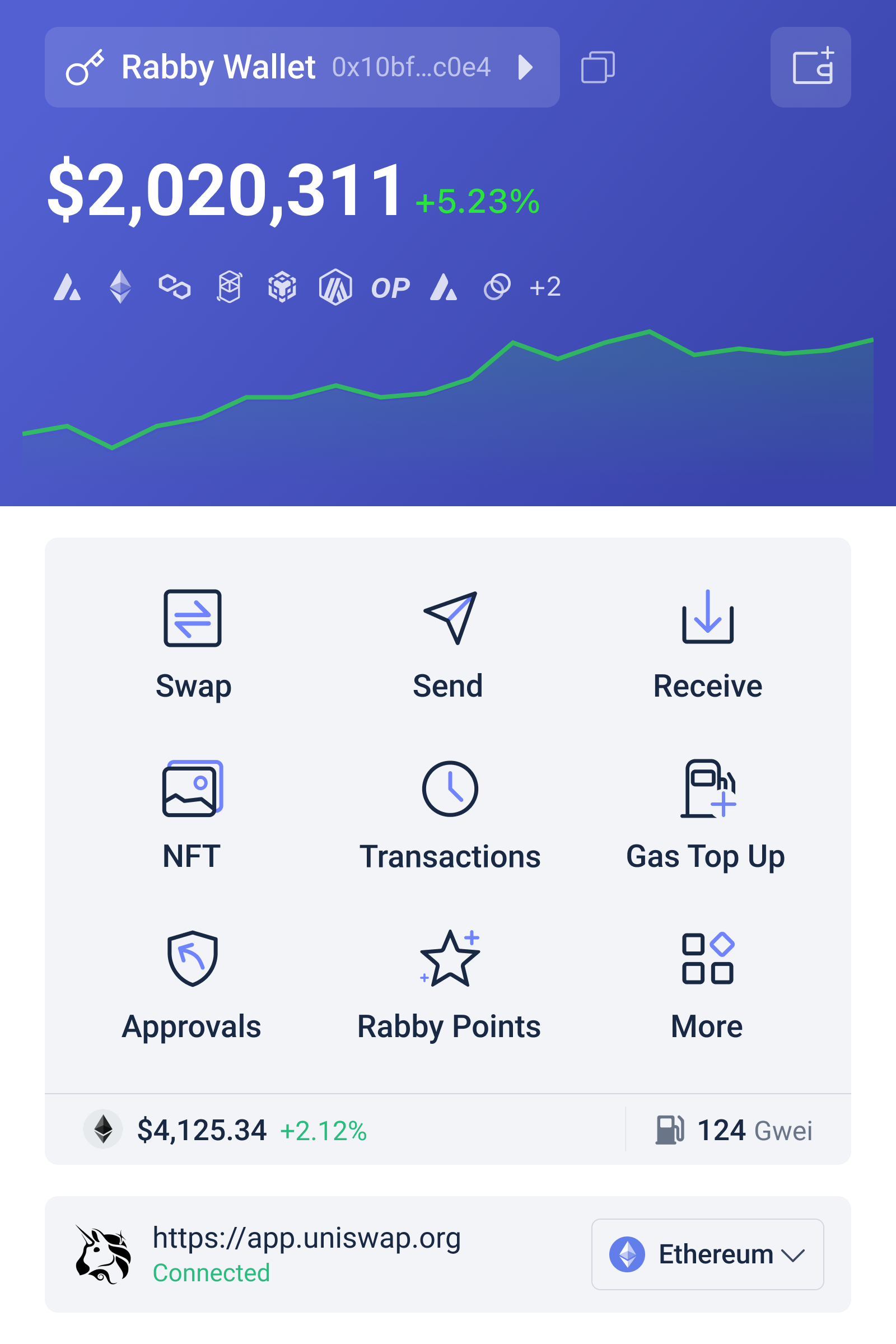
Wallet interface illustrating how transaction details and DeFi contract interactions can be evaluated before signing

Three approaches to connecting with DeFi protocols

The simplest approach is a conventional browser wallet that exposes a dApp’s connection request and asks the user to approve signatures. This is convenient and often sufficient for familiar applications, especially when the user understands the network, contract, and asset involved. Its weakness is that convenience can compress a complicated transaction into a generic “confirm” action. The wallet may show a contract address and estimated gas, but those fields do not necessarily explain whether a user is granting spending authority, trading one asset for another, or interacting with a contract that has unexpected logic.

A second approach is a transaction-aware wallet that adds simulation and contextual risk signals before signing. Simulation attempts to model the likely state changes: which tokens leave the wallet, which assets arrive, whether an approval is created, and whether the transaction is likely to fail. This changes the user’s task from reading raw calldata—a technical encoding of contract instructions—to reviewing an estimated outcome. Tools such as here can be useful in this layer because the wallet becomes an interpretation interface rather than merely a key-management tool.

The third approach is a high-discipline setup: a separate signing device or hardware wallet for material balances, a smaller active wallet for experimentation, explicit approval management, and manual checks of domains and contract addresses. This offers stronger compartmentalization, but it also introduces friction. A hardware wallet can protect private keys from many malware scenarios while still allowing a user to approve a malicious transaction. Security improves only if the transaction details are understandable on the signing path and the user is willing to stop when the information is unclear.

These approaches are not mutually exclusive. A user might use a transaction-aware browser wallet for routine DeFi activity, a hardware signer for long-term holdings, and a dedicated test wallet for new protocols. The best design depends on exposure. A small liquidity experiment and a six-figure treasury should not share the same assumptions, even if both use the same blockchain and dApp interface.

Why simulation helps—and where it can mislead

Transaction simulation is valuable because it addresses a fundamental asymmetry in DeFi: contracts are deterministic at execution, but the user interface may be ambiguous before execution. If a proposed transaction predicts that a wallet will lose a large amount of a token while receiving nothing meaningful, that is a powerful reason to stop. Likewise, a warning about an unlimited approval can reveal a risk that is easy to miss when a user is focused on a swap or yield opportunity.

Yet simulation is not a guarantee. It is a forecast under particular assumptions about blockchain state, pricing, block timing, and contract behavior. A transaction may be simulated against one state and executed against another. Market prices can move, liquidity can change, and a contract can depend on information that evolves between signing and inclusion. Some protocols also use upgradeable contracts, external price feeds, callbacks, or complex routing logic that makes the economic outcome harder to summarize completely.

The boundary condition is especially important for approvals. An approval is not the same as a transfer, but it can give a contract permission to transfer tokens later, subject to the allowance. Revoking unused approvals reduces one attack surface, yet it does not repair a compromised protocol, reverse a completed transaction, or protect a user who signs a new malicious approval. Approval hygiene is risk reduction, not risk elimination.

There is a related distinction between wallet-level and protocol-level security. A wallet can identify suspicious patterns, flag a risky contract, and make the expected result clearer. It cannot prove that a lending market’s collateral model will remain solvent, that an oracle will remain accurate, or that a bridge’s validators will behave honestly. The wallet helps with authorization risk; it does not fully underwrite economic, governance, liquidity, or smart-contract risk.

A practical framework for assessing a new dApp

Before connecting, verify the domain through a trusted route rather than a search advertisement or unsolicited message. Check the intended network and confirm that the dApp’s purpose matches the action being requested. A site that claims to offer a token claim but requests permission to move unrelated assets deserves immediate suspicion.

Before signing, classify the request. Is it a read-only connection, a message signature, an approval, a swap, a deposit, a withdrawal, or an administrative action? These categories carry different consequences. A message signature may not move funds immediately, but it can still be dangerous when used in phishing systems or off-chain authorization schemes. A token approval may appear routine while creating a future pathway for asset movement.

Then compare the intended economic result with the simulated result. Look for the assets leaving the wallet, the assets arriving, the spender address, the approval amount, and any unexpected contract calls. If the result is unavailable, contradictory, or too vague to interpret, uncertainty itself is a risk signal. Do not treat a missing simulation as evidence that the transaction is harmless; it may simply mean the action is too complex or unsupported to model confidently.

Finally, size the position according to the uncertainty that remains. A new protocol with limited history, unaudited code, concentrated liquidity, or upgradeable administration may warrant only an amount the user can afford to lose. This is not pessimism. It is a way to keep a single contract failure from becoming a total custody failure. Separating wallets can also reduce blast radius, although it cannot prevent mistakes if the same seed phrase, browser session, or signing habit links them operationally.

What to watch as wallet integration evolves

Recent project messaging dated August 24, 2026, emphasizes Rabby Wallet’s support for Ethereum and EVM chains, along with extension access through browsers such as Chrome and Brave. The meaningful development is less the number of supported networks than the challenge it creates: as users move across chains, the wallet must help them distinguish network context, contract identity, token representation, and transaction consequences. Multichain convenience can reduce friction, but it can also increase the chance of sending assets on the wrong network or trusting a familiar-looking dApp in an unfamiliar environment.

A plausible next phase of wallet design is more useful transaction explanation, not simply more warnings. The strongest systems would help users compare intended action with predicted state change, identify unusual permissions, and make uncertainty visible. That remains conditional on reliable simulation infrastructure and clear protocol metadata. If those inputs are incomplete, a polished warning system could create false confidence—the dangerous belief that everything not flagged has been verified.

The durable lesson is simple but easy to overlook: the wallet is part of the security boundary, not the whole boundary. Use simulation as a decision aid, approvals as permissions to review, and dApp integration as an ongoing trust relationship rather than a one-click event. The safest DeFi workflow is not the one with the fewest prompts. It is the one in which every important prompt can be understood before a key is used.

Frequently asked questions

Does transaction simulation make a DeFi transaction safe?

No. It can reveal likely balance changes, approvals, and failures before signing, which improves decision quality. But it is based on assumptions about current blockchain state and contract behavior. It cannot guarantee future execution, protocol solvency, honest governance, or protection from every phishing and key-compromise scenario.

Should I use one wallet for all DeFi activity?

Using one wallet is convenient but increases concentration risk. A more resilient setup separates long-term holdings from experimental or frequent activity, potentially adding a hardware signer for higher-value assets. The right arrangement depends on the amount at risk, the user’s operational discipline, and how much complexity they can manage without introducing new mistakes.

What is the most important detail to check before approving a dApp transaction?

Check the expected state change: what leaves the wallet, what arrives, which contract receives permission, and whether the approval amount is appropriate. If those details do not match the action you intended, stop. A familiar interface or popular protocol name is not a substitute for verifying the actual transaction.

DeFi dApp Integration Is Not a Connection Problem—It Is a Risk-Interpretation Problem

A common misconception in decentralized finance is that a wallet is safe once it connects to the right website. In practice, the connection is only the beginning. A decentralized application, or dApp, can request a signature, create token approvals, route a swap through several contracts, or submit a transaction whose final economic effect is difficult to see from a short prompt. The important question is not simply, “Can this wallet connect?” It is, “Can the user understand what the connection and transaction will permit?”

That distinction matters because DeFi risk sits at the boundary between software and judgment. Smart contracts may execute exactly as written, yet the user may misunderstand what was authorized. A wallet can improve visibility, simulation, and warning signals, but it cannot make an unaudited protocol trustworthy or eliminate every unfamiliar risk. For US-based users managing assets across Ethereum and other EVM-compatible networks, the practical comparison is therefore between different layers of control: basic browser-wallet integration, advanced transaction-aware wallets, and more deliberate operational setups that combine wallet safeguards with independent verification.

Wallet interface illustrating how transaction details and DeFi contract interactions can be evaluated before signing

Three approaches to connecting with DeFi protocols

The simplest approach is a conventional browser wallet that exposes a dApp’s connection request and asks the user to approve signatures. This is convenient and often sufficient for familiar applications, especially when the user understands the network, contract, and asset involved. Its weakness is that convenience can compress a complicated transaction into a generic “confirm” action. The wallet may show a contract address and estimated gas, but those fields do not necessarily explain whether a user is granting spending authority, trading one asset for another, or interacting with a contract that has unexpected logic.

A second approach is a transaction-aware wallet that adds simulation and contextual risk signals before signing. Simulation attempts to model the likely state changes: which tokens leave the wallet, which assets arrive, whether an approval is created, and whether the transaction is likely to fail. This changes the user’s task from reading raw calldata—a technical encoding of contract instructions—to reviewing an estimated outcome. Tools such as here can be useful in this layer because the wallet becomes an interpretation interface rather than merely a key-management tool.

The third approach is a high-discipline setup: a separate signing device or hardware wallet for material balances, a smaller active wallet for experimentation, explicit approval management, and manual checks of domains and contract addresses. This offers stronger compartmentalization, but it also introduces friction. A hardware wallet can protect private keys from many malware scenarios while still allowing a user to approve a malicious transaction. Security improves only if the transaction details are understandable on the signing path and the user is willing to stop when the information is unclear.

These approaches are not mutually exclusive. A user might use a transaction-aware browser wallet for routine DeFi activity, a hardware signer for long-term holdings, and a dedicated test wallet for new protocols. The best design depends on exposure. A small liquidity experiment and a six-figure treasury should not share the same assumptions, even if both use the same blockchain and dApp interface.

Why simulation helps—and where it can mislead

Transaction simulation is valuable because it addresses a fundamental asymmetry in DeFi: contracts are deterministic at execution, but the user interface may be ambiguous before execution. If a proposed transaction predicts that a wallet will lose a large amount of a token while receiving nothing meaningful, that is a powerful reason to stop. Likewise, a warning about an unlimited approval can reveal a risk that is easy to miss when a user is focused on a swap or yield opportunity.

Yet simulation is not a guarantee. It is a forecast under particular assumptions about blockchain state, pricing, block timing, and contract behavior. A transaction may be simulated against one state and executed against another. Market prices can move, liquidity can change, and a contract can depend on information that evolves between signing and inclusion. Some protocols also use upgradeable contracts, external price feeds, callbacks, or complex routing logic that makes the economic outcome harder to summarize completely.

The boundary condition is especially important for approvals. An approval is not the same as a transfer, but it can give a contract permission to transfer tokens later, subject to the allowance. Revoking unused approvals reduces one attack surface, yet it does not repair a compromised protocol, reverse a completed transaction, or protect a user who signs a new malicious approval. Approval hygiene is risk reduction, not risk elimination.

There is a related distinction between wallet-level and protocol-level security. A wallet can identify suspicious patterns, flag a risky contract, and make the expected result clearer. It cannot prove that a lending market’s collateral model will remain solvent, that an oracle will remain accurate, or that a bridge’s validators will behave honestly. The wallet helps with authorization risk; it does not fully underwrite economic, governance, liquidity, or smart-contract risk.

A practical framework for assessing a new dApp

Before connecting, verify the domain through a trusted route rather than a search advertisement or unsolicited message. Check the intended network and confirm that the dApp’s purpose matches the action being requested. A site that claims to offer a token claim but requests permission to move unrelated assets deserves immediate suspicion.

Before signing, classify the request. Is it a read-only connection, a message signature, an approval, a swap, a deposit, a withdrawal, or an administrative action? These categories carry different consequences. A message signature may not move funds immediately, but it can still be dangerous when used in phishing systems or off-chain authorization schemes. A token approval may appear routine while creating a future pathway for asset movement.

Then compare the intended economic result with the simulated result. Look for the assets leaving the wallet, the assets arriving, the spender address, the approval amount, and any unexpected contract calls. If the result is unavailable, contradictory, or too vague to interpret, uncertainty itself is a risk signal. Do not treat a missing simulation as evidence that the transaction is harmless; it may simply mean the action is too complex or unsupported to model confidently.

Finally, size the position according to the uncertainty that remains. A new protocol with limited history, unaudited code, concentrated liquidity, or upgradeable administration may warrant only an amount the user can afford to lose. This is not pessimism. It is a way to keep a single contract failure from becoming a total custody failure. Separating wallets can also reduce blast radius, although it cannot prevent mistakes if the same seed phrase, browser session, or signing habit links them operationally.

What to watch as wallet integration evolves

Recent project messaging dated August 24, 2026, emphasizes Rabby Wallet’s support for Ethereum and EVM chains, along with extension access through browsers such as Chrome and Brave. The meaningful development is less the number of supported networks than the challenge it creates: as users move across chains, the wallet must help them distinguish network context, contract identity, token representation, and transaction consequences. Multichain convenience can reduce friction, but it can also increase the chance of sending assets on the wrong network or trusting a familiar-looking dApp in an unfamiliar environment.

A plausible next phase of wallet design is more useful transaction explanation, not simply more warnings. The strongest systems would help users compare intended action with predicted state change, identify unusual permissions, and make uncertainty visible. That remains conditional on reliable simulation infrastructure and clear protocol metadata. If those inputs are incomplete, a polished warning system could create false confidence—the dangerous belief that everything not flagged has been verified.

The durable lesson is simple but easy to overlook: the wallet is part of the security boundary, not the whole boundary. Use simulation as a decision aid, approvals as permissions to review, and dApp integration as an ongoing trust relationship rather than a one-click event. The safest DeFi workflow is not the one with the fewest prompts. It is the one in which every important prompt can be understood before a key is used.

Frequently asked questions

Does transaction simulation make a DeFi transaction safe?

No. It can reveal likely balance changes, approvals, and failures before signing, which improves decision quality. But it is based on assumptions about current blockchain state and contract behavior. It cannot guarantee future execution, protocol solvency, honest governance, or protection from every phishing and key-compromise scenario.

Should I use one wallet for all DeFi activity?

Using one wallet is convenient but increases concentration risk. A more resilient setup separates long-term holdings from experimental or frequent activity, potentially adding a hardware signer for higher-value assets. The right arrangement depends on the amount at risk, the user’s operational discipline, and how much complexity they can manage without introducing new mistakes.

What is the most important detail to check before approving a dApp transaction?

Check the expected state change: what leaves the wallet, what arrives, which contract receives permission, and whether the approval amount is appropriate. If those details do not match the action you intended, stop. A familiar interface or popular protocol name is not a substitute for verifying the actual transaction.

DeFi dApp Integration Is Not a Connection Problem—It Is a Risk-Interpretation Problem

A common misconception in decentralized finance is that a wallet is safe once it connects to the right website. In practice, the connection is only the beginning. A decentralized application, or dApp, can request a signature, create token approvals, route a swap through several contracts, or submit a transaction whose final economic effect is difficult to see from a short prompt. The important question is not simply, “Can this wallet connect?” It is, “Can the user understand what the connection and transaction will permit?”

That distinction matters because DeFi risk sits at the boundary between software and judgment. Smart contracts may execute exactly as written, yet the user may misunderstand what was authorized. A wallet can improve visibility, simulation, and warning signals, but it cannot make an unaudited protocol trustworthy or eliminate every unfamiliar risk. For US-based users managing assets across Ethereum and other EVM-compatible networks, the practical comparison is therefore between different layers of control: basic browser-wallet integration, advanced transaction-aware wallets, and more deliberate operational setups that combine wallet safeguards with independent verification.

Wallet interface illustrating how transaction details and DeFi contract interactions can be evaluated before signing

Three approaches to connecting with DeFi protocols

The simplest approach is a conventional browser wallet that exposes a dApp’s connection request and asks the user to approve signatures. This is convenient and often sufficient for familiar applications, especially when the user understands the network, contract, and asset involved. Its weakness is that convenience can compress a complicated transaction into a generic “confirm” action. The wallet may show a contract address and estimated gas, but those fields do not necessarily explain whether a user is granting spending authority, trading one asset for another, or interacting with a contract that has unexpected logic.

A second approach is a transaction-aware wallet that adds simulation and contextual risk signals before signing. Simulation attempts to model the likely state changes: which tokens leave the wallet, which assets arrive, whether an approval is created, and whether the transaction is likely to fail. This changes the user’s task from reading raw calldata—a technical encoding of contract instructions—to reviewing an estimated outcome. Tools such as here can be useful in this layer because the wallet becomes an interpretation interface rather than merely a key-management tool.

The third approach is a high-discipline setup: a separate signing device or hardware wallet for material balances, a smaller active wallet for experimentation, explicit approval management, and manual checks of domains and contract addresses. This offers stronger compartmentalization, but it also introduces friction. A hardware wallet can protect private keys from many malware scenarios while still allowing a user to approve a malicious transaction. Security improves only if the transaction details are understandable on the signing path and the user is willing to stop when the information is unclear.

These approaches are not mutually exclusive. A user might use a transaction-aware browser wallet for routine DeFi activity, a hardware signer for long-term holdings, and a dedicated test wallet for new protocols. The best design depends on exposure. A small liquidity experiment and a six-figure treasury should not share the same assumptions, even if both use the same blockchain and dApp interface.

Why simulation helps—and where it can mislead

Transaction simulation is valuable because it addresses a fundamental asymmetry in DeFi: contracts are deterministic at execution, but the user interface may be ambiguous before execution. If a proposed transaction predicts that a wallet will lose a large amount of a token while receiving nothing meaningful, that is a powerful reason to stop. Likewise, a warning about an unlimited approval can reveal a risk that is easy to miss when a user is focused on a swap or yield opportunity.

Yet simulation is not a guarantee. It is a forecast under particular assumptions about blockchain state, pricing, block timing, and contract behavior. A transaction may be simulated against one state and executed against another. Market prices can move, liquidity can change, and a contract can depend on information that evolves between signing and inclusion. Some protocols also use upgradeable contracts, external price feeds, callbacks, or complex routing logic that makes the economic outcome harder to summarize completely.

The boundary condition is especially important for approvals. An approval is not the same as a transfer, but it can give a contract permission to transfer tokens later, subject to the allowance. Revoking unused approvals reduces one attack surface, yet it does not repair a compromised protocol, reverse a completed transaction, or protect a user who signs a new malicious approval. Approval hygiene is risk reduction, not risk elimination.

There is a related distinction between wallet-level and protocol-level security. A wallet can identify suspicious patterns, flag a risky contract, and make the expected result clearer. It cannot prove that a lending market’s collateral model will remain solvent, that an oracle will remain accurate, or that a bridge’s validators will behave honestly. The wallet helps with authorization risk; it does not fully underwrite economic, governance, liquidity, or smart-contract risk.

A practical framework for assessing a new dApp

Before connecting, verify the domain through a trusted route rather than a search advertisement or unsolicited message. Check the intended network and confirm that the dApp’s purpose matches the action being requested. A site that claims to offer a token claim but requests permission to move unrelated assets deserves immediate suspicion.

Before signing, classify the request. Is it a read-only connection, a message signature, an approval, a swap, a deposit, a withdrawal, or an administrative action? These categories carry different consequences. A message signature may not move funds immediately, but it can still be dangerous when used in phishing systems or off-chain authorization schemes. A token approval may appear routine while creating a future pathway for asset movement.

Then compare the intended economic result with the simulated result. Look for the assets leaving the wallet, the assets arriving, the spender address, the approval amount, and any unexpected contract calls. If the result is unavailable, contradictory, or too vague to interpret, uncertainty itself is a risk signal. Do not treat a missing simulation as evidence that the transaction is harmless; it may simply mean the action is too complex or unsupported to model confidently.

Finally, size the position according to the uncertainty that remains. A new protocol with limited history, unaudited code, concentrated liquidity, or upgradeable administration may warrant only an amount the user can afford to lose. This is not pessimism. It is a way to keep a single contract failure from becoming a total custody failure. Separating wallets can also reduce blast radius, although it cannot prevent mistakes if the same seed phrase, browser session, or signing habit links them operationally.

What to watch as wallet integration evolves

Recent project messaging dated August 24, 2026, emphasizes Rabby Wallet’s support for Ethereum and EVM chains, along with extension access through browsers such as Chrome and Brave. The meaningful development is less the number of supported networks than the challenge it creates: as users move across chains, the wallet must help them distinguish network context, contract identity, token representation, and transaction consequences. Multichain convenience can reduce friction, but it can also increase the chance of sending assets on the wrong network or trusting a familiar-looking dApp in an unfamiliar environment.

A plausible next phase of wallet design is more useful transaction explanation, not simply more warnings. The strongest systems would help users compare intended action with predicted state change, identify unusual permissions, and make uncertainty visible. That remains conditional on reliable simulation infrastructure and clear protocol metadata. If those inputs are incomplete, a polished warning system could create false confidence—the dangerous belief that everything not flagged has been verified.

The durable lesson is simple but easy to overlook: the wallet is part of the security boundary, not the whole boundary. Use simulation as a decision aid, approvals as permissions to review, and dApp integration as an ongoing trust relationship rather than a one-click event. The safest DeFi workflow is not the one with the fewest prompts. It is the one in which every important prompt can be understood before a key is used.

Frequently asked questions

Does transaction simulation make a DeFi transaction safe?

No. It can reveal likely balance changes, approvals, and failures before signing, which improves decision quality. But it is based on assumptions about current blockchain state and contract behavior. It cannot guarantee future execution, protocol solvency, honest governance, or protection from every phishing and key-compromise scenario.

Should I use one wallet for all DeFi activity?

Using one wallet is convenient but increases concentration risk. A more resilient setup separates long-term holdings from experimental or frequent activity, potentially adding a hardware signer for higher-value assets. The right arrangement depends on the amount at risk, the user’s operational discipline, and how much complexity they can manage without introducing new mistakes.

What is the most important detail to check before approving a dApp transaction?

Check the expected state change: what leaves the wallet, what arrives, which contract receives permission, and whether the approval amount is appropriate. If those details do not match the action you intended, stop. A familiar interface or popular protocol name is not a substitute for verifying the actual transaction.

DeFi dApp Integration Is Not a Connection Problem—It Is a Risk-Interpretation Problem

A common misconception in decentralized finance is that a wallet is safe once it connects to the right website. In practice, the connection is only the beginning. A decentralized application, or dApp, can request a signature, create token approvals, route a swap through several contracts, or submit a transaction whose final economic effect is difficult to see from a short prompt. The important question is not simply, “Can this wallet connect?” It is, “Can the user understand what the connection and transaction will permit?”

That distinction matters because DeFi risk sits at the boundary between software and judgment. Smart contracts may execute exactly as written, yet the user may misunderstand what was authorized. A wallet can improve visibility, simulation, and warning signals, but it cannot make an unaudited protocol trustworthy or eliminate every unfamiliar risk. For US-based users managing assets across Ethereum and other EVM-compatible networks, the practical comparison is therefore between different layers of control: basic browser-wallet integration, advanced transaction-aware wallets, and more deliberate operational setups that combine wallet safeguards with independent verification.

Wallet interface illustrating how transaction details and DeFi contract interactions can be evaluated before signing

Three approaches to connecting with DeFi protocols

The simplest approach is a conventional browser wallet that exposes a dApp’s connection request and asks the user to approve signatures. This is convenient and often sufficient for familiar applications, especially when the user understands the network, contract, and asset involved. Its weakness is that convenience can compress a complicated transaction into a generic “confirm” action. The wallet may show a contract address and estimated gas, but those fields do not necessarily explain whether a user is granting spending authority, trading one asset for another, or interacting with a contract that has unexpected logic.

A second approach is a transaction-aware wallet that adds simulation and contextual risk signals before signing. Simulation attempts to model the likely state changes: which tokens leave the wallet, which assets arrive, whether an approval is created, and whether the transaction is likely to fail. This changes the user’s task from reading raw calldata—a technical encoding of contract instructions—to reviewing an estimated outcome. Tools such as here can be useful in this layer because the wallet becomes an interpretation interface rather than merely a key-management tool.

The third approach is a high-discipline setup: a separate signing device or hardware wallet for material balances, a smaller active wallet for experimentation, explicit approval management, and manual checks of domains and contract addresses. This offers stronger compartmentalization, but it also introduces friction. A hardware wallet can protect private keys from many malware scenarios while still allowing a user to approve a malicious transaction. Security improves only if the transaction details are understandable on the signing path and the user is willing to stop when the information is unclear.

These approaches are not mutually exclusive. A user might use a transaction-aware browser wallet for routine DeFi activity, a hardware signer for long-term holdings, and a dedicated test wallet for new protocols. The best design depends on exposure. A small liquidity experiment and a six-figure treasury should not share the same assumptions, even if both use the same blockchain and dApp interface.

Why simulation helps—and where it can mislead

Transaction simulation is valuable because it addresses a fundamental asymmetry in DeFi: contracts are deterministic at execution, but the user interface may be ambiguous before execution. If a proposed transaction predicts that a wallet will lose a large amount of a token while receiving nothing meaningful, that is a powerful reason to stop. Likewise, a warning about an unlimited approval can reveal a risk that is easy to miss when a user is focused on a swap or yield opportunity.

Yet simulation is not a guarantee. It is a forecast under particular assumptions about blockchain state, pricing, block timing, and contract behavior. A transaction may be simulated against one state and executed against another. Market prices can move, liquidity can change, and a contract can depend on information that evolves between signing and inclusion. Some protocols also use upgradeable contracts, external price feeds, callbacks, or complex routing logic that makes the economic outcome harder to summarize completely.

The boundary condition is especially important for approvals. An approval is not the same as a transfer, but it can give a contract permission to transfer tokens later, subject to the allowance. Revoking unused approvals reduces one attack surface, yet it does not repair a compromised protocol, reverse a completed transaction, or protect a user who signs a new malicious approval. Approval hygiene is risk reduction, not risk elimination.

There is a related distinction between wallet-level and protocol-level security. A wallet can identify suspicious patterns, flag a risky contract, and make the expected result clearer. It cannot prove that a lending market’s collateral model will remain solvent, that an oracle will remain accurate, or that a bridge’s validators will behave honestly. The wallet helps with authorization risk; it does not fully underwrite economic, governance, liquidity, or smart-contract risk.

A practical framework for assessing a new dApp

Before connecting, verify the domain through a trusted route rather than a search advertisement or unsolicited message. Check the intended network and confirm that the dApp’s purpose matches the action being requested. A site that claims to offer a token claim but requests permission to move unrelated assets deserves immediate suspicion.

Before signing, classify the request. Is it a read-only connection, a message signature, an approval, a swap, a deposit, a withdrawal, or an administrative action? These categories carry different consequences. A message signature may not move funds immediately, but it can still be dangerous when used in phishing systems or off-chain authorization schemes. A token approval may appear routine while creating a future pathway for asset movement.

Then compare the intended economic result with the simulated result. Look for the assets leaving the wallet, the assets arriving, the spender address, the approval amount, and any unexpected contract calls. If the result is unavailable, contradictory, or too vague to interpret, uncertainty itself is a risk signal. Do not treat a missing simulation as evidence that the transaction is harmless; it may simply mean the action is too complex or unsupported to model confidently.

Finally, size the position according to the uncertainty that remains. A new protocol with limited history, unaudited code, concentrated liquidity, or upgradeable administration may warrant only an amount the user can afford to lose. This is not pessimism. It is a way to keep a single contract failure from becoming a total custody failure. Separating wallets can also reduce blast radius, although it cannot prevent mistakes if the same seed phrase, browser session, or signing habit links them operationally.

What to watch as wallet integration evolves

Recent project messaging dated August 24, 2026, emphasizes Rabby Wallet’s support for Ethereum and EVM chains, along with extension access through browsers such as Chrome and Brave. The meaningful development is less the number of supported networks than the challenge it creates: as users move across chains, the wallet must help them distinguish network context, contract identity, token representation, and transaction consequences. Multichain convenience can reduce friction, but it can also increase the chance of sending assets on the wrong network or trusting a familiar-looking dApp in an unfamiliar environment.

A plausible next phase of wallet design is more useful transaction explanation, not simply more warnings. The strongest systems would help users compare intended action with predicted state change, identify unusual permissions, and make uncertainty visible. That remains conditional on reliable simulation infrastructure and clear protocol metadata. If those inputs are incomplete, a polished warning system could create false confidence—the dangerous belief that everything not flagged has been verified.

The durable lesson is simple but easy to overlook: the wallet is part of the security boundary, not the whole boundary. Use simulation as a decision aid, approvals as permissions to review, and dApp integration as an ongoing trust relationship rather than a one-click event. The safest DeFi workflow is not the one with the fewest prompts. It is the one in which every important prompt can be understood before a key is used.

Frequently asked questions

Does transaction simulation make a DeFi transaction safe?

No. It can reveal likely balance changes, approvals, and failures before signing, which improves decision quality. But it is based on assumptions about current blockchain state and contract behavior. It cannot guarantee future execution, protocol solvency, honest governance, or protection from every phishing and key-compromise scenario.

Should I use one wallet for all DeFi activity?

Using one wallet is convenient but increases concentration risk. A more resilient setup separates long-term holdings from experimental or frequent activity, potentially adding a hardware signer for higher-value assets. The right arrangement depends on the amount at risk, the user’s operational discipline, and how much complexity they can manage without introducing new mistakes.

What is the most important detail to check before approving a dApp transaction?

Check the expected state change: what leaves the wallet, what arrives, which contract receives permission, and whether the approval amount is appropriate. If those details do not match the action you intended, stop. A familiar interface or popular protocol name is not a substitute for verifying the actual transaction.

DeFi dApp Integration Is Not a Connection Problem—It Is a Risk-Interpretation Problem

A common misconception in decentralized finance is that a wallet is safe once it connects to the right website. In practice, the connection is only the beginning. A decentralized application, or dApp, can request a signature, create token approvals, route a swap through several contracts, or submit a transaction whose final economic effect is difficult to see from a short prompt. The important question is not simply, “Can this wallet connect?” It is, “Can the user understand what the connection and transaction will permit?”

That distinction matters because DeFi risk sits at the boundary between software and judgment. Smart contracts may execute exactly as written, yet the user may misunderstand what was authorized. A wallet can improve visibility, simulation, and warning signals, but it cannot make an unaudited protocol trustworthy or eliminate every unfamiliar risk. For US-based users managing assets across Ethereum and other EVM-compatible networks, the practical comparison is therefore between different layers of control: basic browser-wallet integration, advanced transaction-aware wallets, and more deliberate operational setups that combine wallet safeguards with independent verification.

Wallet interface illustrating how transaction details and DeFi contract interactions can be evaluated before signing

Three approaches to connecting with DeFi protocols

The simplest approach is a conventional browser wallet that exposes a dApp’s connection request and asks the user to approve signatures. This is convenient and often sufficient for familiar applications, especially when the user understands the network, contract, and asset involved. Its weakness is that convenience can compress a complicated transaction into a generic “confirm” action. The wallet may show a contract address and estimated gas, but those fields do not necessarily explain whether a user is granting spending authority, trading one asset for another, or interacting with a contract that has unexpected logic.

A second approach is a transaction-aware wallet that adds simulation and contextual risk signals before signing. Simulation attempts to model the likely state changes: which tokens leave the wallet, which assets arrive, whether an approval is created, and whether the transaction is likely to fail. This changes the user’s task from reading raw calldata—a technical encoding of contract instructions—to reviewing an estimated outcome. Tools such as here can be useful in this layer because the wallet becomes an interpretation interface rather than merely a key-management tool.

The third approach is a high-discipline setup: a separate signing device or hardware wallet for material balances, a smaller active wallet for experimentation, explicit approval management, and manual checks of domains and contract addresses. This offers stronger compartmentalization, but it also introduces friction. A hardware wallet can protect private keys from many malware scenarios while still allowing a user to approve a malicious transaction. Security improves only if the transaction details are understandable on the signing path and the user is willing to stop when the information is unclear.

These approaches are not mutually exclusive. A user might use a transaction-aware browser wallet for routine DeFi activity, a hardware signer for long-term holdings, and a dedicated test wallet for new protocols. The best design depends on exposure. A small liquidity experiment and a six-figure treasury should not share the same assumptions, even if both use the same blockchain and dApp interface.

Why simulation helps—and where it can mislead

Transaction simulation is valuable because it addresses a fundamental asymmetry in DeFi: contracts are deterministic at execution, but the user interface may be ambiguous before execution. If a proposed transaction predicts that a wallet will lose a large amount of a token while receiving nothing meaningful, that is a powerful reason to stop. Likewise, a warning about an unlimited approval can reveal a risk that is easy to miss when a user is focused on a swap or yield opportunity.

Yet simulation is not a guarantee. It is a forecast under particular assumptions about blockchain state, pricing, block timing, and contract behavior. A transaction may be simulated against one state and executed against another. Market prices can move, liquidity can change, and a contract can depend on information that evolves between signing and inclusion. Some protocols also use upgradeable contracts, external price feeds, callbacks, or complex routing logic that makes the economic outcome harder to summarize completely.

The boundary condition is especially important for approvals. An approval is not the same as a transfer, but it can give a contract permission to transfer tokens later, subject to the allowance. Revoking unused approvals reduces one attack surface, yet it does not repair a compromised protocol, reverse a completed transaction, or protect a user who signs a new malicious approval. Approval hygiene is risk reduction, not risk elimination.

There is a related distinction between wallet-level and protocol-level security. A wallet can identify suspicious patterns, flag a risky contract, and make the expected result clearer. It cannot prove that a lending market’s collateral model will remain solvent, that an oracle will remain accurate, or that a bridge’s validators will behave honestly. The wallet helps with authorization risk; it does not fully underwrite economic, governance, liquidity, or smart-contract risk.

A practical framework for assessing a new dApp

Before connecting, verify the domain through a trusted route rather than a search advertisement or unsolicited message. Check the intended network and confirm that the dApp’s purpose matches the action being requested. A site that claims to offer a token claim but requests permission to move unrelated assets deserves immediate suspicion.

Before signing, classify the request. Is it a read-only connection, a message signature, an approval, a swap, a deposit, a withdrawal, or an administrative action? These categories carry different consequences. A message signature may not move funds immediately, but it can still be dangerous when used in phishing systems or off-chain authorization schemes. A token approval may appear routine while creating a future pathway for asset movement.

Then compare the intended economic result with the simulated result. Look for the assets leaving the wallet, the assets arriving, the spender address, the approval amount, and any unexpected contract calls. If the result is unavailable, contradictory, or too vague to interpret, uncertainty itself is a risk signal. Do not treat a missing simulation as evidence that the transaction is harmless; it may simply mean the action is too complex or unsupported to model confidently.

Finally, size the position according to the uncertainty that remains. A new protocol with limited history, unaudited code, concentrated liquidity, or upgradeable administration may warrant only an amount the user can afford to lose. This is not pessimism. It is a way to keep a single contract failure from becoming a total custody failure. Separating wallets can also reduce blast radius, although it cannot prevent mistakes if the same seed phrase, browser session, or signing habit links them operationally.

What to watch as wallet integration evolves

Recent project messaging dated August 24, 2026, emphasizes Rabby Wallet’s support for Ethereum and EVM chains, along with extension access through browsers such as Chrome and Brave. The meaningful development is less the number of supported networks than the challenge it creates: as users move across chains, the wallet must help them distinguish network context, contract identity, token representation, and transaction consequences. Multichain convenience can reduce friction, but it can also increase the chance of sending assets on the wrong network or trusting a familiar-looking dApp in an unfamiliar environment.

A plausible next phase of wallet design is more useful transaction explanation, not simply more warnings. The strongest systems would help users compare intended action with predicted state change, identify unusual permissions, and make uncertainty visible. That remains conditional on reliable simulation infrastructure and clear protocol metadata. If those inputs are incomplete, a polished warning system could create false confidence—the dangerous belief that everything not flagged has been verified.

The durable lesson is simple but easy to overlook: the wallet is part of the security boundary, not the whole boundary. Use simulation as a decision aid, approvals as permissions to review, and dApp integration as an ongoing trust relationship rather than a one-click event. The safest DeFi workflow is not the one with the fewest prompts. It is the one in which every important prompt can be understood before a key is used.

Frequently asked questions

Does transaction simulation make a DeFi transaction safe?

No. It can reveal likely balance changes, approvals, and failures before signing, which improves decision quality. But it is based on assumptions about current blockchain state and contract behavior. It cannot guarantee future execution, protocol solvency, honest governance, or protection from every phishing and key-compromise scenario.

Should I use one wallet for all DeFi activity?

Using one wallet is convenient but increases concentration risk. A more resilient setup separates long-term holdings from experimental or frequent activity, potentially adding a hardware signer for higher-value assets. The right arrangement depends on the amount at risk, the user’s operational discipline, and how much complexity they can manage without introducing new mistakes.

What is the most important detail to check before approving a dApp transaction?

Check the expected state change: what leaves the wallet, what arrives, which contract receives permission, and whether the approval amount is appropriate. If those details do not match the action you intended, stop. A familiar interface or popular protocol name is not a substitute for verifying the actual transaction.

DeFi dApp Integration Is Not a Connection Problem—It Is a Risk-Interpretation Problem

A common misconception in decentralized finance is that a wallet is safe once it connects to the right website. In practice, the connection is only the beginning. A decentralized application, or dApp, can request a signature, create token approvals, route a swap through several contracts, or submit a transaction whose final economic effect is difficult to see from a short prompt. The important question is not simply, “Can this wallet connect?” It is, “Can the user understand what the connection and transaction will permit?”

That distinction matters because DeFi risk sits at the boundary between software and judgment. Smart contracts may execute exactly as written, yet the user may misunderstand what was authorized. A wallet can improve visibility, simulation, and warning signals, but it cannot make an unaudited protocol trustworthy or eliminate every unfamiliar risk. For US-based users managing assets across Ethereum and other EVM-compatible networks, the practical comparison is therefore between different layers of control: basic browser-wallet integration, advanced transaction-aware wallets, and more deliberate operational setups that combine wallet safeguards with independent verification.

Wallet interface illustrating how transaction details and DeFi contract interactions can be evaluated before signing

Three approaches to connecting with DeFi protocols

The simplest approach is a conventional browser wallet that exposes a dApp’s connection request and asks the user to approve signatures. This is convenient and often sufficient for familiar applications, especially when the user understands the network, contract, and asset involved. Its weakness is that convenience can compress a complicated transaction into a generic “confirm” action. The wallet may show a contract address and estimated gas, but those fields do not necessarily explain whether a user is granting spending authority, trading one asset for another, or interacting with a contract that has unexpected logic.

A second approach is a transaction-aware wallet that adds simulation and contextual risk signals before signing. Simulation attempts to model the likely state changes: which tokens leave the wallet, which assets arrive, whether an approval is created, and whether the transaction is likely to fail. This changes the user’s task from reading raw calldata—a technical encoding of contract instructions—to reviewing an estimated outcome. Tools such as here can be useful in this layer because the wallet becomes an interpretation interface rather than merely a key-management tool.

The third approach is a high-discipline setup: a separate signing device or hardware wallet for material balances, a smaller active wallet for experimentation, explicit approval management, and manual checks of domains and contract addresses. This offers stronger compartmentalization, but it also introduces friction. A hardware wallet can protect private keys from many malware scenarios while still allowing a user to approve a malicious transaction. Security improves only if the transaction details are understandable on the signing path and the user is willing to stop when the information is unclear.

These approaches are not mutually exclusive. A user might use a transaction-aware browser wallet for routine DeFi activity, a hardware signer for long-term holdings, and a dedicated test wallet for new protocols. The best design depends on exposure. A small liquidity experiment and a six-figure treasury should not share the same assumptions, even if both use the same blockchain and dApp interface.

Why simulation helps—and where it can mislead

Transaction simulation is valuable because it addresses a fundamental asymmetry in DeFi: contracts are deterministic at execution, but the user interface may be ambiguous before execution. If a proposed transaction predicts that a wallet will lose a large amount of a token while receiving nothing meaningful, that is a powerful reason to stop. Likewise, a warning about an unlimited approval can reveal a risk that is easy to miss when a user is focused on a swap or yield opportunity.

Yet simulation is not a guarantee. It is a forecast under particular assumptions about blockchain state, pricing, block timing, and contract behavior. A transaction may be simulated against one state and executed against another. Market prices can move, liquidity can change, and a contract can depend on information that evolves between signing and inclusion. Some protocols also use upgradeable contracts, external price feeds, callbacks, or complex routing logic that makes the economic outcome harder to summarize completely.

The boundary condition is especially important for approvals. An approval is not the same as a transfer, but it can give a contract permission to transfer tokens later, subject to the allowance. Revoking unused approvals reduces one attack surface, yet it does not repair a compromised protocol, reverse a completed transaction, or protect a user who signs a new malicious approval. Approval hygiene is risk reduction, not risk elimination.

There is a related distinction between wallet-level and protocol-level security. A wallet can identify suspicious patterns, flag a risky contract, and make the expected result clearer. It cannot prove that a lending market’s collateral model will remain solvent, that an oracle will remain accurate, or that a bridge’s validators will behave honestly. The wallet helps with authorization risk; it does not fully underwrite economic, governance, liquidity, or smart-contract risk.

A practical framework for assessing a new dApp

Before connecting, verify the domain through a trusted route rather than a search advertisement or unsolicited message. Check the intended network and confirm that the dApp’s purpose matches the action being requested. A site that claims to offer a token claim but requests permission to move unrelated assets deserves immediate suspicion.

Before signing, classify the request. Is it a read-only connection, a message signature, an approval, a swap, a deposit, a withdrawal, or an administrative action? These categories carry different consequences. A message signature may not move funds immediately, but it can still be dangerous when used in phishing systems or off-chain authorization schemes. A token approval may appear routine while creating a future pathway for asset movement.

Then compare the intended economic result with the simulated result. Look for the assets leaving the wallet, the assets arriving, the spender address, the approval amount, and any unexpected contract calls. If the result is unavailable, contradictory, or too vague to interpret, uncertainty itself is a risk signal. Do not treat a missing simulation as evidence that the transaction is harmless; it may simply mean the action is too complex or unsupported to model confidently.

Finally, size the position according to the uncertainty that remains. A new protocol with limited history, unaudited code, concentrated liquidity, or upgradeable administration may warrant only an amount the user can afford to lose. This is not pessimism. It is a way to keep a single contract failure from becoming a total custody failure. Separating wallets can also reduce blast radius, although it cannot prevent mistakes if the same seed phrase, browser session, or signing habit links them operationally.

What to watch as wallet integration evolves

Recent project messaging dated August 24, 2026, emphasizes Rabby Wallet’s support for Ethereum and EVM chains, along with extension access through browsers such as Chrome and Brave. The meaningful development is less the number of supported networks than the challenge it creates: as users move across chains, the wallet must help them distinguish network context, contract identity, token representation, and transaction consequences. Multichain convenience can reduce friction, but it can also increase the chance of sending assets on the wrong network or trusting a familiar-looking dApp in an unfamiliar environment.

A plausible next phase of wallet design is more useful transaction explanation, not simply more warnings. The strongest systems would help users compare intended action with predicted state change, identify unusual permissions, and make uncertainty visible. That remains conditional on reliable simulation infrastructure and clear protocol metadata. If those inputs are incomplete, a polished warning system could create false confidence—the dangerous belief that everything not flagged has been verified.

The durable lesson is simple but easy to overlook: the wallet is part of the security boundary, not the whole boundary. Use simulation as a decision aid, approvals as permissions to review, and dApp integration as an ongoing trust relationship rather than a one-click event. The safest DeFi workflow is not the one with the fewest prompts. It is the one in which every important prompt can be understood before a key is used.

Frequently asked questions

Does transaction simulation make a DeFi transaction safe?

No. It can reveal likely balance changes, approvals, and failures before signing, which improves decision quality. But it is based on assumptions about current blockchain state and contract behavior. It cannot guarantee future execution, protocol solvency, honest governance, or protection from every phishing and key-compromise scenario.

Should I use one wallet for all DeFi activity?

Using one wallet is convenient but increases concentration risk. A more resilient setup separates long-term holdings from experimental or frequent activity, potentially adding a hardware signer for higher-value assets. The right arrangement depends on the amount at risk, the user’s operational discipline, and how much complexity they can manage without introducing new mistakes.

What is the most important detail to check before approving a dApp transaction?

Check the expected state change: what leaves the wallet, what arrives, which contract receives permission, and whether the approval amount is appropriate. If those details do not match the action you intended, stop. A familiar interface or popular protocol name is not a substitute for verifying the actual transaction.

DeFi dApp Integration Is Not a Connection Problem—It Is a Risk-Interpretation Problem

A common misconception in decentralized finance is that a wallet is safe once it connects to the right website. In practice, the connection is only the beginning. A decentralized application, or dApp, can request a signature, create token approvals, route a swap through several contracts, or submit a transaction whose final economic effect is difficult to see from a short prompt. The important question is not simply, “Can this wallet connect?” It is, “Can the user understand what the connection and transaction will permit?”

That distinction matters because DeFi risk sits at the boundary between software and judgment. Smart contracts may execute exactly as written, yet the user may misunderstand what was authorized. A wallet can improve visibility, simulation, and warning signals, but it cannot make an unaudited protocol trustworthy or eliminate every unfamiliar risk. For US-based users managing assets across Ethereum and other EVM-compatible networks, the practical comparison is therefore between different layers of control: basic browser-wallet integration, advanced transaction-aware wallets, and more deliberate operational setups that combine wallet safeguards with independent verification.

Wallet interface illustrating how transaction details and DeFi contract interactions can be evaluated before signing

Three approaches to connecting with DeFi protocols

The simplest approach is a conventional browser wallet that exposes a dApp’s connection request and asks the user to approve signatures. This is convenient and often sufficient for familiar applications, especially when the user understands the network, contract, and asset involved. Its weakness is that convenience can compress a complicated transaction into a generic “confirm” action. The wallet may show a contract address and estimated gas, but those fields do not necessarily explain whether a user is granting spending authority, trading one asset for another, or interacting with a contract that has unexpected logic.

A second approach is a transaction-aware wallet that adds simulation and contextual risk signals before signing. Simulation attempts to model the likely state changes: which tokens leave the wallet, which assets arrive, whether an approval is created, and whether the transaction is likely to fail. This changes the user’s task from reading raw calldata—a technical encoding of contract instructions—to reviewing an estimated outcome. Tools such as here can be useful in this layer because the wallet becomes an interpretation interface rather than merely a key-management tool.

The third approach is a high-discipline setup: a separate signing device or hardware wallet for material balances, a smaller active wallet for experimentation, explicit approval management, and manual checks of domains and contract addresses. This offers stronger compartmentalization, but it also introduces friction. A hardware wallet can protect private keys from many malware scenarios while still allowing a user to approve a malicious transaction. Security improves only if the transaction details are understandable on the signing path and the user is willing to stop when the information is unclear.

These approaches are not mutually exclusive. A user might use a transaction-aware browser wallet for routine DeFi activity, a hardware signer for long-term holdings, and a dedicated test wallet for new protocols. The best design depends on exposure. A small liquidity experiment and a six-figure treasury should not share the same assumptions, even if both use the same blockchain and dApp interface.

Why simulation helps—and where it can mislead

Transaction simulation is valuable because it addresses a fundamental asymmetry in DeFi: contracts are deterministic at execution, but the user interface may be ambiguous before execution. If a proposed transaction predicts that a wallet will lose a large amount of a token while receiving nothing meaningful, that is a powerful reason to stop. Likewise, a warning about an unlimited approval can reveal a risk that is easy to miss when a user is focused on a swap or yield opportunity.

Yet simulation is not a guarantee. It is a forecast under particular assumptions about blockchain state, pricing, block timing, and contract behavior. A transaction may be simulated against one state and executed against another. Market prices can move, liquidity can change, and a contract can depend on information that evolves between signing and inclusion. Some protocols also use upgradeable contracts, external price feeds, callbacks, or complex routing logic that makes the economic outcome harder to summarize completely.

The boundary condition is especially important for approvals. An approval is not the same as a transfer, but it can give a contract permission to transfer tokens later, subject to the allowance. Revoking unused approvals reduces one attack surface, yet it does not repair a compromised protocol, reverse a completed transaction, or protect a user who signs a new malicious approval. Approval hygiene is risk reduction, not risk elimination.

There is a related distinction between wallet-level and protocol-level security. A wallet can identify suspicious patterns, flag a risky contract, and make the expected result clearer. It cannot prove that a lending market’s collateral model will remain solvent, that an oracle will remain accurate, or that a bridge’s validators will behave honestly. The wallet helps with authorization risk; it does not fully underwrite economic, governance, liquidity, or smart-contract risk.

A practical framework for assessing a new dApp

Before connecting, verify the domain through a trusted route rather than a search advertisement or unsolicited message. Check the intended network and confirm that the dApp’s purpose matches the action being requested. A site that claims to offer a token claim but requests permission to move unrelated assets deserves immediate suspicion.

Before signing, classify the request. Is it a read-only connection, a message signature, an approval, a swap, a deposit, a withdrawal, or an administrative action? These categories carry different consequences. A message signature may not move funds immediately, but it can still be dangerous when used in phishing systems or off-chain authorization schemes. A token approval may appear routine while creating a future pathway for asset movement.

Then compare the intended economic result with the simulated result. Look for the assets leaving the wallet, the assets arriving, the spender address, the approval amount, and any unexpected contract calls. If the result is unavailable, contradictory, or too vague to interpret, uncertainty itself is a risk signal. Do not treat a missing simulation as evidence that the transaction is harmless; it may simply mean the action is too complex or unsupported to model confidently.

Finally, size the position according to the uncertainty that remains. A new protocol with limited history, unaudited code, concentrated liquidity, or upgradeable administration may warrant only an amount the user can afford to lose. This is not pessimism. It is a way to keep a single contract failure from becoming a total custody failure. Separating wallets can also reduce blast radius, although it cannot prevent mistakes if the same seed phrase, browser session, or signing habit links them operationally.

What to watch as wallet integration evolves

Recent project messaging dated August 24, 2026, emphasizes Rabby Wallet’s support for Ethereum and EVM chains, along with extension access through browsers such as Chrome and Brave. The meaningful development is less the number of supported networks than the challenge it creates: as users move across chains, the wallet must help them distinguish network context, contract identity, token representation, and transaction consequences. Multichain convenience can reduce friction, but it can also increase the chance of sending assets on the wrong network or trusting a familiar-looking dApp in an unfamiliar environment.

A plausible next phase of wallet design is more useful transaction explanation, not simply more warnings. The strongest systems would help users compare intended action with predicted state change, identify unusual permissions, and make uncertainty visible. That remains conditional on reliable simulation infrastructure and clear protocol metadata. If those inputs are incomplete, a polished warning system could create false confidence—the dangerous belief that everything not flagged has been verified.

The durable lesson is simple but easy to overlook: the wallet is part of the security boundary, not the whole boundary. Use simulation as a decision aid, approvals as permissions to review, and dApp integration as an ongoing trust relationship rather than a one-click event. The safest DeFi workflow is not the one with the fewest prompts. It is the one in which every important prompt can be understood before a key is used.

Frequently asked questions

Does transaction simulation make a DeFi transaction safe?

No. It can reveal likely balance changes, approvals, and failures before signing, which improves decision quality. But it is based on assumptions about current blockchain state and contract behavior. It cannot guarantee future execution, protocol solvency, honest governance, or protection from every phishing and key-compromise scenario.

Should I use one wallet for all DeFi activity?

Using one wallet is convenient but increases concentration risk. A more resilient setup separates long-term holdings from experimental or frequent activity, potentially adding a hardware signer for higher-value assets. The right arrangement depends on the amount at risk, the user’s operational discipline, and how much complexity they can manage without introducing new mistakes.

What is the most important detail to check before approving a dApp transaction?

Check the expected state change: what leaves the wallet, what arrives, which contract receives permission, and whether the approval amount is appropriate. If those details do not match the action you intended, stop. A familiar interface or popular protocol name is not a substitute for verifying the actual transaction.

DeFi dApp Integration Is Not a Connection Problem—It Is a Risk-Interpretation Problem

A common misconception in decentralized finance is that a wallet is safe once it connects to the right website. In practice, the connection is only the beginning. A decentralized application, or dApp, can request a signature, create token approvals, route a swap through several contracts, or submit a transaction whose final economic effect is difficult to see from a short prompt. The important question is not simply, “Can this wallet connect?” It is, “Can the user understand what the connection and transaction will permit?”

That distinction matters because DeFi risk sits at the boundary between software and judgment. Smart contracts may execute exactly as written, yet the user may misunderstand what was authorized. A wallet can improve visibility, simulation, and warning signals, but it cannot make an unaudited protocol trustworthy or eliminate every unfamiliar risk. For US-based users managing assets across Ethereum and other EVM-compatible networks, the practical comparison is therefore between different layers of control: basic browser-wallet integration, advanced transaction-aware wallets, and more deliberate operational setups that combine wallet safeguards with independent verification.

Wallet interface illustrating how transaction details and DeFi contract interactions can be evaluated before signing

Three approaches to connecting with DeFi protocols

The simplest approach is a conventional browser wallet that exposes a dApp’s connection request and asks the user to approve signatures. This is convenient and often sufficient for familiar applications, especially when the user understands the network, contract, and asset involved. Its weakness is that convenience can compress a complicated transaction into a generic “confirm” action. The wallet may show a contract address and estimated gas, but those fields do not necessarily explain whether a user is granting spending authority, trading one asset for another, or interacting with a contract that has unexpected logic.

A second approach is a transaction-aware wallet that adds simulation and contextual risk signals before signing. Simulation attempts to model the likely state changes: which tokens leave the wallet, which assets arrive, whether an approval is created, and whether the transaction is likely to fail. This changes the user’s task from reading raw calldata—a technical encoding of contract instructions—to reviewing an estimated outcome. Tools such as here can be useful in this layer because the wallet becomes an interpretation interface rather than merely a key-management tool.

The third approach is a high-discipline setup: a separate signing device or hardware wallet for material balances, a smaller active wallet for experimentation, explicit approval management, and manual checks of domains and contract addresses. This offers stronger compartmentalization, but it also introduces friction. A hardware wallet can protect private keys from many malware scenarios while still allowing a user to approve a malicious transaction. Security improves only if the transaction details are understandable on the signing path and the user is willing to stop when the information is unclear.

These approaches are not mutually exclusive. A user might use a transaction-aware browser wallet for routine DeFi activity, a hardware signer for long-term holdings, and a dedicated test wallet for new protocols. The best design depends on exposure. A small liquidity experiment and a six-figure treasury should not share the same assumptions, even if both use the same blockchain and dApp interface.

Why simulation helps—and where it can mislead

Transaction simulation is valuable because it addresses a fundamental asymmetry in DeFi: contracts are deterministic at execution, but the user interface may be ambiguous before execution. If a proposed transaction predicts that a wallet will lose a large amount of a token while receiving nothing meaningful, that is a powerful reason to stop. Likewise, a warning about an unlimited approval can reveal a risk that is easy to miss when a user is focused on a swap or yield opportunity.

Yet simulation is not a guarantee. It is a forecast under particular assumptions about blockchain state, pricing, block timing, and contract behavior. A transaction may be simulated against one state and executed against another. Market prices can move, liquidity can change, and a contract can depend on information that evolves between signing and inclusion. Some protocols also use upgradeable contracts, external price feeds, callbacks, or complex routing logic that makes the economic outcome harder to summarize completely.

The boundary condition is especially important for approvals. An approval is not the same as a transfer, but it can give a contract permission to transfer tokens later, subject to the allowance. Revoking unused approvals reduces one attack surface, yet it does not repair a compromised protocol, reverse a completed transaction, or protect a user who signs a new malicious approval. Approval hygiene is risk reduction, not risk elimination.

There is a related distinction between wallet-level and protocol-level security. A wallet can identify suspicious patterns, flag a risky contract, and make the expected result clearer. It cannot prove that a lending market’s collateral model will remain solvent, that an oracle will remain accurate, or that a bridge’s validators will behave honestly. The wallet helps with authorization risk; it does not fully underwrite economic, governance, liquidity, or smart-contract risk.

A practical framework for assessing a new dApp

Before connecting, verify the domain through a trusted route rather than a search advertisement or unsolicited message. Check the intended network and confirm that the dApp’s purpose matches the action being requested. A site that claims to offer a token claim but requests permission to move unrelated assets deserves immediate suspicion.

Before signing, classify the request. Is it a read-only connection, a message signature, an approval, a swap, a deposit, a withdrawal, or an administrative action? These categories carry different consequences. A message signature may not move funds immediately, but it can still be dangerous when used in phishing systems or off-chain authorization schemes. A token approval may appear routine while creating a future pathway for asset movement.

Then compare the intended economic result with the simulated result. Look for the assets leaving the wallet, the assets arriving, the spender address, the approval amount, and any unexpected contract calls. If the result is unavailable, contradictory, or too vague to interpret, uncertainty itself is a risk signal. Do not treat a missing simulation as evidence that the transaction is harmless; it may simply mean the action is too complex or unsupported to model confidently.

Finally, size the position according to the uncertainty that remains. A new protocol with limited history, unaudited code, concentrated liquidity, or upgradeable administration may warrant only an amount the user can afford to lose. This is not pessimism. It is a way to keep a single contract failure from becoming a total custody failure. Separating wallets can also reduce blast radius, although it cannot prevent mistakes if the same seed phrase, browser session, or signing habit links them operationally.

What to watch as wallet integration evolves

Recent project messaging dated August 24, 2026, emphasizes Rabby Wallet’s support for Ethereum and EVM chains, along with extension access through browsers such as Chrome and Brave. The meaningful development is less the number of supported networks than the challenge it creates: as users move across chains, the wallet must help them distinguish network context, contract identity, token representation, and transaction consequences. Multichain convenience can reduce friction, but it can also increase the chance of sending assets on the wrong network or trusting a familiar-looking dApp in an unfamiliar environment.

A plausible next phase of wallet design is more useful transaction explanation, not simply more warnings. The strongest systems would help users compare intended action with predicted state change, identify unusual permissions, and make uncertainty visible. That remains conditional on reliable simulation infrastructure and clear protocol metadata. If those inputs are incomplete, a polished warning system could create false confidence—the dangerous belief that everything not flagged has been verified.

The durable lesson is simple but easy to overlook: the wallet is part of the security boundary, not the whole boundary. Use simulation as a decision aid, approvals as permissions to review, and dApp integration as an ongoing trust relationship rather than a one-click event. The safest DeFi workflow is not the one with the fewest prompts. It is the one in which every important prompt can be understood before a key is used.

Frequently asked questions

Does transaction simulation make a DeFi transaction safe?

No. It can reveal likely balance changes, approvals, and failures before signing, which improves decision quality. But it is based on assumptions about current blockchain state and contract behavior. It cannot guarantee future execution, protocol solvency, honest governance, or protection from every phishing and key-compromise scenario.

Should I use one wallet for all DeFi activity?

Using one wallet is convenient but increases concentration risk. A more resilient setup separates long-term holdings from experimental or frequent activity, potentially adding a hardware signer for higher-value assets. The right arrangement depends on the amount at risk, the user’s operational discipline, and how much complexity they can manage without introducing new mistakes.

What is the most important detail to check before approving a dApp transaction?

Check the expected state change: what leaves the wallet, what arrives, which contract receives permission, and whether the approval amount is appropriate. If those details do not match the action you intended, stop. A familiar interface or popular protocol name is not a substitute for verifying the actual transaction.