Apa yang Dimaksud dengan Judi Online dan Bagaimana Cara Kerjanya?

Panduan Lengkap Judi Online: Cara Aman Bermain, Memilih Situs Terpercaya, dan Mengelola Risiko

Judi online adalah aktivitas taruhan yang sepenuhnya berlangsung melalui perangkat digital, memungkinkan pemain memasang taruhan pada berbagai permainan seperti slot, poker, atau taruhan olahraga secara langsung dari browser atau aplikasi. Sistem kerjanya sederhana: Anda mendaftar akun, melakukan deposit dana, lalu memilih permainan dan bertaruh dengan saldo yang tersedia, dengan hasil ditentukan oleh generator angka acak atau lawan nyata secara real-time. Keuntungan utamanya terletak pada aksesibilitas tanpa batas waktu dan lokasi, di mana Anda dapat bermain kapan saja tanpa harus mengunjungi kasino fisik, serta bonus selamat datang dan putaran gratis yang kerap ditawarkan untuk meningkatkan modal bermain. Untuk menggunakannya, cukup pilih situs terpercaya, isi formulir registrasi, verifikasi identitas, dan lakukan deposit melalui metode pembayaran yang tersedia sebelum mulai bertaruh.

Apa yang Dimaksud dengan Judi Online dan Bagaimana Cara Kerjanya?

Judi online adalah segala bentuk taruhan uang atau barang yang dilakukan melalui perangkat digital, di mana hasilnya ditentukan oleh faktor keberuntungan atau keahlian dalam permainan yang disediakan oleh platform daring. Cara kerjanya dimulai ketika Anda mendaftar, melakukan deposit melalui transfer bank atau e-wallet, lalu kredit tersebut berubah menjadi saldo taruhan pada gim seperti slot, poker, atau taruhan olahraga. Setelah bertaruh, sistem menggunakan algoritma acak (RNG) untuk menentukan hasil, dan jika menang, kemenangan otomatis masuk ke saldo akun Anda untuk kemudian ditarik. Namun, penting dipahami bahwa setiap taruhan yang Anda pasang bukanlah transaksi biasa—ada house edge yang terprogram, sehingga peluang menang selalu lebih kecil dibandingkan bandar. Pada praktiknya, banyak pemain baru mengira mereka bisa mengendalikan hasil, padahal mereka hanya melihat animasi di layar yang sudah ditentukan sejak awal. Uang Anda baru benar-benar menjadi milik Anda kembali jika memenuhi syarat putaran atau bonus yang sering kali tersembunyi di halaman syarat.

Mekanisme Dasar: Dari Daftar, Deposit, Hingga Taruhan Pertama

judi online

Mekanisme dasar judi online dimulai dengan registrasi singkat, di mana Anda hanya perlu mengisi data diri dan membuat akun. Setelah itu, langkah berikutnya adalah deposit dana melalui metode transfer bank, e-wallet, atau pulsa—prosesnya instan dan langsung masuk ke saldo akun. Sebelum taruhan pertama, Anda wajib memahami antarmuka permainan dan memilih nominal taruhan minimum yang tersedia. Dengan saldo terisi, taruhan pertama Anda langsung aktif dan hasilnya diputuskan secara real-time oleh sistem. Alur ini dirancang secepat mungkin agar pemain tidak mengalami hambatan, sehingga proses deposit hingga taruhan pertama berlangsung kurang dari lima menit.

Q: Apakah deposit wajib dilakukan sebelum memasang taruhan pertama?
A: Ya, wajib. Tanpa deposit, saldo Anda nol dan tidak ada taruhan yang bisa dieksekusi; mekanisme ini memastikan setiap taruhan memiliki dana jelas sejak awal.

Jenis-Jenis Permainan yang Tersedia dalam Platform Judi Digital

Dalam platform judi digital, ragam permainan terbagi atas kategori utama yang masing-masing memiliki mekanisme unik. Jenis-jenis permainan judi online mencakup slot daring dengan gulungan virtual dan fitur bonus acak, yang mengandalkan RNG (Random Number Generator) untuk hasil putaran. Ada pula permainan meja seperti blackjack dan roulette yang menawarkan interaksi langsung dengan dealer melalui siaran video. Selain itu, tersedia taruhan olahraga yang memungkinkan pemain memasang prediksi skor pada berbagai cabang olahraga, serta poker daring yang mempertemukan pemain secara real-time dalam turnamen. Terakhir, opsi seperti baccarat langsung dan lotere digital melengkapi daftar, semuanya diakses melalui antarmuka web atau aplikasi dengan sistem pembayaran elektronik. Setiap permainan punya aturan, batas taruhan, dan tingkat volatilitas yang berbeda, sehingga pemahaman terhadap tiap opsi menjadi kunci sebelum memilih.

Perbedaan Judi Online vs Offline yang Perlu Diketahui Pemain Baru

judi online

Bagi pemain baru, memahami perbedaan judi online vs offline menentukan kesiapan mental dan strategi bermain. Secara praktis, judi offline menuntut kehadiran fisik, interaksi tatap muka, dan transaksi uang tunai langsung, sehingga pemain bisa membaca bahasa tubuh lawan. Sebaliknya, judi online beroperasi melalui perangkat dan internet, menawarkan anonimitas serta kecepatan putaran yang jauh lebih tinggi, tetapi menghilangkan elemen psikologis tatap muka. Perbedaan krusial lainnya adalah jejak digital; setiap taruhan online tercatat otomatis, sementara offline bersifat sementara. Untuk adaptasi cepat, pemain baru perlu:

  1. Menguasai antarmuka digital sebelum memasang taruhan riil.
  2. Mengatur batas waktu karena sesi online cenderung tanpa henti.
  3. Menyadari bahwa kecepatan transaksi online memicu keputusan impulsif yang jarang terjadi di meja fisik.

Pola ini membuat pengelolaan emosi menjadi tantangan utama yang hanya ada di ranah online.

Fitur-Fitur Utama yang Wajib Dipahami Sebelum Bertaruh

Sebelum bertaruh pada judi online, pahami dulu fitur utama seperti RTP (Return to Player) yang menunjukkan persentase teoretis pengembalian dalam jangka panjang, serta volatilitas yang menentukan frekuensi dan besaran kemenangan. Fitur “cash out” memungkinkan Anda mengunci kemenangan atau memotong kerugian di tengah permainan, sementara “bet limits” dan “autoplay” harus disesuaikan agar tidak melebihi bankroll Anda. Mode demo dan riwayat taruhan juga wajib dikuasai untuk menguji strategi tanpa risiko dan mengevaluasi pola keputusan. Q: Apa bedanya RTP dan volatilitas? RTP mengukur rasio pembayaran teoretis, sedangkan volatilitas menunjukkan seberapa sering dan besar kemenangan—RTP tinggi tidak selalu berarti menang sering jika volatilitasnya tinggi. Memahami fungsi tombol “info” atau “paytable” di setiap permainan juga krusial, karena di sana tercantum aturan simbol dan bonus yang menentukan peluang Anda secara konkret sebelum memasang taruhan.

Mode Live Dealer: Pengalaman Kasino Langsung Lewat Layar

Mode Live Dealer: Pengalaman Kasino Langsung Lewat Layar menghadirkan simulasi fisik meja judi melalui streaming video real-time, di mana Anda harus memperhatikan kecepatan dealer mengocok kartu atau memutar roda untuk menangkap momen taruhan yang tepat. Interaksi dua arah lewat fitur chat memungkinkan Anda meminta kartu tambahan atau mengubah nilai taruhan, tetapi keputusan harus dibuat dalam hitungan detik sebelum batas waktu sesi berakhir. Stabilitas koneksi menjadi variabel krusial—jika buffering terjadi saat kartu terbuka, Anda tidak bisa mengklaim hasil taruhan. Untuk memaksimalkan strategi, amati pola dealer dalam beberapa putaran, karena ritme pengocokan bisa memengaruhi probabilitas kartu di permainan seperti baccarat atau blackjack.

  • Pilih meja dengan batas taruhan yang sesuai bankroll Anda.
  • Aktifkan mode layar penuh untuk melihat detail kartu dan angka roda lebih jelas.
  • Gunakan opsi “history” untuk mencatat hasil putaran sebagai dasar prediksi berikutnya.
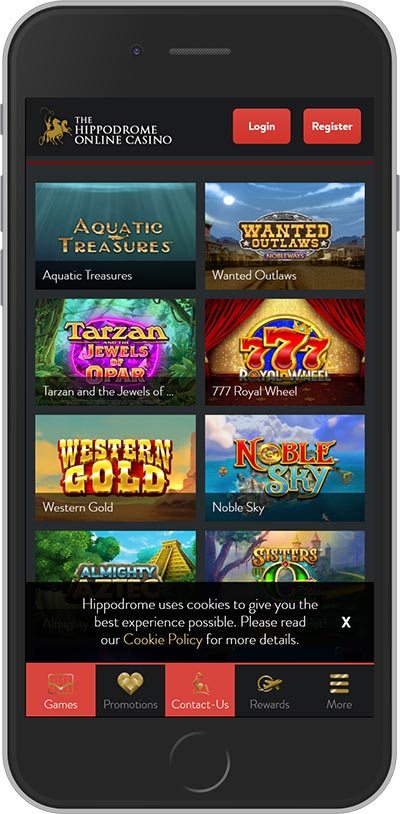
judi online

Bonus Selamat Datang dan Putaran Gratis: Cara Kerja serta Syaratnya

judi online

Bonus selamat datang biasanya diberikan sebagai persentase dari deposit pertama, misalnya 100% hingga jumlah tertentu, sementara putaran gratis melekat pada slot pilihan situs. Cara kerjanya sederhana: saldo bonus dan kemenangan free spin masuk sebagai *credit* terpisah, tetapi belum bisa ditarik langsung. Syarat utamanya adalah persyaratan taruhan (wagering requirement), misalnya 20x total bonus+deposit, yang harus diputar sebelum penarikan. Ada pula batas waktu (7–30 hari), batas taruhan maksimum per putaran, dan daftar game yang berkontribusi. Pastikan membaca ketentuan turnover, karena putaran gratis sering membatasi kemenangan maksimal yang bisa dicairkan. Tanpa memenuhi syarat ini, saldo bonus hangus otomatis.

Intinya: bonus selamat datang dan putaran gratis bukan uang gratis—semuanya terikat syarat turnover, batas waktu, dan batas taruhan yang wajib dipahami agar tidak sia-sia.

Sistem Pembayaran Elektronik dan Dompet Digital untuk Transaksi Cepat

Memahami sistem pembayaran elektronik dan dompet digital untuk transaksi cepat berarti Anda harus menguasai mekanisme deposit dan withdrawal yang real-time, bukan sekadar memilih metode populer. Sebelum bertaruh, pastikan saldo dompet digital Anda terhubung langsung ke akun judi melalui API yang valid, sehingga transfer dana berlangsung dalam hitungan detik tanpa konfirmasi manual yang berlarut. Proses ini menuntut verifikasi identitas dua lapis—sekali di penyedia dompet, sekali di platform—agar transaksi tidak tersangkut di tengah jalan saat odds sedang bergerak. Pilihan antara saldo utama dan saldo bonus sering kali memengaruhi kecepatan penarikan, karena dana promosi biasanya memerlukan syarat turnover sebelum bisa dipindahkan ke rekening pribadi. Akhirnya, biasakan mengecek riwayat transaksi di kedua sisi untuk memastikan setiap potongan biaya admin tidak menggerus nominal kemenangan yang ingin Anda cairkan segera.

Langkah-Langkah Memilih Platform Taruhan yang Tepat dan Aman

Memilih platform taruhan yang tepat dan aman untuk judi online dimulai dengan memverifikasi reputasi komunitas pemain melalui forum diskusi independen, bukan sekadar klaim situs. Periksa kecepatan respons layanan pelanggan dengan mengajukan pertanyaan teknis sebelum deposit; platform andal menjawab dalam hitungan menit dan memberikan solusi konkret. Uji metode penarikan dana melalui transaksi kecil terlebih dahulu, pastikan saldo masuk tanpa potongan tak wajar dan prosesnya tidak berbelit. Amati pula kestabilan server saat jam ramai—lakukan uji coba permainan gratis untuk merasakan kelancaran dan keadilan sistem. Hindari platform yang memaksa instalasi aplikasi tidak resmi atau meminta akses berlebihan ke perangkat Anda.

Prioritaskan platform yang transparan soal riwayat transaksi dan memiliki opsi batas deposit harian sebagai alat kendali diri.

Terakhir, baca syarat bonus secara detail karena ketentuan tersembunyi sering menjadi celah penipuan, dan pastikan situs menggunakan enkripsi koneksi untuk melindungi data finansial Anda.

Kriteria Penting dalam Menilai Kualitas Situs Judi Tepercaya

Menilai kualitas situs judi tepercaya menuntut pemeriksaan ketat pada transparansi sistem pembayaran, bukan sekadar janji bonus. Periksa kecepatan proses deposit dan penarikan dana melalui metode yang Anda gunakan; situs kredibel mencantumkan estimasi waktu riil tanpa syarat tersembunyi. Evaluasi ketersediaan layanan pelanggan 24/7 dengan respons cepat—uji langsung melalui live chat sebelum mendaftar. Analisis reputasi melalui forum independen, fokus pada keluhan penundaan pembayaran atau manipulasi saldo. Pastikan kejelasan syarat bonus (rollover, batas taruhan) tertulis eksplisit; situs abal-abal sering menyembunyikan klausul merugikan. Terakhir, periksa enkripsi data pada halaman login dan riwayat transaksi Anda; keamanan teknis adalah fondasi utama kepercayaan.

Q: Apa indikator paling objektif dari situs judi tepercaya?
A: Kecepatan dan kepastian proses pencairan dana kemenangan tanpa alasan administratif berbelit, serta kesesuaian nominal yang dibayarkan dengan catatan transaksi Anda.

Cara Mengecek Responsivitas Layanan Pelanggan dan Dukungan Teknis

Untuk memastikan platform judi online tanggap, uji langsung saluran dukungan pada jam tidak umum, misalnya pukul 02.00 dini hari. Kirim pertanyaan spesifik tentang metode deposit atau cara klaim bonus, lalu catat waktu respons pertama. Platform yang baik memberikan jawaban dalam hitungan menit melalui live chat, sementara email yang memakan lebih dari 24 jam patut dicurigai. Periksa pula apakah agen memberikan solusi tuntas atau hanya jawaban template. Cara mengecek responsivitas layanan pelanggan yang efektif adalah dengan mengajukan masalah teknis berjenjang, seperti simulasi gagal login atau penarikan dana. Berikut urutan pengujiannya:

  1. Kirim chat via live chat dan ukur kecepatan balasan daring.
  2. Telepon nomor hotline jika tersedia, nilai keramahan dan kejelasan nada bicara.
  3. Ajukan tiket melalui formulir web, lalu lacak apakah ada notifikasi otomatis dan tindak lanjut manual yang masuk akal.

Dukungan teknis yang responsif selalu menyediakan opsi verifikasi dua langkah untuk keamanan akun, bukan sekadar mengalihkan pembicaraan.

Menilai Ketersediaan Aplikasi Mobile dan Kompatibilitas Perangkat

Menilai ketersediaan aplikasi mobile dan kompatibilitas perangkat menjadi langkah krusial sebelum memutuskan bermain judi online. Anda perlu memeriksa apakah aplikasi resmi platform tersedia untuk sistem operasi spesifik, baik Android maupun iOS, serta versi minimum yang didukung. Perangkat dengan RAM rendah atau sistem operasi usang sering mengalami lag atau force close, yang merusak pengalaman bertaruh. Uji performa aplikasi pada perangkat Anda secara langsung dengan mengunduh dari sumber resmi dan mencoba mode demo, bukan hanya melihat tangkapan layar. Pastikan juga ukuran file aplikasi sesuai dengan kapasitas penyimpanan internal. Kompatibilitas lintas perangkat penting jika Anda berpindah antara ponsel dan tablet, karena tampilan antarmuka harus responsif.

Apakah aplikasi mobile yang ringan selalu lebih baik untuk perangkat spesifikasi rendah? Belum tentu, karena aplikasi ringan mungkin mengurangi fitur lengkap seperti streaming langsung atau notifikasi real-time, sehingga Anda harus menyeimbangkan antara performa dan fungsionalitas yang dibutuhkan.

Tips Praktis Mengelola Modal dan Meningkatkan Peluang Menang

Kelola modal judi online dengan disiplin ketat—tetapkan batas harian yang hanya Anda relakan, lalu berhenti total saat angka itu tercapai, jangan pernah mengejar kekalahan dengan menambah deposit. Bagi bankroll menjadi beberapa sesi kecil agar peluang menang Anda bertahan lebih lama, karena setiap putaran punya ritme fluktuasi yang tak bisa diprediksi. Prioritaskan taruhan kecil di game dengan RTP tinggi untuk memperpanjang napas permainan, sementara gunakan bonus atau cashback sebagai amunisi ekstra, bukan sebagai target wajib. Catat setiap hasil taruhan untuk mengenali pola keputusan buruk yang sering Anda ulangi. Peluang menang sejati bukan dari menebak momen, melainkan dari konsistensi mengontrol emosi saat saldo sedang naik maupun terkikis. Jangan pernah bertaruh seluruh sisa modal dalam satu ronde, dan selalu sisihkan profit 20% sebelum melanjutkan sesi berikutnya agar kemenangan kecil tetap terasa nyata.

Strategi Taruhan Dasar untuk Pemula: Mengelola Risiko vs Keuntungan

Untuk pemula, strategi taruhan dasar harus berpusat pada membatasi risiko sebelum mengejar keuntungan. Tetapkan batas kerugian harian yang tegas—misalnya 5% dari modal—dan berhenti total jika tersentuh. Sebaliknya, tentukan target profit realistis (10-15%) dan tarik dana saat tercapai. Gunakan taruhan flat (nominal tetap) alih-alih menaikkan taruhan setelah kalah; ini menjaga bankroll tetap stabil. Keuntungan hanya muncul dari disiplin jangka panjang, bukan mengejar kerugian. Ingat, rasio risiko:keuntungan ideal adalah 1:2—jangan pernah bertaruh lebih dari yang Anda rela hilang demi potensi kemenangan kecil.

Memanfaatkan Statistik dan Prediksi untuk Taruhan Olahraga dan Kasino
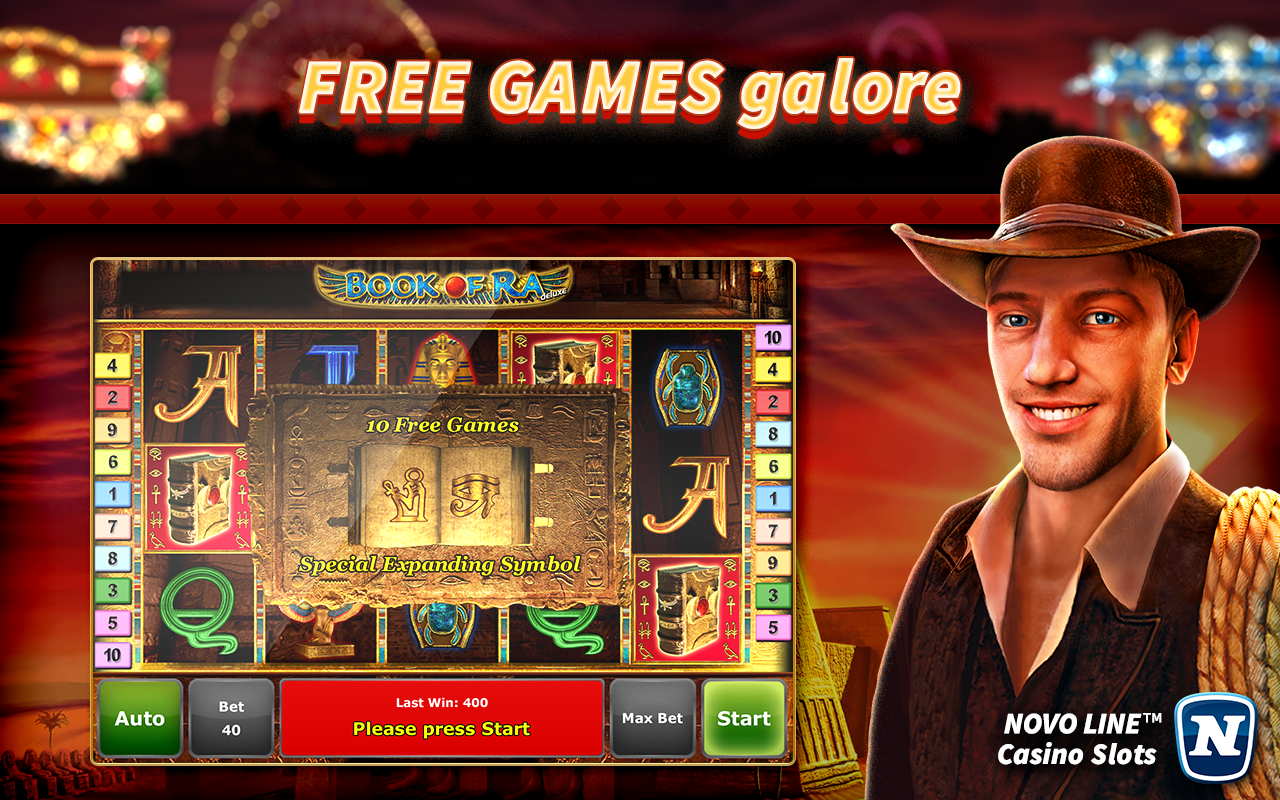
judi online

Dalam judi online, memanfaatkan statistik dan prediksi untuk taruhan olahraga dan kasino berarti Anda tidak sekadar menebak, melainkan membaca pola. Untuk taruhan olahraga, pelajari performa kandang-tandang, rasio gol, atau efisiensi serangan tim, lalu bandingkan dengan odds yang ditawarkan. Pada kasino, statistik berfokus pada RTP (return to player) dan volatilitas slot—pilih mesin dengan RTP di atas 96% untuk peluang jangka panjang yang lebih masuk akal. Prediksi berguna untuk menentukan kapan berhenti: jika catatan Anda menunjukkan tiga kekalahan beruntun, jangan paksa lanjut. *Setiap data hanyalah probabilitas, bukan jaminan, jadi tetaplah disiplin pada batas modal yang Anda tetapkan sejak awal.

Kapan Harus Berhenti: Membuat Batas Kemenangan dan Kekalahan Harian

Menetapkan batas kemenangan dan kekalahan harian adalah kunci utama agar sesi judi online tidak berujung pada kerugian besar. Sebelum mulai, tentukan angka pasti, misalnya berhenti total saat profit mencapai 20% dari modal awal atau saat saldo turun ke 50% modal. Patuhi batas tersebut tanpa negosiasi, karena godaan untuk terus bermain setelah menang atau mencoba balas dendam setelah kalah biasanya memicu kerugian lebih dalam. Gunakan fitur pengingat waktu yang disediakan platform sebagai alat bantu, dan catat hasil setiap sesi untuk memastikan kepatuhan. Dengan disiplin ini, Anda melindungi bankroll dan menjaga emosi tetap stabil, sehingga keputusan berikutnya lebih rasional.

Pertanyaan Umum yang Sering Diajukan Pengguna Baru Judi Online

Malam pertama saya mencoba judi online, yang paling membingungkan bukanlah strategi, melainkan sederet pertanyaan umum yang sering diajukan pengguna baru: apakah saldo bisa ditarik langsung, bagaimana cara baca bonus tanpa syarat tersembunyi, dan mengapa verifikasi identitas terasa bertele-tele. Saya sempat panik saat meminta penarikan, karena sistem meminta ulang foto KTP yang sebelumnya sudah saya unggah—ternyata itu wajar, bukan penipuan. Pemula lain sering bertanya soal perbedaan antara saldo “deposit” dan “bonus”, di mana turnover wajib dipenuhi dulu sebelum uang bisa dicairkan.

Kunci praktisnya: selalu baca bagian “syarat dan ketentuan” hingga selesai sebelum bertaruh, karena satu kalimat kecil bisa mengubah seluruh ekspektasi Anda.

Saya juga belajar bahwa isi ulang pulsa sering lebih lambat diproses daripada e-wallet, sehingga banyak yang salah mengira akunnya error. Dari pengalaman itu, saya menyarankan teman baru untuk bertanya dulu tentang batas minimal penarikan dan jam operasional layanan bantuan—bukan tentang rumus menang, karena itu bagian dari mitos yang tak pernah dijawab langsung oleh situs.

Berapa Lama Durasi Verifikasi Akun dan Penarikan Dana Pertama?

Durasi verifikasi akun dan penarikan dana pertama di platform judi online umumnya berkisar antara 10 menit hingga 24 jam, tergantung kelengkapan dokumen Anda. Verifikasi akun biasanya selesai dalam 1×24 jam setelah Anda mengunggah KTP dan foto selfie, sedangkan penarikan dana pertama yang sukses membutuhkan proses tambahan konfirmasi bank. Prosesnya mengikuti urutan jelas:

  1. Upload dokumen identitas saat pendaftaran.
  2. Tunggu verifikasi otomatis atau manual maksimal 24 jam.
  3. Ajukan penarikan minimal sesuai ketentuan.
  4. Dana masuk ke rekening dalam 5–30 menit setelah status disetujui.

Jika Anda memilih metode e-wallet, durasi bisa lebih singkat, yakni 5–15 menit, karena tidak ada antrian bank. Pastikan data rekening sama persis dengan nama akun untuk menghindari penolakan yang memperpanjang waktu hingga 48 ugwin288 jam.

Apakah Perangkat Perlu Aplikasi Tambahan atau Cukup dengan Browser?

Untuk mayoritas situs judi online modern, perangkat Anda tidak memerlukan aplikasi tambahan apa pun—cukup dengan browser yang sudah terpasang. Platform saat ini dirancang berbasis web responsif, sehingga Anda bisa langsung bermain slot, judi bola, atau live casino melalui Chrome, Safari, atau Firefox tanpa proses instalasi yang merepotkan. Aplikasi khusus sebenarnya hanya opsional, sering kali digunakan untuk notifikasi atau akses lebih cepat, tetapi bukan syarat mutlak. Justru dengan browser, Anda terhindar dari risiko file berbahaya dan masalah kompatibilitas perangkat. Pastikan hanya browser yang diperbarui dan koneksi stabil; itu sudah cukup untuk pengalaman bermain optimal.

Bagaimana Cara Mengatasi Koneksi Terputus atau Gangguan Server Saat Bermain?

Saat mengalami koneksi terputus atau gangguan server saat bermain judi online, langkah pertama adalah periksa stabilitas internet Anda dengan menjalankan tes ping; jika tidak stabil, ganti ke jaringan seluler berbanding Wi-Fi. Jika server situs yang bermasalah, muat ulang halaman permainan secara berkala, namun jangan logout agar sesi tetap aktif. Untuk judi online yang bersifat real-time, aktifkan mode kualitas rendah jika tersedia guna mengurangi beban data. Apabila gangguan berlanjut lebih dari sepuluh menit, cek akun media sosial resmi penyedia layanan untuk status pemeliharaan terjadwal. Jika koneksi kembali tetapi taruhan tidak terselesaikan, segera hubungi layanan obrolan langsung—sertakan waktu kejadian agar klaim Anda tercatat. Terakhir, aktifkan VPN hanya jika server Anda di luar negeri, tetapi ingat latensi bisa naik.


Apa yang Dimaksud dengan Judi Online dan Bagaimana Cara Kerjanya?

Panduan Lengkap Judi Online: Cara Aman Bermain, Memilih Situs Terpercaya, dan Mengelola Risiko

Judi online adalah aktivitas taruhan yang sepenuhnya berlangsung melalui perangkat digital, memungkinkan pemain memasang taruhan pada berbagai permainan seperti slot, poker, atau taruhan olahraga secara langsung dari browser atau aplikasi. Sistem kerjanya sederhana: Anda mendaftar akun, melakukan deposit dana, lalu memilih permainan dan bertaruh dengan saldo yang tersedia, dengan hasil ditentukan oleh generator angka acak atau lawan nyata secara real-time. Keuntungan utamanya terletak pada aksesibilitas tanpa batas waktu dan lokasi, di mana Anda dapat bermain kapan saja tanpa harus mengunjungi kasino fisik, serta bonus selamat datang dan putaran gratis yang kerap ditawarkan untuk meningkatkan modal bermain. Untuk menggunakannya, cukup pilih situs terpercaya, isi formulir registrasi, verifikasi identitas, dan lakukan deposit melalui metode pembayaran yang tersedia sebelum mulai bertaruh.

Apa yang Dimaksud dengan Judi Online dan Bagaimana Cara Kerjanya?

Judi online adalah segala bentuk taruhan uang atau barang yang dilakukan melalui perangkat digital, di mana hasilnya ditentukan oleh faktor keberuntungan atau keahlian dalam permainan yang disediakan oleh platform daring. Cara kerjanya dimulai ketika Anda mendaftar, melakukan deposit melalui transfer bank atau e-wallet, lalu kredit tersebut berubah menjadi saldo taruhan pada gim seperti slot, poker, atau taruhan olahraga. Setelah bertaruh, sistem menggunakan algoritma acak (RNG) untuk menentukan hasil, dan jika menang, kemenangan otomatis masuk ke saldo akun Anda untuk kemudian ditarik. Namun, penting dipahami bahwa setiap taruhan yang Anda pasang bukanlah transaksi biasa—ada house edge yang terprogram, sehingga peluang menang selalu lebih kecil dibandingkan bandar. Pada praktiknya, banyak pemain baru mengira mereka bisa mengendalikan hasil, padahal mereka hanya melihat animasi di layar yang sudah ditentukan sejak awal. Uang Anda baru benar-benar menjadi milik Anda kembali jika memenuhi syarat putaran atau bonus yang sering kali tersembunyi di halaman syarat.

Mekanisme Dasar: Dari Daftar, Deposit, Hingga Taruhan Pertama

judi online

Mekanisme dasar judi online dimulai dengan registrasi singkat, di mana Anda hanya perlu mengisi data diri dan membuat akun. Setelah itu, langkah berikutnya adalah deposit dana melalui metode transfer bank, e-wallet, atau pulsa—prosesnya instan dan langsung masuk ke saldo akun. Sebelum taruhan pertama, Anda wajib memahami antarmuka permainan dan memilih nominal taruhan minimum yang tersedia. Dengan saldo terisi, taruhan pertama Anda langsung aktif dan hasilnya diputuskan secara real-time oleh sistem. Alur ini dirancang secepat mungkin agar pemain tidak mengalami hambatan, sehingga proses deposit hingga taruhan pertama berlangsung kurang dari lima menit.

Q: Apakah deposit wajib dilakukan sebelum memasang taruhan pertama?
A: Ya, wajib. Tanpa deposit, saldo Anda nol dan tidak ada taruhan yang bisa dieksekusi; mekanisme ini memastikan setiap taruhan memiliki dana jelas sejak awal.

Jenis-Jenis Permainan yang Tersedia dalam Platform Judi Digital

Dalam platform judi digital, ragam permainan terbagi atas kategori utama yang masing-masing memiliki mekanisme unik. Jenis-jenis permainan judi online mencakup slot daring dengan gulungan virtual dan fitur bonus acak, yang mengandalkan RNG (Random Number Generator) untuk hasil putaran. Ada pula permainan meja seperti blackjack dan roulette yang menawarkan interaksi langsung dengan dealer melalui siaran video. Selain itu, tersedia taruhan olahraga yang memungkinkan pemain memasang prediksi skor pada berbagai cabang olahraga, serta poker daring yang mempertemukan pemain secara real-time dalam turnamen. Terakhir, opsi seperti baccarat langsung dan lotere digital melengkapi daftar, semuanya diakses melalui antarmuka web atau aplikasi dengan sistem pembayaran elektronik. Setiap permainan punya aturan, batas taruhan, dan tingkat volatilitas yang berbeda, sehingga pemahaman terhadap tiap opsi menjadi kunci sebelum memilih.

Perbedaan Judi Online vs Offline yang Perlu Diketahui Pemain Baru

judi online

Bagi pemain baru, memahami perbedaan judi online vs offline menentukan kesiapan mental dan strategi bermain. Secara praktis, judi offline menuntut kehadiran fisik, interaksi tatap muka, dan transaksi uang tunai langsung, sehingga pemain bisa membaca bahasa tubuh lawan. Sebaliknya, judi online beroperasi melalui perangkat dan internet, menawarkan anonimitas serta kecepatan putaran yang jauh lebih tinggi, tetapi menghilangkan elemen psikologis tatap muka. Perbedaan krusial lainnya adalah jejak digital; setiap taruhan online tercatat otomatis, sementara offline bersifat sementara. Untuk adaptasi cepat, pemain baru perlu:

  1. Menguasai antarmuka digital sebelum memasang taruhan riil.
  2. Mengatur batas waktu karena sesi online cenderung tanpa henti.
  3. Menyadari bahwa kecepatan transaksi online memicu keputusan impulsif yang jarang terjadi di meja fisik.

Pola ini membuat pengelolaan emosi menjadi tantangan utama yang hanya ada di ranah online.

Fitur-Fitur Utama yang Wajib Dipahami Sebelum Bertaruh

Sebelum bertaruh pada judi online, pahami dulu fitur utama seperti RTP (Return to Player) yang menunjukkan persentase teoretis pengembalian dalam jangka panjang, serta volatilitas yang menentukan frekuensi dan besaran kemenangan. Fitur “cash out” memungkinkan Anda mengunci kemenangan atau memotong kerugian di tengah permainan, sementara “bet limits” dan “autoplay” harus disesuaikan agar tidak melebihi bankroll Anda. Mode demo dan riwayat taruhan juga wajib dikuasai untuk menguji strategi tanpa risiko dan mengevaluasi pola keputusan. Q: Apa bedanya RTP dan volatilitas? RTP mengukur rasio pembayaran teoretis, sedangkan volatilitas menunjukkan seberapa sering dan besar kemenangan—RTP tinggi tidak selalu berarti menang sering jika volatilitasnya tinggi. Memahami fungsi tombol “info” atau “paytable” di setiap permainan juga krusial, karena di sana tercantum aturan simbol dan bonus yang menentukan peluang Anda secara konkret sebelum memasang taruhan.

Mode Live Dealer: Pengalaman Kasino Langsung Lewat Layar

Mode Live Dealer: Pengalaman Kasino Langsung Lewat Layar menghadirkan simulasi fisik meja judi melalui streaming video real-time, di mana Anda harus memperhatikan kecepatan dealer mengocok kartu atau memutar roda untuk menangkap momen taruhan yang tepat. Interaksi dua arah lewat fitur chat memungkinkan Anda meminta kartu tambahan atau mengubah nilai taruhan, tetapi keputusan harus dibuat dalam hitungan detik sebelum batas waktu sesi berakhir. Stabilitas koneksi menjadi variabel krusial—jika buffering terjadi saat kartu terbuka, Anda tidak bisa mengklaim hasil taruhan. Untuk memaksimalkan strategi, amati pola dealer dalam beberapa putaran, karena ritme pengocokan bisa memengaruhi probabilitas kartu di permainan seperti baccarat atau blackjack.

  • Pilih meja dengan batas taruhan yang sesuai bankroll Anda.
  • Aktifkan mode layar penuh untuk melihat detail kartu dan angka roda lebih jelas.
  • Gunakan opsi “history” untuk mencatat hasil putaran sebagai dasar prediksi berikutnya.

judi online

Bonus Selamat Datang dan Putaran Gratis: Cara Kerja serta Syaratnya

judi online

Bonus selamat datang biasanya diberikan sebagai persentase dari deposit pertama, misalnya 100% hingga jumlah tertentu, sementara putaran gratis melekat pada slot pilihan situs. Cara kerjanya sederhana: saldo bonus dan kemenangan free spin masuk sebagai *credit* terpisah, tetapi belum bisa ditarik langsung. Syarat utamanya adalah persyaratan taruhan (wagering requirement), misalnya 20x total bonus+deposit, yang harus diputar sebelum penarikan. Ada pula batas waktu (7–30 hari), batas taruhan maksimum per putaran, dan daftar game yang berkontribusi. Pastikan membaca ketentuan turnover, karena putaran gratis sering membatasi kemenangan maksimal yang bisa dicairkan. Tanpa memenuhi syarat ini, saldo bonus hangus otomatis.

Intinya: bonus selamat datang dan putaran gratis bukan uang gratis—semuanya terikat syarat turnover, batas waktu, dan batas taruhan yang wajib dipahami agar tidak sia-sia.

Sistem Pembayaran Elektronik dan Dompet Digital untuk Transaksi Cepat

Memahami sistem pembayaran elektronik dan dompet digital untuk transaksi cepat berarti Anda harus menguasai mekanisme deposit dan withdrawal yang real-time, bukan sekadar memilih metode populer. Sebelum bertaruh, pastikan saldo dompet digital Anda terhubung langsung ke akun judi melalui API yang valid, sehingga transfer dana berlangsung dalam hitungan detik tanpa konfirmasi manual yang berlarut. Proses ini menuntut verifikasi identitas dua lapis—sekali di penyedia dompet, sekali di platform—agar transaksi tidak tersangkut di tengah jalan saat odds sedang bergerak. Pilihan antara saldo utama dan saldo bonus sering kali memengaruhi kecepatan penarikan, karena dana promosi biasanya memerlukan syarat turnover sebelum bisa dipindahkan ke rekening pribadi. Akhirnya, biasakan mengecek riwayat transaksi di kedua sisi untuk memastikan setiap potongan biaya admin tidak menggerus nominal kemenangan yang ingin Anda cairkan segera.

Langkah-Langkah Memilih Platform Taruhan yang Tepat dan Aman

Memilih platform taruhan yang tepat dan aman untuk judi online dimulai dengan memverifikasi reputasi komunitas pemain melalui forum diskusi independen, bukan sekadar klaim situs. Periksa kecepatan respons layanan pelanggan dengan mengajukan pertanyaan teknis sebelum deposit; platform andal menjawab dalam hitungan menit dan memberikan solusi konkret. Uji metode penarikan dana melalui transaksi kecil terlebih dahulu, pastikan saldo masuk tanpa potongan tak wajar dan prosesnya tidak berbelit. Amati pula kestabilan server saat jam ramai—lakukan uji coba permainan gratis untuk merasakan kelancaran dan keadilan sistem. Hindari platform yang memaksa instalasi aplikasi tidak resmi atau meminta akses berlebihan ke perangkat Anda.

Prioritaskan platform yang transparan soal riwayat transaksi dan memiliki opsi batas deposit harian sebagai alat kendali diri.

Terakhir, baca syarat bonus secara detail karena ketentuan tersembunyi sering menjadi celah penipuan, dan pastikan situs menggunakan enkripsi koneksi untuk melindungi data finansial Anda.

Kriteria Penting dalam Menilai Kualitas Situs Judi Tepercaya

Menilai kualitas situs judi tepercaya menuntut pemeriksaan ketat pada transparansi sistem pembayaran, bukan sekadar janji bonus. Periksa kecepatan proses deposit dan penarikan dana melalui metode yang Anda gunakan; situs kredibel mencantumkan estimasi waktu riil tanpa syarat tersembunyi. Evaluasi ketersediaan layanan pelanggan 24/7 dengan respons cepat—uji langsung melalui live chat sebelum mendaftar. Analisis reputasi melalui forum independen, fokus pada keluhan penundaan pembayaran atau manipulasi saldo. Pastikan kejelasan syarat bonus (rollover, batas taruhan) tertulis eksplisit; situs abal-abal sering menyembunyikan klausul merugikan. Terakhir, periksa enkripsi data pada halaman login dan riwayat transaksi Anda; keamanan teknis adalah fondasi utama kepercayaan.

Q: Apa indikator paling objektif dari situs judi tepercaya?
A: Kecepatan dan kepastian proses pencairan dana kemenangan tanpa alasan administratif berbelit, serta kesesuaian nominal yang dibayarkan dengan catatan transaksi Anda.

Cara Mengecek Responsivitas Layanan Pelanggan dan Dukungan Teknis

Untuk memastikan platform judi online tanggap, uji langsung saluran dukungan pada jam tidak umum, misalnya pukul 02.00 dini hari. Kirim pertanyaan spesifik tentang metode deposit atau cara klaim bonus, lalu catat waktu respons pertama. Platform yang baik memberikan jawaban dalam hitungan menit melalui live chat, sementara email yang memakan lebih dari 24 jam patut dicurigai. Periksa pula apakah agen memberikan solusi tuntas atau hanya jawaban template. Cara mengecek responsivitas layanan pelanggan yang efektif adalah dengan mengajukan masalah teknis berjenjang, seperti simulasi gagal login atau penarikan dana. Berikut urutan pengujiannya:

  1. Kirim chat via live chat dan ukur kecepatan balasan daring.
  2. Telepon nomor hotline jika tersedia, nilai keramahan dan kejelasan nada bicara.
  3. Ajukan tiket melalui formulir web, lalu lacak apakah ada notifikasi otomatis dan tindak lanjut manual yang masuk akal.

Dukungan teknis yang responsif selalu menyediakan opsi verifikasi dua langkah untuk keamanan akun, bukan sekadar mengalihkan pembicaraan.

Menilai Ketersediaan Aplikasi Mobile dan Kompatibilitas Perangkat

Menilai ketersediaan aplikasi mobile dan kompatibilitas perangkat menjadi langkah krusial sebelum memutuskan bermain judi online. Anda perlu memeriksa apakah aplikasi resmi platform tersedia untuk sistem operasi spesifik, baik Android maupun iOS, serta versi minimum yang didukung. Perangkat dengan RAM rendah atau sistem operasi usang sering mengalami lag atau force close, yang merusak pengalaman bertaruh. Uji performa aplikasi pada perangkat Anda secara langsung dengan mengunduh dari sumber resmi dan mencoba mode demo, bukan hanya melihat tangkapan layar. Pastikan juga ukuran file aplikasi sesuai dengan kapasitas penyimpanan internal. Kompatibilitas lintas perangkat penting jika Anda berpindah antara ponsel dan tablet, karena tampilan antarmuka harus responsif.

Apakah aplikasi mobile yang ringan selalu lebih baik untuk perangkat spesifikasi rendah? Belum tentu, karena aplikasi ringan mungkin mengurangi fitur lengkap seperti streaming langsung atau notifikasi real-time, sehingga Anda harus menyeimbangkan antara performa dan fungsionalitas yang dibutuhkan.

Tips Praktis Mengelola Modal dan Meningkatkan Peluang Menang

Kelola modal judi online dengan disiplin ketat—tetapkan batas harian yang hanya Anda relakan, lalu berhenti total saat angka itu tercapai, jangan pernah mengejar kekalahan dengan menambah deposit. Bagi bankroll menjadi beberapa sesi kecil agar peluang menang Anda bertahan lebih lama, karena setiap putaran punya ritme fluktuasi yang tak bisa diprediksi. Prioritaskan taruhan kecil di game dengan RTP tinggi untuk memperpanjang napas permainan, sementara gunakan bonus atau cashback sebagai amunisi ekstra, bukan sebagai target wajib. Catat setiap hasil taruhan untuk mengenali pola keputusan buruk yang sering Anda ulangi. Peluang menang sejati bukan dari menebak momen, melainkan dari konsistensi mengontrol emosi saat saldo sedang naik maupun terkikis. Jangan pernah bertaruh seluruh sisa modal dalam satu ronde, dan selalu sisihkan profit 20% sebelum melanjutkan sesi berikutnya agar kemenangan kecil tetap terasa nyata.

Strategi Taruhan Dasar untuk Pemula: Mengelola Risiko vs Keuntungan

Untuk pemula, strategi taruhan dasar harus berpusat pada membatasi risiko sebelum mengejar keuntungan. Tetapkan batas kerugian harian yang tegas—misalnya 5% dari modal—dan berhenti total jika tersentuh. Sebaliknya, tentukan target profit realistis (10-15%) dan tarik dana saat tercapai. Gunakan taruhan flat (nominal tetap) alih-alih menaikkan taruhan setelah kalah; ini menjaga bankroll tetap stabil. Keuntungan hanya muncul dari disiplin jangka panjang, bukan mengejar kerugian. Ingat, rasio risiko:keuntungan ideal adalah 1:2—jangan pernah bertaruh lebih dari yang Anda rela hilang demi potensi kemenangan kecil.

Memanfaatkan Statistik dan Prediksi untuk Taruhan Olahraga dan Kasino

judi online

Dalam judi online, memanfaatkan statistik dan prediksi untuk taruhan olahraga dan kasino berarti Anda tidak sekadar menebak, melainkan membaca pola. Untuk taruhan olahraga, pelajari performa kandang-tandang, rasio gol, atau efisiensi serangan tim, lalu bandingkan dengan odds yang ditawarkan. Pada kasino, statistik berfokus pada RTP (return to player) dan volatilitas slot—pilih mesin dengan RTP di atas 96% untuk peluang jangka panjang yang lebih masuk akal. Prediksi berguna untuk menentukan kapan berhenti: jika catatan Anda menunjukkan tiga kekalahan beruntun, jangan paksa lanjut. *Setiap data hanyalah probabilitas, bukan jaminan, jadi tetaplah disiplin pada batas modal yang Anda tetapkan sejak awal.

Kapan Harus Berhenti: Membuat Batas Kemenangan dan Kekalahan Harian

Menetapkan batas kemenangan dan kekalahan harian adalah kunci utama agar sesi judi online tidak berujung pada kerugian besar. Sebelum mulai, tentukan angka pasti, misalnya berhenti total saat profit mencapai 20% dari modal awal atau saat saldo turun ke 50% modal. Patuhi batas tersebut tanpa negosiasi, karena godaan untuk terus bermain setelah menang atau mencoba balas dendam setelah kalah biasanya memicu kerugian lebih dalam. Gunakan fitur pengingat waktu yang disediakan platform sebagai alat bantu, dan catat hasil setiap sesi untuk memastikan kepatuhan. Dengan disiplin ini, Anda melindungi bankroll dan menjaga emosi tetap stabil, sehingga keputusan berikutnya lebih rasional.

Pertanyaan Umum yang Sering Diajukan Pengguna Baru Judi Online

Malam pertama saya mencoba judi online, yang paling membingungkan bukanlah strategi, melainkan sederet pertanyaan umum yang sering diajukan pengguna baru: apakah saldo bisa ditarik langsung, bagaimana cara baca bonus tanpa syarat tersembunyi, dan mengapa verifikasi identitas terasa bertele-tele. Saya sempat panik saat meminta penarikan, karena sistem meminta ulang foto KTP yang sebelumnya sudah saya unggah—ternyata itu wajar, bukan penipuan. Pemula lain sering bertanya soal perbedaan antara saldo “deposit” dan “bonus”, di mana turnover wajib dipenuhi dulu sebelum uang bisa dicairkan.

Kunci praktisnya: selalu baca bagian “syarat dan ketentuan” hingga selesai sebelum bertaruh, karena satu kalimat kecil bisa mengubah seluruh ekspektasi Anda.

Saya juga belajar bahwa isi ulang pulsa sering lebih lambat diproses daripada e-wallet, sehingga banyak yang salah mengira akunnya error. Dari pengalaman itu, saya menyarankan teman baru untuk bertanya dulu tentang batas minimal penarikan dan jam operasional layanan bantuan—bukan tentang rumus menang, karena itu bagian dari mitos yang tak pernah dijawab langsung oleh situs.

Berapa Lama Durasi Verifikasi Akun dan Penarikan Dana Pertama?

Durasi verifikasi akun dan penarikan dana pertama di platform judi online umumnya berkisar antara 10 menit hingga 24 jam, tergantung kelengkapan dokumen Anda. Verifikasi akun biasanya selesai dalam 1×24 jam setelah Anda mengunggah KTP dan foto selfie, sedangkan penarikan dana pertama yang sukses membutuhkan proses tambahan konfirmasi bank. Prosesnya mengikuti urutan jelas:

  1. Upload dokumen identitas saat pendaftaran.
  2. Tunggu verifikasi otomatis atau manual maksimal 24 jam.
  3. Ajukan penarikan minimal sesuai ketentuan.
  4. Dana masuk ke rekening dalam 5–30 menit setelah status disetujui.

Jika Anda memilih metode e-wallet, durasi bisa lebih singkat, yakni 5–15 menit, karena tidak ada antrian bank. Pastikan data rekening sama persis dengan nama akun untuk menghindari penolakan yang memperpanjang waktu hingga 48 ugwin288 jam.

Apakah Perangkat Perlu Aplikasi Tambahan atau Cukup dengan Browser?

Untuk mayoritas situs judi online modern, perangkat Anda tidak memerlukan aplikasi tambahan apa pun—cukup dengan browser yang sudah terpasang. Platform saat ini dirancang berbasis web responsif, sehingga Anda bisa langsung bermain slot, judi bola, atau live casino melalui Chrome, Safari, atau Firefox tanpa proses instalasi yang merepotkan. Aplikasi khusus sebenarnya hanya opsional, sering kali digunakan untuk notifikasi atau akses lebih cepat, tetapi bukan syarat mutlak. Justru dengan browser, Anda terhindar dari risiko file berbahaya dan masalah kompatibilitas perangkat. Pastikan hanya browser yang diperbarui dan koneksi stabil; itu sudah cukup untuk pengalaman bermain optimal.

Bagaimana Cara Mengatasi Koneksi Terputus atau Gangguan Server Saat Bermain?

Saat mengalami koneksi terputus atau gangguan server saat bermain judi online, langkah pertama adalah periksa stabilitas internet Anda dengan menjalankan tes ping; jika tidak stabil, ganti ke jaringan seluler berbanding Wi-Fi. Jika server situs yang bermasalah, muat ulang halaman permainan secara berkala, namun jangan logout agar sesi tetap aktif. Untuk judi online yang bersifat real-time, aktifkan mode kualitas rendah jika tersedia guna mengurangi beban data. Apabila gangguan berlanjut lebih dari sepuluh menit, cek akun media sosial resmi penyedia layanan untuk status pemeliharaan terjadwal. Jika koneksi kembali tetapi taruhan tidak terselesaikan, segera hubungi layanan obrolan langsung—sertakan waktu kejadian agar klaim Anda tercatat. Terakhir, aktifkan VPN hanya jika server Anda di luar negeri, tetapi ingat latensi bisa naik.

Meth King Casino: A Comprehensive Pros and Cons Analysis

methking

The online gambling landscape is constantly evolving, with new platforms emerging to capture the attention of players worldwide. Navigating this dynamic environment requires careful consideration of each operator’s offerings and potential drawbacks. Understanding the strengths and weaknesses of a particular casino is crucial for making informed decisions, and this detailed exploration of methking aims to provide just that clarity. We will delve into what makes this platform stand out, while also highlighting areas where players might encounter challenges.

Meth King Casino: An Overview of Features

Meth King Casino presents itself as a modern online gambling destination, striving to offer a diverse range of gaming options to a broad audience. The platform typically boasts a significant collection of slot machines, from classic three-reel games to sophisticated video slots with intricate bonus features and progressive jackpots. Beyond slots, players can often find a comprehensive selection of table games, including multiple variations of blackjack, roulette, baccarat, and poker, catering to both traditionalists and those seeking novel experiences. The user interface is generally designed for ease of navigation, ensuring that players can quickly access their favorite games or discover new ones.

Furthermore, Meth King Casino often integrates live dealer options, allowing players to experience the thrill of a real casino environment from the comfort of their homes. These live games, streamed in high definition with professional dealers, cover popular choices like live blackjack, roulette, and baccarat, adding a layer of authenticity and social interaction that many players value highly. The inclusion of these features suggests a commitment to providing a well-rounded and engaging gaming experience that appeals to a wide spectrum of online casino enthusiasts.

Advantages of Playing at Meth King

One of the primary advantages of Meth King Casino is its extensive game library, which is a significant draw for players seeking variety. The sheer volume of slot titles, coupled with a robust offering of table games and live dealer options, ensures that boredom is rarely an issue. This vast selection means that players can easily switch between different game types or explore new releases without needing to register at multiple different casinos. The platform often collaborates with a multitude of reputable software providers, guaranteeing high-quality graphics, smooth gameplay, and fair outcomes verified by independent audits.

Another key advantage lies in the promotional offers and bonuses that Meth King Casino frequently extends to its players. These can range from generous welcome packages for new registrants, often including deposit matches and free spins, to ongoing promotions for existing customers, such as reload bonuses, cashback offers, and loyalty rewards. Such incentives can significantly enhance the player’s bankroll, allowing for more extended play sessions and increasing the potential for winning. A well-structured loyalty program, often featuring tiered levels with increasing benefits, further incentivizes consistent play and engagement with the platform.

Potential Drawbacks of Meth King Casino

Despite its appealing features, players might encounter certain drawbacks when engaging with Meth King Casino. One common area of concern for online gamblers is the complexity and wagering requirements associated with bonus offers. While bonuses are attractive, the terms and conditions attached, such as playthrough requirements, game restrictions, and time limits, can be challenging to meet, sometimes making it difficult to withdraw bonus winnings. Players must meticulously read and understand these terms to avoid disappointment and ensure they can effectively utilize the bonus funds.

Another potential disadvantage could relate to customer support responsiveness or availability. While many online casinos strive to offer 24/7 support through various channels like live chat, email, and phone, the quality and speed of assistance can vary. Players might occasionally experience delays in response times or find that support agents are not equipped to handle complex issues effectively, which can be frustrating, especially when dealing with urgent matters such as transaction problems or account queries. The geographic limitations of certain payment methods or game access can also pose an inconvenience for some users.

Meth King Casino’s Game Selection Deep Dive

The breadth and depth of Meth King Casino’s game portfolio are undoubtedly one of its strongest selling points. Players can expect to find thousands of slot titles, encompassing every conceivable theme and mechanic, from traditional fruit machines to cutting-edge video slots featuring cinematic graphics and immersive storylines. The casino often partners with industry giants like NetEnt, Microgaming, Playtech, and Evolution Gaming, ensuring a consistent supply of high-quality, fair, and entertaining games. Progressive jackpot slots are a significant attraction, offering the tantalizing prospect of life-changing wins with a single spin.

Beyond the vast array of slots, Meth King Casino also provides a comprehensive selection of classic casino games. This includes numerous variants of blackjack, such as classic, European, and Atlantic City versions, each with slightly different rules and player strategies. Roulette enthusiasts can enjoy American, European, and French roulette, while baccarat and several poker variations are also readily available. The live casino section further enhances this diversity, offering real-time gameplay with professional dealers, creating an authentic casino atmosphere that many players seek.

Understanding Bonuses and Promotions at Meth King

Meth King Casino typically entices new players with substantial welcome bonuses, often structured as a percentage match on the initial deposit, sometimes spread across the first few deposits. These welcome offers frequently include a bundle of free spins on popular slot games, providing an immediate opportunity to spin the reels without using personal funds. It’s imperative for players to understand that these bonuses are not simply free money; they come with specific terms and conditions that must be fulfilled before any winnings can be cashed out. These terms are crucial for a transparent gaming experience.

  • Welcome Bonus: Typically a deposit match percentage plus free spins.
  • Reload Bonuses: Offered to existing players on subsequent deposits.
  • Cashback Offers: A percentage of net losses returned to the player.
  • Loyalty Program: Points accumulation for real money wagers, redeemable for bonuses or cash.
  • Special Promotions: Limited-time offers tied to specific games or events.

Existing players are not forgotten, as Meth King Casino often runs regular promotions designed to reward loyalty and encourage continued play. These can include reload bonuses, which offer a bonus amount on subsequent deposits, or cashback promotions, where a percentage of net losses over a specific period is returned to the player’s account. A tiered loyalty or VIP program is also common, where players earn points for every wager placed, progressing through different status levels that unlock exclusive benefits such as higher withdrawal limits, dedicated account managers, and personalized bonuses.

Meth King Casino: Payment Methods and Security

When evaluating any online casino, the available payment methods and the security protocols in place are paramount considerations. Meth King Casino generally supports a wide array of transaction options, catering to diverse player preferences. This typically includes traditional methods such as credit and debit cards (Visa, Mastercard), bank transfers, and e-wallets like Skrill and Neteller, as well as potentially newer, more convenient options like PayPal or various cryptocurrencies. The casino aims to facilitate smooth deposits and withdrawals, ensuring that players can manage their funds efficiently and securely.

Payment Method Typical Deposit Time Typical Withdrawal Time Associated Fees
Credit/Debit Cards Instant 2-5 Business Days May apply depending on bank
E-wallets Instant 0-24 Hours Generally none from casino
Bank Transfer 1-3 Business Days 3-7 Business Days May apply depending on bank
Cryptocurrencies Instant (confirmation dependent) 1-12 Hours Network fees may apply

Security is a cornerstone of reputable online casinos, and Meth King Casino typically employs robust measures to protect player data and financial transactions. This usually involves employing SSL (Secure Socket Layer) encryption technology to safeguard all sensitive information transmitted between the player’s device and the casino’s servers. Furthermore, the casino operates under licenses from recognized gaming authorities, ensuring adherence to strict regulatory standards regarding fair play, responsible gambling, and financial accountability. These measures collectively aim to provide a secure and trustworthy environment for all users.

Final Assessment of Meth King Casino

In conclusion, Meth King Casino presents a compelling package for online gambling enthusiasts, characterized by its extensive game selection, attractive bonuses, and commitment to player security. The platform offers a wide variety of slots, table games, and live dealer experiences, powered by leading software providers, ensuring a high level of entertainment and quality. Coupled with a range of promotional offers and a loyalty program designed to reward consistent players, there are ample incentives to keep users engaged and satisfied with their gaming journey.

However, potential players should remain aware of the associated wagering requirements for bonuses and the importance of clear communication with customer support. While the platform strives for excellence, understanding the terms and conditions thoroughly and being prepared for potential support response times are key to a seamless experience. Ultimately, Meth King Casino offers a feature-rich environment, but a balanced perspective, acknowledging both its strengths and potential weaknesses, is advisable for any discerning player seeking a new online gaming home.

Nuove Vette di Fedeltà – Storie di Vittorie nei Tornei iGaming 2026

Nel panorama iGaming del 2026 la fedeltà è diventata la vera linfa vitale dei tornei. Non si tratta più solo di premi una tantum, ma di percorsi personalizzati che trasformano un giocatore occasionale in un vero protagonista del circuito competitivo. Le piattaforme hanno iniziato a intrecciare programmi di loyalty con meccaniche di gamification, creando ecosistemi dove punti, livelli e bonus si alimentano a vicenda. Questo approccio ha cambiato il modo in cui i partecipanti pianificano le proprie sessioni, gestiscono il bankroll e scelgono le offerte più vantaggiose.

Le notizie più recenti mostrano un incremento del 27 % delle iscrizioni ai tornei live‑casino rispetto all’anno precedente, spinto da promozioni che premiano la costanza più che la sola performance. Allo stesso tempo, le app poker hanno registrato una crescita esponenziale di utenti attivi, grazie a sistemi di ricompensa che includono crediti per tornei, accessi a tavoli VIP e persino esperienze fuori dal digitale, come viaggi a eventi di poker internazionali.

Nel corso di questo articolo analizzeremo come i programmi di loyalty stanno ridefinendo la competizione, presenteremo un caso studio reale, sveleremo i criteri di selezione dei vincitori e illustreremo le strategie vincenti dei top‑player. Il lettore avrà anche una panoramica delle partnership con brand di intrattenimento, delle sfide normative e delle prospettive per il 2027. Prepariamoci a scoprire le nuove vette di fedeltà che stanno plasmando il futuro dei tornei iGaming.

1. Il panorama dei tornei iGaming nel 2026

Il 2026 è stato definito “l’anno della diversificazione” per i tornei iGaming. Oltre ai tradizionali tornei di slot, le piattaforme hanno lanciato competizioni su giochi live‑dealer, sport virtuali e persino su nuove categorie come i giochi di abilità basati su blockchain. Questa varietà ha attirato segmenti di pubblico differenti: i fan del poker online soldi veri, gli appassionati di slot con alta volatilità e i giocatori che preferiscono l’interazione faccia a faccia nei tavoli live.

Le statistiche mostrano che i tornei con jackpot progressivo hanno superato il 35 % del volume totale di scommesse, mentre i tornei a premi fissi hanno mantenuto una quota stabile del 22 %. Le piattaforme hanno inoltre introdotto formati “speed‑run”, dove le partite durano 10‑15 minuti, ideali per gli utenti mobile. Le app poker, in particolare, hanno ottimizzato l’esperienza con interfacce tattili più fluide e integrazioni di pagamento istantaneo, riducendo i tempi di deposito a pochi secondi.

Un elemento distintivo è la crescente presenza di tornei multi‑gioco, in cui i partecipanti devono accumulare punti su slot, blackjack e roulette per qualificarsi alla fase finale. Questo approccio incentiva la cross‑selling e aumenta la retention, poiché i giocatori sono spinti a esplorare l’intero catalogo dell’operatore. Inoltre, le piattaforme hanno iniziato a collaborare con provider di streaming per trasmettere in diretta le finali, creando un’esperienza da spettatore simile a quella degli sport tradizionali.

2. Come i programmi di loyalty stanno ridefinendo la competizione

I programmi di loyalty hanno subito una trasformazione radicale, passando da semplici schemi di punti a ecosistemi dinamici basati su intelligenza artificiale. Ora i giocatori ricevono offerte personalizzate in tempo reale, calibrate sul loro comportamento di gioco, sul valore medio delle scommesse e sulla frequenza di partecipazione ai tornei.

Una delle innovazioni più apprezzate è il “livello dinamico”, che si adegua settimanalmente in base al volume di gioco. Un giocatore che aumenta la propria attività può vedere il passaggio da livello Silver a Gold in pochi giorni, sbloccando bonus più consistenti, accesso a tornei esclusivi e limiti di prelievo più alti. Questo meccanismo crea una sorta di “corsa al livello” che alimenta la competitività interna.

Le piattaforme hanno anche introdotto sistemi di “punti fedeltà convertibili”. I punti accumulati nei tornei possono essere trasformati in crediti per giochi specifici, scommesse gratuite o addirittura in voucher per eventi live. Alcuni operatori offrono la possibilità di scambiare punti con criptovalute, aprendo nuove opportunità per i giocatori più tech‑savvy.

Un altro aspetto fondamentale è la trasparenza. I termini dei programmi sono ora disponibili in dashboard interattive, dove il giocatore può monitorare il proprio progresso, visualizzare le soglie di livello e calcolare il valore economico dei premi. Questa chiarezza riduce le frizioni e aumenta la fiducia, elemento cruciale in un mercato sempre più regolamentato.

3. Caso studio: il vincitore del “Mega Jackpot Tour” e il ruolo del suo status VIP

Il “Mega Jackpot Tour” 2026 ha attirato oltre 12 000 partecipanti, ma è stato Marco Rossi, un giocatore di origine milanese, a conquistare il titolo finale con un jackpot di 3,2 milioni di euro. Rossi ha iniziato la sua avventura nel 2022 su una piattaforma di slot a tema fantasy, ma è stato il programma di loyalty a trasformarlo in un vero competitor.

Grazie al suo status VIP Platinum, ha ricevuto un bonus di benvenuto del 150 % sul primo deposito, oltre a crediti settimanali per tornei “express”. Il suo percorso è stato monitorato da un algoritmo che ha suggerito di concentrare il gioco su slot a volatilità media‑alta, dove il RTP era intorno al 96,5 %.

Nel corso della competizione, Rossi ha sfruttato un’offerta “cash‑back” del 10 % sui turnover dei tornei, riducendo l’effetto della varianza. Inoltre, ha beneficiato di un “fast‑track” che gli ha garantito l’accesso diretto alla fase finale senza passare per le qualificazioni intermedie, un privilegio riservato ai membri di livello superiore.

Durante la ricerca, è emerso un riferimento utile ai migliori siti poker online che ha fornito dati comparativi per valutare l’impatto dei programmi fedeltà sui risultati dei giocatori. Il sito Reffibre è stato citato più volte nei report di settore per la sua capacità di aggregare informazioni su bonus, requisiti di scommessa e condizioni di prelievo, senza però emettere giudizi di valore.

L’analisi di Reffibre ha mostrato che i giocatori con status VIP ottengono in media il 22 % in più di punti rispetto ai membri di livello base, un vantaggio che si traduce direttamente in maggiori opportunità di vincita. Marco Rossi ha confermato che la combinazione di bonus personalizzati e accesso prioritario ai tornei è stata decisiva per la sua vittoria.

4. Analisi dei criteri di selezione dei vincitori: punti, livelli e premi esclusivi

I criteri di selezione nei tornei iGaming sono ormai un mix di metriche quantitative e qualitative. Il punteggio principale è basato su punti accumulati, ma questi punti non sono più semplici conteggi di vincite.

Criterio Descrizione Peso nel ranking
Punti di gioco Somma dei punti ottenuti in slot, live‑dealer e poker 45 %
Livello di loyalty Status (Silver, Gold, Platinum, VIP) 20 %
Bonus performance Crediti extra per risultati sopra la media 15 %
Attività multigioco Numero di giochi diversi su cui si è giocato 10 %
Engagement sociale Condivisione sui social, partecipazione a forum 10 %

I punti di gioco sono calcolati con un coefficiente che tiene conto del RTP, della volatilità e del wager richiesto. Un giocatore che ottiene 1 000 € su una slot con RTP 97 % riceve più punti rispetto a chi guadagna la stessa somma su una slot con RTP 92 %.

Il livello di loyalty influisce direttamente sul moltiplicatore dei punti: Silver ha un moltiplicatore di 1,0, Gold 1,2, Platinum 1,5 e VIP 2,0. Questo sistema premia la costanza e la fedeltà a lungo termine.

I bonus performance sono premi temporanei, ad esempio un “bonus di volatilità” che aggiunge il 5 % di punti extra per le slot ad alta volatilità durante un weekend promozionale. L’attività multigioco è monitorata tramite un algoritmo che assegna un “badge” per ogni categoria di gioco completata, incentivando la diversificazione.

Infine, l’engagement sociale è valutato attraverso metriche di interazione su piattaforme integrate, come la condivisione di risultati o la partecipazione a chat di torneo. Questo elemento è stato introdotto per aumentare la community e favorire il passaparola.

5. I bonus personalizzati: da semplici crediti a esperienze premium

Nel 2026 i bonus personalizzati hanno superato la mera offerta di crediti gratuiti, evolvendosi in pacchetti esperienziali. Un giocatore con status Gold, ad esempio, può ricevere un “travel voucher” da 500 € per partecipare a un evento di poker a Monte Carlo, oltre a un bonus di 100 € da utilizzare su slot a tema avventura.

Le piattaforme hanno introdotto tre categorie di bonus:

  • Crediti di gioco – depositi bonus, free spins, buy‑in per tornei.
  • Benefici di servizio – prelievi più veloci, assistenza dedicata, limiti di scommessa più alti.
  • Esperienze premium – inviti a eventi live, merchandising esclusivo, corsi di strategia con professionisti.

Un caso concreto è quello di “CasinoX”, che ha lanciato il programma “Elite Journey”. I membri Platinum ricevono un “circuito VIP” che comprende:

  • 200 € di credito settimanale su slot selezionate.
  • Accesso anticipato a nuove release con RTP superiore al 98 %.
  • Un biglietto per il festival di e‑sports di Berlino, con meet‑and‑greet per gli streamer più famosi.

Questi pacchetti sono costruiti grazie a partnership con brand di lusso, agenzie di viaggio e provider di streaming. L’obiettivo è creare un legame emotivo, facendo percepire il bonus non solo come un incentivo finanziario, ma come un’opportunità di vivere momenti unici.

6. L’influenza delle partnership con brand di intrattenimento sulla fedeltà

Le collaborazioni con brand di intrattenimento hanno aperto nuove frontiere nella fidelizzazione. Operatori come “PlayFusion” hanno siglato accordi con case cinematografiche per lanciare tornei a tema blockbuster, offrendo premi legati a premiere esclusive o merchandise firmato.

Un esempio è il torneo “Star Wars Galactic Quest”, dove i vincitori hanno ricevuto copie autografate di action‑figure e biglietti per la première di un nuovo film. Questo tipo di partnership crea un effetto “crossover” che attira non solo i giocatori abituali, ma anche fan del franchise.

Le piattaforme hanno inoltre integrato colonne sonore originali nei giochi live‑dealer, collaborando con artisti emergenti per offrire esperienze audio‑visive uniche. I giocatori che partecipano a questi eventi guadagnano punti extra, aumentando la loro posizione nella classifica di loyalty.

Le sinergie con brand di streaming hanno permesso di trasmettere in diretta le finali dei tornei, con commentatori professionisti e interviste ai vincitori. Questo ha aumentato la visibilità dei programmi di loyalty, poiché gli spettatori possono vedere in tempo reale i benefici riservati ai membri di alto livello.

7. Strategie vincenti dei top‑player: gestione del bankroll e sfruttamento delle promozioni

I top‑player del 2026 hanno dimostrato che la vittoria nei tornei non è solo questione di fortuna, ma di disciplina finanziaria e capacità di sfruttare le promozioni in modo ottimale. Ecco le linee guida più diffuse:

  1. Definizione di un bankroll dedicato – I giocatori separano i fondi per i tornei da quelli per il gioco casuale, evitando di mescolare le due attività.
  2. Calcolo del “risk‑of‑ruin” – Utilizzano formule semplici (ad esempio, ROR = (1‑(bankroll / (bet × volatility))) ) per stabilire la soglia massima di scommessa per ogni sessione.
  3. Sfruttamento dei bonus “cash‑back” – Quando un operatore offre un 10 % di cash‑back sui turnover, i giocatori aumentano il volume di gioco solo per quel periodo, riducendo l’impatto della varianza.
  4. Scelta dei giochi con RTP elevato – Preferiscono slot con RTP ≥ 96,5 % o tavoli di poker con rake ridotto, massimizzando il valore atteso (EV).
  5. Utilizzo di “free spin” mirati – Applicano i free spin su slot con alta volatilità solo quando il jackpot è vicino al massimo, aumentando le probabilità di colpo grosso.

Un esempio pratico: Laura Bianchi, vincitrice del “Live Dealer Sprint”, ha impostato un bankroll di 5 000 € per i tornei. Ha calcolato un bet medio di 50 €, mantenendo il rischio di perdita al di sotto del 2 % per sessione. Grazie a un bonus “deposit match” del 200 % su live‑roulette, ha aumentato il suo capitale di gioco a 9 000 € in una settimana, consentendole di partecipare a tornei con buy‑in più alti e, infine, di conquistare il titolo.

Le strategie includono anche la pianificazione delle pause: i giocatori più esperti programmano intervalli di 10‑15 minuti ogni ora per ridurre l’affaticamento cognitivo e mantenere la concentrazione.

8. Come le piattaforme stanno integrando gamification nei programmi di loyalty

La gamification è diventata il filo conduttore dei programmi di loyalty nel 2026. Le piattaforme hanno introdotto “missioni” giornaliere, “badge” collezionabili e “livelli di sfida” che trasformano il semplice accumulo di punti in un’avventura interattiva.

Le missioni includono obiettivi come “gioca 3 slot a tema fantasy” o “partecipa a 2 tornei live‑dealer”. Il completamento assegna punti extra e, in alcuni casi, sblocca “power‑up” temporanei, come un moltiplicatore di punti del 1,5× per le prossime 30 minuti.

I badge sono visibili nel profilo del giocatore e possono essere mostrati sui social, creando un effetto di status digitale. Alcuni badge, come il “Master of Spins”, concedono un bonus mensile di 50 € da spendere su qualsiasi gioco.

I livelli di sfida sono strutturati come “campagne” a più tappe: ogni tappa richiede il superamento di una soglia di punti o la partecipazione a un certo numero di tornei. Il completamento di una campagna intera sblocca un “premio finale” che può essere un viaggio, un dispositivo di realtà virtuale o un abbonamento premium a servizi di streaming.

Queste meccaniche hanno dimostrato di aumentare il tempo medio di gioco del 18 % e la frequenza di deposito settimanale del 12 %, dati confermati da analisi di mercato indipendenti.

9. Le sfide normative e la trasparenza dei premi nei tornei

Il 2026 ha visto un rafforzamento delle normative in Europa e in alcune giurisdizioni asiatiche, con particolare attenzione alla trasparenza dei premi e alla protezione dei giocatori. Le autorità richiedono che i termini dei tornei siano pubblicati in modo chiaro, con indicazione esplicita di:

  • RTP medio dei giochi coinvolti.
  • Requisiti di scommessa (wagering) per i bonus.
  • Procedura di verifica dell’identità per la consegna dei premi di valore.

Le piattaforme hanno dovuto adeguare i propri sistemi di reporting, implementando dashboard che mostrano in tempo reale la distribuzione dei premi e la percentuale di vincite rispetto al totale delle puntate. Questo ha ridotto le controversie legali, poiché i giocatori possono verificare autonomamente la correttezza del calcolo dei punti.

Un’altra sfida è la gestione dei premi non monetari, come viaggi o gadget di lusso. Le autorità richiedono che il valore di questi premi sia convertito in un equivalente monetario per il calcolo delle tasse. Le piattaforme hanno quindi introdotto un “valore di riferimento” basato su listini di mercato, garantendo che tutti i giocatori siano trattati equamente.

Inoltre, la normativa anti‑lavaggio di denaro (AML) ha imposto limiti più stringenti sui prelievi legati a grandi vincite nei tornei. I giocatori devono fornire documentazione aggiuntiva quando il valore del premio supera i 10 000 €, un requisito che ha spinto gli operatori a migliorare i processi di KYC (Know Your Customer).

10. Prospettive per il 2027: trend emergenti nei programmi di fedeltà e tornei iGaming

Guardando al 2027, si delineano diversi trend che promettono di rivoluzionare ulteriormente la fedeltà nei tornei iGaming.

  • Intelligenza artificiale predittiva – Gli algoritmi analizzeranno il comportamento storico per suggerire offerte ultra‑personalizzate, come bonus “on‑demand” attivati solo quando il giocatore sta per raggiungere una soglia di volatilità critica.
  • Integrazione con metaverso – I tornei avranno ambienti 3D immersivi, dove i giocatori potranno interagire con avatar, partecipare a spettacoli dal vivo e riscattare premi in forma di NFT.
  • Programmi “green” – Alcune piattaforme introdurranno premi legati a iniziative sostenibili, ad esempio crediti per piantare alberi o donazioni a enti ambientali, convertibili in punti loyalty.
  • Cross‑operator loyalty – Si prevede la nascita di reti di fedeltà condivise tra più operatori, consentendo ai giocatori di accumulare punti su diversi siti e riscattarli ovunque.
  • Regolamentazione più uniforme – L’Unione Europea sta lavorando a una direttiva comune che armonizzerà i requisiti di trasparenza e protezione dei giocatori, facilitando l’operatività transfrontaliera.

Questi sviluppi suggeriscono che la fedeltà non sarà più un semplice strumento di marketing, ma un vero ecosistema di valore, capace di generare engagement duraturo e di differenziare gli operatori in un mercato sempre più competitivo.

Conclusione

Nel 2026 la fedeltà ha assunto una forma più sofisticata, diventando il motore che spinge i giocatori verso nuove vette di competizione. I programmi di loyalty, arricchiti da gamification, partnership di intrattenimento e bonus esperienziali, hanno trasformato i tornei iGaming in esperienze integrate, dove ogni puntata, ogni livello e ogni interazione contano.

Il caso di Marco Rossi dimostra come lo status VIP possa fare la differenza, mentre le analisi di siti come Reffibre confermano l’impatto misurabile dei programmi fedeltà sui risultati. Le sfide normative, sebbene complesse, hanno favorito una maggiore trasparenza, creando un ambiente più sicuro per tutti gli attori.

Guardando al futuro, l’adozione di AI, metaverso e reti di loyalty condivise promette di ridefinire ulteriormente il panorama. I giocatori che sapranno combinare disciplina finanziaria, uso intelligente delle promozioni e partecipazione attiva alle community saranno i protagonisti delle prossime vittorie. In un settore in continua evoluzione, la fedeltà rimane la chiave per scalare le classifiche e vivere esperienze di gioco sempre più gratificanti.

Hyperliquid’s Order Book Transparency vs. CEX Dark Pools: Why Real-Time Visibility Changes Trading Strategy

A retail trader places a market order for 10 Bitcoin perpetuals on a centralized exchange. The order is instantly filled, but at a price that moved 15 basis points against them between the moment they clicked submit and execution. They do not know whether that slippage came from market movement, their broker’s routing decision, or a dark pool matching engine designed to extract value from retail flow. On Hyperliquid, the same order would execute against a fully visible on-chain order book where every bid, ask, and pending order is observable in real time by every participant. The execution price is not a surprise; it is a transparent outcome of supply and demand that can be verified before and after settlement.

That structural difference creates a material advantage for traders willing to understand it. Centralized exchanges have long relied on information opacity to manage order flow and optimize routing in their own interests. Their dark pools, internal matching engines, and opaque pricing create a zone where institutional traders with market-making arrangements and technology investments can extract consistent value from retail participants who cannot see what is actually happening underneath the trading interface. Hyperliquid’s hyperliquid-dex.com eliminates that asymmetry by making the order book itself a public resource. Every trader sees the same quotes, the same depth, and the same execution prices. The consequence is not free money. It is a level where skill, speed, and strategy matter more than information privilege.

How dark pools create invisible information asymmetry

A dark pool is a private trading venue operated by a centralized exchange or independent broker where orders are matched away from the public order book. On most major exchanges, a significant percentage of order flow—sometimes 30 to 50 percent—never touches the lit book. A retail trader entering a market order on Binance or Coinbase has no visibility into what portion of their order is being filled in a dark pool, at what price, or whether their flow is being sent to a market maker that benefits from seeing the order first.

The economic logic is straightforward. An exchange or broker operator has a financial incentive to internalize order flow because it creates a spread between what they pay the seller and charge the buyer. If they can match retail buy orders against retail sell orders without posting to a public book, they pocket the difference. If retail flow is imbalanced—more buyers than sellers, for example—they can route that flow to affiliated market makers who will fill it at a price slightly worse than the lit book but better than the retail trader might get elsewhere. The retail trader feels they got filled quickly and at a “reasonable” price. They do not see the alternative execution that was possible or the venue where their order actually settled.

This structure also creates a hidden information advantage. When a market maker on an exchange sees that large buy orders are coming into dark pools, they can adjust their public quotes upward before those buyers reach the lit book. By the time a retail trader’s limit order reaches the public order book, the price has already moved. The trader was outrun by an information signal they could not access. Institutional traders with co-location rights, direct exchange connections, and relationships with market makers benefit from seeing order flow patterns that retail participants cannot. The fee structure reinforces this: some exchanges charge less for high-volume traders or market makers and more for retail, directly subsidizing the information advantage.

Why fully transparent on-chain order books change the execution calculus

An on-chain order book operates on a completely different principle. Every order—bid, ask, cancellation, partial fill—is recorded on the blockchain in a transaction that every node validates and stores. There is no dark pool, no internal matching engine, and no hidden flow. When a trader places a limit order on Hyperliquid, that order becomes visible to all other participants immediately. They can see the exact price, the quantity, and the time it entered the book. When their own market order executes, they can see which orders it filled against and verify the prices on the blockchain itself.

This eliminates the information asymmetry in two ways. First, no participant has privileged early sight of orders. Everyone watching the blockchain sees orders at the same time. A market maker cannot route retail flow to themselves; their quotes are submitted to the same book as everyone else. Second, execution cannot be hidden. The transaction that fills an order is immutable and publicly queryable. A trader can verify the exact price they received and confirm that no better price was available at that moment on the book. There is no “best execution” argument because execution was transparent and deterministic.

The mechanics of this transparency also create behavioral effects. Because every limit order is visible, competitors can see what prices are defended and what gaps exist. This tends to reduce the spreads that market makers can maintain without being filled immediately. Because orders cannot be hidden until the moment of execution, traders cannot use dark pools to mask large positions. A trader building a large position must either move the market with visible orders or split their intentions across time. These are not slight improvements; they are fundamental structural differences that alter the risk-reward of various trading strategies.

Comparing liquidity depth: transparency versus convenience

The question many traders ask is whether a fully transparent, decentralized perpetual exchange can offer the same liquidity depth and spread quality as a centralized platform with years of market-maker relationships and order flow concentration. This is where CEX performance and DEX transparency must be evaluated together rather than treated as mutually exclusive. Hyperliquid has attracted significant liquidity because its transparent order book and zero trading fees eliminate the economic incentive for market makers to fragment their capital across multiple venues. If a market maker can operate on a fully transparent book with no fees and no custodial risk, they can afford to provide deeper quotes than they would on a platform where they compete against dark pools and information asymmetries.

The execution speed on Hyperliquid is designed to match or exceed CEX performance. The platform processes orders with sub-millisecond latency and settles them on-chain without requiring withdrawal or deposit delays between trades. A trader moving from a centralized exchange may initially feel that tighter spreads and faster execution are not guaranteed. However, the structure creates incentives for the opposite. A market maker on a transparent book serves the public at whatever spread they choose; if that spread is too wide, someone else will post a tighter quote. The competitive pressure is immediate and verifiable. On a centralized exchange, a market maker can widen spreads based on internalized order flow patterns that no one else can see.

The practical difference becomes visible during volatility. On a centralized exchange, spreads widen when volume surges because market makers reduce their size and the exchange’s dark pool matching engine can no longer fully hide large orders. On Hyperliquid, spreads can widen, but the widening happens at a single, transparent price level visible to all participants. No trader is surprised by a fill that disappeared into an opaque matching engine. The same market-making physics apply, but the information is distributed equally.

How retail traders can exploit on-chain visibility for execution advantage

The simplest advantage of transparent order book trading is order placement strategy. A retail trader can see exactly where liquidity sits and where gaps exist. If a perpetual contract for Ethereum is trading with $500,000 in bids at $2,350 and $400,000 in asks at $2,351, that trader knows exactly what they are bidding into or offering against. On a centralized exchange, the trader sees the public book but not the dark pool flow that might execute their order at a worse price. On Hyperliquid, what they see is what they get.

This visibility advantage compounds for limit orders. A trader can post a limit order to buy Bitcoin perps at a specific price and know that if their order is filled, it filled against orders actually posted to the visible book. They do not need to worry that their order was filled against a dark pool fill that would not have been available if the venue had been transparent. They also can observe when their orders are filled and by how much, allowing them to refine their pricing strategy in real time. If an order does not fill for several seconds, they can examine the order book and understand why.

For swing traders and position builders, on-chain visibility reveals something critical about order flow patterns. A trader watching the Hyperliquid order book for Bitcoin perpetuals can see when large orders are being accumulated by other participants. If bid-side depth suddenly increases, it suggests either new buyers entering or long positions being accumulated. If that same depth disappears quickly, it suggests positions being liquidated or closed. These are pure signals of market behavior that are valuable for directional decisions. On a centralized exchange, some of that signal is hidden in dark pools or is captured privately by the exchange’s own market makers.

Advanced traders can also use the transparent order book to execute large positions with minimal slippage. Instead of entering a market order that moves the price against them, they can observe the standing liquidity and decide whether to pick off small orders across multiple price levels or split their order across time. The blockchain records every trade, so a sophisticated trader can analyze historical patterns and optimize execution timing. This kind of analysis is available on centralized exchanges too, but on Hyperliquid it is based on transparent ground truth rather than whatever order flow the exchange chose to disclose.

The behavioral shift required to adapt from CEX to decentralized perpetual exchanges

A trader switching from a centralized exchange to a fully transparent decentralized perpetual exchange must adjust several habits. The first adjustment is accepting that the order book is the market, not a representation of it. On a centralized exchange, a trader mentally maps the visible book to some larger true market that includes dark pools. On Hyperliquid, the visible book is the complete market for that instrument. This is simpler in principle but requires a mindset shift. The trader must stop wondering if a better price exists elsewhere and start understanding that if it did, it would be on the same book.

The second adjustment is becoming comfortable with your own order visibility. Because limits orders are posted publicly, other traders can see your intentions. This sounds disadvantageous, but it reverses an asymmetry that favors market makers on centralized exchanges. On a CEX, market makers see your order and can adjust their quotes before you fill. On Hyperliquid, if a market maker moves quotes after you post a limit order, they are moving the market publicly, and you can respond. The psychology shifts from “my order is hidden until I hit execute” to “my order is part of the market.” Experienced limit-order traders often find this less stressful once they adjust because the market is not secretly moving against them.

The third adjustment is treating zero fees differently. On a centralized exchange, a trader paying 0.05 percent in commissions adds that into the cost of every round trip. On Hyperliquid, the explicit fee cost is zero. Some traders respond by overtrading because they do not feel the friction of commissions. This is a trap. The implicit cost of trading—the spread and slippage from moving the market with your order—still exists. A trader who enters and exits the same position frequently on Hyperliquid pays zero fees but can still lose money to spread and adverse price movement. Transparency and zero fees do not eliminate market economics; they make the remaining economics clearer.

Why institutional traders must rethink strategy on transparent order books

Institutional traders built many profitable strategies on centralized exchange market structures that Hyperliquid does not support. Strategies relying on dark pool order detection, predatory routing around liquidity, or advance knowledge of order flow patterns cannot be replicated on a transparent book. Market makers who profited from information asymmetry face a different competitive environment. This does not mean professional traders cannot profit on Hyperliquid; it means their edge must come from actual execution skill, market insight, and faster reaction times rather than from structural information advantages.

Some institutional traders are adapting by focusing on prediction and market-making across Hyperliquid and other transparent venues. If Ethereum perpetuals are trading at slightly different prices on Hyperliquid versus another DEX, and the gap is larger than the cost of moving capital and executing trades, that becomes a pure arbitrage opportunity visible to anyone watching both books. Sophisticated traders build infrastructure to spot these opportunities faster and execute the trades before they disappear. This is different from the dark pool game, but it rewards speed, capital efficiency, and technical sophistication in the same way.

Another institutional strategy shift involves taking advantage of the zero-fee structure to engage in tighter market-making. On a centralized exchange, a market maker might post spreads of 2 basis points but charge themselves 1 basis point in fees, resulting in net revenue of 1 basis point per round trip. On Hyperliquid, they can post spreads of 1 basis point with zero fees and double their revenue per round trip if volume remains constant. This incentive drives competition and tighter spreads across the board. The traders who benefit most are those willing to use the transparent, low-cost infrastructure to their advantage rather than trying to recreate dark pool dynamics that never existed on-chain.

Market structure evolution and the future of retail access

The longer-term significance of Hyperliquid’s transparent order book is structural. As more trading volume migrates to fully on-chain venues, the advantages of centralized dark pools erode. Market makers and traders have less reason to fragment their liquidity across multiple platforms if one platform offers zero fees, transparent execution, and regulatory clarity. This does not mean centralized exchanges disappear; it means they must compete on different terms. Some will transition to offering onboarding fiat services and simplified custody rather than proprietary trading advantages. Others may attempt to remain opaque, but they will face competition from venues that offer the opposite.

For retail traders, the practical effect is a reduction in structural disadvantage. The information asymmetry that institutional traders and market makers exploited for decades was profitable precisely because retail traders could not see order flow, could not verify execution, and could not compare prices across dark pools. On a transparent book, a retail trader with basic market sense and reasonable execution discipline can avoid the worst outcomes. They cannot beat professional traders consistently, but they can stop being harvested by structural opacity.

The remaining edge belongs to traders who understand market structure and leverage it. This might mean timing orders to coincide with known liquidity events, using limit orders strategically instead of market orders, or building positions across time based on public order book patterns. The transparency advantage is not that anyone can suddenly profit; it is that profit and loss becomes a function of actual trading skill rather than information privilege that cannot be accessed. For traders moving from centralized exchanges to Hyperliquid, that shift alone justifies the adjustment period.

Frequently asked questions

What is a dark pool and why do retail traders lose money in them?

A dark pool is a private trading venue where orders are matched away from the public order book, typically on centralized exchanges. Retail traders do not know whether their orders are being filled in a dark pool or at a worse price than what was available on the lit book. Market makers with information about dark pool flow can adjust public quotes to profit before retail orders reach the visible order book. Hyperliquid eliminates dark pools entirely by making all orders visible on the transparent blockchain.

How does an on-chain order book prevent information asymmetry?

Every order posted to an on-chain order book is immediately visible to all participants. There is no privileged early access and no hidden matching engines. When a trade executes, it is recorded on the blockchain and can be verified by anyone. This means no participant has the advantage of seeing orders before others, and no venue operator can profit by routing orders to themselves or affiliated market makers without everyone seeing it happen.

Can retail traders actually make money on a transparent order book like Hyperliquid?

Yes, but profitability depends on skill rather than information privilege. The transparency eliminates one structural disadvantage retail traders face on centralized exchanges. Retail traders can still lose money through poor timing, overleveraging, or bad market predictions. However, they no longer lose money specifically because their broker hid better prices or routed their order to a dark pool. Success on a transparent book comes from understanding order book dynamics, using limit orders effectively, and managing position sizing—the same factors that separate profitable traders from unprofitable ones everywhere.

Legiano Bonus Ohne Einzahlung: Warnsignale unseriöser Online Casinos

Die Welt des Online-Glücksspiels bietet unzählige Möglichkeiten, aber nicht alle Plattformen sind vertrauenswürdig. Ein seriöses Online Casino erkennen ist entscheidend für eine sichere und unterhaltsame Spielerfahrung. In diesem Artikel zeigen wir Ihnen, worauf Sie achten sollten, um seriöse Anbieter von unseriösen Plattformen zu unterscheiden. Wir haben eine umfassende Checkliste zusammengestellt, die Ihnen hilft, sichere und faire Glücksspiel-Webseiten zu identifizieren. Egal, ob Sie nach den besten siti scommesse oder einem vertrauenswürdigen bookmaker online suchen, unsere Ratschläge werden Sie bei der Entscheidung unterstützen. Informieren Sie sich über die wichtigsten Kriterien für seriöses Glücksspiel online. https://legiano-casino-bonus.net/ kann Ihnen dabei behilflich sein, die passenden Plattformen zu finden.

Online Casino: Spielautomaten und Live-Spiele im Überblick

Warnsignale unseriöser Online Casinos

Fehlende Lizenzen und Regularien

Ein wichtigstes Kriterium bei der Bewertung eines Online Casinos ist die Vorlage einer gültigen Glücksspiellizenz. Seriöse siti scommesse online verfügen über Lizenzen von renommierten Behörden wie der Malta Gaming Authority, der UK Gambling Commission oder der Gibraltar Regulatory Authority. Fehlt eine solche Lizenz oder ist sie nicht öffentlich einsehbar, ist das ein klares Warnsignal. Ein migliori siti scommesse wird immer transparent seine Lizenzen und Regulierungsbehörden kommunizieren. Ohne diese Garantien können Sie nicht sicher sein, dass die Spiele fair sind und Ihre Daten geschützt sind.

Unklare Geschäftsbedingungen

Ein weiteres Alarmzeichen sind unklare oder intransparente Geschäftsbedingungen. Wer gezielt nach aktuellen Angeboten sucht, findet bei Legiano Bonus ohne Einzahlung einen guten Ausgangspunkt. Seriöse siti di scommesse sportive stellen ihre Regeln, Bonusbedingungen und Datenschutzbestimmungen klar und verständlich dar. Achten Sie auf vage Formulierungen, besonders bei Bonusangeboten oder Auszahlungsbedingungen. Professionelle siti scommesse bonus Plattformen legen Wert auf Fairness und Klarheit in ihren AGBs. Wenn Sie Schwierigkeiten haben, die Bedingungen zu verstehen oder wichtige Informationen fehlen, sollten Sie besser die Finger von diesem Anbieter lassen.

Checkliste für seriöses Online Glücksspiel

Sicherheit und Datenschutz

Ein vertrauenswürdiges Online Casino setzt modernste Verschlüsselungstechnologie ein, um Ihre persönlichen und finanziellen Daten zu schützen. Überprüfen Sie, ob die Webseite ein SSL-Zertifikat besitzt (erkennbar am https:// in der Adressleiste und einem Schlosssymbol). Seriöse Plattformen legen großen Wert auf den Datenschutz und erklären klar, wie Ihre Informationen verwendet werden. Auch bei den Zahlungsmethoden sollten seriöse Anbieter Optionen wie PayPal, Kreditkarten oder sichere E-Wallets anbieten. Diese Plattformen haben strenge Sicherheitsprotokolle, um Betrug und Identitätsdiebstahl zu verhindern.

Fairness der Spiele

Ein weiteres wichtiges Merkmal seriöser Online Casinos ist die Fairness ihrer Spiele. Achten Sie auf Nachweise für die Zufallsgeneratoren (RNGs) bei Slots oder die Fairness bei Tischspielen. Viele siti scommesse lassen ihre Spiele regelmäßig von unabhängigen Prüfinstituten wie eCOGRA oder iTech Labs überprüfen. Die Ergebnisse dieser Überprüfungen sind auf seriösen Plattformen oft öffentlich einsehbar. Seriöse Casinos verwenden auch lizenzierte Software von renommierten Anbietern wie Microgaming, NetEnt oder Novomatic, die für ihre faire Spiele bekannt sind.

Kundensupport und Servicequalität

Ein professioneller Kundensupport ist ein Muss für jedes seriöse Online Casino. Achten Sie darauf, ob der Anbieter mehrere Kontaktmöglichkeiten anbietet: Live-Chat, E-Mail und Telefon. Die Reaktionszeit sollte kurz sein und die Mitarbeiter kompetent und hilfsbereit. Seriöse siti scommesse online haben zudem häufige Fragen (FAQ) und umfassende Hilfeseiten. Testen Sie den Support am besten vorab mit einer einfachen Frage, um die Qualität zu bewerten. Ein guter Support ist ein Zeichen dafür, dass der Wert auf Kundenzufriedenheit legt.

Verantwortungsvolles Spielen

Seriöse Online Casinos fördern verantwortungsvolles Spielen und bieten Tools wie Einzahlungslimits, Selbstsperre oder Cool-Down-Zeiten. Sie kooperieren mit Organisationen, die sich für Spielerschutz einsetzen. Diese Plattformen haben klare Regeln gegen Minderjährige und bieten Hilfsangebote für problematische Spieler. Ein migliori siti scommesse wird niemals aggressive Werbetaktiken verwenden oder Spieler zum übermäßigen Spielen ermutigen. Sie finden auf diesen Seiten auch Informationen zu Spielsuchtprävention und -hilfe.

Kriterium Seriöse Plattform Unseriöse Plattform
Lizenz Vollständige Lizenzinformationen öffentlich zugänglich Fehlende oder nicht verifizierbare Lizenzen
Zahlungen Verschiedene sichere Zahlungsmethoden, schnelle Auszahlungen Begrenzte Zahlungsoptionen, langsame oder verweigerte Auszahlungen
Kundenservice Mehrfach erreichbar, schnelle und kompetente Antworten Schwer erreichbar, langsame oder unzureichende Antworten
Boni Transparente Bedingungen, faire Bonusangebote Unklare Bedingungen, unrealistische Umsatzanforderungen
Spielerschutz Verantwortungsvolles Spielen wird aktiv gefördert Keine oder unzureichende Maßnahmen gegen Spielsucht
Datenschutz SSL-Verschlüsselung, klare Datenschutzrichtlinien Keine Verschlüsselung, unklare Datenschutzrichtlinien

Häufige Fragen

Wie erkenne ich ein seriöses Online Casino?
Achten Sie auf gültige Lizenzen, sichere Zahlungsmethoden, transparente Geschäftsbedingungen, faire Spiele und professionellen Kundenservice. Seriöse siti scommesse haben oft positive Bewertungen und zeigen ihr Engagement für verantwortungsvolles Spielen.

Sind Online Casinos in Deutschland legal?
Online Glücksspiel ist in Deutschland teilweise legal. Casinos mit deutscher Lizenz sind erlaubt, aber auch Plattformen mit EU-Lizenzen können legal angeboten werden. Achten Sie auf seriöse bookmaker online, die in Deutschland lizenziert oder reguliert sind.

Welche Zahlungsmethoden sind sicher?
Seriöse siti di scommesse sportive bieten sichere Methoden wie Kreditkarten, E-Wallets (PayPal, Skrill), Banküberweisungen und manchmal sogar Kryptowährungen an. Wichtig ist, dass die Seite SSL-verschlüsselt ist und Ihre Daten schützt.

Kann ich bei einem Online Casino gewinnen?
Ja, es ist möglich zu gewinnen, aber denken Sie daran, dass Glücksspiele immer ein gewisses Risiko bergen. Seriöse siti scommesse bonus bieten faire Chancen, aber der Hausvorteil bedeutet, dass auf lange Sicht das Casino meist gewinnt. Spielen Sie verantwortungsbewusst und nur mit Geld, dessen Verlust Sie sich leisten können.

Glücksspiel kann süchtig machen. Bitte spielen Sie verantwortungsvoll. Nutzen Sie die Selbstkontrollmöglichkeiten der Casinos und setzen Sie sich Limits. Bei Problemen mit dem Glücksspiel wenden Sie sich an professionelle Hilfe. Spielen Sie nur, wenn Sie volljährig sind (mindestens 18 Jahre).

Fazit: Sicherheit beim Online Glücksspiel

Die Unterscheidung zwischen seriösen und unseriösen Online Casinos ist entscheidend für eine sichere Spielerfahrung. Nutzen Sie unsere Checkliste, um vertrauenswürdige siti scommesse online zu identifizieren. Achten Sie auf Lizenzen, Sicherheit, Fairness und verantwortungsvolles Spielen. Ein migliori siti scommesse wird immer transparent über seine Geschäftsbedingungen und Sicherheitsmaßnahmen informieren. Mit der richtigen Auswahl können Sie das Beste aus Ihrem Online-Glücksspiel-Erlebnis herausholen, während Sie gleichzeitig Ihre Daten und Finanzen schützen. Nehmen Sie sich Zeit für Ihre Recherche, denn Sicherheit sollte immer oberste Priorität haben, wenn es um siti di scommesse sportive geht.