DeFi dApp Integration Is Not a Connection Problem—It Is a Risk-Interpretation Problem

A common misconception in decentralized finance is that a wallet is safe once it connects to the right website. In practice, the connection is only the beginning. A decentralized application, or dApp, can request a signature, create token approvals, route a swap through several contracts, or submit a transaction whose final economic effect is difficult to see from a short prompt. The important question is not simply, “Can this wallet connect?” It is, “Can the user understand what the connection and transaction will permit?”

That distinction matters because DeFi risk sits at the boundary between software and judgment. Smart contracts may execute exactly as written, yet the user may misunderstand what was authorized. A wallet can improve visibility, simulation, and warning signals, but it cannot make an unaudited protocol trustworthy or eliminate every unfamiliar risk. For US-based users managing assets across Ethereum and other EVM-compatible networks, the practical comparison is therefore between different layers of control: basic browser-wallet integration, advanced transaction-aware wallets, and more deliberate operational setups that combine wallet safeguards with independent verification.
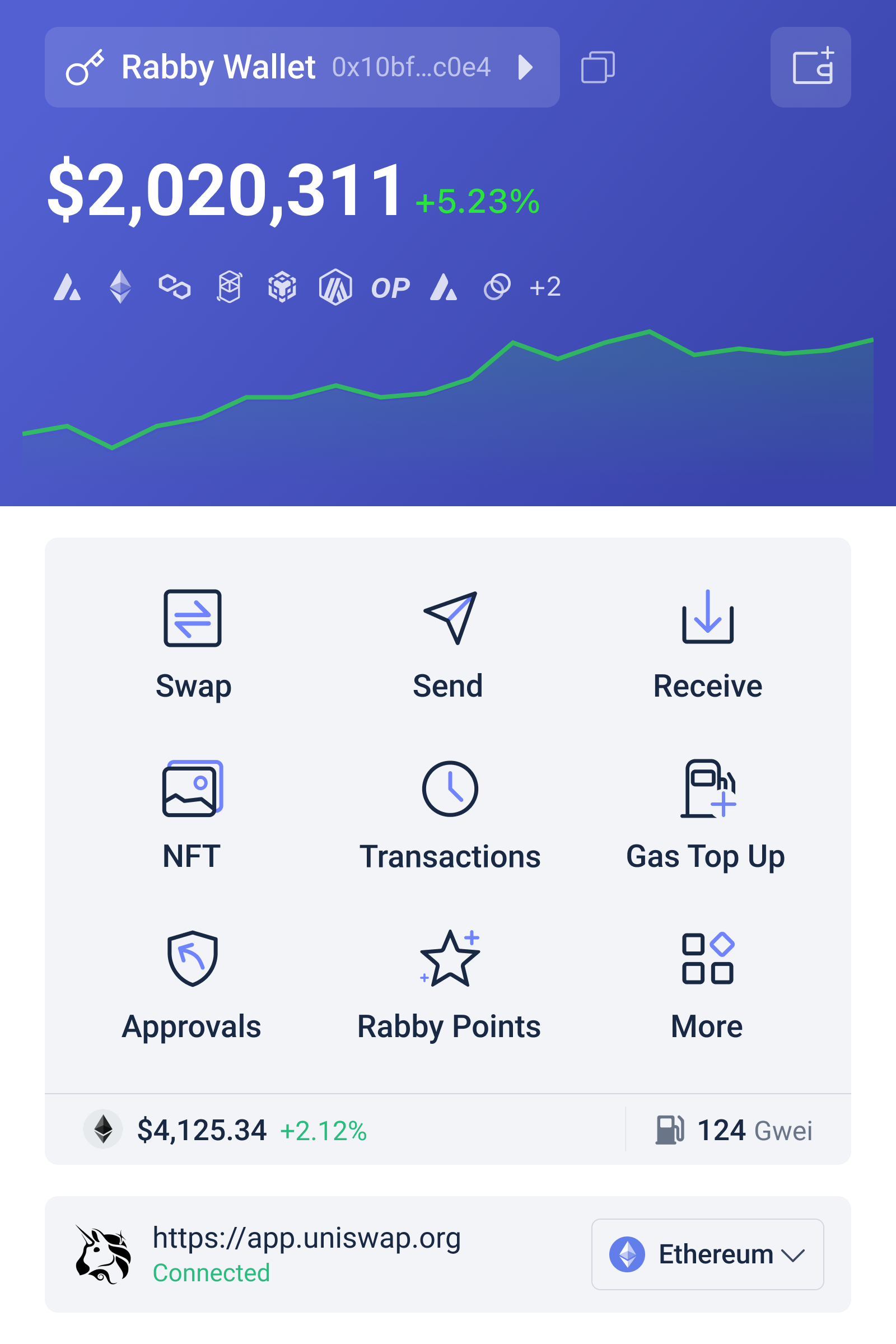
Wallet interface illustrating how transaction details and DeFi contract interactions can be evaluated before signing

Three approaches to connecting with DeFi protocols

The simplest approach is a conventional browser wallet that exposes a dApp’s connection request and asks the user to approve signatures. This is convenient and often sufficient for familiar applications, especially when the user understands the network, contract, and asset involved. Its weakness is that convenience can compress a complicated transaction into a generic “confirm” action. The wallet may show a contract address and estimated gas, but those fields do not necessarily explain whether a user is granting spending authority, trading one asset for another, or interacting with a contract that has unexpected logic.

A second approach is a transaction-aware wallet that adds simulation and contextual risk signals before signing. Simulation attempts to model the likely state changes: which tokens leave the wallet, which assets arrive, whether an approval is created, and whether the transaction is likely to fail. This changes the user’s task from reading raw calldata—a technical encoding of contract instructions—to reviewing an estimated outcome. Tools such as here can be useful in this layer because the wallet becomes an interpretation interface rather than merely a key-management tool.

The third approach is a high-discipline setup: a separate signing device or hardware wallet for material balances, a smaller active wallet for experimentation, explicit approval management, and manual checks of domains and contract addresses. This offers stronger compartmentalization, but it also introduces friction. A hardware wallet can protect private keys from many malware scenarios while still allowing a user to approve a malicious transaction. Security improves only if the transaction details are understandable on the signing path and the user is willing to stop when the information is unclear.

These approaches are not mutually exclusive. A user might use a transaction-aware browser wallet for routine DeFi activity, a hardware signer for long-term holdings, and a dedicated test wallet for new protocols. The best design depends on exposure. A small liquidity experiment and a six-figure treasury should not share the same assumptions, even if both use the same blockchain and dApp interface.

Why simulation helps—and where it can mislead

Transaction simulation is valuable because it addresses a fundamental asymmetry in DeFi: contracts are deterministic at execution, but the user interface may be ambiguous before execution. If a proposed transaction predicts that a wallet will lose a large amount of a token while receiving nothing meaningful, that is a powerful reason to stop. Likewise, a warning about an unlimited approval can reveal a risk that is easy to miss when a user is focused on a swap or yield opportunity.

Yet simulation is not a guarantee. It is a forecast under particular assumptions about blockchain state, pricing, block timing, and contract behavior. A transaction may be simulated against one state and executed against another. Market prices can move, liquidity can change, and a contract can depend on information that evolves between signing and inclusion. Some protocols also use upgradeable contracts, external price feeds, callbacks, or complex routing logic that makes the economic outcome harder to summarize completely.

The boundary condition is especially important for approvals. An approval is not the same as a transfer, but it can give a contract permission to transfer tokens later, subject to the allowance. Revoking unused approvals reduces one attack surface, yet it does not repair a compromised protocol, reverse a completed transaction, or protect a user who signs a new malicious approval. Approval hygiene is risk reduction, not risk elimination.

There is a related distinction between wallet-level and protocol-level security. A wallet can identify suspicious patterns, flag a risky contract, and make the expected result clearer. It cannot prove that a lending market’s collateral model will remain solvent, that an oracle will remain accurate, or that a bridge’s validators will behave honestly. The wallet helps with authorization risk; it does not fully underwrite economic, governance, liquidity, or smart-contract risk.

A practical framework for assessing a new dApp

Before connecting, verify the domain through a trusted route rather than a search advertisement or unsolicited message. Check the intended network and confirm that the dApp’s purpose matches the action being requested. A site that claims to offer a token claim but requests permission to move unrelated assets deserves immediate suspicion.

Before signing, classify the request. Is it a read-only connection, a message signature, an approval, a swap, a deposit, a withdrawal, or an administrative action? These categories carry different consequences. A message signature may not move funds immediately, but it can still be dangerous when used in phishing systems or off-chain authorization schemes. A token approval may appear routine while creating a future pathway for asset movement.

Then compare the intended economic result with the simulated result. Look for the assets leaving the wallet, the assets arriving, the spender address, the approval amount, and any unexpected contract calls. If the result is unavailable, contradictory, or too vague to interpret, uncertainty itself is a risk signal. Do not treat a missing simulation as evidence that the transaction is harmless; it may simply mean the action is too complex or unsupported to model confidently.

Finally, size the position according to the uncertainty that remains. A new protocol with limited history, unaudited code, concentrated liquidity, or upgradeable administration may warrant only an amount the user can afford to lose. This is not pessimism. It is a way to keep a single contract failure from becoming a total custody failure. Separating wallets can also reduce blast radius, although it cannot prevent mistakes if the same seed phrase, browser session, or signing habit links them operationally.

What to watch as wallet integration evolves

Recent project messaging dated August 24, 2026, emphasizes Rabby Wallet’s support for Ethereum and EVM chains, along with extension access through browsers such as Chrome and Brave. The meaningful development is less the number of supported networks than the challenge it creates: as users move across chains, the wallet must help them distinguish network context, contract identity, token representation, and transaction consequences. Multichain convenience can reduce friction, but it can also increase the chance of sending assets on the wrong network or trusting a familiar-looking dApp in an unfamiliar environment.

A plausible next phase of wallet design is more useful transaction explanation, not simply more warnings. The strongest systems would help users compare intended action with predicted state change, identify unusual permissions, and make uncertainty visible. That remains conditional on reliable simulation infrastructure and clear protocol metadata. If those inputs are incomplete, a polished warning system could create false confidence—the dangerous belief that everything not flagged has been verified.

The durable lesson is simple but easy to overlook: the wallet is part of the security boundary, not the whole boundary. Use simulation as a decision aid, approvals as permissions to review, and dApp integration as an ongoing trust relationship rather than a one-click event. The safest DeFi workflow is not the one with the fewest prompts. It is the one in which every important prompt can be understood before a key is used.

Frequently asked questions

Does transaction simulation make a DeFi transaction safe?

No. It can reveal likely balance changes, approvals, and failures before signing, which improves decision quality. But it is based on assumptions about current blockchain state and contract behavior. It cannot guarantee future execution, protocol solvency, honest governance, or protection from every phishing and key-compromise scenario.

Should I use one wallet for all DeFi activity?

Using one wallet is convenient but increases concentration risk. A more resilient setup separates long-term holdings from experimental or frequent activity, potentially adding a hardware signer for higher-value assets. The right arrangement depends on the amount at risk, the user’s operational discipline, and how much complexity they can manage without introducing new mistakes.

What is the most important detail to check before approving a dApp transaction?

Check the expected state change: what leaves the wallet, what arrives, which contract receives permission, and whether the approval amount is appropriate. If those details do not match the action you intended, stop. A familiar interface or popular protocol name is not a substitute for verifying the actual transaction.

DeFi dApp Integration Is Not a Connection Problem—It Is a Risk-Interpretation Problem

A common misconception in decentralized finance is that a wallet is safe once it connects to the right website. In practice, the connection is only the beginning. A decentralized application, or dApp, can request a signature, create token approvals, route a swap through several contracts, or submit a transaction whose final economic effect is difficult to see from a short prompt. The important question is not simply, “Can this wallet connect?” It is, “Can the user understand what the connection and transaction will permit?”

That distinction matters because DeFi risk sits at the boundary between software and judgment. Smart contracts may execute exactly as written, yet the user may misunderstand what was authorized. A wallet can improve visibility, simulation, and warning signals, but it cannot make an unaudited protocol trustworthy or eliminate every unfamiliar risk. For US-based users managing assets across Ethereum and other EVM-compatible networks, the practical comparison is therefore between different layers of control: basic browser-wallet integration, advanced transaction-aware wallets, and more deliberate operational setups that combine wallet safeguards with independent verification.

Wallet interface illustrating how transaction details and DeFi contract interactions can be evaluated before signing

Three approaches to connecting with DeFi protocols

The simplest approach is a conventional browser wallet that exposes a dApp’s connection request and asks the user to approve signatures. This is convenient and often sufficient for familiar applications, especially when the user understands the network, contract, and asset involved. Its weakness is that convenience can compress a complicated transaction into a generic “confirm” action. The wallet may show a contract address and estimated gas, but those fields do not necessarily explain whether a user is granting spending authority, trading one asset for another, or interacting with a contract that has unexpected logic.

A second approach is a transaction-aware wallet that adds simulation and contextual risk signals before signing. Simulation attempts to model the likely state changes: which tokens leave the wallet, which assets arrive, whether an approval is created, and whether the transaction is likely to fail. This changes the user’s task from reading raw calldata—a technical encoding of contract instructions—to reviewing an estimated outcome. Tools such as here can be useful in this layer because the wallet becomes an interpretation interface rather than merely a key-management tool.

The third approach is a high-discipline setup: a separate signing device or hardware wallet for material balances, a smaller active wallet for experimentation, explicit approval management, and manual checks of domains and contract addresses. This offers stronger compartmentalization, but it also introduces friction. A hardware wallet can protect private keys from many malware scenarios while still allowing a user to approve a malicious transaction. Security improves only if the transaction details are understandable on the signing path and the user is willing to stop when the information is unclear.

These approaches are not mutually exclusive. A user might use a transaction-aware browser wallet for routine DeFi activity, a hardware signer for long-term holdings, and a dedicated test wallet for new protocols. The best design depends on exposure. A small liquidity experiment and a six-figure treasury should not share the same assumptions, even if both use the same blockchain and dApp interface.

Why simulation helps—and where it can mislead

Transaction simulation is valuable because it addresses a fundamental asymmetry in DeFi: contracts are deterministic at execution, but the user interface may be ambiguous before execution. If a proposed transaction predicts that a wallet will lose a large amount of a token while receiving nothing meaningful, that is a powerful reason to stop. Likewise, a warning about an unlimited approval can reveal a risk that is easy to miss when a user is focused on a swap or yield opportunity.

Yet simulation is not a guarantee. It is a forecast under particular assumptions about blockchain state, pricing, block timing, and contract behavior. A transaction may be simulated against one state and executed against another. Market prices can move, liquidity can change, and a contract can depend on information that evolves between signing and inclusion. Some protocols also use upgradeable contracts, external price feeds, callbacks, or complex routing logic that makes the economic outcome harder to summarize completely.

The boundary condition is especially important for approvals. An approval is not the same as a transfer, but it can give a contract permission to transfer tokens later, subject to the allowance. Revoking unused approvals reduces one attack surface, yet it does not repair a compromised protocol, reverse a completed transaction, or protect a user who signs a new malicious approval. Approval hygiene is risk reduction, not risk elimination.

There is a related distinction between wallet-level and protocol-level security. A wallet can identify suspicious patterns, flag a risky contract, and make the expected result clearer. It cannot prove that a lending market’s collateral model will remain solvent, that an oracle will remain accurate, or that a bridge’s validators will behave honestly. The wallet helps with authorization risk; it does not fully underwrite economic, governance, liquidity, or smart-contract risk.

A practical framework for assessing a new dApp

Before connecting, verify the domain through a trusted route rather than a search advertisement or unsolicited message. Check the intended network and confirm that the dApp’s purpose matches the action being requested. A site that claims to offer a token claim but requests permission to move unrelated assets deserves immediate suspicion.

Before signing, classify the request. Is it a read-only connection, a message signature, an approval, a swap, a deposit, a withdrawal, or an administrative action? These categories carry different consequences. A message signature may not move funds immediately, but it can still be dangerous when used in phishing systems or off-chain authorization schemes. A token approval may appear routine while creating a future pathway for asset movement.

Then compare the intended economic result with the simulated result. Look for the assets leaving the wallet, the assets arriving, the spender address, the approval amount, and any unexpected contract calls. If the result is unavailable, contradictory, or too vague to interpret, uncertainty itself is a risk signal. Do not treat a missing simulation as evidence that the transaction is harmless; it may simply mean the action is too complex or unsupported to model confidently.

Finally, size the position according to the uncertainty that remains. A new protocol with limited history, unaudited code, concentrated liquidity, or upgradeable administration may warrant only an amount the user can afford to lose. This is not pessimism. It is a way to keep a single contract failure from becoming a total custody failure. Separating wallets can also reduce blast radius, although it cannot prevent mistakes if the same seed phrase, browser session, or signing habit links them operationally.

What to watch as wallet integration evolves

Recent project messaging dated August 24, 2026, emphasizes Rabby Wallet’s support for Ethereum and EVM chains, along with extension access through browsers such as Chrome and Brave. The meaningful development is less the number of supported networks than the challenge it creates: as users move across chains, the wallet must help them distinguish network context, contract identity, token representation, and transaction consequences. Multichain convenience can reduce friction, but it can also increase the chance of sending assets on the wrong network or trusting a familiar-looking dApp in an unfamiliar environment.

A plausible next phase of wallet design is more useful transaction explanation, not simply more warnings. The strongest systems would help users compare intended action with predicted state change, identify unusual permissions, and make uncertainty visible. That remains conditional on reliable simulation infrastructure and clear protocol metadata. If those inputs are incomplete, a polished warning system could create false confidence—the dangerous belief that everything not flagged has been verified.

The durable lesson is simple but easy to overlook: the wallet is part of the security boundary, not the whole boundary. Use simulation as a decision aid, approvals as permissions to review, and dApp integration as an ongoing trust relationship rather than a one-click event. The safest DeFi workflow is not the one with the fewest prompts. It is the one in which every important prompt can be understood before a key is used.

Frequently asked questions

Does transaction simulation make a DeFi transaction safe?

No. It can reveal likely balance changes, approvals, and failures before signing, which improves decision quality. But it is based on assumptions about current blockchain state and contract behavior. It cannot guarantee future execution, protocol solvency, honest governance, or protection from every phishing and key-compromise scenario.

Should I use one wallet for all DeFi activity?

Using one wallet is convenient but increases concentration risk. A more resilient setup separates long-term holdings from experimental or frequent activity, potentially adding a hardware signer for higher-value assets. The right arrangement depends on the amount at risk, the user’s operational discipline, and how much complexity they can manage without introducing new mistakes.

What is the most important detail to check before approving a dApp transaction?

Check the expected state change: what leaves the wallet, what arrives, which contract receives permission, and whether the approval amount is appropriate. If those details do not match the action you intended, stop. A familiar interface or popular protocol name is not a substitute for verifying the actual transaction.

Αναλυτική_κάλυψη_και_theleonbetcasinos_com_για_ολοκλη

🔥 Παίξε ▶️

Αναλυτική κάλυψη και theleonbetcasinos.com για ολοκληρωμένη διασκέδαση στο στοίχημα

Στον κόσμο του διαδικτυακού στοιχήματος, η επιλογή μιας αξιόπιστης και ολοκληρωμένης πλατφόρμας είναι ζωτικής σημασίας για μια ασφαλή και διασκεδαστική εμπειρία. Η theleonbetcasinos.com προσφέρει μια ποικιλία επιλογών για τους λάτρεις του στοιχήματος, συνδυάζοντας αθλητικά γεγονότα, καζίνο και πολλές άλλες μορφές διασκέδασης. Η πλατφόρμα αυτή έχει σχεδιαστεί για να καλύπτει τις ανάγκες τόσο των αρχάριων όσο και των έμπειρων παικτών, προσφέροντας ένα φιλικό προς τον χρήστη περιβάλλον και μια εκτενή γκάμα παιχνιδιών.

Η επιτυχία στο στοίχημα δεν εξαρτάται μόνο από την τύχη, αλλά και από την κατανόηση των στρατηγικών, των πιθανοτήτων και των διαφόρων παραμέτρων που επηρεάζουν το αποτέλεσμα ενός αγώνα ή ενός παιχνιδιού. Γι' αυτό, η theleonbetcasinos.com παρέχει στους χρήστες της εργαλεία και πληροφορίες που τους βοηθούν να λαμβάνουν τεκμηριωμένες αποφάσεις, αυξάνοντας έτσι τις πιθανότητες τους για επιτυχία. Επιπλέον, η ασφάλεια των συναλλαγών και η προστασία των προσωπικών δεδομένων αποτελούν προτεραιότητα για την πλατφόρμα.

Αθλητικό Στοίχημα: Μια Ολοκληρωμένη Εμπειρία

Το αθλητικό στοίχημα αποτελεί ένα από τα πιο δημοφιλή είδη διασκέδασης για τους λάτρεις του αθλητισμού. Η theleonbetcasinos.com προσφέρει μια τεράστια ποικιλία αθλητικών γεγονότων, από δημοφιλή αθλήματα όπως το ποδόσφαιρο, το μπάσκετ και το τένις, μέχρι πιο εξειδικευμένα αθλήματα όπως το βόλεϊ, το χάντμπολ και το χόκεϊ. Οι χρήστες μπορούν να ποντάρουν σε διάφορες αγορές, όπως η νίκη της ομάδας, το σκορ, τα γκολ, τα κόρνερ και πολλά άλλα. Η πλατφόρμα προσφέρει επίσης ζωντανό στοίχημα, όπου οι χρήστες μπορούν να ποντάρουν σε αγώνες που βρίσκονται σε εξέλιξη, προσφέροντας μια πιο συναρπαστική εμπειρία.

Στρατηγικές για το Αθλητικό Στοίχημα

Η επιτυχία στο αθλητικό στοίχημα απαιτεί γνώση, στρατηγική και πειθαρχία. Οι χρήστες θα πρέπει να μελετούν τις ομάδες, τους παίκτες, τις τρέχουσες φόρμες και τις απουσίες πριν ποντάρουν. Επίσης, είναι σημαντικό να συγκρίνουν τις αποδόσεις που προσφέρουν οι διάφοροι bookmakers και να επιλέγουν τις καλύτερες. Η διαχείριση του κεφαλαίου αποτελεί επίσης σημαντικό παράγοντα, καθώς οι χρήστες θα πρέπει να αποφεύγουν να ποντάρουν μεγάλα ποσά σε ένα μόνο γεγονός. Η χρήση στατιστικών και η ανάλυση δεδομένων μπορούν να βοηθήσουν τους χρήστες να λαμβάνουν πιο τεκμηριωμένες αποφάσεις και να αυξήσουν τις πιθανότητες τους για επιτυχία.

Αθλητικό Γεγονός
Αποδόσεις Νίκης Ομάδας Α
Αποδόσεις Νίκης Ομάδας Β
Ισοπαλία
Ποδόσφαιρο – Ελλάδα 2.10 3.50 3.20
Μπάσκετ – NBA 1.80 2.00 1.50

Η theleonbetcasinos.com παρέχει επίσης πληθώρα στατιστικών στοιχείων για κάθε αθλητικό γεγονός, βοηθώντας τους χρήστες να κάνουν πιο ενημερωμένες επιλογές. Η πλατφόρμα επικεντρώνεται στην παροχή μιας ολοκληρωμένης και αξιόπιστης υπηρεσίας, δίνοντας στους παίκτες τα εργαλεία που χρειάζονται για να απολαύσουν το στοίχημα με υπευθυνότητα.

Καζίνο: Μια Ποικιλία Παιχνιδιών για Κάθε Γούστο

Εκτός από το αθλητικό στοίχημα, η theleonbetcasinos.com προσφέρει μια εκτενή γκάμα παιχνιδιών καζίνο, συμπεριλαμβανομένων των κουλοχέρηδων, της ρουλέτας, του blackjack, του πόκερ και πολλών άλλων. Η πλατφόρμα συνεργάζεται με κορυφαίους παρόχους λογισμικού, όπως η NetEnt, η Microgaming και η Evolution Gaming, για να διασφαλίσει μια υψηλής ποιότητας εμπειρία παιχνιδιού. Οι χρήστες μπορούν να απολαύσουν τα αγαπημένα τους παιχνίδια καζίνο από την άνεση του σπιτιού τους, οποιαδήποτε στιγμή και οπουδήποτε.

Ζωντανό Καζίνο: Η Απόλυτη Εμπειρία

Το ζωντανό καζίνο προσφέρει μια μοναδική εμπειρία παιχνιδιού, καθώς οι χρήστες μπορούν να παίξουν με πραγματικούς κρουπιέρηδες σε πραγματικό χρόνο. Μέσω ζωντανής ροής βίντεο, οι χρήστες μπορούν να αλληλεπιδράσουν με τους κρουπιέρηδες και τους άλλους παίκτες, δημιουργώντας μια ατμόσφαιρα παρόμοια με αυτή ενός πραγματικού καζίνο. Το ζωντανό καζίνο της theleonbetcasinos.com περιλαμβάνει διάφορα παιχνίδια, όπως η ζωντανή ρουλέτα, το ζωντανό blackjack και το ζωντανό πόκερ.

  • Κουλοχέρηδες: Μια τεράστια ποικιλία κουλοχέρηδων με διάφορα θέματα και λειτουργίες.
  • Ρουλέτα: Αμερικάνικη, Ευρωπαϊκή και Γαλλική ρουλέτα διαθέσιμες.
  • Blackjack: Διάφορες παραλλαγές του blackjack, όπως το classic blackjack και το multi-hand blackjack.
  • Πόκερ: Casino Hold'em, Caribbean Stud και άλλα παιχνίδια πόκερ.
  • Μπακαρά: Το δημοφιλές παιχνίδι μπακαρά.

Η theleonbetcasinos.com προσφέρει επίσης διάφορες προσφορές και μπόνους για τους παίκτες του καζίνο, αυξάνοντας έτσι τις πιθανότητες τους να κερδίσουν. Η πλατφόρμα δίνει μεγάλη έμφαση στην ασφάλεια και την υπεύθυνη τυχερά παιχνίδια.

Προσφορές και Μπόνους: Αξιοποιήστε τις Ευκαιρίες

Η theleonbetcasinos.com προσφέρει μια ποικιλία προσφορών και μπόνους για νέους και υφιστάμενους χρήστες. Αυτές οι προσφορές μπορούν να περιλαμβάνουν μπόνους καλωσορίσματος, δωρεάν πονταρίσματα, επιστροφή χρημάτων και άλλες προωθητικές ενέργειες. Οι χρήστες θα πρέπει να διαβάζουν προσεκτικά τους όρους και τις προϋποθέσεις κάθε προσφοράς πριν την διεκδικήσουν, καθώς μπορεί να υπάρχουν συγκεκριμένες απαιτήσεις και περιορισμοί. Η αξιοποίηση αυτών των προσφορών μπορεί να αυξήσει το κεφάλαιο των χρηστών και να τους δώσει περισσότερες ευκαιρίες για να κερδίσουν.

Προϋποθέσεις για την Απαίτηση Μπόνους

Συνήθως, για να διεκδικήσει ένας χρήστης ένα μπόνους, θα πρέπει να καταθέσει ένα συγκεκριμένο ποσό χρημάτων στον λογαριασμό του. Επίσης, μπορεί να υπάρχει απαίτηση για στοιχηματισμό του μπόνους ένα συγκεκριμένο αριθμό φορών πριν μπορέσει να το αποσύρει. Η theleonbetcasinos.com παρέχει λεπτομερείς πληροφορίες σχετικά με τους όρους και τις προϋποθέσεις κάθε προσφοράς, διασφαλίζοντας την διαφάνεια και την αξιοπιστία.

  1. Κατάθεση χρημάτων στον λογαριασμό.
  2. Στοιχηματισμός του μπόνους έναν συγκεκριμένο αριθμό φορών.
  3. Εκπλήρωση των υπολοίπων όρων και προϋποθέσεων.
  4. Αποστολή των απαραίτητων δικαιολογητικών για την επαλήθευση της ταυτότητας.

Η πλατφόρμα φροντίζει να ανταμείβει τους πιστούς της πελάτες με αποκλειστικές προσφορές και μπόνους, ενισχύοντας έτσι τη σχέση εμπιστοσύνης και αφοσίωσης.

Υπεύθυνο Στοίχημα: Παίξτε με Μέτρο

Το στοίχημα μπορεί να είναι μια διασκεδαστική και συναρπαστική δραστηριότητα, αλλά είναι σημαντικό να παίζεται με υπευθυνότητα. Η theleonbetcasinos.com προωθεί το υπεύθυνο στοίχημα και παρέχει στους χρήστες της εργαλεία και πληροφορίες που τους βοηθούν να διατηρούν τον έλεγχο των τυχερών τους παιχνιδιών. Οι χρήστες θα πρέπει να θέτουν όρια στα χρήματα που ξοδεύουν και στον χρόνο που αφιερώνουν στο στοίχημα, και να μην προσπαθούν ποτέ να κυνηγήσουν τις ζημιές τους. Εάν αισθάνονται ότι έχουν χάσει τον έλεγχο, θα πρέπει να αναζητήσουν βοήθεια από εξειδικευμένους οργανισμούς.

Εναλλακτικές Μέθοδοι Πληρωμής και Εξυπηρέτηση Πελατών

Η theleonbetcasinos.com προσφέρει μια ποικιλία μεθόδων πληρωμής, όπως πιστωτικές και χρεωστικές κάρτες, ηλεκτρονικά πορτοφόλια και τραπεζικές μεταφορές, για να διευκολύνει τις συναλλαγές των χρηστών. Η πλατφόρμα διαθέτει επίσης μια ομάδα εξυπηρέτησης πελατών που είναι διαθέσιμη 24/7 για να απαντήσει σε τυχόν ερωτήσεις ή προβλήματα που μπορεί να αντιμετωπίσουν οι χρήστες. Η άμεση και αποτελεσματική εξυπηρέτηση πελατών αποτελεί σημαντικό παράγοντα για την ικανοποίηση των χρηστών και την οικοδόμηση μιας μακροχρόνιας σχέσης εμπιστοσύνης.

Analiza_detaliată_a_pariurilor_sportive_oferite_de_topbet-romania_ro_pentru_pas

🔥 Joacă ▶️

Analiza detaliată a pariurilor sportive oferite de topbet-romania.ro pentru pasionații din România

Dacă ești pasionat de sport și pariuri, cu siguranță ai auzit de platforma topbet-romania.ro. Aceasta s-a impus rapid ca un jucător important pe piața românească de pariuri sportive, oferind o gamă largă de opțiuni și evenimente sportive, cote competitive și o experiență de utilizare intuitivă. În acest articol, vom analiza în detaliu ce oferă această platformă, de la tipurile de pariuri disponibile până la bonusuri și metode de plată, pentru a te ajuta să decizi dacă se potrivește nevoilor tale de pariere.

Pariurile sportive au devenit o formă populară de divertisment pentru mulți români, iar accesul la o platformă online sigură și fiabilă este crucial. topbet-romania.ro își propune să ofere exact asta, combinând o selecție vastă de evenimente sportive cu funcții moderne și un serviciu de asistență clienți dedicat. Vom explora și aspectele legate de securitatea datelor și licențierea platformei, pentru a-ți oferi o imagine completă a ceea ce poți aștepta de la topbet-romania.ro. Scopul nostru este de a oferi o analiză obiectivă și detaliată, care să te ajute să iei decizii informate în lumea pariurilor sportive.

Oferta de Pariuri Sportive: Varietate și Acoperire

topbet-romania.ro se distinge prin diversitatea ofertelor de pariuri sportive. Acoperirea evenimentelor este impresionantă, incluzând nu doar sporturi populare precum fotbal, tenis, baschet și handbal, ci și o serie de discipline mai nișate, precum darts, snooker, eSports și multe altele. Această varietate asigură că fiecare parior, indiferent de preferințele sale, va găsi evenimente pe care să parieze. Platforma oferă pariuri pe ligi și competiții majore din întreaga lume, precum Liga Campionilor, Premier League, Wimbledon, NBA și Campionatele Mondiale de Fotbal, dar și pe evenimente locale din România. În plus, există o secțiune specială dedicată pariurilor live, unde poți paria pe evenimente în desfășurare, cu cote actualizate în timp real.

Pariuri Live și Streaming

Pariurile live reprezintă un punct forte al platformei topbet-romania.ro. Această funcție îți permite să pariezi pe evenimente sportive în timp real, pe măsură ce se desfășoară. Cotele sunt ajustate constant în funcție de evoluția jocului, oferindu-ți oportunități de a profita de schimbări dinamice. În plus, platforma oferă și streaming live pentru anumite evenimente, ceea ce îți permite să urmărești meciurile direct pe site, fără a fi nevoie să apelezi la alte surse. Această combinație de pariuri live și streaming live îmbunătățește considerabil experiența de pariere, oferindu-ți un control mai mare și o implicare mai profundă în evenimentul sportiv.

Sport
Tipuri de Pariuri
Cote Medii
Fotbal Victorie, Egal, Înfrângere, Peste/Sub, Handikap Asiatic 95% – 98%
Tenis Victorie, Seturi, Game-uri, Handikap 94% – 97%
Baschet Victorie, Puncte Totale, Handikap 93% – 96%
Handbal Victorie, Puncte Totale, Handikap 92% – 95%

Prezentarea de mai sus oferă o idee generală despre tipurile de pariuri și cotele medii oferite de platformă. Este important de menționat că aceste cote pot varia în funcție de evenimentul sportiv și de tipul de pariu. Platforma se străduiește să ofere cote competitive, comparabile cu cele ale altor operatori de pe piață.

Bonusuri și Promoții: Atractivitate pentru Clienți

topbet-romania.ro acordă o importanță deosebită bonusurilor și promoțiilor, considerându-le un instrument eficient de atragere și fidelizare a clienților. Platforma oferă o varietate de bonusuri, inclusiv bonus de bun venit pentru clienții noi, bonusuri de depunere, pariuri fără risc și oferte speciale pentru anumite evenimente sportive. Bonusul de bun venit este, de obicei, un procentaj din prima depunere, care îți oferă fonduri suplimentare pentru a începe să pariezi. Bonusurile de depunere sunt acordate atunci când alimentezi contul cu o anumită sumă de bani, iar pariurile fără risc îți returnează miza în cazul în care pariul este pierdut. Este important să citești cu atenție termenii și condițiile fiecărui bonus, pentru a înțelege cerințele de rulaj și alte restricții.

Programul de Loialitate și Oferte VIP

Pe lângă bonusurile standard, topbet-romania.ro are și un program de loialitate care recompensează clienții fideli. Acest program îți permite să acumulezi puncte de loialitate pe măsură ce pariezi, iar aceste puncte pot fi ulterior transformate în bani bonus sau alte beneficii. În plus, platforma oferă și oferte VIP pentru clienții cu depuneri și pariuri mari. Aceste oferte pot include bonusuri exclusive, cote mai mari, acces la evenimente speciale și un manager de cont personal. Programul de loialitate și ofertele VIP sunt concepute pentru a oferi o experiență de pariere premium pentru cei mai valoroși clienți.

  • Bonus de bun venit: 100% până la 500 RON
  • Bonus de depunere: 25% până la 200 RON
  • Pariuri fără risc: Oferte periodice
  • Program de loialitate: Acumulare puncte pentru fiecare pariu
  • Oferte VIP: Bonusuri exclusive și cote mărite

Acestea sunt doar câteva exemple de bonusuri și promoții disponibile pe platformă. Este recomandat să verifici în mod regulat secțiunea de promoții de pe site, pentru a fi la curent cu cele mai recente oferte.

Metode de Plată și Securitate

topbet-romania.ro oferă o gamă largă de metode de plată, pentru a satisface preferințele tuturor clienților. Poți depune și retrage fonduri utilizând carduri de credit/debit (Visa, Mastercard), transfer bancar, portofele electronice (Skrill, Neteller) și alte metode populare. Procesul de depunere și retragere este simplu și rapid, iar platforma garantează securitatea tranzacțiilor. Platforma utilizează tehnologii de criptare avansate pentru a proteja datele personale și financiare ale clienților. Toate tranzacțiile sunt procesate prin conexiuni securizate SSL, ceea ce înseamnă că informațiile tale sunt protejate împotriva accesului neautorizat.

Licențiere și Reglementare

Un aspect crucial de luat în considerare atunci când alegi o platformă de pariuri sportive este licențierea și reglementarea. topbet-romania.ro deține o licență valabilă de la Oficiul Național pentru Jocuri de Noroc (ONJN) din România, ceea ce garantează că platforma respectă toate reglementările legale și standardele de siguranță. Această licență implică faptul că platforma este supusă unor controale riguroase și că fondurile tale sunt protejate. În plus, platforma promovează jocul responsabil și oferă instrumente pentru a te ajuta să-ți controlezi activitatea de pariere.

  1. Depunere: Card, transfer bancar, portofel electronic
  2. Retragere: Card, transfer bancar, portofel electronic
  3. Securitate: Criptare SSL, protecția datelor personale
  4. Licențiere: Licență ONJN valabilă
  5. Joc responsabil: Instrumente de auto-excludere și limite de depunere

Aceste măsuri asigură un mediu de pariere sigur și transparent pentru toți utilizatorii.

Suport Clienți și Experiența Utilizatorului

topbet-romania.ro pune un accent deosebit pe calitatea suportului clienți. Platforma oferă asistență clienți prin intermediul chat live, e-mail și telefon. Echipa de suport este disponibilă 24/7 și este pregătită să răspundă la orice întrebări sau nelămuriri ai putea avea. Pe lângă suportul clienți, platforma oferă și o secțiune de întrebări frecvente (FAQ) care acoperă o gamă largă de subiecte. Experiența utilizatorului este, de asemenea, un aspect important. Interfața site-ului este intuitivă și ușor de navigat, iar platforma este optimizată pentru dispozitive mobile, ceea ce îți permite să pariezi de oriunde, folosind smartphone-ul sau tableta.

Aspecte de viitor și inovații în pariurile sportive online

Industria pariurilor sportive online este într-o continuă evoluție, iar topbet-romania.ro se adaptează constant la noile tendințe și tehnologii. Unul dintre aspectele de viitor este creșterea importanței pariurilor pe eSports, care au devenit extrem de populare în ultimii ani. Platforma a început deja să ofere o selecție largă de pariuri pe eSports și se așteaptă ca această ofertă să se extindă în viitor. O altă tendință importantă este utilizarea inteligenței artificiale și a machine learning pentru a oferi pariuri personalizate și cote mai precise. În plus, se anticipează o creștere a popularității realității virtuale și augmentate în pariurile sportive, oferind o experiență de pariere și mai immersivă. topbet-romania.ro explorează activ aceste noi tehnologii și se străduiește să ofere clienților săi cele mai inovatoare și interesante opțiuni de pariere.

Pe măsură ce platformele de pariuri sportive continuă să evolueze, accentul pe responsabilitate și transparență va deveni și mai important. topbet-romania.ro se angajează să ofere un mediu de pariere sigur și corect, respectând toate reglementările legale și promovând jocul responsabil. Prin investiții continue în tehnologie, suport clienți și inovație, platforma își propune să rămână un lider pe piața românească de pariuri sportive.

Armonía_en_exteriores_disfruta_cada_detalle_con_lazybars-es_es_y_un_diseño_sin

🔥 Juega ▶️

Armonía en exteriores, disfruta cada detalle con lazybars-es.es y un diseño sin igual

En la búsqueda constante de espacios exteriores que inviten a la relajación y al disfrute, la elección de mobiliario juega un papel fundamental. lazybars-es.es se presenta como una solución integral para aquellos que desean transformar sus terrazas, jardines o balcones en auténticos oasis de confort y estilo. La clave reside en la armonía entre la funcionalidad, la estética y la durabilidad, ofreciendo productos diseñados para resistir las inclemencias del tiempo y perdurar a lo largo de los años.

El diseño de exteriores es mucho más que simplemente colocar unos muebles; se trata de crear una atmósfera, un ambiente que refleje la personalidad de sus habitantes y se adapte a sus necesidades. Ya sea un espacio íntimo para la lectura, una zona de comedor para compartir momentos especiales con amigos y familiares, o un rincón de relax para desconectar del estrés diario, cada detalle cuenta. La selección adecuada de materiales, colores y formas es esencial para lograr un resultado equilibrado y armonioso. La filosofía de lazybars-es.es radica precisamente en esta atención al detalle y en la apuesta por la calidad y el diseño innovador.

La Importancia del Material en el Mobiliario de Exterior

La elección del material es, sin duda, uno de los aspectos más importantes a considerar al adquirir mobiliario para exteriores. La exposición constante a los elementos naturales, como el sol, la lluvia, el viento y los cambios de temperatura, exige la utilización de materiales resistentes y duraderos. La madera, por ejemplo, es un material noble y cálido que aporta un toque natural y elegante a cualquier espacio, pero requiere un mantenimiento regular para protegerla de la humedad y los rayos UV. El aluminio, por su parte, es ligero, resistente a la corrosión y no necesita un mantenimiento exhaustivo, lo que lo convierte en una opción práctica y versátil. El ratán sintético, también conocido como polyrattan, es una alternativa popular a la madera natural, ya que es resistente a la intemperie, fácil de limpiar y ofrece una amplia gama de colores y estilos.

Cuidado y Mantenimiento de los Materiales del Exterior

Independientemente del material elegido, un cuidado adecuado es fundamental para prolongar la vida útil del mobiliario de exterior. La limpieza regular con agua y jabón suave ayuda a eliminar la suciedad y el polvo acumulados, mientras que la aplicación de productos protectores específicos para cada material ayuda a prevenir el deterioro causado por los rayos UV y la humedad. En el caso de la madera, es importante aplicar barnices o aceites protectores de forma periódica para evitar que se agriete o se deforme. El aluminio y el ratán sintético, por su parte, requieren un mantenimiento aún más sencillo, bastando con una limpieza ocasional con agua y jabón. Un buen mantenimiento no solo garantiza la durabilidad del mobiliario, sino que también contribuye a mantener su aspecto estético original.

Material
Ventajas
Desventajas
Mantenimiento
Madera Estética natural, calidez, confort. Requiere mantenimiento regular, susceptible a la humedad y los rayos UV. Aplicación de barnices o aceites protectores periódicamente.
Aluminio Ligero, resistente a la corrosión, bajo mantenimiento. Puede calentarse demasiado al sol, menos cálido que la madera. Limpieza ocasional con agua y jabón.
Ratán Sintético (Polyrattan) Resistente a la intemperie, fácil de limpiar, variada gama de colores. Puede resultar menos natural que la madera. Limpieza ocasional con agua y jabón.

La selección del material adecuado dependerá, en última instancia, de las preferencias personales, el presupuesto disponible y las condiciones climáticas de la zona donde se vaya a utilizar el mobiliario. Considerar cuidadosamente estos factores garantizará una inversión inteligente y duradera.

Diseño y Estilo: Creando Ambientes Unicos

El diseño y el estilo del mobiliario de exterior son elementos clave para crear ambientes únicos y personalizados. Desde estilos clásicos y elegantes hasta diseños modernos y minimalistas, existe una amplia variedad de opciones para adaptarse a los gustos de cada persona. Los colores también juegan un papel importante, ya que pueden influir en la atmósfera del espacio. Los tonos claros y neutros, como el blanco, el beige o el gris, aportan luminosidad y sensación de amplitud, mientras que los colores más vibrantes, como el azul, el verde o el rojo, añaden energía y dinamismo. La combinación de diferentes texturas y materiales también puede crear un efecto visual interesante y sofisticado.

Tendencias Actuales en el Diseño de Exteriores

En la actualidad, las tendencias en el diseño de exteriores se inclinan hacia la naturalidad, la sostenibilidad y la integración con el entorno. Los materiales naturales, como la madera, el ratán o la piedra, son cada vez más populares, al igual que los colores inspirados en la naturaleza, como los tonos tierra, los verdes o los azules. También se observa una creciente demanda de muebles multifuncionales y versátiles, que se adaptan a diferentes usos y necesidades. La incorporación de plantas y vegetación en el diseño de exteriores es otra tendencia al alza, ya que ayuda a crear un ambiente más fresco, relajante y conectado con la naturaleza. La sostenibilidad es un factor cada vez más importante, por lo que se buscan materiales reciclados o de origen sostenible y productos con una larga vida útil.

  • Mobiliario modular y adaptable.
  • Uso de materiales reciclados y sostenibles.
  • Integración de la vegetación en el diseño.
  • Colores inspirados en la naturaleza.
  • Diseños minimalistas y funcionales.

La clave para elegir el diseño y el estilo adecuados es tener en cuenta el espacio disponible, la arquitectura de la vivienda y las preferencias personales. Un buen diseño debe ser funcional, estético y confortable, creando un ambiente que invite a la relajación y al disfrute.

Confort y Funcionalidad: Prioridades Indiscutibles

El confort y la funcionalidad son dos aspectos fundamentales a considerar al elegir mobiliario para exteriores. Unas sillas cómodas, una mesa adecuada para las comidas y un sofá espacioso para relajarse son elementos esenciales para crear un espacio exterior agradable y funcional. Es importante elegir muebles que se adapten a las necesidades de cada persona y a la forma en que se va a utilizar el espacio. Por ejemplo, si se planea utilizar el espacio para comer al aire libre, es fundamental elegir una mesa y unas sillas que sean lo suficientemente grandes y cómodas para todos los comensales. Si se busca un espacio para relajarse y tomar el sol, un sofá o una tumbona confortable serán la mejor opción.

  1. Evaluar el espacio disponible y las necesidades de uso.
  2. Elegir muebles ergonómicos y confortables.
  3. Seleccionar materiales resistentes y duraderos.
  4. Considerar la posibilidad de incorporar elementos funcionales, como sombrillas o toldos.
  5. Adaptar el mobiliario al estilo de vida y las preferencias personales.

Además del mobiliario en sí, también es importante considerar la iluminación, los accesorios y la decoración. Una buena iluminación puede crear un ambiente acogedor y agradable, mientras que los accesorios decorativos, como cojines, mantas o plantas, pueden añadir un toque de personalidad y estilo. La elección de estos elementos debe ser coherente con el diseño general del espacio y contribuir a crear un ambiente armonioso y equilibrado.

La Importancia de la Protección contra el Clima

La protección contra el clima es un aspecto crucial a considerar al diseñar un espacio exterior. El sol, la lluvia, el viento y los cambios de temperatura pueden dañar el mobiliario y afectar al confort de los usuarios. Por ello, es importante tomar medidas para proteger el espacio de las inclemencias del tiempo. La instalación de sombrillas, toldos o pérgolas puede proporcionar sombra y refugio del sol y la lluvia, mientras que la utilización de cubiertas protectoras para los muebles puede evitar que se mojen o se deterioren. También es importante elegir muebles que sean resistentes a la intemperie y que no se decoloran ni se deforman con la exposición al sol.

La elección de la protección adecuada dependerá de las condiciones climáticas de la zona y de las necesidades específicas de cada espacio. En zonas con climas cálidos y soleados, es fundamental proporcionar sombra y protección contra los rayos UV. En zonas con climas lluviosos o ventosos, es importante proteger los muebles de la humedad y el viento. Una buena protección contra el clima no solo prolongará la vida útil del mobiliario, sino que también garantizará un mayor confort y disfrute del espacio exterior.

Adaptando Espacios Pequeños con Inteligencia

Cuando el espacio exterior es limitado, es fundamental optimizar cada centímetro cuadrado y elegir muebles que sean funcionales, versátiles y de dimensiones adecuadas. Los muebles plegables o apilables son una excelente opción para ahorrar espacio cuando no se utilizan, mientras que los muebles multifuncionales, como bancos con espacio de almacenamiento o mesas extensibles, permiten aprovechar al máximo el espacio disponible. También es importante elegir colores claros y luminosos, que ayudan a crear una sensación de amplitud. La verticalidad puede ser una gran aliada en espacios pequeños; utilizar estanterías, jardineras verticales o macetas colgantes puede ayudar a aprovechar el espacio en altura y añadir un toque de verde al ambiente.

Lazybars-es.es ofrece soluciones de mobiliario diseñadas específicamente para espacios pequeños, combinando funcionalidad, estilo y optimización del espacio. La clave está en pensar de forma creativa y aprovechar al máximo cada rincón, transformando incluso el espacio más reducido en un oasis de confort y relajación. Recuerda que la clave no está en la cantidad de muebles, sino en la calidad y en la forma en que se distribuyen. Un diseño inteligente y una cuidadosa selección de los muebles pueden convertir un espacio pequeño en un lugar acogedor y funcional.

الاستراتيجيات_الذكية_و_super_bet_لتحقيق_أرباح_م

🔥 العب ▶️

الاستراتيجياتُ الذكيةُ و super bet لتحقيقِ أرباحٍ متزايدةٍ في عالمِ الرهاناتِ الرياضيةِ

تعتبر المراهنات الرياضية شكلاً شائعاً من الترفيه يتطلب فهماً عميقاً للاستراتيجيات والاحتمالات. ومع تطور التكنولوجيا، ظهرت طرق جديدة لتعزيز فرص الفوز. من بين هذه الطرق، يبرز مفهوم الـ super bet كاستراتيجية متطورة تهدف إلى زيادة الأرباح المحتملة، ولكنها تحمل أيضاً مخاطر أعلى. تهدف هذه المقالة إلى استكشاف هذه الاستراتيجية بتفصيل، وتقديم نظرة شاملة حول كيفية تطبيقها بشكل فعال ومسؤول.

تتطلب المراهنات الرياضية الناجحة أكثر من مجرد الحظ؛ إنها تتطلب بحثًا دقيقًا وتحليلًا للبيانات وتقييمًا للمخاطر. إن فهم كيفية عمل الاحتمالات، وكيفية تأثيرها على العائد المحتمل، هو أمر بالغ الأهمية. العديد من المراهنين يعتمدون على التخمينات أو المشاعر، ولكن الاستراتيجيات القائمة على البيانات والتحليل تزيد بشكل كبير من فرص الفوز. الاستثمار في المعرفة والفهم هو أفضل رهان على المدى الطويل.

تحليل المخاطر والعائد في الرهانات الرياضية

قبل الغوص في استراتيجيات الرهان المتقدمة، من الضروري فهم العلاقة بين المخاطر والعائد. بشكل عام، كلما زادت المخاطر، زاد العائد المحتمل، والعكس صحيح. يجب على المراهنين تقييم مدى تحملهم للمخاطر وتحديد المبلغ الذي هم على استعداد لخسارته قبل المراهنة. إن وضع ميزانية صارمة والالتزام بها هو خطوة أساسية نحو المراهنة المسؤولة. كما يجب أن يكون المراهنون على دراية بالاحتمالات المختلفة وأن يفهموا كيفية حساب العائد المحتمل لكل رهان. الاحتمالات تعكس احتمالية وقوع حدث معين، وتؤثر بشكل مباشر على المبلغ الذي يمكن للمراهن أن يربحه.

تقييم الاحتمالات وأنواع الرهانات

هناك أنواع مختلفة من الاحتمالات المستخدمة في المراهنات الرياضية، مثل الاحتمالات العشرية والكسرية والأمريكية. يجب على المراهنين فهم كيفية تحويل هذه الاحتمالات وكيفية مقارنتها لتحديد أفضل قيمة للرهان. بالإضافة إلى ذلك، هناك أنواع مختلفة من الرهانات المتاحة، مثل الرهانات الفردية، والرهانات المتراكمة، والرهانات الخاصة. كل نوع من الرهانات له مجموعة المخاطر والمكافآت الخاصة به. الرهانات المتراكمة، على سبيل المثال، تسمح للمراهنين بدمج عدة رهانات في رهان واحد، مما يزيد من العائد المحتمل، ولكنه يزيد أيضًا من المخاطر. إن فهم هذه الاختلافات يسمح للمراهنين باتخاذ قرارات مستنيرة واختيار الرهانات التي تتناسب مع أهدافهم وتحملهم للمخاطر.

نوع الرهانالمخاطرالعائد المحتمل
الرهان الفردي منخفضة منخفض
الرهان المتراكم عالية عالي
الرهان الخاص متوسطة متوسطة

من خلال فهم أنواع الرهانات المختلفة ومخاطرها وعوائدها المحتملة، يمكن للمراهنين تطوير استراتيجيات مراهنة فعالة تزيد من فرصهم في الفوز. تذكر دائماً أن المراهنة يجب أن تكون وسيلة للترفيه، وليس وسيلة لكسب المال. فقط راهن بالمبلغ الذي يمكنك تحمل خسارته، ولا تطارد خسائرك.

استراتيجيات الـ super bet لتعزيز الأرباح

الـ super bet هي استراتيجية تتضمن زيادة حجم الرهان بشكل كبير عندما يكون المراهن واثقًا جدًا من النتيجة. تعتمد هذه الاستراتيجية على فكرة أن تحقيق مكاسب كبيرة يتطلب أحيانًا تحمل مخاطر أكبر. ومع ذلك، يجب استخدامها بحذر شديد، حيث يمكن أن تؤدي إلى خسائر كبيرة إذا لم تنجح الرهان. قبل استخدام استراتيجية الـ super bet، يجب على المراهنين التأكد من أنهم قد قاموا بتقييم شامل للمخاطر وأنهم على استعداد لتحمل الخسارة. يجب أن يكون لدى المراهنين أيضًا فهم عميق للرياضة التي يراهنون عليها وأن يكونوا قادرين على تحديد الرهانات ذات القيمة العالية.

شروط تطبيق استراتيجية الـ super bet بنجاح

لتطبيق استراتيجية الـ super bet بنجاح، هناك عدة شروط يجب الوفاء بها. أولاً، يجب أن يكون لدى المراهن سجل حافل بالنجاح في الرهانات السابقة. ثانياً، يجب أن يكون الرهان مبنيًا على تحليل دقيق للبيانات والإحصائيات، وليس على التخمينات أو المشاعر. ثالثاً، يجب أن يكون المراهن قادرًا على التحكم في عواطفه وتجنب اتخاذ قرارات متهورة. رابعاً، يجب أن يكون لدى المراهن ميزانية مخصصة للمراهنات وأن يلتزم بها. وأخيراً، يجب أن يكون المراهن على استعداد لتحمل الخسارة. إن الالتزام بهذه الشروط يزيد بشكل كبير من فرص نجاح استراتيجية الـ super bet.

  • تقييم شامل للمخاطر قبل كل رهان.
  • تحليل دقيق للبيانات والإحصائيات.
  • التحكم في العواطف وتجنب القرارات المتهورة.
  • الالتزام بميزانية مخصصة للمراهنات.
  • الاستعداد لتحمل الخسارة.

تذكر أن استراتيجية الـ super bet ليست مضمونة النجاح، وأنها تحمل مخاطر كبيرة. يجب استخدامها بحذر شديد، وفقط من قبل المراهنين ذوي الخبرة الذين يفهمون المخاطر المرتبطة بها.

أدوات التحليل والاستفادة من البيانات في الـ super bet

في عصر البيانات الضخمة، يمكن للمراهنين الاستفادة من مجموعة متنوعة من الأدوات والتقنيات لتحليل البيانات وزيادة فرصهم في الفوز. يمكن استخدام برامج الإحصاء والتحليل لتحديد الأنماط والاتجاهات في بيانات الأداء الرياضي. يمكن أيضًا استخدام مواقع الويب التي توفر معلومات مفصلة عن الفرق واللاعبين والإصابات. بالإضافة إلى ذلك، يمكن للمراهنين استخدام وسائل التواصل الاجتماعي ومنتديات المراهنة لجمع المعلومات وتبادل الأفكار مع المراهنين الآخرين. إن الاستفادة من هذه الأدوات والتقنيات يمكن أن تمنح المراهنين ميزة تنافسية كبيرة.

مصادر البيانات الموثوقة وأهميتها

عند استخدام البيانات لتحليل الرهانات الرياضية، من المهم التأكد من أن المصادر موثوقة ودقيقة. تجنب الاعتماد على مصادر البيانات المشبوهة أو غير الموثوقة، وابحث عن المصادر التي لديها سجل حافل بالدقة والموضوعية. تشمل مصادر البيانات الموثوقة المواقع الرسمية للرياضات والفرق واللاعبين، بالإضافة إلى وكالات الأنباء الموثوقة ومواقع الإحصاء الرياضية. تذكر أن جودة البيانات تؤثر بشكل مباشر على جودة التحليل والقرارات التي تتخذها. البيانات الخاطئة أو غير الدقيقة يمكن أن تؤدي إلى رهانات خاسرة.

  1. المواقع الرسمية للرياضات والفرق واللاعبين.
  2. وكالات الأنباء الموثوقة.
  3. مواقع الإحصاء الرياضية ذات السمعة الطيبة.
  4. التقارير التحليلية المتخصصة.

من خلال الاعتماد على مصادر البيانات الموثوقة، يمكن للمراهنين اتخاذ قرارات مستنيرة وزيادة فرصهم في الفوز.

إدارة رأس المال والتحكم في المخاطر في الـ super bet

تعتبر إدارة رأس المال والتحكم في المخاطر من أهم الجوانب في المراهنات الرياضية، وخاصة عند استخدام استراتيجيات مثل الـ super bet. يجب على المراهنين تحديد ميزانية مخصصة للمراهنات والالتزام بها، وتجنب المراهنة بأكثر مما يمكنهم تحمل خسارته. يجب أيضًا تقسيم رأس المال إلى وحدات أصغر، واستخدام نسبة صغيرة من رأس المال في كل رهان. هذه الاستراتيجية تقلل من خطر الخسارة الكبيرة وتحمي رأس المال من الاستنزاف السريع. بالإضافة إلى ذلك، يجب على المراهنين تجنب مطاردة الخسائر، والتركيز على اتخاذ قرارات عقلانية ومستنيرة.

تطبيقات عملية للـ super bet في رياضات مختلفة

يمكن تطبيق استراتيجية الـ super bet في مجموعة متنوعة من الرياضات، ولكن يجب تكييفها مع الخصائص الفريدة لكل رياضة. على سبيل المثال، في كرة القدم، يمكن استخدام الـ super bet عندما يكون هناك فريق يتمتع بسجل أداء قوي وواثق من الفوز، أو عندما يكون هناك تغيير كبير في التشكيلة أو الإدارة. في سباقات الخيل، يمكن استخدامها عندما يكون هناك حصان يتمتع بسجل أداء ممتاز ويتمتع بفرصة كبيرة للفوز. في التنس، يمكن استخدامها عندما يكون هناك لاعب يتمتع بمهارة عالية ويواجه خصمًا أضعف. ومع ذلك، يجب تذكر أن استراتيجية الـ super bet ليست مضمونة النجاح في أي رياضة، وأنها تحمل مخاطر كبيرة.

Adorable_chicken_dodging_thrills_await_with_https_ischickenroadlegit_uk_and_endl

🔥 Play ▶️

Adorable chicken dodging thrills await with https://ischickenroadlegit.uk and endless road-crossing fun

Are you looking for a delightfully addictive and deceptively simple game? Then look no further than the world of chicken road crossing, perfectly embodied by the experience offered at https://ischickenroadlegit.uk. This isn't just about getting a virtual chicken across a busy street; it’s about strategic timing, risk assessment, and relentlessly chasing a high score. The core gameplay loop is incredibly engaging, offering a compelling reason to “just play one more round” as you strive to navigate your feathered friend through increasingly treacherous traffic patterns.

The charm of this style of game lies in its accessibility. Anyone, regardless of their gaming experience, can pick it up and immediately understand the objective. However, mastering the art of the chicken crossing requires refinement, patience, and a healthy dose of quick reflexes. It’s a testament to the enduring appeal of simple yet challenging mechanics, and the developers at ischickenroadlegit.uk have truly captured that essence. The increasing difficulty, coupled with the reward of a growing score, keeps players hooked, constantly striving for that perfect run and bragging rights amongst friends.

The Art of the Dodge: Mastering Timing and Observation

Success in navigating the perilous path your chicken must take hinges on a keen understanding of traffic patterns. It’s not enough to simply sprint across the road at the first available opportunity. You need to meticulously observe the speed and trajectory of oncoming vehicles, identifying gaps that are large enough to safely traverse. Experienced players will quickly learn to predict the movements of cars, trucks, and even more unexpected obstacles. The game isn’t purely reliant on reaction time; strategic anticipation plays a crucial role. Learning to read the road is almost as important as pressing the “move” button at the right moment. A crucial aspect is understanding the subtle animations and visual cues that signal an impending rush hour or a momentary lull in traffic.

Developing a Sixth Sense for Traffic

One highly effective technique is to focus on the spaces between vehicles rather than the vehicles themselves. Instead of fixating on the potential for collision, concentrate on identifying the pockets of safety. This allows for a more relaxed and calculated approach, leading to fewer impulsive and potentially fatal decisions. Also, don't fall into the trap of relying solely on the immediate lane in front of your chicken. Peripheral vision is key; be aware of traffic approaching from adjacent lanes, as a sudden lane change by a driver can quickly turn a safe passage into a dangerous situation. Practicing consistent, deliberate movements will help cement these skills, turning instinctive reactions into reliable strategies.

Traffic Type
Typical Speed
Difficulty to Dodge
Cars Moderate Easy-Medium
Trucks Slow Medium
Motorcycles Fast Medium-Hard
Buses Very Slow Hard (due to size)

Understanding the characteristics of different vehicle types, as outlined above, can significantly improve your survival rate. While a slow-moving bus might seem easily avoidable, its sheer size requires a wider margin for error. Conversely, while motorcycles are fast, their smaller size allows for slightly tighter maneuvers. Remember, adapting your strategy to the specific threats presented on the road is paramount.

Optimizing Your Score: Beyond Mere Survival

Simply reaching the other side isn’t the ultimate goal; maximizing your score is where the true challenge lies. Each successful step forward increases your points, encouraging players to push their limits and take calculated risks. The longer you survive, the higher the potential score, pushing players to consistently hone their skills. This creates a compelling loop of risk vs. reward, urging you to venture further and further into the chaotic traffic. Smart players will learn to identify “safe zones” within each run – brief periods when the traffic is relatively sparse – and exploit these opportunities to accumulate points. It’s not just about avoiding collisions; it's about consistently moving forward while minimizing risk.

Strategic Risk Management for High Scores

While caution is vital, aggressive plays can yield substantial rewards. Sometimes, taking a slightly tighter gap or initiating a run during a relatively busy period can add significant points to your total. However, this requires a precise understanding of your chicken’s movement speed and the anticipated behavior of the oncoming traffic. It's a delicate balance between boldness and recklessness. Another strategy is to focus on consistent, incremental gains. Rather than attempting a single, incredibly risky maneuver, prioritize small, safe advances, gradually accumulating points over time. This approach may not yield the highest single-run score, but it’s a far more reliable method for consistently increasing your overall standing.

  • Prioritize observation over reaction.
  • Learn the patterns of different vehicle types.
  • Exploit “safe zones” for consistent progress.
  • Balance risk and reward for optimal scoring.
  • Practice consistently to refine your reflexes.

These points represent a fundamental approach to success in the game. Mastering these techniques will significantly improve your ability to navigate the road, avoid collisions, and achieve higher scores. The more you internalize these strategies, the more intuitive the gameplay will become, allowing you to react instinctively to changing traffic conditions.

The Appeal of Simplicity: Why Chicken Road Crossing Endures

In a world of increasingly complex and visually demanding games, the enduring appeal of simple titles like chicken road crossing is a refreshing change of pace. There's a certain charm in its minimalistic presentation and straightforward mechanics. It’s easy to pick up and play for a few minutes, but difficult enough to master that it can keep you engaged for hours. This accessibility makes it ideal for casual gamers, but the depth of gameplay also appeals to those seeking a more challenging experience. The game taps into a primal desire for risk-taking and reward, offering a surge of adrenaline with each successful crossing.

The Psychological Hook of the ‘Just One More Try’ Phenomenon

The instant feedback loop of success and failure is a key element of the game’s addictive nature. A failed attempt is quickly followed by the opportunity to try again, prompting the urge to learn from your mistakes and improve. This “just one more try” phenomenon is a hallmark of well-designed casual games, and ischickenroadlegit.uk has harnessed it effectively. The relatively short game cycles, combined with the potential for high scores, make it easy to lose track of time. It’s a perfect game to play during commutes, breaks, or any other moment when you have a few minutes to spare. The simplicity allows for complete immersion, shutting out external distractions and focusing solely on the task at hand.

  1. Observe traffic patterns carefully.
  2. Identify safe gaps between vehicles.
  3. Time your movements precisely.
  4. Manage risk effectively for optimal scores.
  5. Practice consistently to improve reflexes.

Following these steps will help you enjoy a more productive and rewarding gaming experience. Remember that patience and perseverance are key – it takes time and practice to truly master the art of the chicken crossing. Don’t be discouraged by early failures; view them as opportunities to learn and refine your strategy. The satisfaction of achieving a high score is well worth the effort.

Beyond the Basics: Exploring Advanced Techniques

While the core mechanics of the game are simple, there’s a surprising amount of depth to be discovered. Advanced players often employ a variety of techniques to maximize their scores and extend their runs. These include mastering the art of precise timing, utilizing subtle adjustments in movement, and predicting the behavior of unpredictable drivers. It is through this dedication that the more dedicated players can truly set themselves apart. Analyzing replays, if the game offers that feature, can be a particularly valuable tool for identifying areas for improvement.

The Future of Feathered Road-Crossing Fun

The ongoing popularity of this genre suggests a bright future for games like the one found on https://ischickenroadlegit.uk. Potential future developments could include new environments, different chicken breeds with unique abilities, or even multiplayer modes where players compete against each other to achieve the highest scores. Imagine a competitive scene where players showcase their mastery of timing and risk management. Regularly adding new content and features would further enhance the game’s longevity and appeal. The core appeal, however, lies in its simplicity, so any additions should be carefully considered to avoid compromising the game’s core mechanics. The essence of the game—the challenge, the quick reflexes, and the delightful absurdity—should remain central to any future enhancements.

Ultimately, the enduring appeal of this style of game demonstrates that compelling gameplay doesn’t necessarily require complex graphics or intricate storylines. Sometimes, a simple idea executed well is all it takes to capture the imagination of players worldwide. And with platforms like ischickenroadlegit.uk continuously refining and innovating within this space, the future of chicken road-crossing fun looks incredibly promising.

Artykuły_o_aranżacji_wnętrz_z_pomysłami_i_ofertą_incaspins_pl_dla_Twojego_s

🔥 Graj ▶️

Artykuły o aranżacji wnętrz z pomysłami i ofertą incaspins.pl dla Twojego stylu życia

W dzisiejszych czasach, aranżacja wnętrz odgrywa kluczową rolę w naszym codziennym życiu. Przemyślane i estetyczne otoczenie wpływa na nasze samopoczucie, efektywność pracy, a nawet relacje z bliskimi. Coraz więcej osób poszukuje inspiracji i praktycznych rozwiązań, które pozwolą im stworzyć przestrzeń dopasowaną do ich indywidualnego stylu i potrzeb. Właśnie dlatego tak popularne stały się platformy internetowe, które oferują bogaty wybór artykułów, porad i produktów związanych z dekoracją i wyposażeniem domu. Jednym z takich miejsc, gdzie można znaleźć inspiracje i niezbędne elementy do metamorfozy wnętrza, jest strona internetowa incaspins.pl.

Wybór odpowiednich dekoracji i mebli to często trudne zadanie. Wiele osób boryka się z problemem braku pomysłów, niepewności co do kolorystyki czy fakturow materiałów. Dlatego ważne jest, aby szukać inspiracji, ale także korzystać z porad ekspertów, którzy pomogą nam podjąć najlepsze decyzje. Strona incaspins.pl oferuje nie tylko szeroki asortyment produktów, ale również artykuły poradnikowe, które pomagają zrozumieć najnowsze trendy w aranżacji wnętrz oraz zasady harmonijnego łączenia różnych elementów wystroju.

Nowoczesny minimalizm w aranżacji wnętrz

Minimalizm to jeden z najpopularniejszych trendów w aranżacji wnętrz, który zyskał szerokie uznanie dzięki swojej prostocie i elegancji. Charakteryzuje się on ograniczoną ilością mebli i dekoracji, neutralną kolorystyką oraz funkcjonalnością. W minimalistycznych wnętrzach panuje harmonia i spokój, co sprzyja relaksowi i koncentracji. Kluczowym elementem jest przestrzeń – im więcej wolnej przestrzeni, tym lepiej. Meble powinny być proste w formie, pozbawione zbędnych ozdobników. Kolory powinny być stonowane, takie jak biel, szarości, beże i pastele. Dodatki dobieramy z umiarem, skupiając się na jakości, a nie na ilości.

Jak wprowadzić minimalizm do swojego domu?

Wprowadzenie minimalizmu do swojego domu nie musi być kosztowne i czasochłonne. Zacznij od pozbycia się zbędnych przedmiotów, które tylko zagracają przestrzeń. Posortuj swoje rzeczy i wyrzuć te, których nie używasz od dawna. Kolejnym krokiem jest wybór neutralnej palety kolorów. Pomaluj ściany na biel lub jasny szary kolor i dobierz do nich meble w podobnych odcieniach. Uzupełnij wnętrze kilkoma dodatkami w kontrastujących kolorach, takimi jak czerń, granat lub butelkowa zieleń. Pamiętaj, że mniej znaczy więcej – nie bój się pustych przestrzeni i skup się na funkcjonalności każdego elementu wystroju. Inspiracji możesz szukać na stronach internetowych i w magazynach wnętrzarskich.

Styl
Kolorystyka
Materiały
Dodatki
Minimalizm Biały, szary, beżowy Drewno, metal, szkło Ograniczona ilość, proste formy
Skandynawski Jasne, neutralne kolory Drewno, len, bawełna Rośliny, pledy, świece

Wybierając meble i dodatki do minimalistycznego wnętrza, warto zwrócić uwagę na ich jakość i trwałość. Lepiej zainwestować w kilka solidnych i dobrze wykonanych przedmiotów, niż w dużą ilość tanich i nietrwałych elementów. Pamiętaj, że minimalizm to nie tylko styl aranżacji wnętrz, ale również styl życia – to świadome ograniczanie konsumpcji i skupienie się na tym, co naprawdę ważne.

Styl boho – swoboda i naturalność w aranżacji

Styl boho to kwintesencja swobody, naturalności i artystycznego nieładu. Czerpie inspirację z kultury cygańskiej, etnicznych wzorów i rękodzieła. Charakteryzuje się on połączeniem różnych tekstur, kolorów i materiałów. W wnętrzach w stylu boho dominują naturalne materiały, takie jak drewno, rattan, len i bawełna. Ważną rolę odgrywają rośliny – im więcej zieleni, tym lepiej. Dodatki powinny być unikatowe i osobiste, takie jak ręcznie robione makramy, kilimy, dywany i poduszki z etnicznymi wzorami. Barwy ziemi, ciepłe odcienie pomarańczu, żółci, brązu oraz intensywne kolory, jak turkus czy fuksja, tworzą charakterystyczną dla tego stylu paletę.

Jak stworzyć boho klimat w swoim domu?

Stworzenie boho klimatu w swoim domu jest bardzo proste i przyjemne. Zacznij od wprowadzenia do wnętrza naturalnych materiałów. Wybierz meble z drewna lub rattanu, a na podłodze połóż dywan z naturalnych włókien. Uzupełnij przestrzeń roślinami – zarówno doniczkowymi, jak i wiszącymi. Dodaj kolorowe poduszki i pledy z etnicznymi wzorami oraz ręcznie robione makramy i kilimy. Nie bój się eksperymentować z kolorami i wzorami. Ważne, aby wnętrze było osobiste i odzwierciedlało Twój styl. Szukaj inspiracji w podróżach, sztuce i naturze.

  • Wprowadź naturalne materiały: drewno, rattan, len, bawełna.
  • Uzupełnij przestrzeń roślinami.
  • Dodaj kolorowe poduszki i pledy.
  • Wykorzystaj ręcznie robione dodatki.
  • Nie bój się eksperymentować z kolorami i wzorami.

Styl boho doskonale sprawdza się w sypialniach, salonach i pokojach dziecięcych. Można go łączyć z innymi stylami, takimi jak minimalizm czy styl skandynawski, tworząc unikatowe i harmonijne wnętrze. Ważne jest, aby pamiętać, że boho to przede wszystkim styl życia – to swoboda, kreatywność i dbałość o naturę.

Harmonijne połączenie kolorów we wnętrzach

Kolory mają ogromny wpływ na nasze samopoczucie i odbiór przestrzeni. Odpowiednio dobrane kolory mogą optycznie powiększyć pomieszczenie, dodać mu ciepła i przytulności lub wprowadzić atmosferę spokoju i relaksu. Ważne jest, aby dobierać kolory w oparciu o swoje preferencje, ale także uwzględniając funkcję pomieszczenia i jego wielkość. W małych pomieszczeniach zaleca się stosowanie jasnych i neutralnych kolorów, które optycznie powiększają przestrzeń. W dużych pomieszczeniach można pozwolić sobie na bardziej intensywne i wyraziste barwy. Warto również pamiętać o zasadach harmonii kolorystycznej, takich jak użycie kolorów komplementarnych, analogicznych lub monochromatycznych.

Jak wybrać odpowiednie kolory do swojego wnętrza?

Wybór odpowiednich kolorów do swojego wnętrza może być trudny, dlatego warto skorzystać z pomocy specjalistów lub poszukać inspiracji w magazynach wnętrzarskich i na stronach internetowych. Można również skorzystać z narzędzi online, które pomagają w doborze kolorów na podstawie preferencji użytkownika. Warto pamiętać, że kolory powinny współgrać ze sobą i tworzyć harmonijną całość. Przed malowaniem ścian, warto pomalować próbki kolorów na małej powierzchni i obserwować, jak zmieniają się w zależności od oświetlenia. Pamiętaj, że kolory mają wpływ na nasze samopoczucie, dlatego wybieraj je tak, aby czuć się w swoim domu komfortowo i radośnie.

  1. Określ funkcję pomieszczenia.
  2. Wybierz paletę kolorów.
  3. Użyj narzędzi online do doboru kolorów.
  4. Pomaluj próbki kolorów na małej powierzchni.
  5. Obserwuj, jak kolory zmieniają się w zależności od oświetlenia.

Dobór kolorów to kluczowy element aranżacji wnętrz, który wpływa na nasze samopoczucie i odbiór przestrzeni. Warto poświęcić mu odpowiednią ilość czasu i uwagi, aby stworzyć wnętrze, w którym będziemy się czuć komfortowo i radośnie.

Inwestycja w jakość mebli i dodatków

Meble i dodatki stanowią integralną część każdego wnętrza, dlatego warto inwestować w produkty wysokiej jakości, które posłużą nam przez długie lata. Wybierając meble, należy zwrócić uwagę na materiał, z którego są wykonane, solidność konstrukcji i funkcjonalność. Warto również zwrócić uwagę na wykończenie i detale. Dobrze wykonane meble to nie tylko estetyczny element wystroju, ale także inwestycja na lata. Podobnie jest z dodatkami – wybieraj produkty wykonane z naturalnych materiałów, które są trwałe i odporne na uszkodzenia. Unikaj tanich imitacji, które szybko się niszczą. Pamiętaj, że jakość zawsze idzie w parze z ceną.

Przyszłość aranżacji wnętrz: smart home i zrównoważony rozwój

Przyszłość aranżacji wnętrz to połączenie nowoczesnych technologii i dbałości o środowisko naturalne. Coraz większą popularnością cieszą się systemy smart home, które pozwalają na zdalne sterowanie oświetleniem, ogrzewaniem, klimatyzacją i innymi urządzeniami w domu. To nie tylko wygoda, ale także oszczędność energii i pieniędzy. Drugim ważnym trendem jest zrównoważony rozwój, czyli wykorzystywanie materiałów pochodzących z recyklingu, energooszczędnych urządzeń i minimalizowanie negatywnego wpływu na środowisko. incaspins.pl również dostrzega te tendencje i oferuje produkty, które są przyjazne dla środowiska i pozwalają na stworzenie ekologicznego wnętrza. Coraz więcej osób zdaje sobie sprawę z tego, że aranżacja wnętrz to nie tylko kwestia estetyki, ale także odpowiedzialności za przyszłe pokolenia.

W przyszłości możemy spodziewać się jeszcze większego indywidualizmu w aranżacji wnętrz. Ludzie będą coraz częściej wyrażać swoją osobowość i styl życia poprzez wystrój swojego domu. Ważna będzie również funkcjonalność i ergonomia – przestrzeń powinna być dopasowana do indywidualnych potrzeb i ułatwiać codzienne życie. Technologia będzie odgrywać coraz większą rolę, integrując się z naszym domem i ułatwiając nam życie. Jednocześnie, będziemy coraz bardziej doceniać naturalne materiały, rękodzieło i unikatowe przedmioty, które nadają wnętrzu charakteru i ciepła.