Over the last few years, Bitcoin slots have ended up being significantly preferred in the on-line betting globe. As cryptocurrencies continue to obtain traction, players and casino sites alike are exploring the myriad benefits that digital currencies can supply. Bitcoin ports incorporate the enjoyment of typical on-line ports with the protection Continuar leyendo “The Rise of Bitcoin Slot Machines: A Brand-new Frontier in Online Pc Gaming”
Mes: Diciembre, 2025
High-stakes Gambler Online Casinos: Inside the Globe of Elite Betting
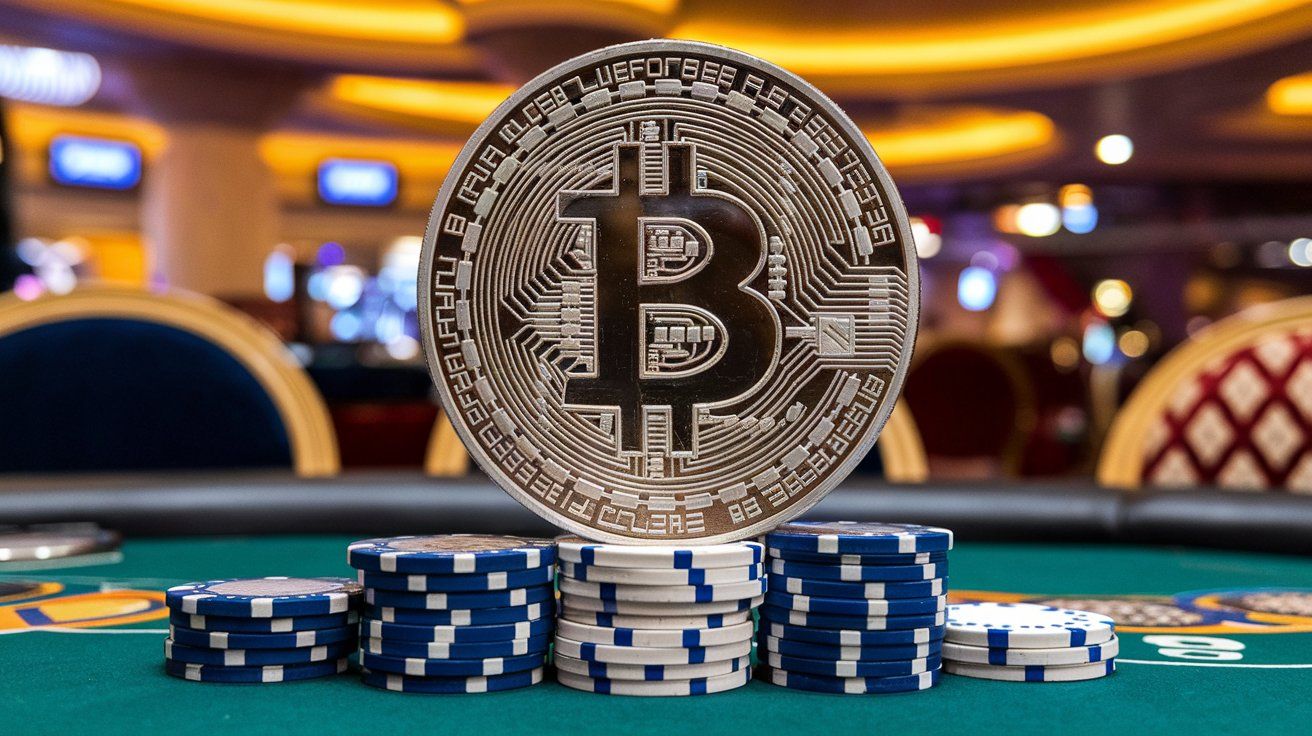
In the glittering world of online casinos, there exists an elite part that amasses unique attention: the high-stakes gambler casinos. These unique facilities are the play grounds of the most affluent casino players, where stakes are high, and the rewards are even higher. Recognizing these high-stakes atmospheres calls for more than just a general glance; it is an exploration right into the heart of luxury and the spirit of risk-taking.
High rollers, likewise referred to as “whales,” are individuals who bet big quantities of money. They flock to these unique online casinos for the allure of high-limit tables, luxurious surroundings, and customized services that satisfy their every impulse. Allow’s delve deeper into what makes a money player casino site attract attention from the rest and why it continues to mesmerize the creative imaginations of lots of.
Attributes of High-stakes Gambler Gambling Establishments
High-stakes gambler gambling establishments differentiate themselves through several defining attributes. These establishments are not just online casinos with higher table limitations; they supply a complete sensory experience made to fit the requirements of their affluent clientele. Every information, from the setting to the solutions, is meticulously crafted to preserve a mood of exclusivity.
First of all, the video games themselves are personalized for high stakes. These gambling enterprises use higher betting limitations than regular online casinos, allowing players to bet considerable amounts of money per hand or spin. This atmosphere caters to people who find thrill and enjoyment in significant monetary dangers.
Second of all, the environment in money player gambling establishments commonly includes lavish facilities and lodgings. From plush suites to premium eating options, high-stakes gamblers are treated to the finest conveniences, guaranteeing their stay is as lavish as their betting. Below are some crucial features:
- High-limit pc gaming tables and exclusive areas
- Luxurious holiday accommodations and tailored services
- Premium amusement alternatives
- Accessibility to exclusive events and experiences
- Charitable loyalty programs and incentives
All these elements operate in tandem to create a setting where high-stakes gamblers really feel valued and accommodated, guaranteeing their patronage and commitment.
The Psychology of High-stakes Gamblers
To comprehend the allure of high-stakes gambler gambling enterprises, one have to look into the psychology of money players themselves. These people are frequently driven by a combination of aspects, consisting of the excitement of threat, the need for social status, and the pleasure of high-end.
The adventure of risking large sums is inherently appealing to high-stakes gamblers. The adrenaline thrill that comes with betting considerable quantities is a powerful incentive. This experience is intensified in money player gambling establishments, where the stakes are consistently raised.
Furthermore, there is a social aspect to high-stakes gaming. High rollers frequently delight in the status associated with having the ability to wager such large sums. Being recognized as a high roller confers a specific prestige, both within the gambling establishment and in their social circles outside of it.
Effect on the Online Casino Economy
Money players have a considerable impact on the economic situation of the casinos they regular. The earnings created from these gamblers can add considerably to a gambling enterprise’s bottom line. Furthermore, the presence of high rollers can enhance the casino site’s reputation, attracting more visitors and media attention.
- Considerable profits from high-stakes video games and wagers
- Raised presence and status
- Attraction of various other high-net-worth individuals
- Increase to neighborhood economies through employment and tourism
These elements add to the general vigor of the gambling establishment sector, making high roller casino sites an important component of the gambling world.
Conclusion: The Alluring Globe of Money Player Online Casinos
High roller casino sites offer a special peek into a globe where luxury, danger, and incentive are linked in a spectacular dancing. These establishments accommodate a details customers, using customized services and unique experiences that are unparalleled in typical gambling establishments.
The appeal of money player casino sites exists not just in the potential for significant financial rewards yet additionally in the eminence and deko-ze.com status that go along with being a high-stakes casino player. As long as there are individuals willing to embrace the thrill of risk, money player gambling enterprises will certainly continue to prosper, offering a haven for those who seek the utmost gambling experience.
The Future of High Roller Gambling Enterprises
As the globe evolves technically and culturally, so too will certainly the landscape of high-stakes gambler gambling establishments. Innovations in modern technology may introduce new pc gaming experiences, while changes in riches circulation could affect the demographics of high-stakes gamblers. Nonetheless, the core components of high-end, exclusivity, and high risks are likely to stay at the heart of these elite gaming facilities.
Inevitably, money player casino sites stand for the peak of the gambling industry, catching the spirit of opulence and journey that defines this one-of-a-kind kind of home entertainment. Their ongoing evolution ensures their area in the world of elite gaming for several years to find.
The Rise of Dogecoin Gambling Establishments: A Comprehensive Overview
Over the last few years, the globe of on the internet betting has actually seen a transformative change with the introduction of cryptocurrencies. Amongst these electronic currencies, Dogecoin has actually obtained significant traction, not just as a legal tender but also as a preferred option for on the internet gambling establishments. In this Continuar leyendo “The Rise of Dogecoin Gambling Establishments: A Comprehensive Overview”
Trải Nghiệm Cá Cược Cá Nhân Hóa Nhờ AI – Xu Hướng Mới Cho Ngành Casino Trực Tuyến Năm 2024
Công nghệ trí tuệ nhân tạo (AI) đã và đang làm nên một cuộc cách mạng trong mọi lĩnh vực giải trí trực tuyến, và casino online không phải là ngoại lệ. Khi các nền tảng streaming, game mobile và mạng xã hội đã áp dụng AI để tối ưu hoá trải nghiệm người dùng, các nhà cái cũng nhanh chóng bắt tay vào việc tích hợp các mô hình học máy, xử lý ngôn ngữ tự nhiên và hệ thống đề xuất thông minh. Điều này không chỉ giúp người chơi tìm nhanh game ưa thích, mà còn tạo ra các chương trình bonus được cá nhân hoá dựa trên hành vi thực tế, tăng mức độ gắn bó và tần suất nạp tiền.
Trong bối cảnh này, người chơi cũng quan tâm tới các nền tảng cá cược khác; hãy khám phá các trang cá độ bóng đá uy tín để có cái nhìn toàn diện. Oajse là một nguồn thông tin tham khảo hữu ích cho những ai muốn so sánh các nhà cái, nhưng không đóng vai trò là nhà điều hành.
Mục tiêu của bài viết là phân tích sâu về việc tích hợp AI trong casino online, nhấn mạnh cách các chương trình bonus được cá nhân hoá cho từng người chơi trong dịp Năm Mới, đồng thời đưa ra những gợi ý thực tiễn cho nhà điều hành và người chơi thông thái.
AI và dữ liệu người dùng: Nền tảng cho cá nhân hoá trong casino trực tuyến
AI bắt đầu tạo ra giá trị khi nó thu thập và xử lý khối lượng dữ liệu khổng lồ: lịch sử cược, thời gian đăng nhập, mức cược trung bình, thậm chí cả cách người chơi di chuyển trên giao diện. Dữ liệu này được đưa vào các thuật toán machine learning như random forest, gradient boosting và neural network để dự đoán xu hướng chơi trong các khoảng thời gian tới.
Ví dụ, một người chơi thường dành 20‑30 phút mỗi buổi vào slot có độ volatilité cao sẽ nhận được đề xuất các game có RTP (return to player) tương đương, giảm thiểu rủi ro mất vốn nhanh. Thuật toán còn có thể nhận diện những thời điểm “đỉnh” mà người chơi có xu hướng nạp tiền, từ đó gửi thông báo bonus phù hợp.
Lợi ích trực tiếp là giảm thời gian tìm game, tăng mức độ hài lòng và kéo dài thời gian ở lại nền tảng. Khi người dùng cảm thấy “được hiểu”, họ có xu hướng chi tiêu nhiều hơn và giảm tỷ lệ rời bỏ (churn).
| Yếu tố thu thập | Phương pháp AI | Ảnh hưởng tới cá nhân hoá |
|---|---|---|
| Lịch sử cược | Học máy dựa trên chuỗi thời gian | Dự báo mức cược tối ưu |
| Thời gian chơi | Clustering theo hành vi | Đề xuất thời gian khuyến mãi |
| Loại game yêu thích | Collaborative filtering | Gợi ý game mới phù hợp |
| Tần suất nạp tiền | Regression analysis | Tùy chỉnh bonus nạp lần đầu |
Các loại bonus được AI tùy chỉnh: Từ welcome bonus tới loyalty reward
Truyền thống, casino cung cấp các loại bonus cố định: welcome bonus (tiền thưởng khi đăng ký), reload bonus (khi nạp tiền), free spins, cashback và loyalty reward dựa trên điểm tích lũy. Tuy nhiên, những ưu đãi này thường không phản ánh đúng nhu cầu cá nhân, dẫn đến lãng phí tài nguyên marketing.
AI giải quyết vấn đề bằng cách phân tích mức độ tiêu thụ của mỗi người chơi. Nếu một người chơi thường xuyên đặt cược vào blackjack và ít khi quay slot, hệ thống sẽ ưu tiên cung cấp bonus cashback cho trò bài thay vì free spins. Ngược lại, nếu người chơi có xu hướng nạp tiền lớn trong các đợt lễ, AI sẽ đưa ra reload bonus có tỉ lệ phần trăm cao hơn để kích thích tiếp tục nạp.
Một ví dụ thực tế: tại một casino châu Âu, AI đã phát hiện ra nhóm người chơi có “wagering requirement” (yêu cầu quay vòng) thấp hơn trung bình và tự động giảm yêu cầu này xuống 20% cho họ, giúp tăng tỷ lệ hoàn thành bonus và giảm churn.
Trải nghiệm chào mừng năm mới: Bonus đặc biệt được AI thiết kế theo mùa
Mùa lễ hội luôn là thời điểm casino tung ra các chiến dịch “New Year”. Trước đây, các chương trình này thường áp dụng một mẫu duy nhất cho toàn bộ người chơi. Với AI, các chiến dịch được cá nhân hoá dựa trên hành vi năm trước.
Nếu hệ thống nhận thấy một người chơi đã tích cực tham gia các vòng quay free spins vào cuối năm 2023, AI sẽ tự động gửi cho họ một gói “New Year Free Spins 50 lần” kèm theo mã giảm giá 10% cho nạp tiền trong 48 giờ đầu năm. Đối với những người chơi ít hoạt động, AI có thể gửi một voucher cashback 15% cho các cược thể thao, nhằm khuyến khích họ quay lại.
Đặc biệt, AI còn tính toán thời gian “giao thừa” dựa trên múi giờ của từng người dùng, gửi thông báo ngay khi đồng hồ chuyển sang 00:00, tăng cảm giác “đúng thời điểm”. Kết quả thực tiễn cho thấy mức tăng doanh thu trong 7 ngày đầu năm có thể lên tới 22% so với chiến dịch truyền thống.
Hệ thống đề xuất trò chơi dựa trên AI: Tối ưu hoá thời gian chơi và lợi nhuận
Hai phương pháp chính được sử dụng trong đề xuất game là collaborative filtering và content‑based filtering. Collaborative filtering dựa vào hành vi của người dùng tương đồng để đưa ra gợi ý; ví dụ, nếu A và B đều thích game “Starburst” và A vừa thử “Gonzo’s Quest”, hệ thống sẽ đề xuất “Gonzo’s Quest” cho B. Content‑based filtering lại xét đến các thuộc tính của game – RTP, độ volatilité, số paylines – và so sánh chúng với sở thích đã được ghi nhận.
Khi AI kết hợp cả hai phương pháp, nó không chỉ đề xuất các slot mới mà còn gợi ý các table game hoặc live dealer phù hợp. Ví dụ, một người chơi thích “high stakes roulette” sẽ nhận thông báo khi có bàn roulette với mức cược tối thiểu 5.000 USD và tỉ lệ thắng (RTP) 98,5% được mở.
Nhờ việc tối ưu hoá thời gian chơi, người dùng không phải lướt qua hàng trăm tiêu đề, giảm “decision fatigue”. Đồng thời, casino tăng lợi nhuận vì người chơi thường ở lại lâu hơn và thực hiện nhiều vòng cược hơn.
Quản lý rủi ro và bảo mật khi AI xử lý dữ liệu cá nhân
Việc thu thập dữ liệu chi tiết đặt ra yêu cầu cao về bảo mật. Các nhà cái phải tuân thủ chuẩn GDPR (đối với người dùng EU) và PCI DSS (đối với giao dịch thẻ). Dữ liệu được mã hoá bằng AES‑256 trước khi truyền tới máy chủ AI, và chỉ các mô hình đã được kiểm duyệt mới có quyền truy cập.
AI cũng đóng vai trò quan trọng trong phát hiện gian lận. Thuật toán anomaly detection (phát hiện bất thường) giám sát các mẫu cược bất thường như “quick betting” (cược nhanh liên tục) hoặc “betting on both sides” (đặt cược ngược nhau). Khi hệ thống phát hiện dấu hiệu nghi ngờ, nó sẽ kích hoạt quy trình xác thực bổ sung, chẳng hạn yêu cầu OTP hoặc tạm khoá tài khoản.
Ngoài ra, các nhà cái thường thiết lập “data minimisation” – chỉ thu thập dữ liệu cần thiết để thực hiện cá nhân hoá, tránh lưu trữ thông tin nhạy cảm không liên quan. Điều này giúp giảm nguy cơ rò rỉ và tăng độ tin cậy của người chơi.
Tương tác chatbot AI: Hỗ trợ 24/7 và đề xuất bonus ngay lập tức
Chatbot dựa trên NLP (natural language processing) như GPT‑4 hoặc các mô hình tùy chỉnh của nhà cung cấp cho phép trả lời câu hỏi về luật chơi, quy định bonus, và thậm chí đưa ra lời khuyên chiến lược. Khi người chơi hỏi “Tôi có thể nhận free spins nào vào lúc này?”, bot sẽ tra cứu lịch sử hoạt động, xác định nếu người đó đủ điều kiện nhận bonus “New Year Free Spins” và gửi mã ngay trong khung chat.
Ngoài việc hỗ trợ, chatbot còn đóng vai trò “push notification” thông minh. Nếu AI nhận ra người chơi đang ở mức “high‑roller” và vừa hoàn thành một vòng cược lớn, bot sẽ tự động gửi lời chúc mừng kèm ưu đãi cashback 20% trong 24 giờ tới.
Ưu điểm lớn là khả năng hoạt động 24/7, không bị gián đoạn như nhân viên hỗ trợ truyền thống, đồng thời giảm chi phí vận hành. Đối với người chơi, trải nghiệm được nâng cao bởi sự phản hồi nhanh chóng và đề xuất luôn “đúng lúc, đúng chỗ”.
Phân khúc người chơi: Nhóm “casual”, “high‑roller” và “social gambler”
- Casual: Chơi không thường xuyên, mức cược dưới 100 USD mỗi tuần, ưu tiên bonus dễ nạp và free spins.
- High‑roller: Đặt cược trên 5.000 USD mỗi tuần, quan tâm tới VIP lounge, tặng tiền hoàn lại (cashback) cao và dịch vụ cá nhân.
- Social gambler: Thích chơi live dealer, tương tác với dealer và người chơi khác, quan tâm tới bonus xã hội như “refer‑a‑friend”.
AI phân tích các chỉ số như tần suất đăng nhập, mức cược trung bình, thời gian chơi mỗi phiên để tự động gán người dùng vào nhóm phù hợp. Khi một casual chuyển sang “high‑roller” (ví dụ, nạp 10.000 USD trong một tháng), AI sẽ nhanh chóng nâng cấp ưu đãi, cung cấp bonus reload 30% và mời tham gia chương trình VIP. Ngược lại, nếu một high‑roller giảm hoạt động, hệ thống sẽ giảm mức bonus để giảm thiểu rủi ro tài chính cho casino.
Đánh giá hiệu quả của bonus AI‑driven qua các KPI
Các chỉ số quan trọng để đo lường thành công của bonus cá nhân hoá bao gồm:
- Conversion rate: Tỷ lệ người dùng chấp nhận bonus sau khi nhận thông báo.
- Retention: Thời gian trung bình người chơi ở lại trên nền tảng sau khi nhận bonus.
- ARPU (Average Revenue Per User): Doanh thu trung bình mỗi người dùng, tăng khi bonus kích thích cược thêm.
- Churn rate: Tỷ lệ người dùng rời bỏ, giảm đáng kể khi bonus phù hợp.
So sánh dữ liệu trước và sau khi triển khai AI tại một casino châu Á: conversion rate tăng từ 12% lên 28%, retention kéo dài trung bình 15% lâu hơn, ARPU tăng 22% và churn giảm 9%. Các con số này chứng tỏ AI không chỉ cải thiện trải nghiệm mà còn mang lại lợi nhuận thực tế.
Những thách thức khi triển khai AI trong casino online
- Chi phí công nghệ: Đầu tư vào hạ tầng GPU, dữ liệu lưu trữ và đội ngũ kỹ sư AI có thể lên tới hàng triệu USD.
- Nhu cầu dữ liệu lớn: Để mô hình hoạt động ổn định, cần thu thập và xử lý terabyte dữ liệu mỗi tháng, đòi hỏi giải pháp big data mạnh mẽ.
- Rủi ro phụ thuộc vào thuật toán: Nếu mô hình dự đoán sai, casino có thể tặng bonus không hiệu quả, gây lãng phí ngân sách.
- Quy định pháp lý: Một số quốc gia có luật hạn chế việc sử dụng dữ liệu cá nhân cho mục đích marketing.
Giải pháp thường là hợp tác với các nhà cung cấp AI có kinh nghiệm trong ngành gambling, đồng thời xây dựng đội ngũ nội bộ để giám sát, tinh chỉnh mô hình. Đầu tư vào nền tảng dữ liệu “data lake” và triển khai quy trình kiểm thử A/B liên tục giúp giảm rủi ro và tối ưu hoá chi phí.
Tương lai của AI trong ngành casino: Định hướng 2025‑2030
Trong vòng 5‑10 năm tới, AI sẽ trở thành “trợ lý ảo” cá nhân cho mỗi người chơi. Dự báo sẽ xuất hiện avatar AI mô phỏng phong cách cược, đồng thời tích hợp thực tế ảo (VR) để tạo môi trường casino 3D, nơi bonus được kích hoạt bằng cử chỉ tay hoặc giọng nói.
Gamification dựa trên dữ liệu sẽ đưa ra các nhiệm vụ (quests) cá nhân, ví dụ “Hoàn thành 3 vòng blackjack trong 24 giờ để nhận bonus 50%”. Bonus sẽ không chỉ là tiền mà còn là token NFT, cho phép người chơi trao đổi hoặc bán lại trên thị trường.
Trong môi trường siêu cá nhân hoá, vai trò của bonus sẽ chuyển từ “công cụ thu hút” sang “động lực duy trì hành vi chơi an toàn”, đồng thời phải tuân thủ chặt chẽ các tiêu chuẩn bảo mật và trách nhiệm xã hội.
Case study: Một casino online áp dụng AI để tăng bonus New Year lên 45%
Dự án bắt đầu vào tháng 10 2023, khi một casino châu Âu quyết định dùng nền tảng AI nội bộ để thiết kế chương trình “New Year Bonus”. Quy trình gồm ba bước:
- Thu thập dữ liệu: Họ lấy lịch sử cược từ 12 tháng trước, phân loại người chơi thành casual, high‑roller và social gambler.
- Mô hình dự đoán: Sử dụng Gradient Boosting để xác định mức bonus tối ưu cho từng nhóm, đồng thời tính toán thời điểm gửi thông báo dựa trên múi giờ.
- Triển khai: Bonus được tự động gửi qua email, push notification và chatbot ngay lúc đồng hồ chuyển sang 00:00.
Kết quả: doanh thu trong tuần đầu năm tăng 38%, thời gian trung bình mỗi phiên kéo dài 12 phút (tăng 9 phút), và tỷ lệ chấp nhận bonus đạt 45% – gấp hơn 2,5 lần so với chiến dịch truyền thống. Bài học rút ra là việc tích hợp AI cần có dữ liệu sạch, mô hình linh hoạt và quy trình kiểm soát rủi ro chặt chẽ. Các nhà điều hành khác có thể áp dụng mô hình tương tự, điều chỉnh các tham số bonus phù hợp với thị trường địa phương.
Kết luận
AI đã mở ra một kỷ nguyên mới cho casino online, nơi bonus không còn là một gói “đồng nhất” mà trở thành công cụ cá nhân hoá sâu sắc, dựa trên hành vi thực tế và thời điểm phù hợp. Nhờ AI, người chơi nhận được đề xuất game chính xác, hỗ trợ 24/7 từ chatbot và bảo mật dữ liệu được nâng cao, trong khi nhà cái tối ưu hoá lợi nhuận và giảm churn.
Tuy nhiên, để duy trì lợi thế cạnh tranh, các nhà điều hành cần cân bằng giữa công nghệ tiên tiến và trách nhiệm bảo mật, đồng thời luôn tuân thủ quy định về dữ liệu cá nhân. Khi nắm bắt xu hướng AI, casino sẽ không chỉ thu hút người chơi trong mùa Năm Mới mà còn xây dựng mối quan hệ lâu dài, an toàn và bền vững trong các mùa lễ hội tiếp theo.
Tham khảo thêm về các nhà cái và các nguồn thông tin hữu ích tại Oajse và các trang cá cược bóng đá uy tín.
Programmi VIP per Casinò Mobile: Come Ottenere Bonus Esclusivi Rispettando le Normative
Il gioco su smartphone ha trasformato il panorama del gambling: oggi più della metà delle scommesse online avviene da dispositivi mobili, e i casinò hanno risposto con interfacce “mobile‑first” e programmi fedeltà progettati appositamente per gli utenti in movimento. Questa evoluzione ha portato vantaggi evidenti, ma anche nuove responsabilità per gli operatori, che devono garantire che ogni offerta VIP sia conforme alle licenze, al GDPR e alle politiche di gioco responsabile.
Per approfondire le normative europee e le best practice, i lettori possono consultare il sito di riferimento https://www.ehv-a.eu/.
Nel prosieguo analizzeremo quattro pilastri fondamentali: le regole che guidano i bonus nei casinò mobile, la struttura tipica di un programma VIP “mobile‑first”, esempi concreti di bonus esclusivi e i requisiti di sicurezza e responsabilità. Concluderemo con uno sguardo al futuro, dove intelligenza artificiale, realtà aumentata e nuove direttive UE potrebbero ridefinire il valore dei premi per i giocatori più fedeli.
1. Il contesto normativo dei bonus nei casinò mobile
Le autorità di regolamentazione più influenti – ADM in Italia, Malta Gaming Authority (MGA), UK Gambling Commission (UKGC) e la licenza di Curacao – hanno pubblicato linee guida precise sui bonus promozionali. L’ADM, ad esempio, richiede che ogni offerta includa chiaramente il wagering richiesto, i limiti temporali e la possibilità di auto‑esclusione direttamente nell’app. La MGA, invece, enfatizza la trasparenza dei termini e la protezione dei minori, imponendo audit trimestrali sui meccanismi di calcolo del bonus.
Il GDPR incide pesantemente sulla gestione dei dati dei giocatori VIP. Gli operatori devono ottenere consenso esplicito prima di inviare comunicazioni push o email promozionali, e devono garantire il diritto all’oblio per chi decide di chiudere il proprio profilo. La raccolta di dati di gioco, come il turnover mobile, può essere utilizzata solo per scopi di personalizzazione previa autorizzazione.
Le pratiche compliant più comuni includono:
- Termini e condizioni visibili prima della conferma del bonus, con calcolatore di wagering integrato.
- Pulsanti di “auto‑esclusione” e “limite di deposito” accessibili direttamente dal menù dell’app.
- Verifiche KYC (Know Your Customer) in tempo reale tramite riconoscimento facciale o documenti caricati in‑app.
Esempi concreti mostrano come i casinò rispettino le normative: un operatore con licenza UKGC pubblica una pagina FAQ in‑app che spiega passo passo come calcolare il requisito di scommessa per il “bonus benvenuto CoinPoker”. Un altro sito, certificato MGA, utilizza un timer di sessione che avvisa l’utente quando supera i 60 minuti di gioco continuo, obbligandolo a fare una pausa.
Queste misure non solo riducono il rischio di sanzioni, ma aumentano la fiducia dei giocatori, soprattutto quelli più esperti che richiedono trasparenza e sicurezza.
2. Struttura tipica di un programma VIP mobile‑first
I programmi VIP più diffusi suddividono i membri in cinque livelli: Bronze, Silver, Gold, Platinum e Diamond. Il passaggio da un livello all’altro è determinato da una combinazione di depositi totali, turnover mensile e, soprattutto, attività su dispositivi mobili. Ad esempio, un giocatore che effettua almeno €1.000 di deposito e 15.000 € di turnover su slot mobile entro 30 giorni può accedere al livello Silver.
| Livello | Deposito minimo (30 gg) | Turnover mobile richiesto | Bonus tipici |
|---|---|---|---|
| Bronze | €100 | €500 | 10% di ricarica, 5 giri gratis |
| Silver | €500 | €2.500 | 15% di ricarica, 20 giri gratis, cashback 5% |
| Gold | €1.000 | €5.000 | 20% di ricarica, 50 giri gratis, bonus senza deposito €20 |
| Platinum | €2.500 | €12.500 | 25% di ricarica, 100 giri gratis, cashback 10% |
| Diamond | €5.000 | €25.000 | 30% di ricarica, 200 giri gratis, VIP lounge, manager personale |
Le piattaforme mobile‑first sfruttano notifiche push e messaggistica in‑app per informare i membri di nuove offerte. Un messaggio tipico può leggere: “Ciao Gold, oggi ricevi 50 giri gratis su Starburst – valida per 48 ore”. Questo approccio aumenta il tasso di apertura rispetto alle email tradizionali, soprattutto tra i giocatori che usano principalmente lo smartphone.
I vantaggi per il casinò sono evidenti: la retention sale del 12‑15 % e il valore medio di vita (LTV) dei clienti VIP può raddoppiare rispetto ai giocatori non segmentati. Per il giocatore, la personalizzazione rende il valore percepito del bonus più alto, poiché le offerte sono calibrate sul suo comportamento reale, non su ipotesi generiche.
In sintesi, un programma VIP ben progettato converte l’attività mobile in dati utili, che a loro volta alimentano campagne più precise e rispettose delle normative.
3. Bonus esclusivi per i giocatori mobile: esempi pratici e requisiti di conformità
Caso studio 1 – “Bonus 100 % fino a €500 + 50 giri”
- Condizioni di scommessa: wagering 35x sul bonus, 40x sui giri gratuiti.
- Limite di tempo: il bonus deve essere utilizzato entro 7 giorni dalla concessione; i giri scadono dopo 48 ore.
- Verifica dell’identità: KYC obbligatorio prima della prima scommessa, con upload di documento d’identità e selfie.
Questo tipo di offerta è tipica nei casinò che operano sotto licenza ADM. Per rispettare le linee guida, il casinò deve includere una sezione “Calcolatore di wagering” nella schermata di attivazione del bonus, in modo che il giocatore possa verificare immediatamente i requisiti.
Caso studio 2 – “Cashback settimanale del 15 % su tutte le scommesse mobile”
- Calcolo del cashback: il 15 % del turnover netto (vincite meno perdite) registrato su dispositivi Android o iOS nella settimana precedente.
- Soglia minima: è necessario aver scommesso almeno €200 nella settimana per avere diritto al rimborso.
- Opzioni di ritiro: il cashback può essere accreditato come credito bonus (con wagering 20x) o come denaro reale (solo per giocatori con verifica KYC completa).
Per garantire la “fairness”, i casinò utilizzano RNG certificati da enti indipendenti (eCOGRA, iTech Labs) e sottopongono i report di cashback a audit mensili.
Suggerimenti per i giocatori
- Leggi sempre i termini – controlla il wagering, il periodo di validità e le limitazioni di prelievo.
- Verifica la licenza – assicurati che il sito mostri chiaramente la sua autorità (ADM, MGA, ecc.).
- Usa gli strumenti di auto‑esclusione – se il bonus ti spinge a giocare oltre le tue possibilità, imposta un limite di deposito direttamente nell’app.
Seguendo questi accorgimenti, i giocatori possono sfruttare al massimo le offerte senza incorrere in violazioni o sorprese sgradite.
4. Sicurezza e gioco responsabile nei programmi VIP mobile
La sicurezza è il pilastro su cui si fonda la fiducia dei giocatori VIP. Le misure più richieste dalle autorità includono:
- Autenticazione a due fattori (2FA): invio di un codice via SMS o app di autenticazione per confermare login e prelievi.
- Crittografia SSL a 256 bit: protezione dei dati in transito, obbligatoria per tutte le transazioni finanziarie.
- Monitoraggio delle transazioni: algoritmi anti‑fraud che segnalano attività anomale, come depositi improvvisi da nuovi dispositivi.
Gli strumenti di gioco responsabile sono integrati direttamente nei programmi VIP:
- Limiti di deposito personalizzabili – impostabili giornalieri, settimanali o mensili tramite il menù “Responsabilità”.
- Timer di sessione – notifiche che avvisano quando il giocatore supera i 30, 45 o 60 minuti di gioco continuo, con opzione “Pausa”.
- Auto‑esclusione – possibilità di auto‑escludersi per 24 h, 7 giorni, 30 giorni o in maniera permanente, con conferma via email.
Le normative richiedono che queste funzioni siano presentate in modo chiaro e accessibile. Un casinò certificato UKGC, ad esempio, deve includere una pagina “Responsabilità” collegata in prima linea dal menu principale dell’app.
La combinazione di sicurezza avanzata e strumenti di responsabilità non solo soddisfa le leggi, ma migliora la reputazione del brand. I giocatori VIP, consapevoli dei rischi, tendono a preferire operatori che dimostrano trasparenza e protezione, aumentando così il loro lifetime value.
5. Il futuro dei programmi VIP e dei bonus nel panorama mobile‑first
Intelligenza artificiale per la personalizzazione
Gli algoritmi di machine learning stanno già analizzando il comportamento di gioco per creare offerte su misura. Immaginate un bonus “dynamic” che aumenta del 5 % ogni volta che il giocatore supera il suo RTP medio del 2 % su slot a volatilità alta, tutto calcolato in tempo reale dall’app.
Realtà aumentata (AR) e esperienze immersive
Prossimamente, i casinò potrebbero offrire lounge VIP in AR, dove i membri interagiscono con dealer virtuali e ricevono premi visibili solo tramite smartphone. Questo tipo di esperienza richiederà nuove normative sulla verifica dell’identità in ambienti immersivi.
Evoluzioni normative attese
- Nuove direttive UE: si prevede un aggiornamento del GDPR specifico per il gaming, con obblighi più stringenti sulla profilazione dei giocatori.
- Standard di verifica dei bonus: l’UKGC sta valutando l’introduzione di un “Bonus Transparency Code” che richiederà ai casinò di pubblicare un checksum dei termini per ogni offerta.
Prepararsi al cambiamento
I casinò possono adottare piani di compliance flessibili, collaborando con provider certificati che aggiornano costantemente i loro sistemi in base alle nuove leggi. Un approccio modulare, in cui le funzioni di KYC, AML e gestione dei bonus sono separate, facilita l’adattamento rapido.
Previsioni di valore medio dei bonus VIP
Secondo analisi di mercato non ancora pubblicate, il valore medio dei bonus VIP dovrebbe crescere del 20‑25 % nei prossimi 3‑5 anni, spinto dalla concorrenza su dispositivi indossabili (smartwatch) che consentono notifiche ultra‑personalizzate. I giocatori potranno ricevere micro‑bonus direttamente sul polso, come “€5 di credito bonus per ogni 1 h di gioco su slot CoinPoker”.
In conclusione, l’intersezione tra tecnologia avanzata e normative più rigorose definirà il nuovo standard dei programmi VIP: premi più intelligenti, esperienze più immersive e una compliance che sarà la vera chiave di differenziazione.
Conclusione
Abbiamo esaminato come la conformità normativa sia il fondamento di ogni programma VIP mobile, dalla struttura dei livelli alla trasparenza dei termini di bonus. I casinò che adottano una segmentazione basata su attività mobile, offrono bonus come il “bonus 100 % fino a €500 + 50 giri” o cashback settimanale, e integrano sicurezza avanzata (2FA, SSL, monitoraggio) guadagnano la fiducia dei giocatori più esigenti.
Il futuro promette personalizzazioni guidate dall’IA, esperienze AR e una crescita significativa del valore dei premi, ma richiederà anche una vigilanza costante sulle nuove direttive UE e sugli standard di verifica dei bonus.
Per i giocatori, la chiave è scegliere piattaforme affidabili, verificare le licenze (ADM, MGA, UKGC) e leggere attentamente i termini di ogni offerta. Solo così sarà possibile godere di premi esclusivi su dispositivi mobili senza compromettere sicurezza o legalità.
Visitate risorse come Ehv A per ulteriori informazioni sulle normative europee e per trovare link utili a guide pratiche. Buon divertimento, gioco responsabile e buona fortuna nei vostri prossimi turni VIP!
Jack Casino De — Mathematische Grundlagen des Glücksspiels
Die Welt des Online-Glücksspiels fasziniert Millionen von Menschen weltweit, aber viele Spieler suchen nach der einen Strategie, die Gewinne garantiert. Leider gibt es im Glücksspiel keine sicheren Gewinnformeln – weder bei Slots noch bei Sportwetten. Diese Erkenntnis ist die Grundlage für verantwortungsvolles Spielen, das bei seriösen Plattformen wie Jack Casino spielen DE praktiziert wird. Online-Casinos bieten Unterhaltung und die Chance auf Gewinne, aber sie sind keine Einkommensquelle. Der Zufall bestimmt die Ergebnisse, und langfristig hat immer das Haus den Vorteil. Verstehen Sie die Mathematik hinter den Spielen, um realistische Erwartungen zu entwickeln.
Spieler, die nach Gewinngarantien suchen, fallen oft auf Mythen herein. Einer der häufigsten ist die “Glückstrategie” – die Annahme, dass nach einer Reihe von Verlusten ein Gewinn inevitable wird. In Wirklichkeit ist jedes Spiel unabhängig, und bei Slots hat jeder Spin die gleichen Gewinnchancen. Ebenso falsch ist der Glaube, dass bestimmte Zeiten oder Daten bessere Gewinnwahrscheinlichkeiten bieten. Diese Mythen führen oft zu riskantem Verhalten und finanziellen Verlusten. Das Verständnis dieser psychologischen Falle ist der erste Schritt zum verantwortungsvollen Spiel.
Ein weiterer Irrglaube betrifft die Manipulation von Spielautomaten oder Sportwetten-Systemen. Moderne Online-Casinos nutzen zufallsgenerierte Algorithmen, die regelmäßig unabhängig geprüft werden. Die besten Buchmaker online arbeiten mit lizenzierten und regulierten Plattformen, die Fairness gewährleisten. Bei Sportwetten hängen die Ergebnisse von realen Ereignissen ab, die nicht vorhersehbar sind. Wer gezielt nach aktuellen Angeboten sucht, findet bei Jack Casino DE einen guten Ausgangspunkt. Die besten Wettseiten bieten zwar Analysewerkzeuge, aber keine Gewinngarantien. Die Auseinandersetzung mit diesen Realitäten hilft Spielern, gesunde Erwartungen zu entwickeln.
Mathematische Grundlagen des Glücksspiels
Der Hausvorteil
Jedes Glücksspielspiel ist so konzipiert, dass das Casino langfristig einen mathematischen Vorteil hat. Dieser “Hausvorteil” kann variieren – von etwa 0,5% beim Blackjack bei optimaler Strategie bis zu über 5% bei einigen Slots. Keine Strategie kann diesen Vorteil vollständig eliminieren. Verstehen Sie die Auszahlungsquoten der Spiele, die Sie wählen. Bei den besten Wettseiten werden die Quoten transparent angezeigt, was Ihnen hilft, die wahrscheinlichen Erträge einzuschätzen. Der Hausvorteil bedeutet, dass Sie auf lange Sicht statistisch gesehen mehr verlieren als gewinnen – unabhängig von Ihrer Strategie.
Varianz und kurzfristige Ergebnisse
Auch wenn der Hausvorteil langfristig wirkt, können kurzfristige Ergebnisse stark variieren. Diese “Varianz” ist der Grund, warum einige Spieler in kurzer Zeit große Gewinne erzielen können. Umgekehrt können auch Verluststrecken länger dauern, als mathematisch wahrscheinlich erscheint. Diese Volatilität ist oft Quelle der Verwirrung – Spieler interpretieren kurzfristige Gewinne als Bestätigung ihrer Strategie und Verluste als Pech. Die besten Wettseiten online bieten Werkzeuge, um diese Varianz zu verstehen, aber sie können sie nicht überwinden. Die Unterscheidung zwischen kurzfristigen Schwankungen und langfristigen Trends ist entscheidend für ein realistisches Spielverständnis.
Psychologische Faktoren im Glücksspiel
Der Verlustaversionseffekt
Psychologische Studien zeigen, dass der Verlust eines Euro stärker beeinträchtigt als der Gewinn eines Euro. Diese Verlustaversion führt dazu, dass Spieler oft weitermachen, um Verluste auszugleichen – ein Verhalten, das als “Verlustprogression” bekannt ist. Die besten Wettseiten online setzen Limits, um dieses Verhalten einzuschränken, aber letztlich liegt die Verantwortung beim Spieler. Viele Spieler glauben, dass sie “ihr Geld zurückbekommen müssen”, wenn sie verlieren – ein gefährlicher Denkfehler. Das Verständnis dieser psychologischen Mechanismen ist der erste Schritt, um sie zu überwinden.
Verzerrte Wahrnehmung und Bestätigungsfehler
Menschen neigen dazu, Informationen so zu interpretieren, dass sie ihre bestehenden Überzeugungen bestätigen. Im Glücksspiel bedeutet dies, dass Spieler Erfolge überbewerten und Misserfolge ignorieren oder externalisieren. Diese kognitive Verzerrung verstärkt den Glauben an persönliche Glückstrategien. Die besten Wettseiten online bieten Transaktionshistorien und Statistiken, die objektive Einblicke geben, aber viele Spieler interpretieren diese Daten selektiv. Das Bewusstsein für diese Verzerrung hilft, rationalere Entscheidungen zu treffen und Erwartungen zu realisieren.
| Glücksspieltyp | Durchschnittlicher Hausvorteil | Varianzlevel |
|---|---|---|
| Blackjack (optimale Strategie) | 0,5% | Mittel |
| Roulette (europäisch) | 2,7% | Niedrig |
| Automatenspiele | 2-10% | Hoch |
| Sportwetten | 5-10% | Sehr hoch |
| Video Poker | 0,5-5% | Mittel-Hoch |
| Craps | 1,4-16% | Sehr hoch |

Mythen über Glücksspielsysteme
Das Martingale-System
Einer der populärsten Glücksspielmythen ist das Martingale-System – die Idee, dass man nach jeder Wette den Einsatz verdoppelt, bis man gewinnt. Theoretisch würde dies garantierte Gewinne liefern, aber in der Praxis gibt es mehrere Probleme. Zuerst benötigen Sie unendlich viel Kapital, um das System fortzusetzen. Zweitens setzen die meisten Casino- und Wettplattformen Einsatzlimits, die eine lange Verlustserie beenden. Drittens, selbst ohne Limits, können Sie eine so lange Verlustserie erleben, dass Sie Ihr gesamtes Vermögen verlieren. Die besten Wettseiten online warnen vor solchen Systemen, aber viele Spieler glauben trotzdem an ihre Wirksamkeit.
Slots-Strategien
Viele Spieler glauben, dass man Spielautomaten mit bestimmten Techniken “besiegen” kann. Die Wahrheit ist, dass moderne Slots computergesteuerte Zufallsgeneratoren verwenden, die nicht vorhersehbar sind. Beliebte Mythes sind: “Heiße” und “kalte” Maschinen, bestimmte Einsatzhöhen beeinflussen die Gewinnwahrscheinlichkeit, oder man kann die Maschine “spüren”, wenn ein Jackpot kommt. Tatsächlich hängt die Auszahlungsrate eines Slots nur vom Casino ab und nicht von Ihrem Spielverhalten. Die besten Wettseiten online bieten zwar verschiedene Spielautomaten mit unterschiedlichen Volatilitätsniveaus, aber keine garantierten Gewinnstrategien.
Sportwetten-Analysen
Sportwetten-Plattformen bieten oft umfangreiche Statistiken und Analysen, was viele Spieler glauben lassen, dass man durch genügend Forschung Gewinne garantieren kann. Während gute Analysen die Gewinnchancen verbessern können, gibt es im Sport keine absoluten Gewissheiten. Verletzungen, Wetterbedingungen und menschliche Faktoren machen Sportereignisse unvorhersehbar. Die besten Wettseiten online bieten Werkzeuge für fundierte Entscheidungen, aber sie können nicht die Unvorhersehbarkeit von Sportevents überwinden. Viele Spieler überschätzen die Genauigkeit ihrer Prognosen und unterschätzen die inhärente Unsicherheit im Sport.
Glücksspielschutz
Verantwortungsvolles Spielen ist keine Option, sondern Notwendigkeit. Glücksspiel kann süchtig machen, Glücksspielschutz ist daher essenziell. Seriöse Plattformen bieten Selbstbeschränkungswerkzeuge, Einzahlungslimits und Ausschlussoptionen. Nutzen Sie diese Funktionen, bevor Sie Probleme entwickeln. Spielen Sie nur mit Geld, dessen Verlust Sie sich leisten können, und betrachten Sie Glücksspiel als Unterhaltung, nicht als Einkomm
Häufige Fragen
Sind Gewinne aus dem Online Casino steuerfrei?
In Deutschland bleiben Glücksspielgewinne für private Spieler grundsätzlich steuerfrei, weil auf Einsätze bereits Abgaben erhoben werden.
Wie lange dauern Auszahlungen im Online Casino?
Bei seriösen Anbietern dauert eine Auszahlung mit geprüften Zahlungsmethoden in der Regel ein bis drei Werktage.
Was bedeutet die Umsatzbedingung bei einem Bonus?
Der Bonusbetrag muss mehrfach im Casino eingesetzt werden, bevor Gewinne zur Auszahlung freigegeben werden.
BetWinner Application Your Gateway to Smart Betting
BetWinner Application: Your Gateway to Smart Betting
The world of online betting has transformed significantly over the years, and with the rise of mobile technology, platforms like the BetWinner Application https://betwinner-burkina-faso.com/mobile/ are becoming increasingly popular among bettors. This app is designed for both new and experienced users, providing convenience and an array of features that enhance the betting experience. In this article, we will explore the BetWinner app in detail, covering its features, how to download it, and the benefits it offers to users.
What is the BetWinner Application?
The BetWinner application is a mobile betting platform that enables users to place bets on various sports and games from their smartphones or tablets. This application operates under a trusted online betting brand, offering a secure and efficient way to engage in online gambling. With a user-friendly interface and easy navigation, the app makes betting straightforward, allowing players to focus on making the best choices without unnecessary complications.
Key Features of the BetWinner Application
- Wide Range of Betting Options: The app covers a multitude of sports, including football, basketball, tennis, and esports, as well as various casino games.
- User-Friendly Interface: The intuitive design allows users to easily navigate through available options, making the betting process smooth and hassle-free.
- Live Betting: Users can place bets in real-time as games take place, providing opportunities to capitalize on changing odds and in-game actions.
- Live Streaming: Watch games live directly from the app while placing bets, enhancing the excitement of the betting experience.
- Multiple Payment Options: The app supports various payment methods, ensuring that users can deposit and withdraw funds with ease.
- Bonuses and Promotions: Users can take advantage of various bonuses, including welcome offers for new users and free bets for existing players.
- Customer Support: The app provides access to professional customer support through live chat, email, and phone, ensuring that help is readily available.
How to Download the BetWinner Application
Downloading the BetWinner application is a simple process, and users can do it in just a few steps. Here’s how:
- Visit the official BetWinner website or the mobile site.
- Look for the download button specifically for the mobile app.
- Click the button to download the app directly to your device.
- For Android users, you may need to allow installations from unknown sources in your settings for the download to be successful.
- Once the download is complete, install the application by following the on-screen instructions.
- For iOS users, you can find the app in the App Store; simply search for “BetWinner” and follow the regular installation process.
Benefits of Using the BetWinner Application
Choosing to bet through the BetWinner application offers several advantages:
- Convenience: Users can place bets anytime and anywhere directly from their mobile devices.
- Enhanced Experience: The app’s features, such as live betting and streaming, provide a more interactive and engaging experience.
- Accessibility: The app is available for both Android and iOS devices, making it accessible to a broad audience.
- Push Notifications: Receive updates on betting events, bonuses, and promotions, ensuring that you never miss an opportunity.
- Secure Betting Environment: The app utilizes advanced security features to protect user information and transactions.
Final Thoughts
In conclusion, the BetWinner application stands out in the crowded market of mobile betting platforms. With its extensive features, user-friendly interface, and a commitment to providing a secure betting environment, it is an excellent choice for anyone looking to engage in sports betting or casino games. Whether you’re a seasoned bettor or just starting, the BetWinner app provides all the tools you need for a successful betting experience.
So why wait? Download the BetWinner application today and take your first step towards an exciting world of online betting!
Cross-Chain Bridge Vulnerabilities: Why MetaMask Users Are Targeted by Bridge Exploits
A user with assets distributed across Ethereum, Arbitrum, and Polygon faces a practical problem: moving funds between chains requires a bridge. MetaMask’s multichain wallet design makes it straightforward to switch networks and approve bridge contracts, but that same accessibility has made bridge interactions one of the highest-risk transaction categories in cryptocurrency. In 2023 and 2024, major bridges suffered exploits totaling billions of dollars—Ronin, Poly Network, Nomad, and Wormhole among them—yet the average MetaMask user remains only dimly aware that a bridge transaction is categorically different from a simple token transfer.
The core risk is structural rather than accidental. A bridge must lock assets on one chain and mint or release equivalent tokens on another, creating an intermediary custody point that becomes an attractive target. MetaMask does not control the bridge; it merely signs the transaction the user approves. That separation of concerns is important for self-custody, but it also means that a user may authorize a deposit to a bridge contract without understanding the bridge’s security model, governance, or operational history. The question is not whether MetaMask is secure. The question is whether users can confidently distinguish between a bridge worthy of trust and one that is not.

Why bridges are fundamentally different from standard transfers
A normal Ethereum-to-Ethereum transaction moves tokens from one address to another on the same ledger. The blockchain enforces the rules: only the holder of a private key can approve the transaction, and the system verifies balances before confirming. A bridge transaction breaks that simple model. Instead of moving tokens directly, a bridge locks them in a smart contract on the origin chain and instructs a different system—often involving off-chain validators, multi-signature wallets, or a central relayer—to issue equivalent tokens on the destination chain.
This two-stage process creates a custody moment. Between the time a user deposits assets into the bridge contract and the time they appear on the destination chain, the funds are held by the bridge operator, its validators, or a multi-signature committee. If that custodian is compromised, the funds can be stolen. If the bridge’s security is weak—for instance, if validator signatures can be forged or if a single compromised private key can authorize withdrawals—attackers can drain the entire bridge. MetaMask users approve bridge transactions through the same wallet interface they use for direct transfers, but the risks are entirely different.
The Ronin bridge exploit in 2022 illustrates this starkly. Attackers stole approximately 625 million dollars by compromising private keys held by four of Ronin’s nine validators. Because the bridge’s security design allowed a threshold attack—a break at the validator level rather than requiring a consensus—the theft was possible. Users who had deposited funds into Ronin using MetaMask lost their assets, not because MetaMask was compromised, but because they had sent funds into a bridge that was. The wallet did its job: it broadcast the transaction the user signed. The bridge system failed at a layer MetaMask does not control.
Real loss case studies: Nomad, Wormhole, and Poly Network
The Nomad bridge collapse in August 2022 followed a different pattern. An attacker exploited a smart contract bug in Nomad’s upgrade mechanism, allowing them to forge attestations and drain approximately 190 million dollars. What made this loss particularly notable was that it was not sophisticated; security researchers had warned about the vulnerable code before the exploit. Users who bridged funds into Nomad using MetaMask were simply transferring assets to a system with a known flaw. The wallet did not fail. The user’s choice to use an unaudited or inadequately audited bridge did.
Wormhole, a bridge designed to connect Solana, Ethereum, and other chains, suffered a 325 million dollar theft in February 2022 when attackers exploited a signature verification flaw. A validator account had been created with insufficient permission checks, allowing an attacker to create tokens without proper authorization. MetaMask users bridging between Ethereum and Solana through Wormhole faced the same outcome: their funds were at risk not because of the wallet, but because of the bridge’s validation logic.
The Poly Network breach of 2021, which resulted in approximately 611 million dollars in losses, followed yet another pattern: a flawed cross-chain message verification process that allowed attackers to forge transaction confirmations. Each of these exploits had distinct technical origins, but they shared a common characteristic: users approving bridge transactions through MetaMask had no direct way to assess the security quality of the system they were sending funds into. The wallet enabled the transaction. The bridge’s operators determined the risk.
These cases demonstrate that bridge risk is not marginal or theoretical. Aggregate losses from bridge exploits exceed 4 billion dollars since 2021. A MetaMask user who regularly bridges assets to access higher-yield opportunities or to move funds between ecosystems faces material exposure. The decision to use a specific bridge is as important as the decision to use a secure wallet, yet it is often treated as secondary.
The contract approval problem and hidden bridge exposure
MetaMask prompts users to approve transactions before they are signed, a core feature of self-custody wallet security. However, the approval screen presents a simplified view. When a user deposits into a bridge, they are typically approving two separate transactions: first, a token approval (allowing the bridge contract to transfer tokens on the user’s behalf), and second, the actual deposit into the bridge. The approval often grants unlimited token allowance—the bridge contract receives permission to spend as many tokens as it needs, rather than a specific amount.
An unlimited token approval is convenient but creates a secondary risk. If the bridge contract itself is compromised or contains a backdoor, the attacker does not need to break the main bridge security; they can simply exercise the spending authority that the user granted. Additionally, many users approve tokens for bridges without fully understanding that they are creating a persistent authorization. If they later forget about the approval and use the same address to interact with another service, that second service cannot exploit the bridge approval directly, but it illustrates a general pattern: approvals accumulate and create a surface for future exploitation if any approved contract contains a vulnerability.
A multichain wallet like MetaMask tracks balances across multiple networks, making it tempting to approve the same token on several chains. This compounds the risk: a user might approve their USDC for a bridge on both Ethereum and Polygon, not realizing that each approval is independent and each carries its own security assumption. If one bridge is compromised, the attacker gains access only to that specific approval on that specific chain, but a user who treats all bridges as equally safe may not notice which specific chain they are using at the moment they approve.
Bridge security models and how to evaluate them
Not all bridges fail equally because they do not all operate under the same security assumptions. Broadly, bridges fall into a few categories: validator-set bridges (which rely on a committee of signers to authorize transfers), liquidity provider bridges (which depend on economic incentives to keep the bridge balanced), smart contract bridges (which use algorithmic verification), and wrapped bridges (which mint new tokens backed by collateral on the origin chain). Each has different failure modes.
Validator-set bridges like Ronin depend on threshold signatures: a minimum number of validators must agree to authorize a transaction. The security is only as strong as the weakest validator’s private key management and the threshold. If a bridge requires 7-of-10 validators and only one is well-protected, an attacker who compromises two others still cannot steal funds—but if the bridge is poorly designed and requires only 3-of-10, the bar is much lower. A user cannot directly assess validator security, but they can look for public information: Are validators reputable institutions? Is there geographic and economic diversity? Are the keys held in hardware security modules? Are there slashing conditions for misbehavior?
Liquidity provider bridges work differently. Instead of holding user funds in a contract, they use a network of liquidity providers who exchange tokens. A user deposits on one chain, and a liquidity provider releases the equivalent on another. The bridge’s security depends on whether the liquidity provider will be reimbursed. If the bridge has insufficient capital reserves or if the liquidation mechanism is flawed, the entire system can collapse even without explicit theft. The 2024 problems at several liquidity bridges demonstrated this: they were not hacked in the traditional sense, but they became insolvent when too many users tried to exit simultaneously.
Evaluating a bridge before using it should therefore include specific questions. Has the bridge been audited by a reputable firm? Are the audit results public and recent? Does the bridge hold reserves transparently? What is the governance model—can a small group of people unilaterally change critical parameters? Are there insurance mechanisms or recovery options if the bridge fails? A user should treat bridge selection with the same care they would apply to choosing a custodian, because a bridge is, functionally, a temporary custodian.
Cross-chain exploit patterns and why MetaMask users are frequently targets
Attackers have developed reliable patterns for exploiting bridges through MetaMask interactions. The most common is the flashloan attack: an attacker borrows a large amount of cryptocurrency in a single transaction, uses it to artificially inflate prices or manipulate reserve ratios on a liquidity bridge, extracts value, and repays the loan—all within one block. MetaMask’s role here is passive; it signs the attacker’s transactions, but the attack does not target MetaMask itself. Instead, MetaMask users become collateral damage if their funds are held in the bridge being attacked.
Another pattern exploits oracle manipulation. Some bridges rely on external price feeds to determine exchange rates. If an attacker can manipulate the price oracle—by controlling a large amount of trading volume or by exploiting a vulnerability in the oracle’s data aggregation—they can trick the bridge into minting excess tokens or releasing more funds than a user’s deposit should warrant. MetaMask users bridging at the moment of the attack receive fewer tokens than expected, or the bridge becomes undercollateralized and later becomes unable to process withdrawals.
A third pattern involves validator key theft or multi-signature compromise, as seen in Ronin. Attackers target the infrastructure securing the bridge’s validator keys, not the users’ wallets. Once they gain control of a threshold of validator keys, they can authorize arbitrary transfers. MetaMask users’ deposits become accessible to the attacker because the attacker now controls the custody mechanism.
Why are MetaMask users particularly targeted? The wallet is not uniquely vulnerable, but its widespread adoption makes it statistically likely that a bridge will hold a large fraction of user deposits from MetaMask addresses. A bridge that attracts millions of users generates millions of dollars in managed assets. If an attacker succeeds, the payout is enormous. Additionally, MetaMask’s simplicity—the one-click network switching, the straightforward deposit-and-bridge flow—may encourage casual use of less-established bridges, since the interaction is as easy as an ordinary transfer. A user comfortable with Ethereum might use MetaMask to bridge to an unfamiliar chain through a new bridge without the same scrutiny they would apply to a centralized exchange.
Protective practices for cross-chain interactions
The most direct protection is to minimize bridge exposure. Large balances should not remain bridged longer than necessary. A user who needs to access Ethereum tokens on Polygon to farm liquidity can bridge the amount required for that specific opportunity, complete the transaction, and bridge back to Ethereum when appropriate. This caps the loss if the bridge fails: only the temporarily deployed amount is at risk, not the entire portfolio.
Before using a bridge, research should focus on specific technical and operational factors. Check whether the bridge has been audited by a recognized firm such as Trail of Bits, OpenZeppelin, or Certora, and read the audit report rather than merely noting its existence. Look for public disclosures of governance decisions and validator information. Some bridges publish dashboard data showing reserve ratios and the amount of user funds deployed. If that transparency is absent, consider it a warning sign.
Approve only the amount needed for the specific transaction, not unlimited allowances. MetaMask can be configured to show approval permissions before submission. When the wallet prompts for approval, specify an exact quantity if the interface allows it, rather than accepting an unlimited default. This reduces the surface available if the bridge contract is later compromised.
Monitor bridge updates and security incidents. Following bridge project announcements, checking security audit services, and staying aware of exploit news can help users identify when a bridge has been compromised before they attempt to withdraw. A few minutes of preparation before bridging can prevent the scenario where a user discovers the bridge is offline only when they try to withdraw.
For substantial amounts, consider whether an alternative exists. Some applications support multiple bridges, or a user can compare the cost of bridging directly through the application against using a standalone bridge. the official MetaMask site provides information about network configuration and security practices, but it does not rate or endorse specific bridges. That evaluation must be the user’s responsibility.
The future of bridge security and what users should expect
The bridge problem has received significant attention in the cryptocurrency security community, and several improvements are in progress. Intent-based architectures attempt to replace locked-asset bridges with a model where users express an intent (“I want to move 100 ETH from Ethereum to Arbitrum”) and competing solvers provide liquidity, eliminating the need for centralized bridge custody. These are not yet mature, but they represent a conceptual shift: instead of trusting a bridge, users trust competition and transparency.
Standardized bridge security frameworks are also emerging, defining validator requirements, reserve ratios, and upgrade processes. If these standards become enforced through regulation or market preference, users will be able to quickly compare bridges and eliminate obviously weak designs. Currently, no such standard is universal.
Another development is improved cross-chain state verification using light clients. Instead of relying on validator attestations, bridges could verify the state of the origin chain directly within smart contracts on the destination chain. This is computationally expensive and currently impractical at scale, but long-term improvements in zk-SNARKs and other cryptographic techniques may change that calculation.
For MetaMask users today, these improvements are not yet available at scale. The task remains to evaluate each bridge individually, limit exposure, and recognize that bridging is categorically riskier than holding assets on a major chain. The wallet itself—whether MetaMask or another self-custody platform—is not the constraint. The constraint is the bridge system the user chooses to trust.
Frequently asked questions
Is MetaMask responsible for bridge exploits?
No. MetaMask functions as a self-custody wallet and a transaction broadcaster. When a user approves a bridge deposit, MetaMask signs and submits the transaction the user authorized. If the bridge is later exploited, the loss results from the bridge’s security failure, not MetaMask’s. MetaMask’s responsibility is to show users what they are signing; it does not control the bridge’s security or recovery.
How can I tell if a bridge is safe to use?
Look for recent audits by reputable firms, public validator information, transparent reserve data, and a clear governance structure. Avoid new or unaudited bridges with substantial funds. Start with small test amounts and monitor bridge updates and security announcements. Research the bridge’s history and any past incidents before depositing large amounts.
What should I do if I have funds stuck in a bridge that has been exploited?
If the bridge is operational but insolvent, monitor its status page and community channels for updates on recovery plans or governance decisions about compensation. If the bridge has been explicitly hacked, contact its support channel and review any insurance or recovery fund announcements. Unfortunately, many exploit victims recover only a partial amount or nothing. Prevention through careful bridge selection is more reliable than recovery.
Cross-Chain Bridge Vulnerabilities: Why MetaMask Users Are Targeted by Bridge Exploits
A user with assets distributed across Ethereum, Arbitrum, and Polygon faces a practical problem: moving funds between chains requires a bridge. MetaMask’s multichain wallet design makes it straightforward to switch networks and approve bridge contracts, but that same accessibility has made bridge interactions one of the highest-risk transaction categories in cryptocurrency. In 2023 and 2024, major bridges suffered exploits totaling billions of dollars—Ronin, Poly Network, Nomad, and Wormhole among them—yet the average MetaMask user remains only dimly aware that a bridge transaction is categorically different from a simple token transfer.
The core risk is structural rather than accidental. A bridge must lock assets on one chain and mint or release equivalent tokens on another, creating an intermediary custody point that becomes an attractive target. MetaMask does not control the bridge; it merely signs the transaction the user approves. That separation of concerns is important for self-custody, but it also means that a user may authorize a deposit to a bridge contract without understanding the bridge’s security model, governance, or operational history. The question is not whether MetaMask is secure. The question is whether users can confidently distinguish between a bridge worthy of trust and one that is not.
Why bridges are fundamentally different from standard transfers
A normal Ethereum-to-Ethereum transaction moves tokens from one address to another on the same ledger. The blockchain enforces the rules: only the holder of a private key can approve the transaction, and the system verifies balances before confirming. A bridge transaction breaks that simple model. Instead of moving tokens directly, a bridge locks them in a smart contract on the origin chain and instructs a different system—often involving off-chain validators, multi-signature wallets, or a central relayer—to issue equivalent tokens on the destination chain.
This two-stage process creates a custody moment. Between the time a user deposits assets into the bridge contract and the time they appear on the destination chain, the funds are held by the bridge operator, its validators, or a multi-signature committee. If that custodian is compromised, the funds can be stolen. If the bridge’s security is weak—for instance, if validator signatures can be forged or if a single compromised private key can authorize withdrawals—attackers can drain the entire bridge. MetaMask users approve bridge transactions through the same wallet interface they use for direct transfers, but the risks are entirely different.
The Ronin bridge exploit in 2022 illustrates this starkly. Attackers stole approximately 625 million dollars by compromising private keys held by four of Ronin’s nine validators. Because the bridge’s security design allowed a threshold attack—a break at the validator level rather than requiring a consensus—the theft was possible. Users who had deposited funds into Ronin using MetaMask lost their assets, not because MetaMask was compromised, but because they had sent funds into a bridge that was. The wallet did its job: it broadcast the transaction the user signed. The bridge system failed at a layer MetaMask does not control.
Real loss case studies: Nomad, Wormhole, and Poly Network
The Nomad bridge collapse in August 2022 followed a different pattern. An attacker exploited a smart contract bug in Nomad’s upgrade mechanism, allowing them to forge attestations and drain approximately 190 million dollars. What made this loss particularly notable was that it was not sophisticated; security researchers had warned about the vulnerable code before the exploit. Users who bridged funds into Nomad using MetaMask were simply transferring assets to a system with a known flaw. The wallet did not fail. The user’s choice to use an unaudited or inadequately audited bridge did.
Wormhole, a bridge designed to connect Solana, Ethereum, and other chains, suffered a 325 million dollar theft in February 2022 when attackers exploited a signature verification flaw. A validator account had been created with insufficient permission checks, allowing an attacker to create tokens without proper authorization. MetaMask users bridging between Ethereum and Solana through Wormhole faced the same outcome: their funds were at risk not because of the wallet, but because of the bridge’s validation logic.
The Poly Network breach of 2021, which resulted in approximately 611 million dollars in losses, followed yet another pattern: a flawed cross-chain message verification process that allowed attackers to forge transaction confirmations. Each of these exploits had distinct technical origins, but they shared a common characteristic: users approving bridge transactions through MetaMask had no direct way to assess the security quality of the system they were sending funds into. The wallet enabled the transaction. The bridge’s operators determined the risk.
These cases demonstrate that bridge risk is not marginal or theoretical. Aggregate losses from bridge exploits exceed 4 billion dollars since 2021. A MetaMask user who regularly bridges assets to access higher-yield opportunities or to move funds between ecosystems faces material exposure. The decision to use a specific bridge is as important as the decision to use a secure wallet, yet it is often treated as secondary.
The contract approval problem and hidden bridge exposure
MetaMask prompts users to approve transactions before they are signed, a core feature of self-custody wallet security. However, the approval screen presents a simplified view. When a user deposits into a bridge, they are typically approving two separate transactions: first, a token approval (allowing the bridge contract to transfer tokens on the user’s behalf), and second, the actual deposit into the bridge. The approval often grants unlimited token allowance—the bridge contract receives permission to spend as many tokens as it needs, rather than a specific amount.
An unlimited token approval is convenient but creates a secondary risk. If the bridge contract itself is compromised or contains a backdoor, the attacker does not need to break the main bridge security; they can simply exercise the spending authority that the user granted. Additionally, many users approve tokens for bridges without fully understanding that they are creating a persistent authorization. If they later forget about the approval and use the same address to interact with another service, that second service cannot exploit the bridge approval directly, but it illustrates a general pattern: approvals accumulate and create a surface for future exploitation if any approved contract contains a vulnerability.
A multichain wallet like MetaMask tracks balances across multiple networks, making it tempting to approve the same token on several chains. This compounds the risk: a user might approve their USDC for a bridge on both Ethereum and Polygon, not realizing that each approval is independent and each carries its own security assumption. If one bridge is compromised, the attacker gains access only to that specific approval on that specific chain, but a user who treats all bridges as equally safe may not notice which specific chain they are using at the moment they approve.
Bridge security models and how to evaluate them
Not all bridges fail equally because they do not all operate under the same security assumptions. Broadly, bridges fall into a few categories: validator-set bridges (which rely on a committee of signers to authorize transfers), liquidity provider bridges (which depend on economic incentives to keep the bridge balanced), smart contract bridges (which use algorithmic verification), and wrapped bridges (which mint new tokens backed by collateral on the origin chain). Each has different failure modes.
Validator-set bridges like Ronin depend on threshold signatures: a minimum number of validators must agree to authorize a transaction. The security is only as strong as the weakest validator’s private key management and the threshold. If a bridge requires 7-of-10 validators and only one is well-protected, an attacker who compromises two others still cannot steal funds—but if the bridge is poorly designed and requires only 3-of-10, the bar is much lower. A user cannot directly assess validator security, but they can look for public information: Are validators reputable institutions? Is there geographic and economic diversity? Are the keys held in hardware security modules? Are there slashing conditions for misbehavior?
Liquidity provider bridges work differently. Instead of holding user funds in a contract, they use a network of liquidity providers who exchange tokens. A user deposits on one chain, and a liquidity provider releases the equivalent on another. The bridge’s security depends on whether the liquidity provider will be reimbursed. If the bridge has insufficient capital reserves or if the liquidation mechanism is flawed, the entire system can collapse even without explicit theft. The 2024 problems at several liquidity bridges demonstrated this: they were not hacked in the traditional sense, but they became insolvent when too many users tried to exit simultaneously.
Evaluating a bridge before using it should therefore include specific questions. Has the bridge been audited by a reputable firm? Are the audit results public and recent? Does the bridge hold reserves transparently? What is the governance model—can a small group of people unilaterally change critical parameters? Are there insurance mechanisms or recovery options if the bridge fails? A user should treat bridge selection with the same care they would apply to choosing a custodian, because a bridge is, functionally, a temporary custodian.
Cross-chain exploit patterns and why MetaMask users are frequently targets
Attackers have developed reliable patterns for exploiting bridges through MetaMask interactions. The most common is the flashloan attack: an attacker borrows a large amount of cryptocurrency in a single transaction, uses it to artificially inflate prices or manipulate reserve ratios on a liquidity bridge, extracts value, and repays the loan—all within one block. MetaMask’s role here is passive; it signs the attacker’s transactions, but the attack does not target MetaMask itself. Instead, MetaMask users become collateral damage if their funds are held in the bridge being attacked.
Another pattern exploits oracle manipulation. Some bridges rely on external price feeds to determine exchange rates. If an attacker can manipulate the price oracle—by controlling a large amount of trading volume or by exploiting a vulnerability in the oracle’s data aggregation—they can trick the bridge into minting excess tokens or releasing more funds than a user’s deposit should warrant. MetaMask users bridging at the moment of the attack receive fewer tokens than expected, or the bridge becomes undercollateralized and later becomes unable to process withdrawals.
A third pattern involves validator key theft or multi-signature compromise, as seen in Ronin. Attackers target the infrastructure securing the bridge’s validator keys, not the users’ wallets. Once they gain control of a threshold of validator keys, they can authorize arbitrary transfers. MetaMask users’ deposits become accessible to the attacker because the attacker now controls the custody mechanism.
Why are MetaMask users particularly targeted? The wallet is not uniquely vulnerable, but its widespread adoption makes it statistically likely that a bridge will hold a large fraction of user deposits from MetaMask addresses. A bridge that attracts millions of users generates millions of dollars in managed assets. If an attacker succeeds, the payout is enormous. Additionally, MetaMask’s simplicity—the one-click network switching, the straightforward deposit-and-bridge flow—may encourage casual use of less-established bridges, since the interaction is as easy as an ordinary transfer. A user comfortable with Ethereum might use MetaMask to bridge to an unfamiliar chain through a new bridge without the same scrutiny they would apply to a centralized exchange.
Protective practices for cross-chain interactions
The most direct protection is to minimize bridge exposure. Large balances should not remain bridged longer than necessary. A user who needs to access Ethereum tokens on Polygon to farm liquidity can bridge the amount required for that specific opportunity, complete the transaction, and bridge back to Ethereum when appropriate. This caps the loss if the bridge fails: only the temporarily deployed amount is at risk, not the entire portfolio.
Before using a bridge, research should focus on specific technical and operational factors. Check whether the bridge has been audited by a recognized firm such as Trail of Bits, OpenZeppelin, or Certora, and read the audit report rather than merely noting its existence. Look for public disclosures of governance decisions and validator information. Some bridges publish dashboard data showing reserve ratios and the amount of user funds deployed. If that transparency is absent, consider it a warning sign.
Approve only the amount needed for the specific transaction, not unlimited allowances. MetaMask can be configured to show approval permissions before submission. When the wallet prompts for approval, specify an exact quantity if the interface allows it, rather than accepting an unlimited default. This reduces the surface available if the bridge contract is later compromised.
Monitor bridge updates and security incidents. Following bridge project announcements, checking security audit services, and staying aware of exploit news can help users identify when a bridge has been compromised before they attempt to withdraw. A few minutes of preparation before bridging can prevent the scenario where a user discovers the bridge is offline only when they try to withdraw.
For substantial amounts, consider whether an alternative exists. Some applications support multiple bridges, or a user can compare the cost of bridging directly through the application against using a standalone bridge. the official MetaMask site provides information about network configuration and security practices, but it does not rate or endorse specific bridges. That evaluation must be the user’s responsibility.
The future of bridge security and what users should expect
The bridge problem has received significant attention in the cryptocurrency security community, and several improvements are in progress. Intent-based architectures attempt to replace locked-asset bridges with a model where users express an intent (“I want to move 100 ETH from Ethereum to Arbitrum”) and competing solvers provide liquidity, eliminating the need for centralized bridge custody. These are not yet mature, but they represent a conceptual shift: instead of trusting a bridge, users trust competition and transparency.
Standardized bridge security frameworks are also emerging, defining validator requirements, reserve ratios, and upgrade processes. If these standards become enforced through regulation or market preference, users will be able to quickly compare bridges and eliminate obviously weak designs. Currently, no such standard is universal.
Another development is improved cross-chain state verification using light clients. Instead of relying on validator attestations, bridges could verify the state of the origin chain directly within smart contracts on the destination chain. This is computationally expensive and currently impractical at scale, but long-term improvements in zk-SNARKs and other cryptographic techniques may change that calculation.
For MetaMask users today, these improvements are not yet available at scale. The task remains to evaluate each bridge individually, limit exposure, and recognize that bridging is categorically riskier than holding assets on a major chain. The wallet itself—whether MetaMask or another self-custody platform—is not the constraint. The constraint is the bridge system the user chooses to trust.
Frequently asked questions
Is MetaMask responsible for bridge exploits?
No. MetaMask functions as a self-custody wallet and a transaction broadcaster. When a user approves a bridge deposit, MetaMask signs and submits the transaction the user authorized. If the bridge is later exploited, the loss results from the bridge’s security failure, not MetaMask’s. MetaMask’s responsibility is to show users what they are signing; it does not control the bridge’s security or recovery.
How can I tell if a bridge is safe to use?
Look for recent audits by reputable firms, public validator information, transparent reserve data, and a clear governance structure. Avoid new or unaudited bridges with substantial funds. Start with small test amounts and monitor bridge updates and security announcements. Research the bridge’s history and any past incidents before depositing large amounts.
What should I do if I have funds stuck in a bridge that has been exploited?
If the bridge is operational but insolvent, monitor its status page and community channels for updates on recovery plans or governance decisions about compensation. If the bridge has been explicitly hacked, contact its support channel and review any insurance or recovery fund announcements. Unfortunately, many exploit victims recover only a partial amount or nothing. Prevention through careful bridge selection is more reliable than recovery.