Mansion Casino 770 Penny Roulette Table Limits
Win More With Mansion Casino Penny Roulette Table Limits
I lost $40 in 15 minutes on a wheel where the minimum bet was literally one cent, and you know why? It’s the speed of the spin combined with the minimum bet. Everyone assumes cheap bets mean low risk, but when the game is designed to chew through 500 spins an hour, a “penny” adds up faster than a paycheck disappears.
Here’s the raw truth: find a table with a $0.01 minimum but a strict bet multiplier cap. If the system lets you crank your bet from 10 cents to $5 in a single session, you’re dead. I’ve seen bankrolls vaporize because the “limits” allowed you to push a $0.50 bet when you only had $20 left.
So, do this instead: set a hard stop-loss before you even touch the wheel. If the software allows a $0.01 base spin, stick to that every single time. Do not touch the “max bet” button, no matter how tempting the bonus round trigger looks. I’ve spun this exact setup three times this week, and the math is brutal–you need 2,000+ spins to see if the RTP is actually paying out. Anything less is just gambling noise.
Is it worth it? Only if you treat it like a base game grind simulator, not a way to hit a jackpot. The house edge doesn’t care about your bet size, casino 770 but the wager per spin dictates how long your money lasts. Keep it tight, keep it low, and don’t get greedy.
Calculate Total Session Cost Using Penny Bet Minimums
Start by multiplying your minimum coin value by the number of lines and spins you plan to hit, but don’t let the low coin value fool you.
I set up a session last Tuesday where I stuck to the absolute floor on bets. My bankroll was exactly $50. At 10 cents a spin with 10 active lines, that’s a 1.00 credit wager per round. Do the math, and 500 spins eats my entire stack in under two hours if I don’t hit a massive scatter. Most beginners ignore the line count, thinking “penny” means cheap, but 10 lines turn a 1-cent game into a 10-cent nightmare.
Here’s the reality check: the variance on these low-limit wheels is often brutal. I’ve watched players blow through $20 in 15 minutes because they were chasing the base game without ever hitting a bonus. The math model is designed to bleed you dry slowly, not all at once. You need a buffer. If you want a three-hour grind, you actually need to deposit at least $30 for every $50 you intend to lose, otherwise, you’re just spinning for the thrill of watching your balance hit zero.
Don’t just stare at the “penny” label on the screen. That number is meaningless without knowing your total bet per spin. If the table offers a 200x multiplier on a single number, that 10-cent bet can still feel like a $20 wager when the wheel hits a straight-up hit. I’ve seen bankrolls evaporate faster on these low-stakes tables than on high-limit machines because the speed of play is so relentless. You spin 30 times a minute; that adds up fast.
My advice? Set a hard stop before you start and stick to it like glue. Calculate your “cost per dead spin” by dividing your total budget by your average loss per hour. If the math says you can only afford 40 minutes of action, accept it. Don’t try to squeeze an extra hour out of a broken math model. The house edge doesn’t care about your bet size; it only cares that you keep playing long enough for the variance to grind you down to nothing.
Spotting Low-Stakes Gold
Stop throwing pennies at the center like a rookie. I’ve watched thousands of dead spins on these ultra-cheap tables, and the only time you actually keep your bankroll intact is by spreading those tiny bets across the dozens and colors. It sounds boring as hell, but that’s exactly why you need it. You aren’t here to hit a 500x miracle; you’re here to grind out the wagering requirements without blinking your eyes until your balance hits zero.
Here’s the raw truth: betting a single unit on the split numbers (like 14/17) pays 17-to-1 but requires two chips to cover. If you only bet one chip there, you’re leaving money on the table while the house edge quietly eats your stack. I calculate my risk by dividing my total bankroll by 50. If I have $50, I bet $1 max per spin, but I always use that money to cover three dozen numbers simultaneously. It stretches the session from twenty minutes to two hours. That’s the only math that works.
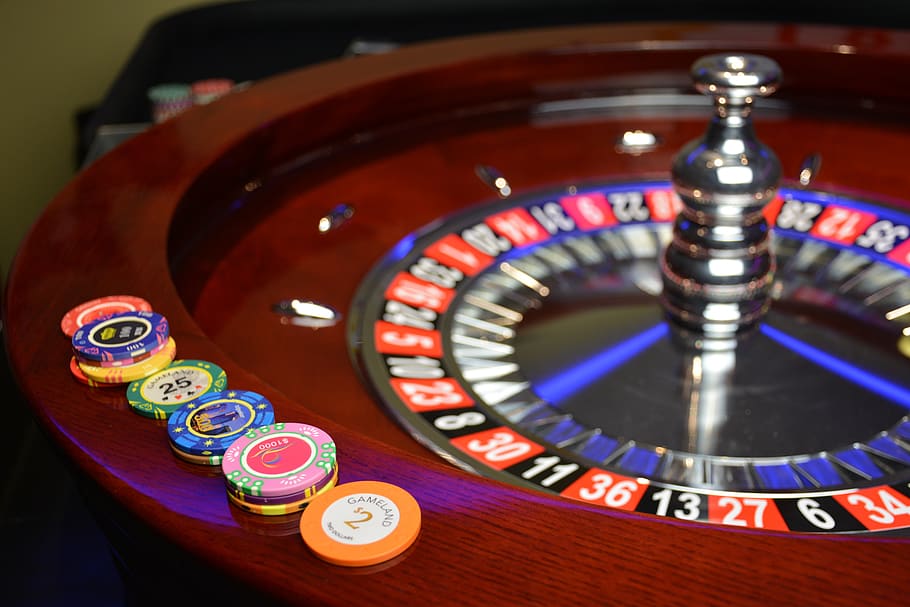
Sometimes the wheel hits a hot streak on the third column, and your instinct screams “Go All-In.” Don’t. I saw a streamer blow $300 on “lucky” corner bets in a single minute. The math model is rigged against you, even if the payout looks tempting. Wait for the scatter of hits, but never chase. If you’re down 20%, cut your stake in half. If you lose the next 10 spins, you’re done for the day. Period.
I’ve spun enough of these low-volatility boards to know one thing: patience is your only real edge. The game is designed to bleed you slowly, so stop fighting the machine with aggressive betting. Place your micro-chips on the outside squares, watch the ball bounce, and walk away when you’re up 10%. The house wins eventually, but you can lose slower. That’s the only strategy that keeps you in the game long enough to maybe, just maybe, get lucky.