The Best Canned Cocktails in the UK Right Now
Picture this: you’re settling into your garden after a long week, and with a simple pop of a can, you’ve got a perfectly mixed espresso martini in hand—no shaker, no mess, just your own little slice of cocktail hour. Canned cocktails UK brings premium, bar-quality drinks straight to your fridge, so you can enjoy a sophisticated serve wherever you are, from picnics to house parties. Each can is pre-mixed and ready to pour over ice, meaning you skip the measuring and simply sip, relax, and let the flavours do the talking. Just chill, crack open, and you’re instantly a host with the most—effortlessly.
What Actually Goes Into a Quality Pre-Mixed Drink?
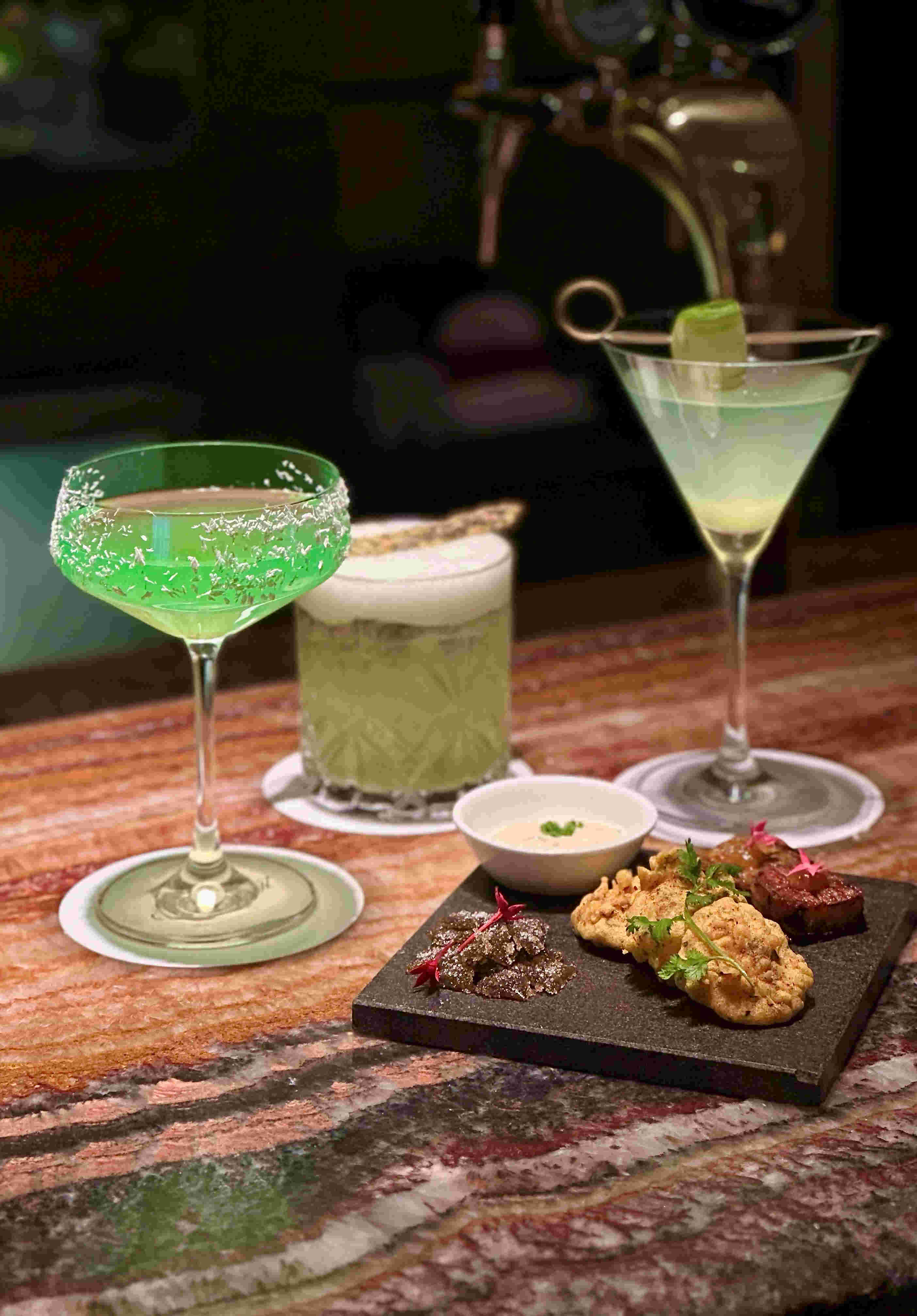
A quality pre-mixed drink in the UK starts with a genuine base spirit, not neutral alcohol or flavoured vodka. You need real gin, rum, or whisky, ideally at a 15% ABV or higher, so the cocktail doesn’t taste watery. Canned cocktails UK rely on naturally expressed citrus oils or cold-pressed juices, never artificial concentrates that leave a sharp, chemical finish. Sweetness must be balanced with real cane sugar or agave, not high-fructose syrup, and bitterness from proper botanicals or bitters to mimic a freshly shaken serve. Carbonation, if present, should be fine and crisp, achieved through nitrogen or low-pressure CO2 to avoid a harsh, fizzy bite. Crucially, what actually goes into a quality pre-mixed drink is restraint—no preservatives or colourants that flatten the flavour profile within months.
Understanding the Spirit Base and ABV Levels in Your Can

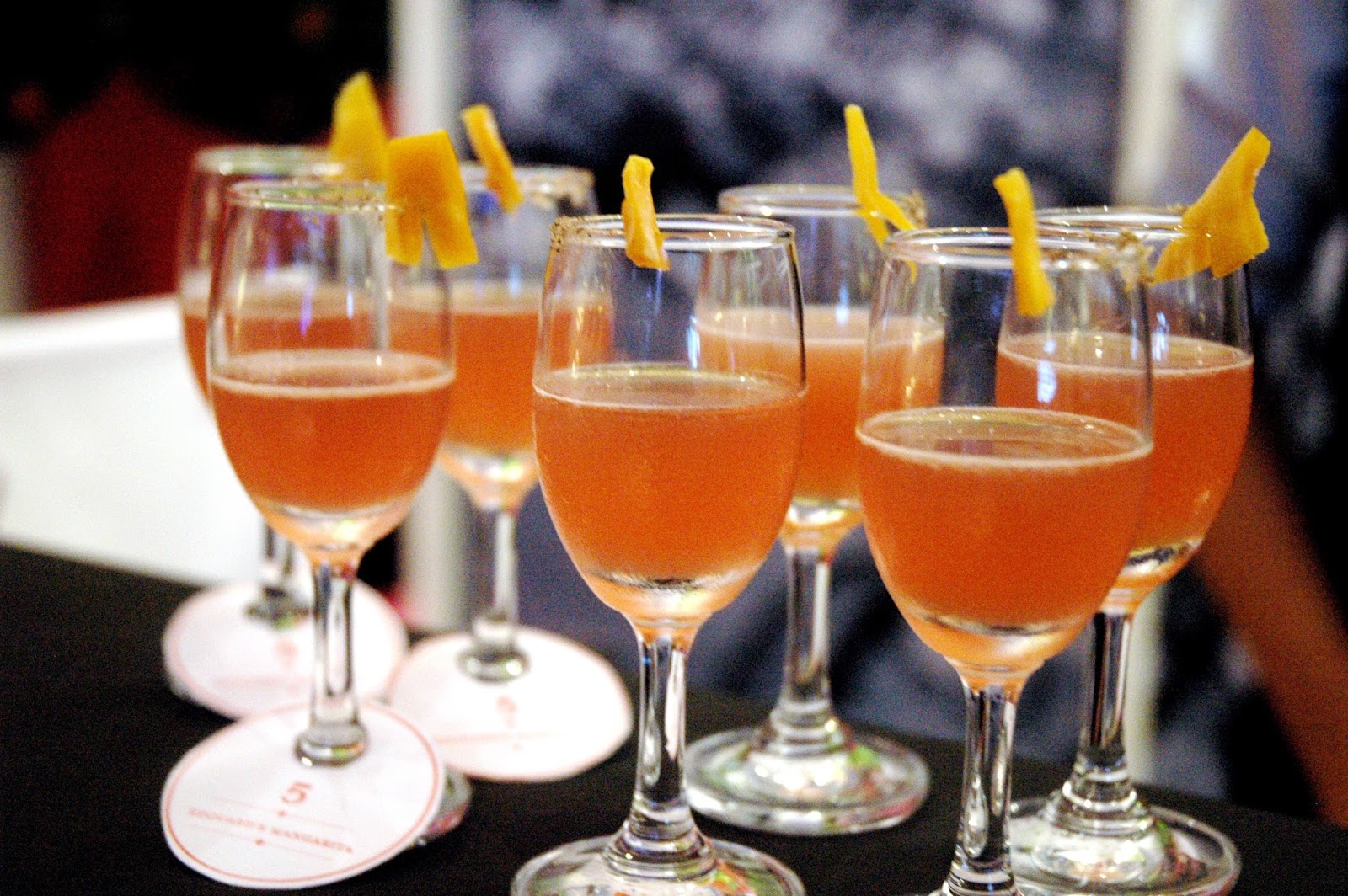
Understanding the spirit base and ABV levels in your can is essential for matching the drink to the occasion. The base spirit—whether vodka, gin, rum, or tequila—dictates the flavour profile, from clean and neutral to botanically complex or richly caramelised. ABV, typically ranging from 5% to 15% in canned cocktails UK, determines both intensity and perceived sweetness; higher alcohol often balances sugar better, while lower ABV suits lighter sipping. Always check the label’s ABV to gauge how many units you are consuming per 250ml serving, and consider that a quality pre-mixed drink’s ABV should align with its stated serve, avoiding the watery, overly diluted taste of poorly formulated cans. The base spirit’s quality also shows—harsh, low-grade alcohol becomes more evident as the can warms.
Real Juice vs. Artificial Flavours: What to Check on the Label
When assessing a canned cocktail’s label, the first distinction is between “reconstituted juice” and “flavouring.” Real juice appears as a named ingredient (e.g., “lime juice from concentrate”) with a percentage; artificial flavours hide as “natural flavouring” or “flavourings” without a source. Check the ingredient order—if juice is listed after sugar or preservatives, its volume is minimal. For a genuinely citrus-forward spritz, seek at least 10–15% juice content; anything less is mostly sweetener and synthetic taste. Also verify “no artificial colours” claims—many cheap mixes rely on carotenoids or dyes to mimic fruit hue.
How can I spot real juice versus artificial flavour in a UK canned cocktail? Look for “contains X% juice” and avoid vague terms like “fruit flavour.” If the label lists “citric acid” and “flavourings” without a fruit name, it’s synthetic—real juice typically appears as an explicit, quantifiable component.
How to Match a Canned Cocktail to the Occasion
Match your canned cocktail to the moment by weighing the setting and your guests’ palate. For a crisp British garden party, reach for a classic gin and tonic or an elderflower spritz—light, botanical, and endlessly refreshing under grey skies. When hosting a Sunday roast or a casual dinner, a smoky negroni or an espresso martini adds a rich, comforting counterpoint to hearty food. For a festival or a long walk, a low-ABV canned spritz keeps you social without tipping into excess. Always let the occasion’s rhythm—not the brand—dictate your pick. Q: What suits a rainy indoor evening in the UK? A: A velvet dark rum or whiskey-based cocktail, warming and slow-sipping. Choose with intent, and every can becomes the right one.
The Best Options for Garden Parties and BBQs
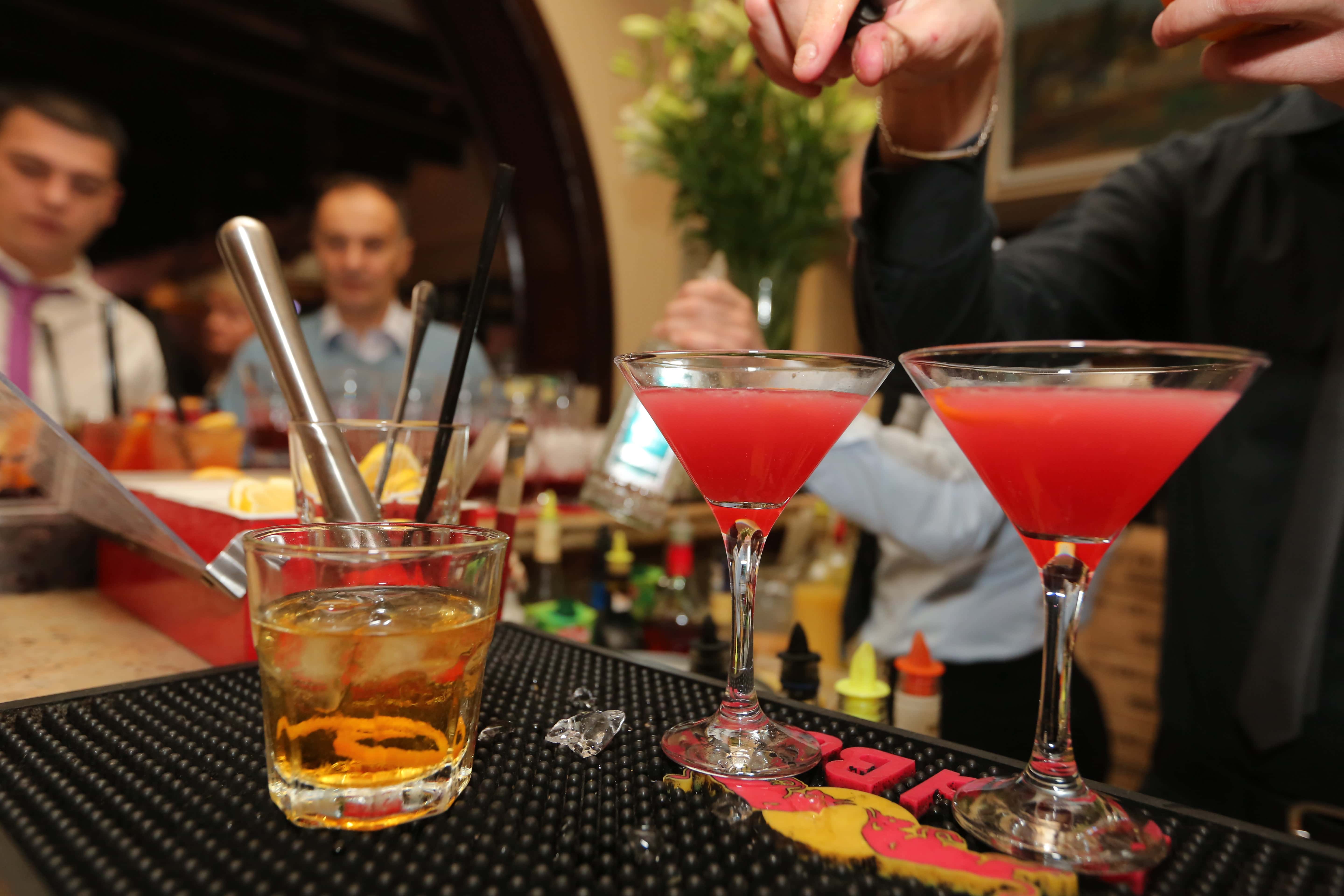
For garden parties and BBQs, the best canned cocktails are light, citrus-forward options that cut through smoky food and stand up to warm weather. Go for a zesty gin and tonic or a classic Hugo, as their elderflower and mint notes feel effortlessly refreshing outdoors. A canned Aperol Spritz also works brilliantly, offering gentle bitterness that won’t overpower burgers or grilled vegetables. Fizz matters more than spirit strength here, so choose cans with lively carbonation to keep things feeling crisp between mouthfuls. Avoid creamy or heavy tipples like espresso martinis, which sit awkwardly next to charred sausages. Stick to 250ml slim cans—they chill faster, fit in coolers neatly, and guests can grab them without hunting for a glass.
Low-ABV and Alcohol-Free Cans for Weekday Sipping

For weekday sipping, low-ABV and alcohol-free canned cocktails offer a precise way to pace yourself without sacrificing ritual. Seek cans under 1.2% ABV for a sharp, botanical profile that pairs with a late afternoon without dulling focus, while 0.0% options—often built on verjus, seedlip-style botanicals, or cold-brew tea—deliver bitterness and structure that mimic a Negroni or spritz. Serve these straight from the fridge, over one large ice cube, or top with a salt-sprayed tonic to lift the citrus oils. Avoid sugary fruit-forward blends; instead, verify the ingredients list for fermented bases or hop extracts, which provide the dry, tannic finish that keeps the drink feeling substantial rather than a soft drink substitute. Rotate two or three styles across the week to prevent palate fatigue.
Chilling, Pouring, and Garnishing: Getting the Most From Your Can
To get the most from your canned cocktails UK, start with aggressive chilling—submerge the can in iced water for five minutes rather than relying on the fridge, as this preserves carbonation and delivers that crisp, bar-quality mouthfeel. When pouring, tilt the glass at 45 degrees and pour slowly down the side to preserve the delicate fizz, then finish with a quick vertical drop to build a proper head. Avoid shaking the can before opening, as this releases dissolved CO₂ and flattens the drink. For garnishing, think fresh: a pared orange twist expresses oils over the surface of a Negroni-style can, while a sprig of mint or a single jalapeño slice elevates a Margarita without overwhelming it. Add ice only if the can specifies a served-over-ice ratio, otherwise the dilution will mute the pre-balanced recipe. A chilled glass—kept in the freezer for ten minutes—makes a noticeable difference. Remember: the can is already a finished cocktail, so your role is simply to unlock its intended texture and aroma.
Treat the can as your bartender’s pre-measured pours: chill hard, pour gently, and garnish sparingly to replicate the exact profile the mixologist designed, making canned cocktails UK taste freshly shaken, not canned.
Which Brands Offer the Best Value for Money?
For canned cocktails UK, best value for money hinges on ABV and pack size, not just shelf price. Moth offers exceptional worth with its 10% ABV Espresso Martini in 250ml cans—often under £3.50—delivering bar-strength potency that outperforms weaker rivals per unit of alcohol. Similarly, Slingsby’s Rhubarb & Ginger gin fizz provides a crisp, premium taste around £2.80 per can, making it a reliable everyday choice. For bold flavour on a budget, Boozy Long Pond Distillery’s rum punch packs 8% ABV at £3.00, beating many 5% options. Avoid premium brands like Lakes Distillery unless on multi-buy deals; their £4.50-plus price rarely justifies the marginal quality jump. Always compare price-per-millilitre-of-alcohol—that’s the true metric for canned cocktails UK value.
Comparing Single Cans vs. Multipacks for Your Budget
When weighing single cans vs. multipacks for your budget, the per-unit maths almost always favours buying in bulk. A lone 250ml can from a premium UK brand like Three Cents or Moth can set you back £3.50–£4.50, whereas a four-pack often drops the cost per drink to under £3. If you’re testing a new flavour or an experimental botanical gin mixer, a single can makes sense to avoid waste. But for regular weekend drinking or stocking a fridge for guests, multipacks from supermarket own-labels or brands like White Claw slash your spend by up to 30% per serve. Just watch out for “handy” mixed packs—they force you into pricier varieties you might not love, so stick to straight four-packs of your proven favourite.
Premium vs. Everyday: When It’s Worth Paying Extra
When choosing between premium and everyday canned cocktails in the UK, the extra spend only makes sense if you can taste the difference. Everyday cans, typically under £3, rely on artificial flavours and high sugar to mask lower-grade spirits, making them perfect for parties or mixing with ice. However, premium canned cocktails are worth paying extra for when you plan to sip slowly, as they use real citrus, botanicals, and craft spirits that hold their structure without dilution. If you’re hosting a barbecue, stick to value brands—guests won’t notice. But for a quiet evening or a gift, paying £5–£6 transforms the experience, offering complexity you simply won’t find in a budget can.
Your Most Common Questions About Buying Pre-Mixed Drinks Online

When buying pre-mixed drinks online in the UK, the most common question is about delivery restrictions, as many retailers require an adult signature at the door. You’ll also ask about unit strength versus can size, since a 440ml can at 8% ABV is not one standard unit. Check the product page for serving size and alcohol by volume (ABV) to match expectations. Another frequent query concerns shelf life: most canned cocktails last 6–12 months, but verify the best-before date before stocking up. Shipping costs vary by weight, so buying a full case often reduces per-can delivery fees.
Always confirm whether the retailer uses age-verified couriers, as failed deliveries can incur restocking fees.
Finally, compare mixed packs versus singles—some UK sites only sell full cases, limiting trial flexibility.
How Many Servings Are Actually in One Can?
Most single cans of canned cocktails in the UK hold 250ml, which equals roughly **one and a half standard servings** of alcohol—not the single drink many assume. Because ABV often sits between 5% and 8%, one can delivers 1.4 to 2.2 units, so you’re consuming more than a pub measure. For stronger 330ml cans, expect closer to two servings. Always check the label for unit count rather than trusting the can’s size. Unit count is your truest guide to pacing. Standard serving equivalents vary wildly by brand, so verify before you pour.
Q: How many servings are actually in one can?
A: Typically 1.5 to 2 standard UK servings, depending on volume and ABV—never a flat single serving.
What’s the Shelf Life Once the Can Is Opened?
Once you crack open a canned cocktail, the shelf life shrinks fast. Unlike the sealed can, which lasts for months, an opened drink is best finished within **24 to 48 hours** if kept in the fridge. The carbonation fades quickly, and the flavour begins to flatten, especially with citrus or fruit-forward mixes. Since most UK cans are 250ml or 330ml, that’s usually one solid serving. If you’ve only had a sip and resealed it with a cap, it might hold a little longer, but don’t push past two days—oxidation dulls the spirits and can make it taste oddly metallic. When in doubt, toss it and open a fresh one.
Are There Any Cans That Taste Better Over Ice?
Yes, several canned cocktails genuinely improve when poured over ice, particularly those with higher ABV or rich, syrupy bases. A Negroni-style can, for instance, often tastes overly concentrated and warming straight from the can, but dilution from ice unlocks deeper botanical notes and softens the alcohol burn. Similarly, whiskey-based canned old fashioneds benefit from a large ice cube to slowly release their bitters and caramel complexity. Ice-sensitive canned cocktails are usually those mimicking stirred drinks, not carbonated ones. For a definitive answer: **Q: Are there any cans that taste better over ice?** A: Absolutely—try any dark-spirit or amaro-forward recipe, as the melt integrates the layers without flattening the fizz.