Affordable Vet Care That Won’t Break the Bank
An affordable vet is a cost-conscious veterinary service that delivers essential medical care without the financial shock of traditional clinics. This approach works by streamlining overhead, offering transparent pricing, and prioritizing preventive treatments that stop costly emergencies before they start. For pet owners, it means quality care that respects your budget, allowing you to say yes to checkups, vaccines, and routine procedures without sacrifice. To use it, simply compare local low-cost providers, ask for itemized estimates upfront, and book early for the most accessible pricing.
What Does Low-Cost Pet Care Actually Include?
When you walk into an affordable vet, low-cost pet care usually means the essentials are covered—core vaccines, a thorough physical exam, and spay or neuter surgery are often bundled at a fraction of private-clinic prices. You’ll get treatment for common issues like ear infections or skin conditions, and basic bloodwork for older pets, but not the full diagnostic suite. Dental cleanings are typically scaled-down, focusing on visible tartar rather than X-rays, and chronic conditions like diabetes or cancer may fall outside what they can manage long-term. What you won’t find is after-hours emergency coverage or specialist referrals, so you’re often directed to a full-price hospital when things escalate. Preventive care—yearly checkups and parasite meds—stays genuinely cheap, but the trade-off is longer wait times and a more rushed visit. That rush, though, often means the vet prioritizes only what’s critical, leaving you to ask twice about anything optional. Bring a list of questions, because low-cost doesn’t mean low-value—it means narrower scope.
Services Typically Covered by Budget-Friendly Clinics
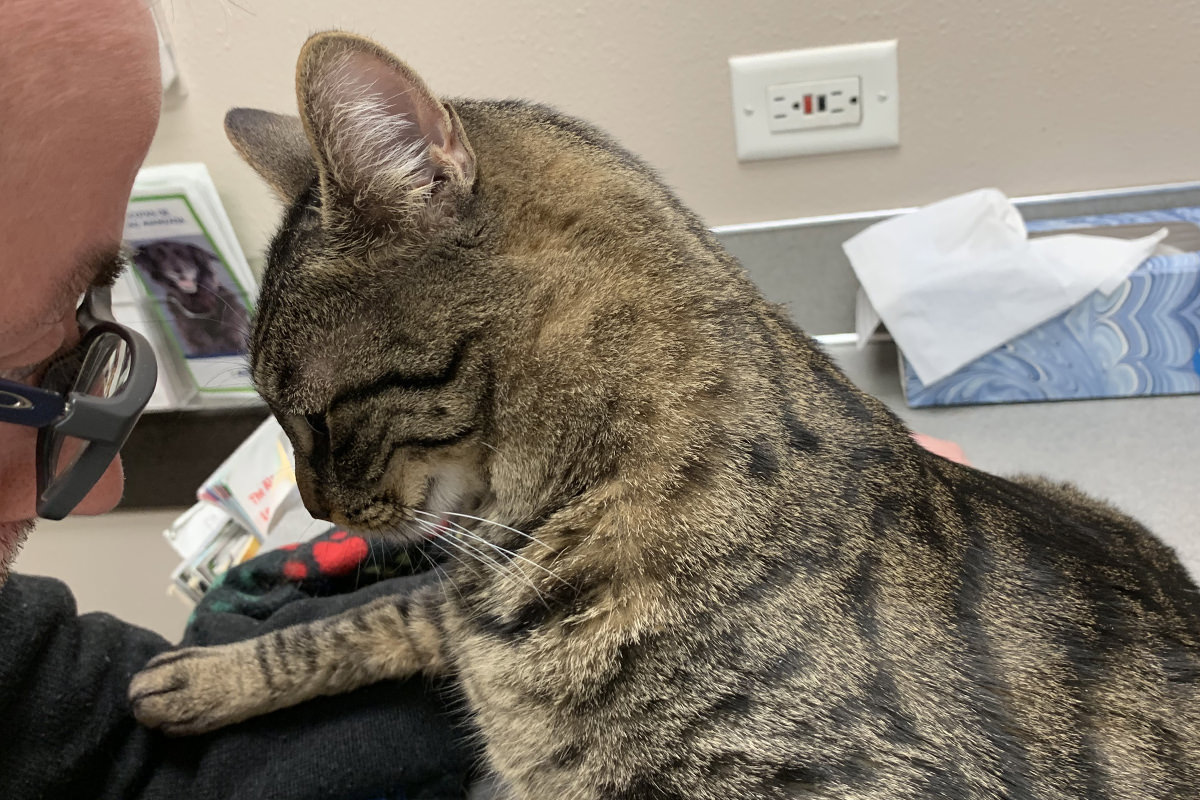
Budget-friendly clinics typically anchor their offerings around preventive care rather than complex procedures. Core services include annual wellness exams and core vaccinations, which form the baseline of their affordable vet model. These clinics oak tree animal hospital usually cover routine parasite control, such as flea, tick, and heartworm preventives, often dispensed at near-cost prices. Additionally, they provide basic diagnostic screenings—fecal tests, heartworm checks, and in-house blood panels for pre-surgical evaluation—using streamlined protocols to reduce overhead. For common issues, they handle minor wound care, ear infections, and skin conditions, but refer advanced cases. The typical sequence involves:
- Scheduling a low-cost wellness exam
- Receiving age-appropriate core vaccines
- Ordering parasite prevention from their pharmacy
- Paying for basic lab work only if symptoms warrant
Surgical coverage, when present, is limited to spay/neuter and dental cleanings under strict eligibility criteria. Pain management and post-op antibiotics are usually bundled, but hospitalization and overnight monitoring are rarely included.
Where the Savings Come From Without Cutting Corners
Savings at an affordable vet come from streamlined operational choices, not skipped procedures. Clinics reduce overhead by using digital records, bulk-buying generic preventives, and scheduling longer appointment slots to avoid rushed follow-ups. They often employ technicians for routine blood draws and nail trims, freeing veterinarians for complex cases—this lowers labor costs per visit. Preventative care bundles, like a single annual exam covering vaccines and fecal testing, cut administrative fees rather than service quality. Also, in-house pharmacies with generic alternatives avoid retail markups. These efficiencies mean you pay for medical expertise, not facility frills.
True savings arise from smarter clinic workflows and bundled essentials—never from diluting the standard of care.
How to Tell If a Discount Provider Meets Your Pet’s Needs
To judge if a discount provider truly fits your pet, start by scrutinizing their core preventative care package—does it cover annual exams, core vaccines, and fecal tests, or just a bare-bones checkup? Then, probe their upgrade policies: ask what happens if a routine visit uncovers an ear infection or skin issue; a clinic that charges emergency-level fees for add-ons undermines your savings. Verify their medication pricing—can they match online pharmacy rates, or do they force overpriced in-house brands? Finally, test their communication: a vet who rushes you through a “cheap” appointment may miss subtle behavioral cues. If they can’t clearly itemize costs for follow-ups or offer transparent payment plans, their discount likely masks hidden gaps. The right provider saves money without sacrificing diagnostic thoroughness or treatment options.
How to Find a Low-Cost Veterinarian in Your Area
Start by contacting your local animal shelter or humane society; they typically maintain a referral list of low-cost veterinarians who accept sliding-scale fees. Next, call veterinary schools in your state—their teaching hospitals often offer affordable vet services at a fraction of private clinic rates, supervised by experienced faculty. For routine care like vaccinations or spay/neuter, search for mobile vaccination clinics or community events hosted at feed stores or churches; these provide budget-friendly care without an exam fee. Also, ask your current vet for a payment plan or if they offer a discount for cash payments, as many independent practices quietly accommodate loyal clients. Finally, use online directories like CareCredit’s locator, filtering specifically for “low-income assistance” to narrow results. Always call ahead to confirm pricing, since fees vary widely even within “low-cost” networks.
Using Online Directories and Community Boards Effectively
Start with national databases like the AAHA’s vet locator, then filter by zip code and “low-cost” tags. Cross-reference results on **community boards** such as Nextdoor or local Facebook groups—search for “cheap vet” or “affordable clinic” to see real-time recommendations from neighbors. Filter out sponsored posts and look for repeat mentions of the same clinic by different users. On Reddit, check city-specific subreddits for pinned threads on budget care. Call each shortlisted clinic directly to confirm pricing, as directory fees are often outdated. Combine board insights with directory contact details to verify sliding scales or payment plans before booking.
Use directories for verified locations, then layer community board chatter to confirm actual costs and hidden fees.
Asking Shelters and Rescues for Their Trusted Referrals
Shelters and rescues are your secret weapon for finding an affordable vet, since they constantly work with budget-conscious clinics and see real pricing in action. Ask their intake coordinators or foster leads directly—they’ll often name the same two or three practices they trust for low-cost spays, vaccines, and urgent care. Because they negotiate bulk rates and know which vets offer sliding scales, their trusted referrals for affordable vet care save you hours of cold-calling. Be specific: request names for routine checkups versus emergency services, since their lists differ. These referrals are gold because they’re based on actual billing, not just reputation.
- Ask which vet they use for their own foster animals.
- Request both a low-cost clinic and a backup for after-hours needs.
- Confirm if the referral offers payment plans or charity care.
- Mention your pet’s condition to get the most relevant referral.
Questions to Ask on the Phone Before Booking an Appointment
Before committing to any clinic, ask targeted questions on the phone about cost transparency to avoid surprise bills. Inquire whether the quoted exam fee includes basic diagnostics like a temperature check or ear swab, or if those are itemized separately. Ask if the veterinarian offers a written estimate before any additional tests, and whether payment plans or Care Credit are accepted for unexpected procedures. Clarify if prescription medications can be filled at an external pharmacy to save on markup. Finally, confirm whether follow-up visits for the same issue are discounted within a set period. These specific inquiries directly filter out hidden fees and align the clinic’s pricing with your budget.
Practical Ways to Lower Your Vet Bill at Any Clinic
To secure an affordable vet, start by asking for a written estimate before any procedure, then compare it with another clinic’s price—many will match it. Book first appointments early in the week, as emergencies cost double, and request a wellness plan that spreads payments monthly while covering exams and vaccines. Always buy heartworm and flea preventives online through the clinic’s pharmacy portal to avoid markup fees. Most importantly, ask your vet to split the prescription into a 90-day supply, which slashes per-dose costs significantly. For non-urgent issues, schedule a tech visit instead of a full doctor exam—it’s cheaper. Finally, negotiate payment plans upfront; clinics prefer a guaranteed schedule over chasing late bills, and a simple “can you waive the exam fee?” often works if you’re a loyal client.

Preventive Care Habits That Prevent Expensive Emergencies
The easiest way to keep your vet bills low is to stop emergencies before they start. A quick weekly check of your pet’s ears, teeth, and paws helps you spot tiny issues—like a cracked nail or mild irritation—before they turn into costly infections. Stick to a consistent schedule for flea, tick, and heartworm prevention; skipping doses often leads to far pricier treatments later. Simple daily habits like brushing teeth and maintaining a healthy weight can also prevent painful dental disease and joint problems, both of which are major expense drivers. A few minutes of prevention now saves hundreds at the affordable vet later.
- Wipe your pet’s paws after walks to avoid debris and cracked pads.
- Track water intake—sudden changes signal early kidney issues.
- Trim nails monthly to prevent overgrowth and painful breaks.
- Do a 2-minute weekly stroke-down check for lumps or sore spots.
Discussing Payment Plans and Generic Medication Options
Before agreeing to any treatment, explicitly ask your veterinarian about **discussing payment plans and generic medication options** to control costs without compromising care. Many clinics offer in-house installment arrangements for major procedures, so request a breakdown of monthly payments rather than accepting a lump-sum bill. For prescriptions, always inquire whether a generic equivalent exists—brand-name flea preventives, antibiotics, and pain relievers often have equally effective generics at a fraction of the price. Additionally, ask if your vet will match online pharmacy pricing or write a paper prescription so you can compare costs yourself. This direct conversation keeps your budget intact while ensuring your pet receives the necessary medical attention.
- Request a written estimate and ask which line items can be split into monthly payments.
- Specifically name generic alternatives for every medication, including heartworm and arthritis drugs.
- Confirm whether the clinic offers a loyalty discount for bundling payment plans with generic fills.

What You Can Skip When Money Is Tight Right Now

When money is tight, you can skip unnecessary add-ons without compromising core care. Decline non-essential wellness screenings like routine bloodwork for young, healthy pets, and postpone elective procedures such as dental cleanings if no active disease exists. Skip branded parasite preventives for a certified generic equivalent, and pass on luxury boarding or grooming offered at check-in. For clear skin or ear issues, ask for a diagnosis and treat at home with over-the-counter options rather than paying for in-clinic application. Follow this sequence:
- Request only the exam and vaccines mandated for boarding or law.
- Defer diagnostic panels unless symptoms persist.
- Buy medications from a human pharmacy with your vet’s prescription.
Every skipped extra keeps your pet healthy and your budget intact.
Comparing Different Kinds of Affordable Veterinary Options
When you’re hunting for an affordable vet, comparing options means weighing more than just the base exam fee. A local non-profit clinic might offer rock-bottom prices, but you could face long wait times and limited services, while a private vet with a “wellness plan” spreads costs monthly but locks you into their specific protocols. Telehealth services are a game-changer for routine questions, costing a fraction of an in-person visit, yet they can’t replace hands-on diagnostics. Compare the bundled vaccine packages against à-la-carte pricing, since one is only cheaper if you actually need every shot. Also, check if a clinic waives exam fees on certain days but then charges extra for same-day meds—that sneaky difference can flip your total. Ironically, the cheapest upfront option often costs more long-term if their follow-up visits are higher. Always ask for a written estimate for the same procedure at three places before you decide.
Nonprofit Clinics vs. Corporate Low-Cost Chains vs. Mobile Vets
Choosing between nonprofit clinics, corporate low-cost chains, and mobile vets often comes down to trade-offs in price, scope, and convenience. Nonprofit clinics typically offer the deepest discounts for basic care like vaccines and spay/neuter, but their hours are limited and waitlists can stretch for weeks. Corporate chains deliver consistent, walk-in-friendly pricing on preventative packages, though they push add-on tests that inflate your final bill. Mobile vets excel at bringing stress-free checkups to your driveway, but they lack the heavy equipment for surgeries or serious diagnostics. For routine wellness on a tight budget, a nonprofit is your most budget-friendly veterinary option, while mobile vets suit anxious pets needing gentler handling. Corporate chains work best for predictable, scheduled care when you need evening or weekend appointments.
Membership-Based Wellness Plans for Routine Visits

For routine exams and shots, membership-based wellness plans for routine visits can slash costs by bundling annual care into a flat monthly fee. Instead of paying per appointment, you prepay for a set package—typically covering exams, core vaccinations, and a yearly blood panel. This works best for predictable costs, not emergencies. To maximize value, first compare the bundled price against your vet’s a-la-carte fees, then check if the plan includes dental cleanings or parasite prevention, which otherwise add up fast. Finally, choose a plan that lets you pause or cancel without penalties if your pet’s needs change, ensuring you never pay for unused services.
When a Vet School or Vaccination Clinic Is the Right Choice
A vet school or vaccination clinic is the right choice when your pet needs routine, predictable care rather than complex diagnostics. For healthy adult animals requiring annual boosters, a vaccination clinic offers affordable preventive care without the exam fee, making it ideal for budget-conscious owners. Choose a vet school when your pet faces a surgical procedure or specialized condition—their teaching hospitals often provide top-tier care at reduced rates, though appointments take longer. However, skip both if your pet shows subtle symptoms like lethargy or vomiting; these settings lack the time for thorough workups. A full-service vet remains necessary for chronic illnesses or emergencies.
Q: When is a vet school or vaccination clinic the wrong choice?
A: When your pet has unexplained symptoms, needs ongoing disease management, or requires after-hours urgent care—those situations demand a traditional clinic’s immediate resources.
Getting the Most Value from Your First Visit
To get the most value from your first visit to an affordable vet, come with a prioritized list of your pet’s top three concerns and any photos or videos of symptoms—this saves the vet time and prevents costly follow-up calls. Bundle your care by asking which vaccines, preventives, or tests are truly essential this visit versus what can wait, so you’re not paying for extras you don’t need. Before you leave, ask for a written estimate of any recommended procedures and request a payment plan or a generic medication alternative if the quote feels steep. Also, clarify the clinic’s policy on free phone check-ins after the appointment—many low-cost clinics include this, which can save you a second exam fee for minor questions.
The smartest move is to ask, “If I only pay for three things today, which three matter most?”—that single question turns a budget visit into strategic care.
Finally, schedule your next visit before leaving, since affordable clinics often book weeks out and early slots prevent emergency-room bills later.
Preparing Your Pet’s Medical History and Vaccination Records
Before your first appointment, assemble a chronological record of your pet’s prior treatments, including dates of surgeries, medication reactions, and chronic conditions. Request your previous clinic’s records directly, or compile summaries from purchase histories if you used multiple providers. For vaccinations, note the exact vaccine type (e.g., DHPP vs. rabies) and the administration date—not just the due date. This prevents redundant titers or shots, which are a major avoidable cost. Bring the physical certificate or a clear photo of it. Also list any over-the-counter supplements or flea preventives with dosages. A complete vaccine timeline prevents costly repeat inoculations, so organize your files this way:

- Call your prior vet for a signed release and ask for itemized records.
- Sort documents by date, separating vaccines from illness-related visits.
- Write a one-page summary of current medications, allergies, and last vaccine dates.
- Place the summary and original certificates in a single folder to hand to the new vet.
How to Prioritize Treatments When the Vet Gives You a Price List
When the vet hands you that itemized price list, resist the urge to approve everything at once. Instead, ask them to rank each line item by urgency: immediate pain, infection risk, or long-term quality of life. Place lifesaving diagnostics and medications at the top, then defer cosmetic or elective procedures like dental cleanings (if not infected) to your next paycheck. Prioritizing treatments by clinical impact means you can negotiate a phased plan: treat the ear infection now, schedule the lump biopsy in two weeks. Vets often offer payment plans or generic substitutes—but only if you ask before checking out.
- Categorize each cost as “critical now,” “needed this month,” or “can wait.”
- Request a written breakdown, then circle the two items that resolve the most severe symptom.
- Ask if any bundled packages (vaccines + exam) reduce the price for the top priority item.
Following Up on Free or Low-Cost Post-Visit Support
After your affordable vet visit, following up on free or low-cost post-visit support can significantly reduce repeat expenses. Ask directly whether the consultation fee includes a follow-up call, recheck, or medication adjustment within a specific window. Many clinics offer free nurse-led phone triage for post-procedure concerns, but you must request it before leaving. Silent complications often escalate simply because owners assume a second visit costs money. Also query about subsidized refills, community pharmacy partnerships, or sliding-scale wound checks. Set a reminder to call if your pet’s condition changes, not just at the scheduled recheck.
- Confirm the exact number of free recheck days included in the initial fee.
- Ask for a written list of covered low-cost services (e.g., suture removal, bandage change).
- Inquire whether telehealth advice counts toward the same support package.